What to eat in Ankara
Ankara's table is the measured cooking of the steppe: built on dough, grain and lamb, unshowy and filling. The city's real tradition is the tradesmen's restaurant — a plain order of stewpot dishes, rice and ayran at midday. As the capital it drew kitchens from every corner of Anatolia; today a single counter may hold the recipes of several cities at once.
Among the Atlas records identified with Ankara are Ankara Tava, Beypazarı Stew. The directory holds 239 real venue records; the districts carrying the most records are: Çankaya, Yenimahalle, Altındağ.
239 real venue records — browse with filters
Dishes identified with this city
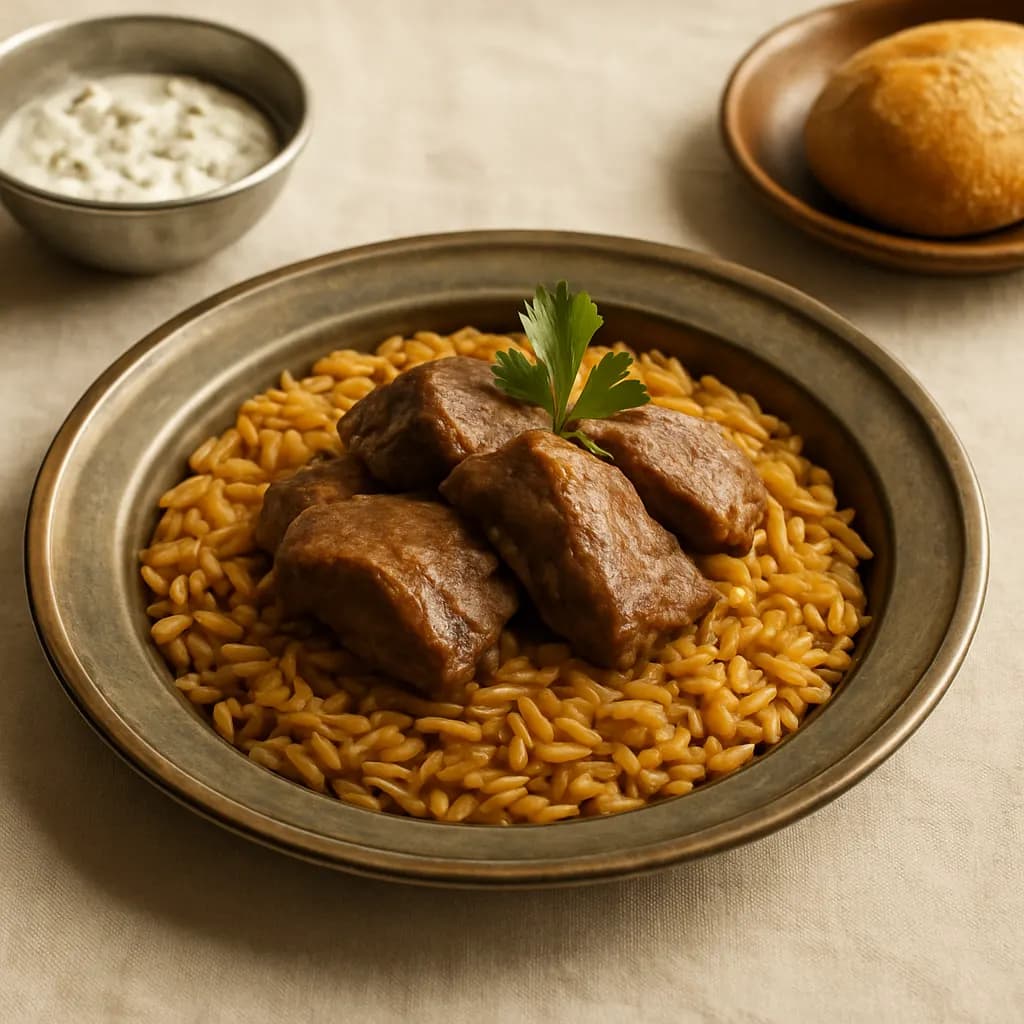
Ankara Tava
A classic dish named after the capital, where lamb is baked with orzo. It represents the cuisine of Ankara.
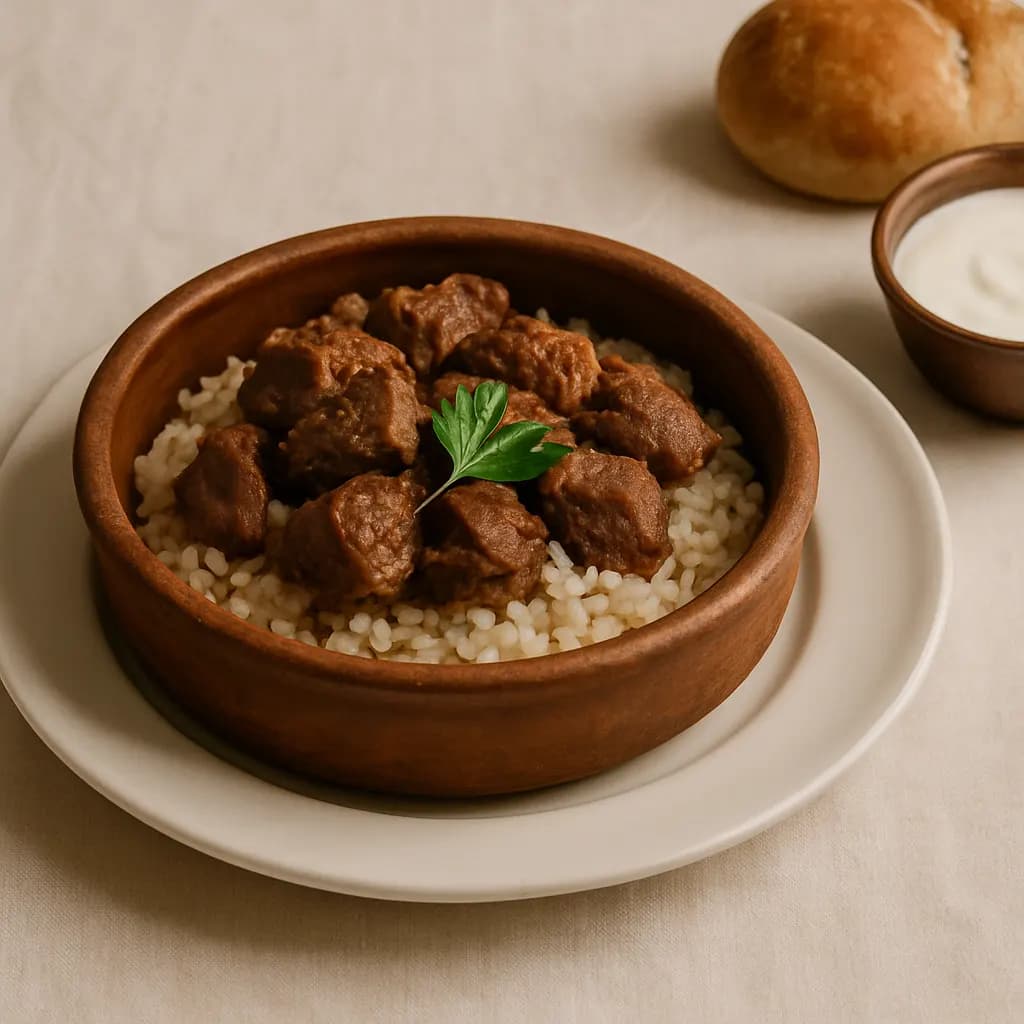
Beypazarı Stew
A dish from the Ankara-Beypazarı region where meat and rice are slowly cooked in a casserole; it is the second representative of the pilot city on Atlas.
From the cuisine of Central Anatolia
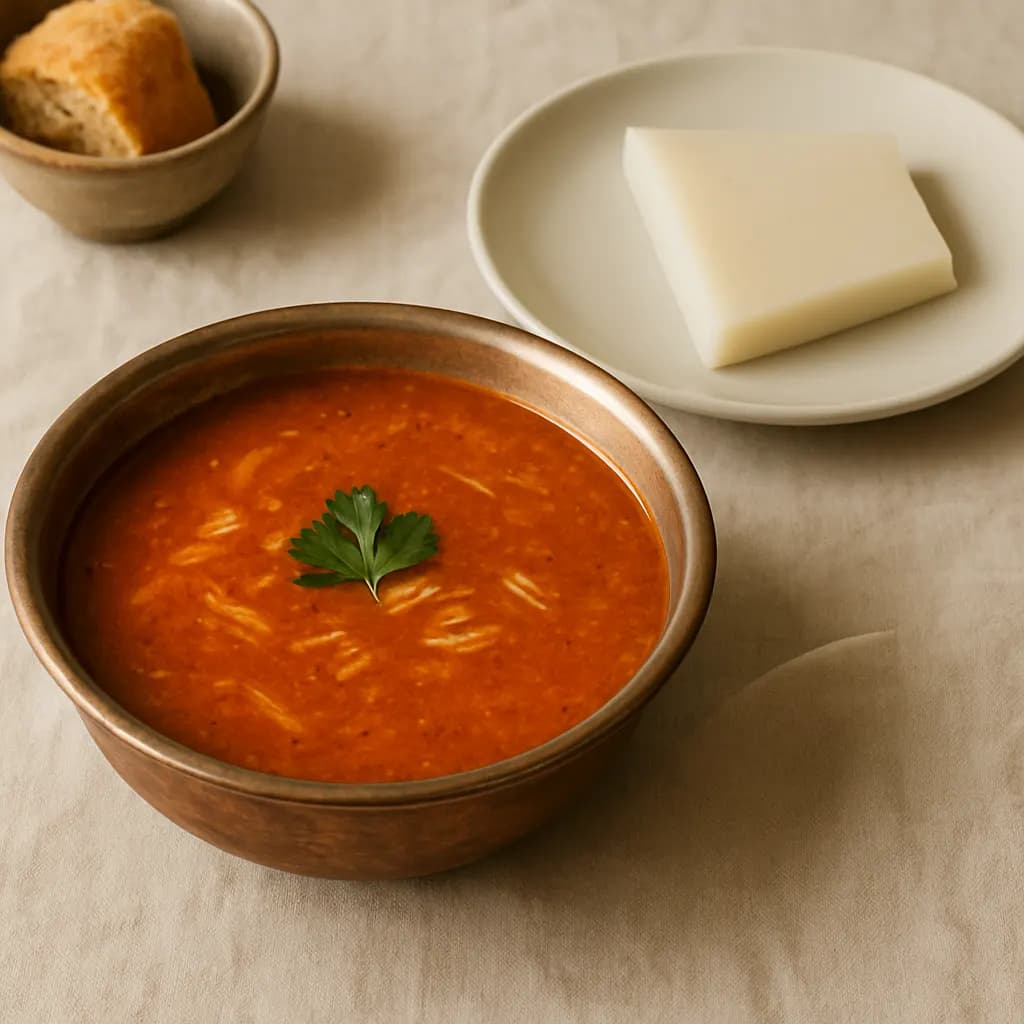
Arabaşı Soup
A winter table arrangement where spicy chicken soup is served alongside a separately cooked and cooled dough; it is the name for both the soup and the way of eating it together.
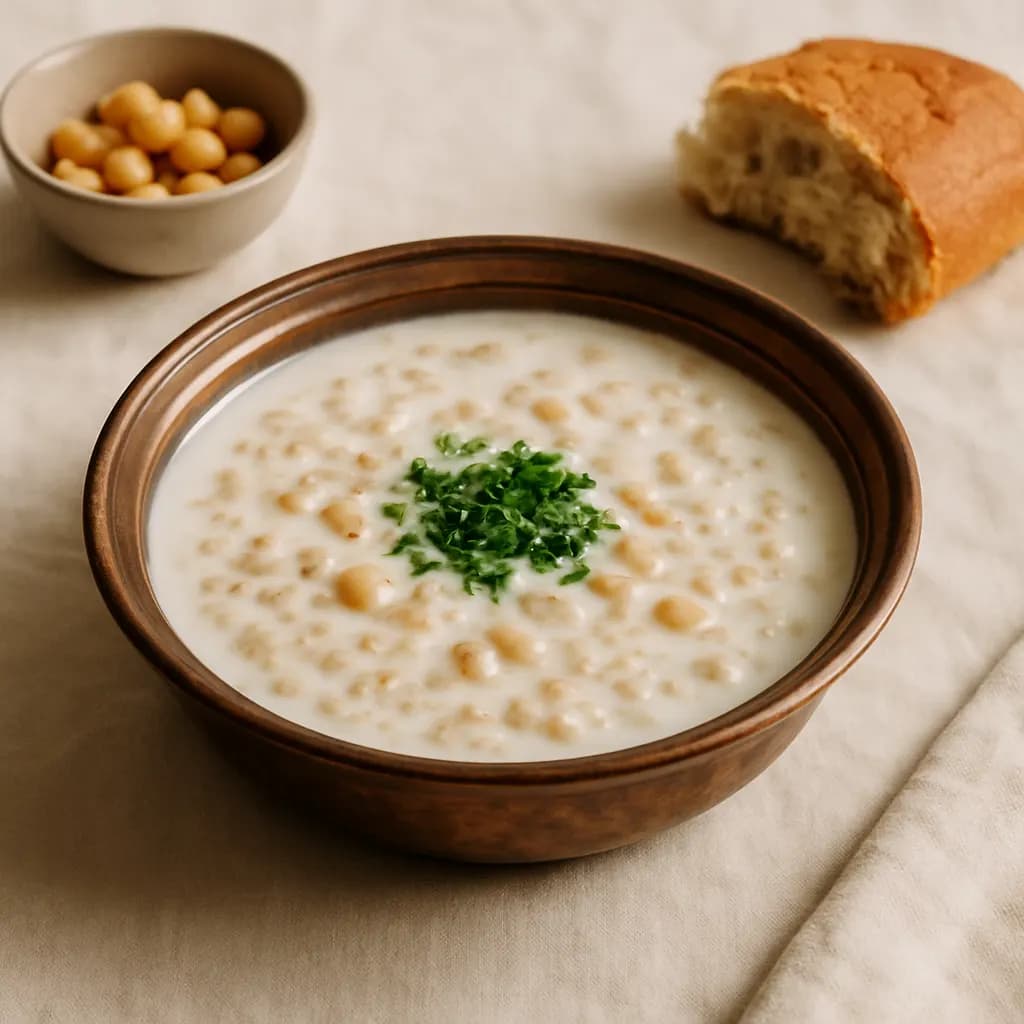
Ayran Aşı
A cold summer soup made with boiled wheat and chickpeas combined with cold yogurt; in some regions, the same name also refers to hot, herb-based dishes.
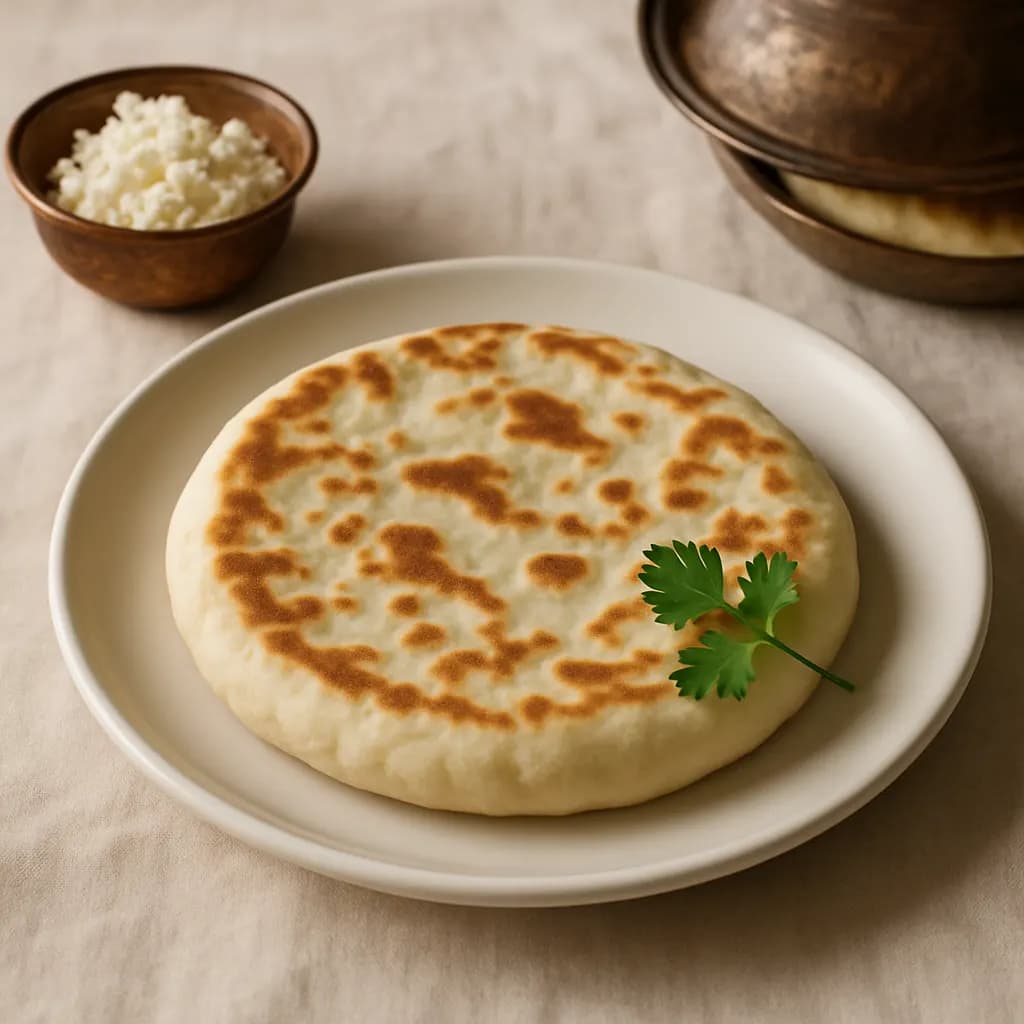
Bazlama
A leavened flatbread that rises in a pan without the need for an oven; it is one of the quickest traditional breads to prepare.
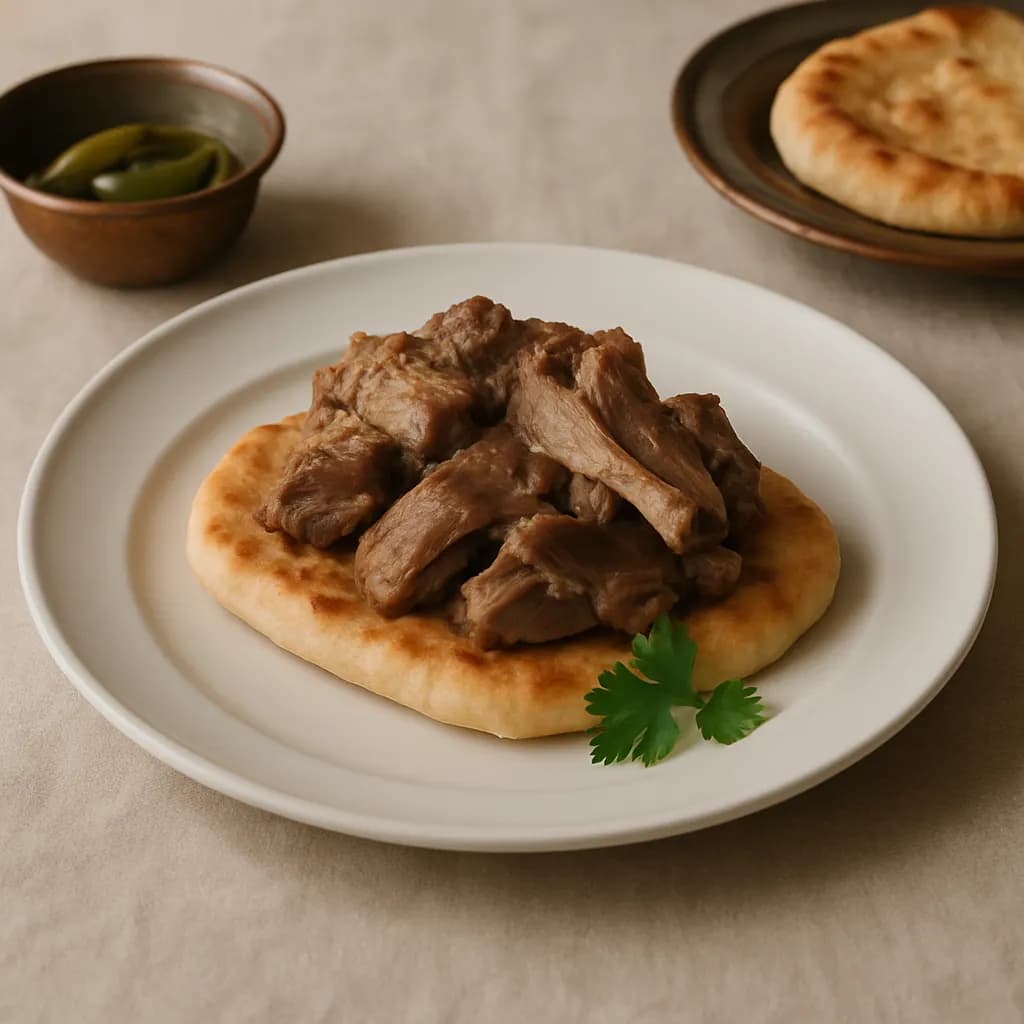
Oven Kebab
A kebab that is synonymous with Konya, made from lamb meat cooked slowly in a stone oven in its own fat; served on bread.
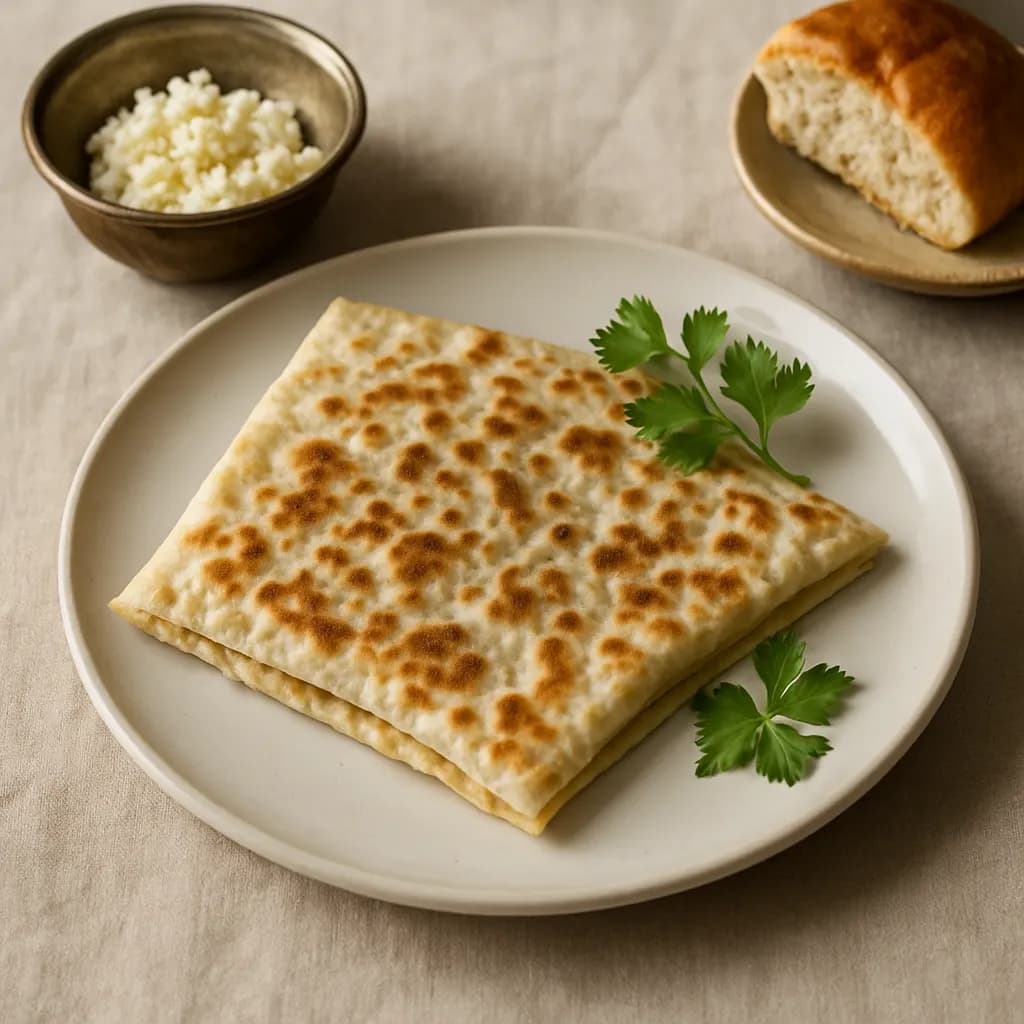
Gözleme
A village and market tradition where thin dough cooked on a griddle is filled with cheese, potatoes, or spinach.
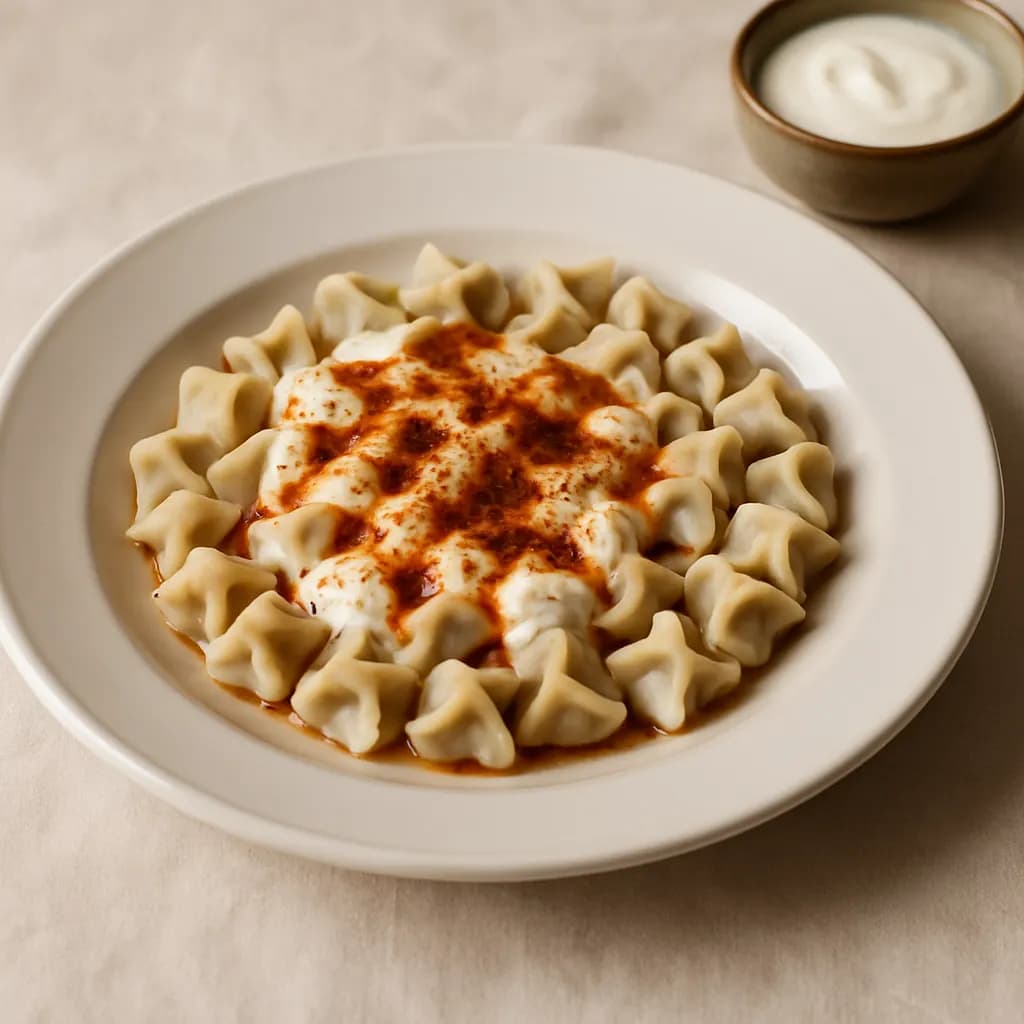
Kayseri Manti
Small dumplings filled with minced meat are boiled and served with yogurt and hot sauce. In Kayseri tradition, the small size of the manti is considered a measure of skill.
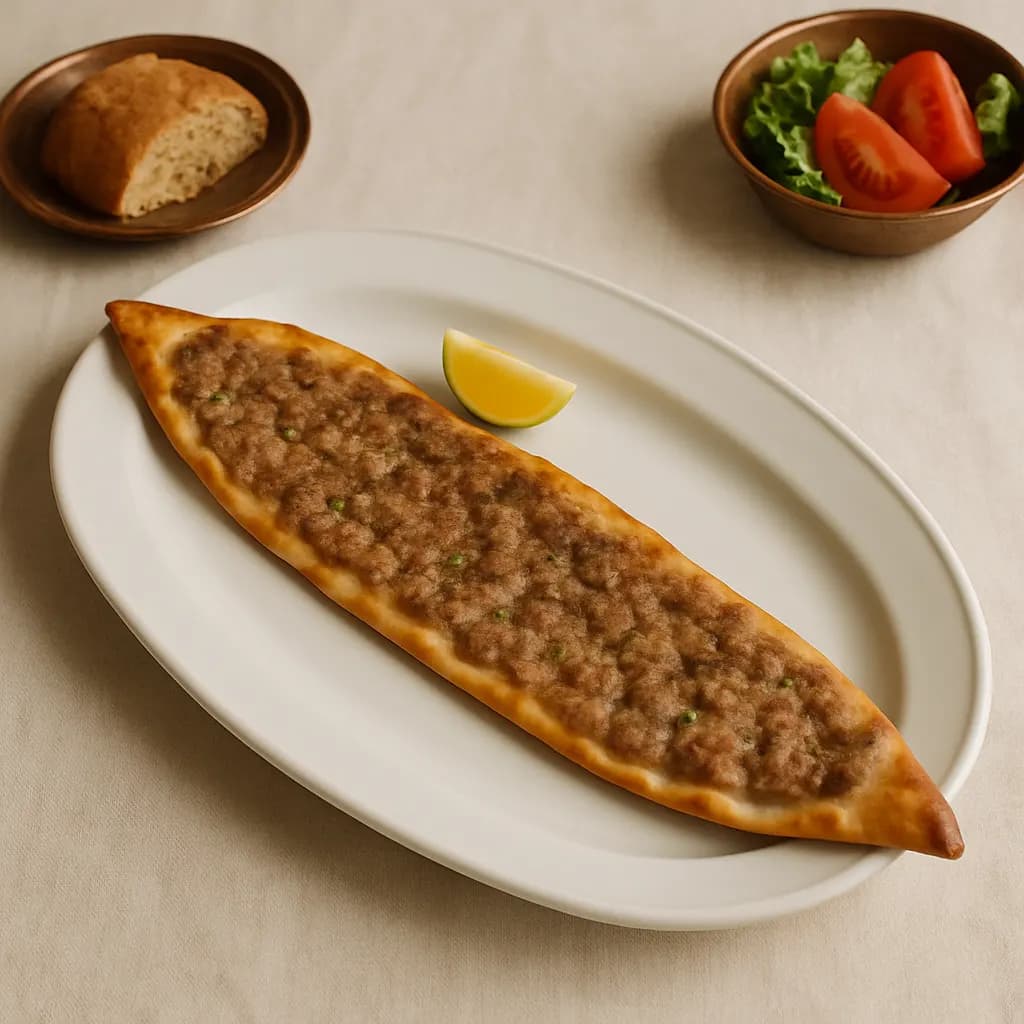
Konya Etli Ekmek
A Konya classic where minced meat filling is spread over long, thin dough and baked in a wood-fired oven; unlike lahmacun, the dough is distinct and the filling is simple.
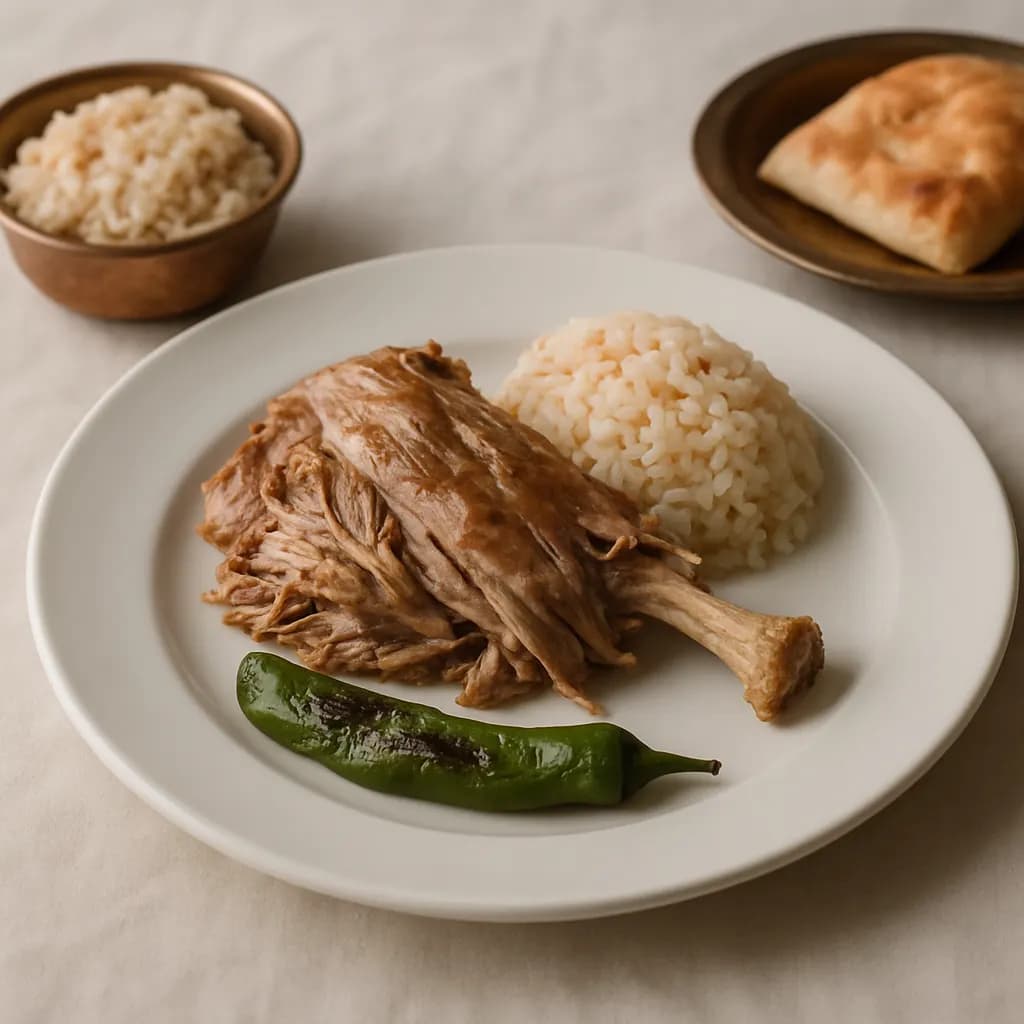
Lamb Tandır
A classic Anatolian dish where lamb is cooked for hours in a closed tandır oven in its own juices, resulting in tender, shredded meat. It is served with rice and roasted peppers.
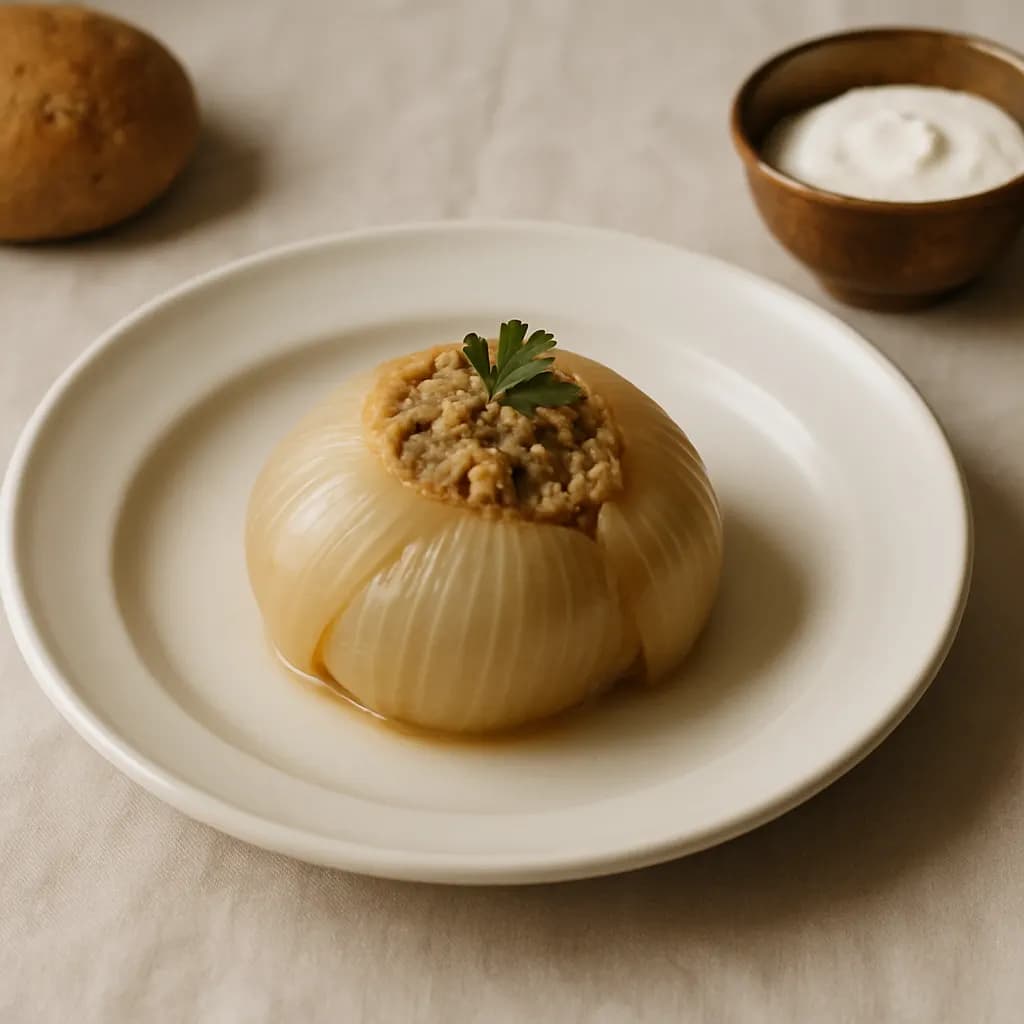
Stuffed Onions
A winter dish known for its labor-intensive preparation, where softened onion layers are wrapped around a filling.
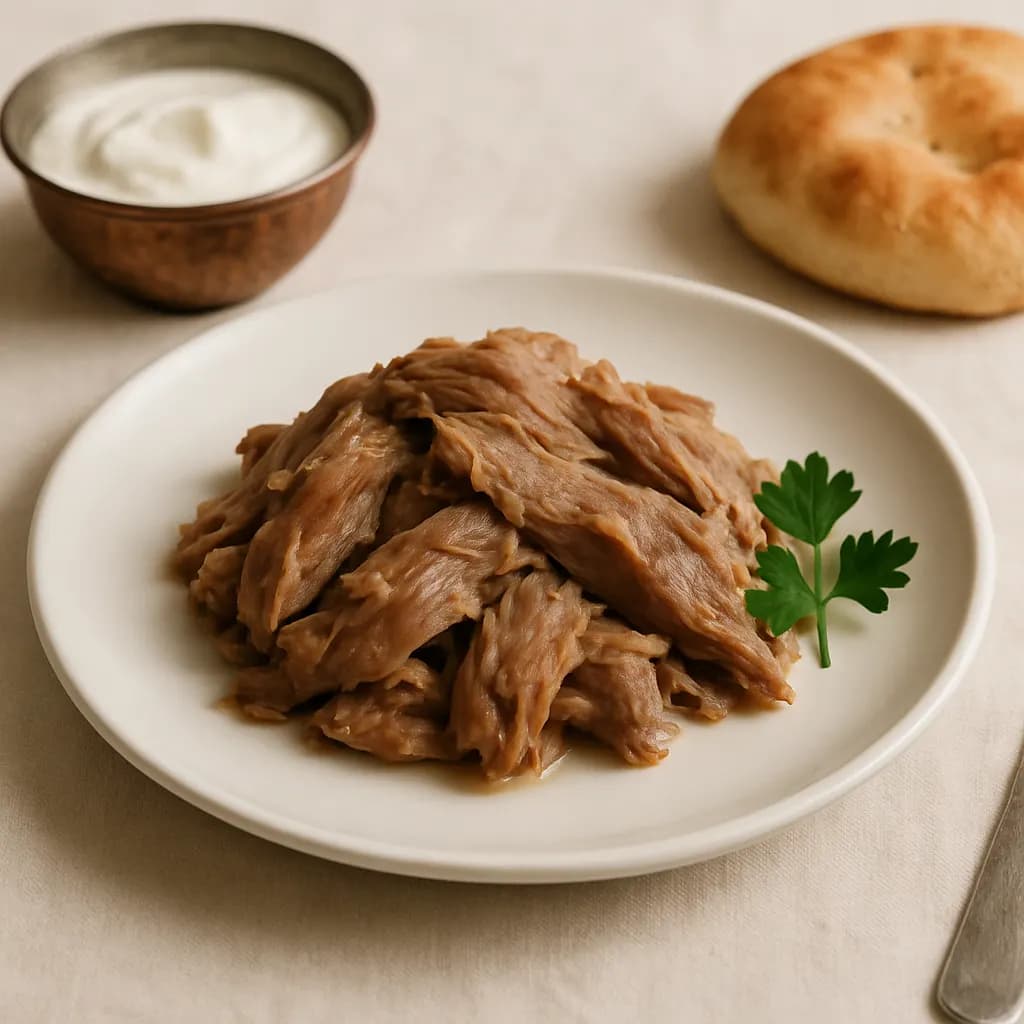
Tandoori Kebab
A type of meat that becomes tender over a long period in a closed and high-temperature tandoor; it is the traditional form of lamb tandoor outside the oven.
Documented taste stops
- Boğaziçi Lokantası · Ulus, Denizciler Caddesi — Ulus's classic tradesmen's lokanta; known for Ankara tava, lamb shank and traditional stews.
- Çiçek Lokantası · Ulus — Pot dishes and olive-oil vegetables served in a historic setting.
- Tarihi Merkez Lokantası · Ostim — A fixture for the industrial-zone tradesmen; generous home-style meat dishes.
- Tavukçu Lokantası · Kızılay — The historic meeting point of writers and poets; classic meze and grills.
- Hüsrev · Çankaya — Çayeli-style white beans and Black Sea regional dishes.
- Düveroğlu · Kızılay — Gaziantep-style kebabs, lahmacun and baklava.
- Selanik Esnaf Lokantası · Kızılay — A rich, daily-changing menu of soups and pot dishes.
- Bizim Lokanta · İskitler — Ankara-style leaf döner and tradesmen's stews.
- Rumeli İşkembecisi · Kızılay — Offal soups, tripe and traditional casseroles.
- Gülçimen Aspava · Emek — Home of Ankara's own SSK wrap döner — with sauce, onion and kashar cheese.
- Uludağ Kebapçısı · Ulus, Denizciler Caddesi — A long-standing kebab hall identified with Ankara's İskender tradition.
- Zenger Paşa Konağı · Ankara Kalesi — Traditional Ankara cuisine in a historic mansion inside the citadel; known for its ethnographic collection.
How it is eaten, how it is ordered
- Why is baklava never kept in the fridge?
In the cold the butter solidifies, the syrup crystallises and the pastry draws moisture and loses its crispness. Baklava is kept at room temperature, uncovered, and ideally eaten the same day.
- Does water or yogurt calm chili heat?
Yogurt, ayran and milk work; water does not. Capsaicin, the compound behind the heat, does not dissolve in water but does in fat and milk protein; water merely spreads it and the burn returns.
- Why are olive-oil dishes not served hot?
Olive oil's aroma evaporates as it heats, yet turns heavy when chilled. The dishes taste best in between, at room temperature, and their flavours also marry as they rest.
What are you in the mood for in Ankara?
Frequently asked
- What to eat in Ankara?
- Among the records identified with Ankara, Ankara Tava, Beypazarı Stew stand out. On GustoMesh each record carries its cultural summary, technique and table balance; the list is a record of the city's culinary identity, not a ranking.
- Where to eat in Ankara?
- The directory holds 239 real venue records for Ankara, of which 12 are documented taste stops. The records come from OpenStreetMap, are unassessed and carry no score.
- What defines the cuisine of Ankara?
- Ankara's table is the measured cooking of the steppe: built on dough, grain and lamb, unshowy and filling. The city's real tradition is the tradesmen's restaurant — a plain order of stewpot dishes, rice and ayran at midday. As the capital it drew kitchens from every corner of Anatolia; today a single counter may hold the recipes of several cities at once.
Other provinces of the same region — Central Anatolia
AksarayÇankırıEskişehirKaramanKayseriKırıkkaleKırşehirKonyaNevşehirNiğdeSivasYozgat
Other cities
This is not an invented ranking: the dishes come from the regional links of Atlas records, the stops from documented curation, the venues from the OpenStreetMap directory. The order carries no quality claim.