What to eat in Kars
Eastern Anatolian cooking is the cooking of high altitude and long winter: meat, dairy and grain. Kavurma, dried curd and herbed cheese are preserving methods developed to get through the cold. Tandır bread and meat-roasting traditions are strong here; the table is high in calories and measured in spice.
Among the Atlas records identified with Kars are Hingel, Kars Gruyere, Kars Piti, Kete. The directory holds 3 real venue records; the districts carrying the most records are: Merkez.
3 real venue records — browse with filters
Dishes identified with this city
Hingel
The large manti of Eastern Anatolia: dough parcels filled with minced meat are boiled and served under garlic yoghurt and browned butter. Smallness is not the measure here; the parcel is large and the dough left thick.
Kars Gruyere
The product of a Swiss-style hard cheese tradition that settled in Kars at the end of the 19th century; large wheels ripen for months and the cut shows large eyes. It carries a geographical indication.
Kars Piti
A Kars dish of lamb, chickpeas and tail fat cooked for hours in small earthenware pots; a tradition shared with Caucasian cooking. The broth is taken into a separate bowl and the meat eaten over bread.
Kete
A pastry of the Erzurum and Kars region: a filling of flour roasted in butter is spread over the dough, rolled up and baked on a griddle or in the oven. It is the classic of tea time and of food taken on the road.
From the cuisine of Eastern Anatolia
Avelok
The avelok herb gathered around Bitlis in spring is cooked with chickpeas and bulgur; a dried version kept for winter is also common. The herb's own sourness is the measure of the dish.
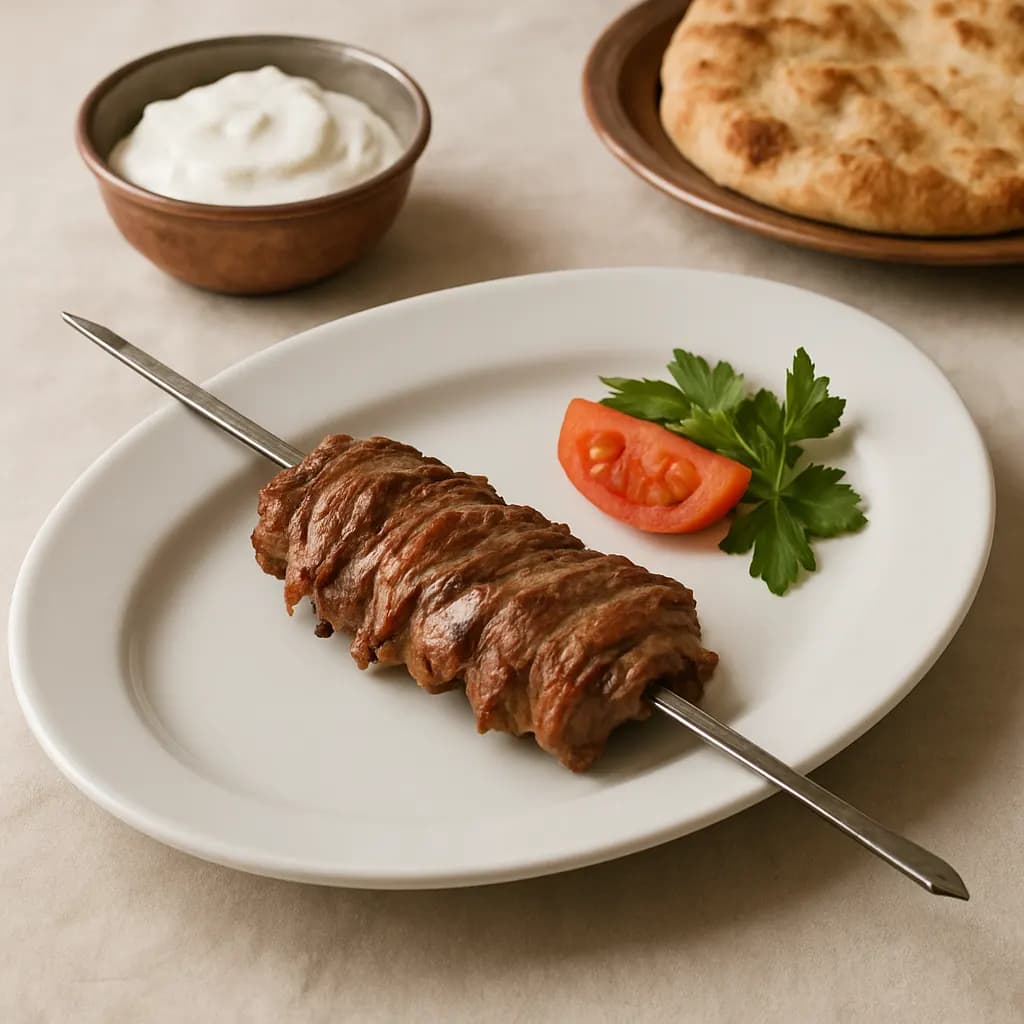
Cag Kebab
A lamb kebab from the Erzurum region, cooked over wood fire on a horizontal skewer; slices are served cut with small skewers called 'cag'. It has a geographical indication.
Civil Cheese
An Erzurum cheese made from skimmed milk and pulled open into fine strands; also known as cecil. It is eaten at the breakfast table and alongside dried curd. It carries a geographical indication.
Erzincan Tulum Cheese
A hard, sharp cheese made from the highland milk of the Savak herders and ripened in a skin. As it matures it crumbles and its scent deepens. It carries a geographical indication.
Harput Kofte
The soured kofte of the Elazig-Harput tradition: small balls kneaded from fine bulgur and minced meat are boiled in broth and soured with pomegranate molasses or tomato paste. It is a dish of wedding and holiday tables.
Stuffed Kadayif
The ceremonial sweet of Erzurum: shredded kadayif is wrapped around walnut, dipped in egg, fried and then taken into syrup. It carries a geographical indication.
Keledos
A winter dish in which dried cabbage or chard, chickpeas, bulgur and preserved meat are cooked together for a long time; garlic yoghurt and hot fat are poured over it. It is a record shared by the tables of Van and Mus.
Paper Kebab
The Malatya way: lamb, tomato, pepper and onion are wrapped in greaseproof paper and baked in their own steam. The paper holds the juices, so no separate sauce is added.
Van Herbed Cheese
Made by folding into the curd the wild herbs gathered around Van in spring — sirmo, mendi, heliz and others; the scent of the herb passes into the cheese as it ripens. It carries a geographical indication.
How it is eaten, how it is ordered
- Why is baklava never kept in the fridge?
In the cold the butter solidifies, the syrup crystallises and the pastry draws moisture and loses its crispness. Baklava is kept at room temperature, uncovered, and ideally eaten the same day.
- Does water or yogurt calm chili heat?
Yogurt, ayran and milk work; water does not. Capsaicin, the compound behind the heat, does not dissolve in water but does in fat and milk protein; water merely spreads it and the burn returns.
- Why are olive-oil dishes not served hot?
Olive oil's aroma evaporates as it heats, yet turns heavy when chilled. The dishes taste best in between, at room temperature, and their flavours also marry as they rest.
What are you in the mood for in Kars?
Frequently asked
- What to eat in Kars?
- Among the records identified with Kars, Hingel, Kars Gruyere, Kars Piti, Kete stand out. On GustoMesh each record carries its cultural summary, technique and table balance; the list is a record of the city's culinary identity, not a ranking.
- Where to eat in Kars?
- The directory holds 3 real venue records for Kars, of which 0 are documented taste stops. The records come from OpenStreetMap, are unassessed and carry no score.
- What defines the cuisine of Kars?
- Eastern Anatolian cooking is the cooking of high altitude and long winter: meat, dairy and grain. Kavurma, dried curd and herbed cheese are preserving methods developed to get through the cold. Tandır bread and meat-roasting traditions are strong here; the table is high in calories and measured in spice.
Other provinces of the same region — Eastern Anatolia
AğrıArdahanBingölBitlisElazığErzincanErzurumHakkâriIğdırMalatyaMuşTunceliVan
Other cities
This is not an invented ranking: the dishes come from the regional links of Atlas records, the stops from documented curation, the venues from the OpenStreetMap directory. The order carries no quality claim.