What are you in the mood for in Kırşehir?
Tell us what you are craving and we will do the rest. The suggestions shift as you choose, and each one says why it appeared and what balances it at the table.
Pick a craving (You can choose more than one.)
Dietary preference
You picked filling and sweet together: if you want both in one meal, keep the dessert small and share it.
9 suggestions
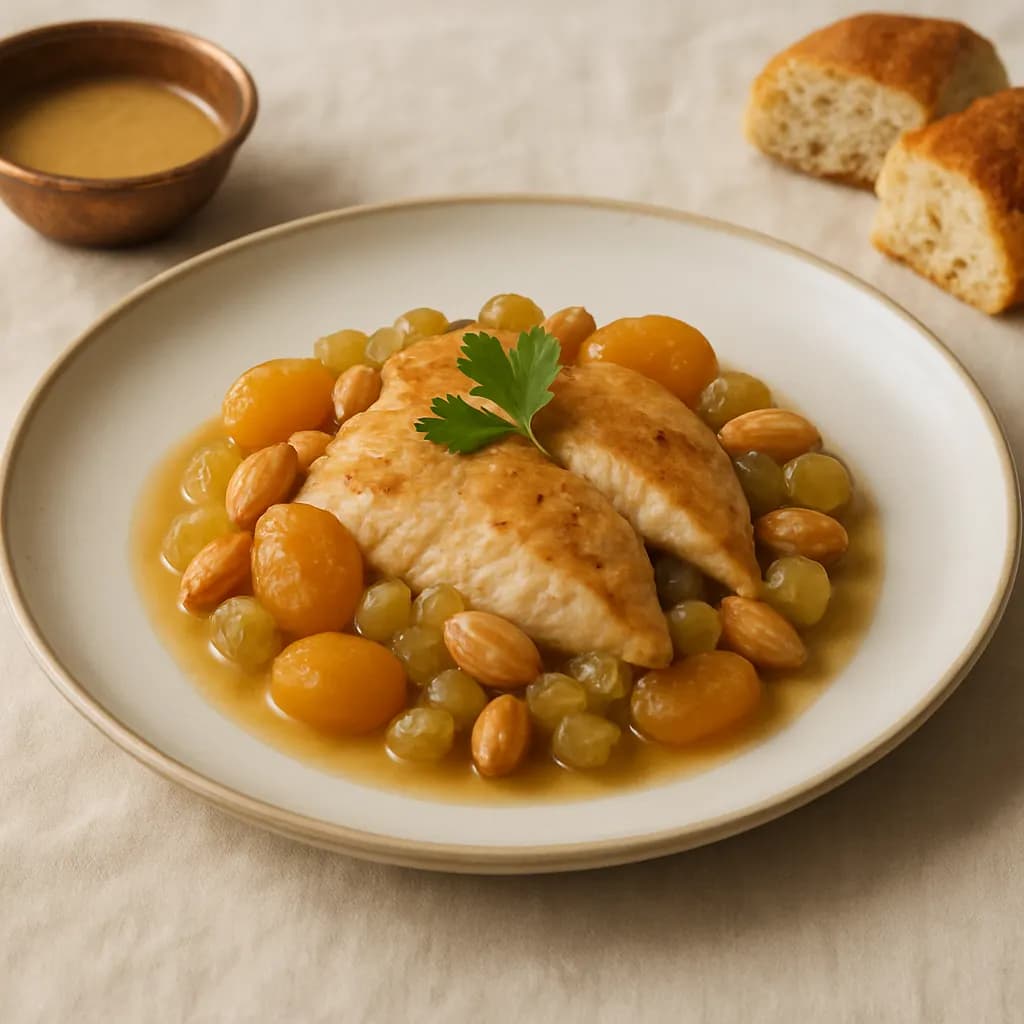
A sweet-salty Ottoman dish made with chicken cooked with apricot, grape, almond, and honey; it carries on the palace kitchen's tradition of fruity meat dishes.
Why this: Sweet → with fruit · Sour → with fruit · Filling → medium · salty, spice
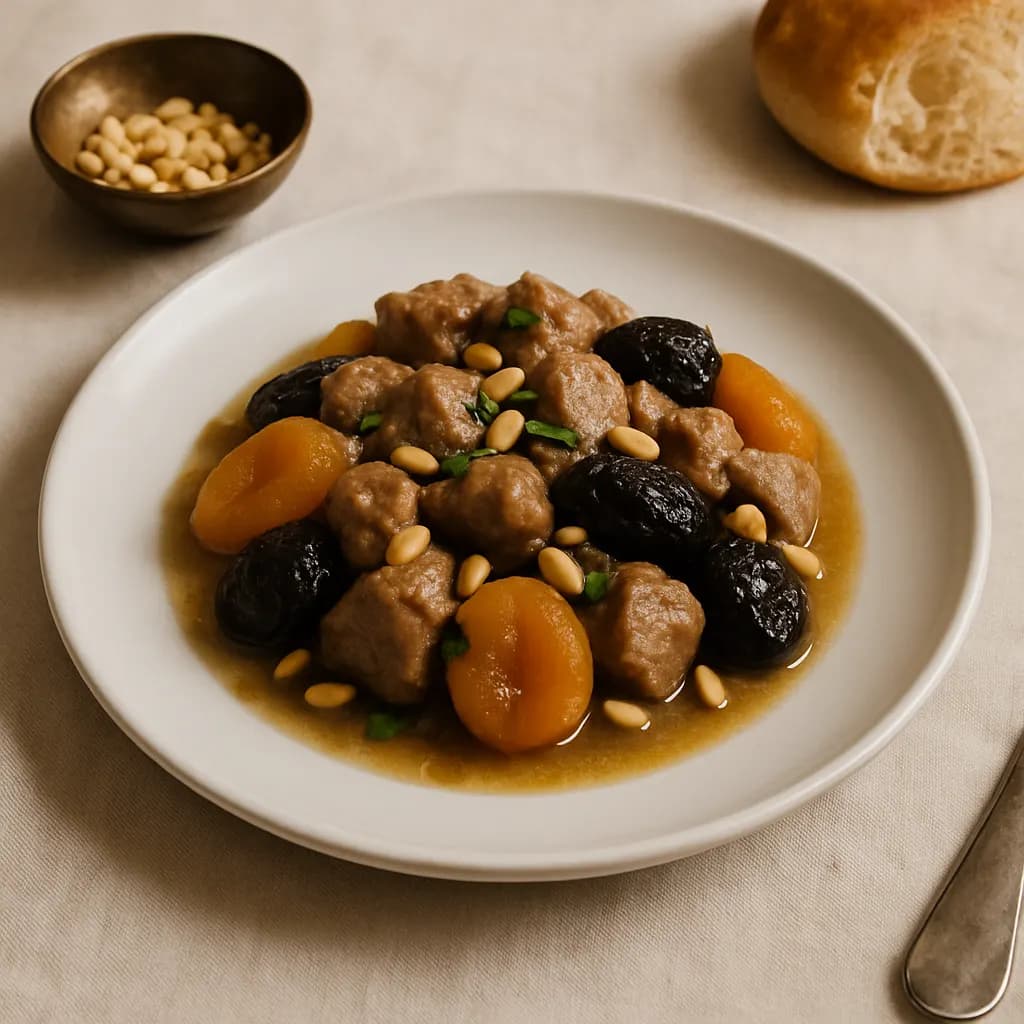
A historical palace dish that combines meat, dried fruits, and nuts with a balance of honey; it is a relative of Mahmudiye.
Why this: Sweet → with fruit · Sour → with fruit · Filling → medium · salty
Table balance
- Alongside
- Grilled pepper and tomato with sumac onion is the classic foil to the smoke of the fire.
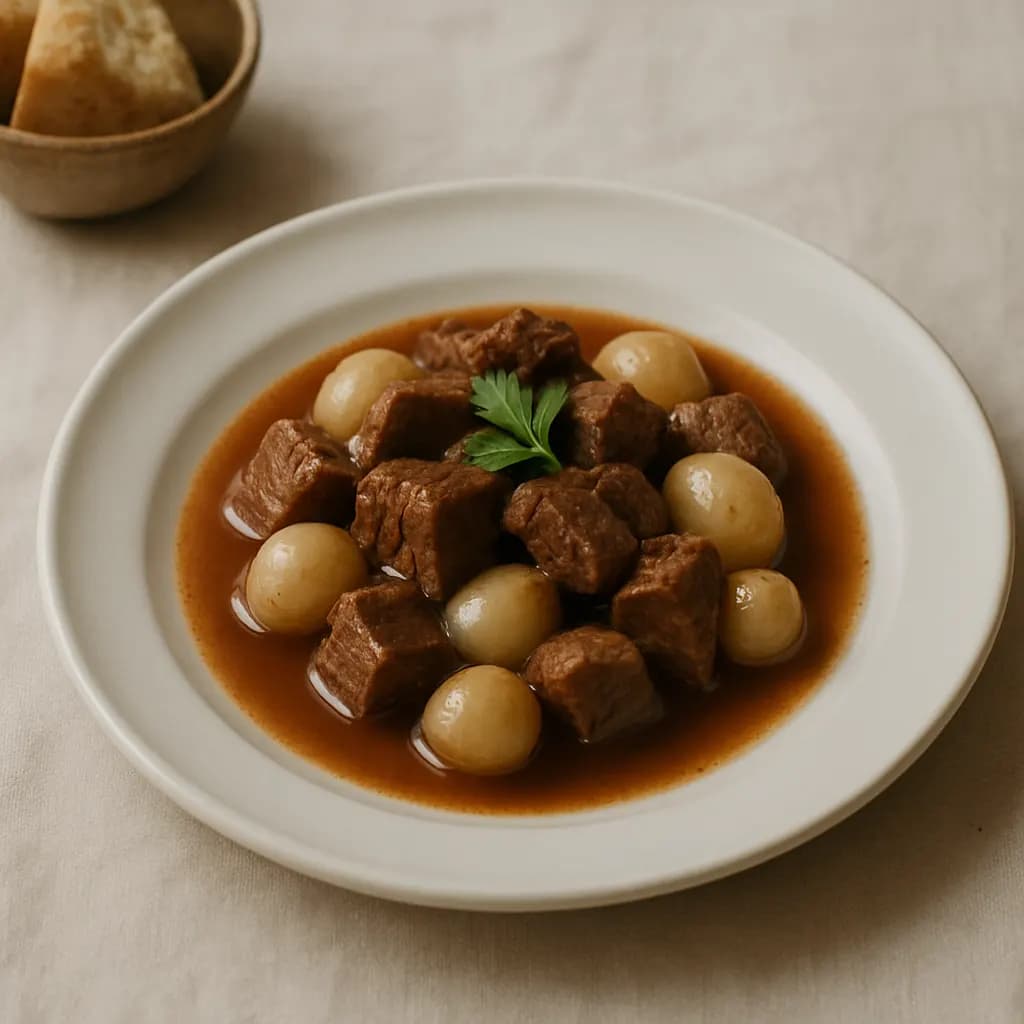
A historical stew defined by pearl onions, garlic, and vinegar; the name is old but does not refer to a single unchanging list of ingredients.
Why this: Sour → with vinegar · Filling → filling
Table balance
- Alongside
- Pickles or an onion-and-lemon salad: acidity cuts the fat and lightens the plate. Plain rice or fresh bread rounds the acidity and steadies the plate.
- To drink
- Ayran (salted yogurt drink) or turnip juice — the classic partner to a rich meat plate.
- Afterwards
- Plain brewed tea; if you still want dessert, keep the portion small and wait a little.
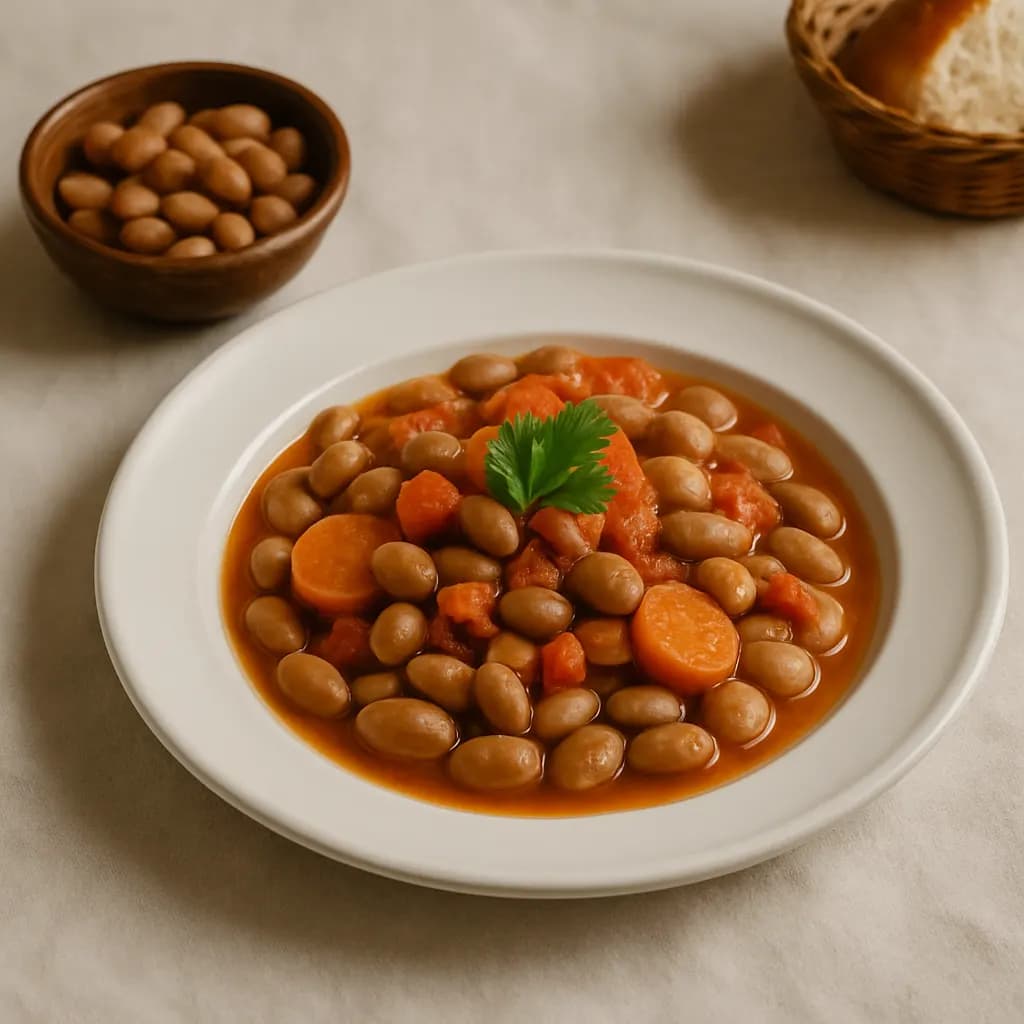
Barbunya Pilaki
in seasonA beloved example of the pilaki tradition, made with fresh or dried kidney beans cooked in olive oil with onions, garlic, carrots, and tomatoes. It is served cold and is a classic of local eateries.
Why this: Sour → with tomato · Filling → medium · richness
Table balance
- Alongside
- A lemon wedge and fresh bread; a heavy meat plate alongside would hide the dish entirely.
- Easy to miss
- Olive-oil dishes are not eaten straight from the fridge; the aroma opens near room temperature.
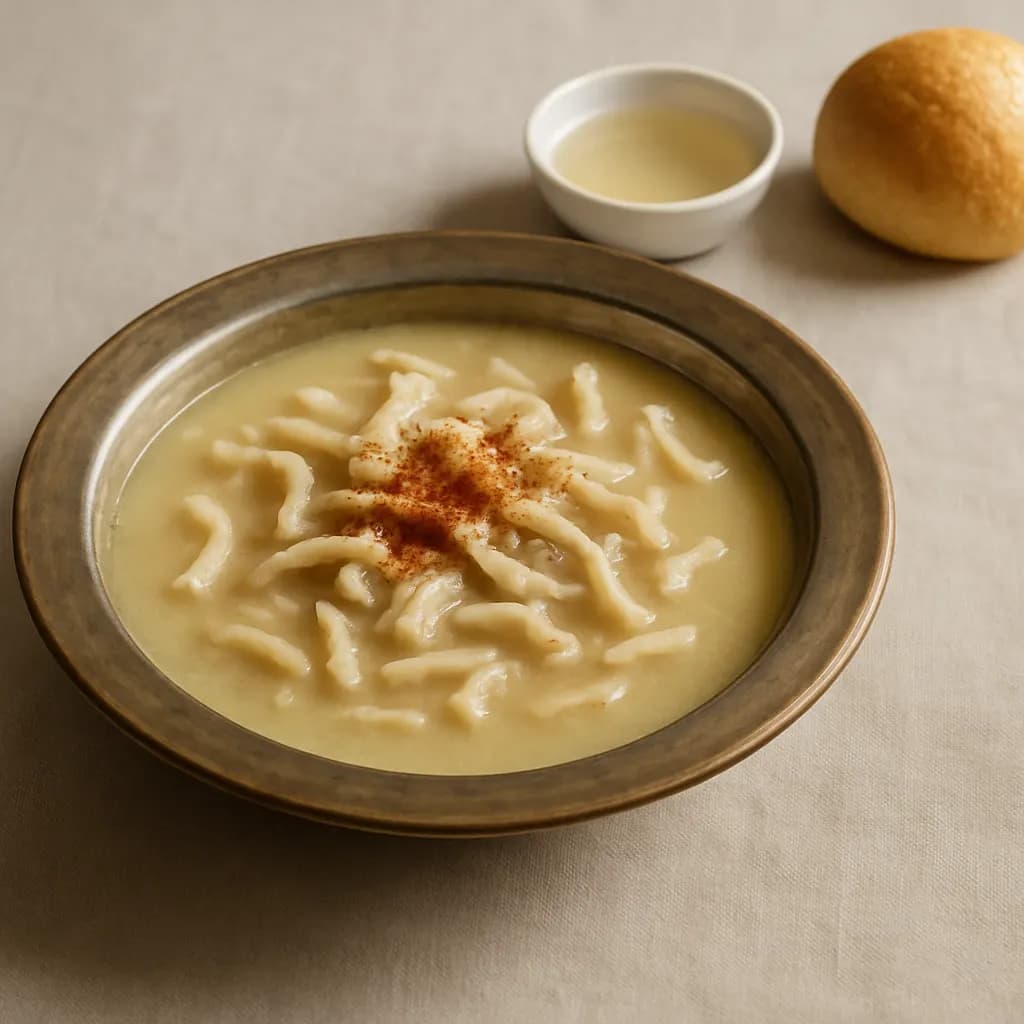
A representative of the offal tradition associated with nighttime culture; it is consumed with garlic vinegar. The skill lies in the cleanliness of the tripe and the consistency of the marinade.
Why this: Sour → with vinegar · Filling → medium · spice
Table balance
- Alongside
- Plain rice or fresh bread rounds the acidity and steadies the plate.
- Afterwards
- Soup opens the meal: if a heavy main follows, keep its portion smaller.
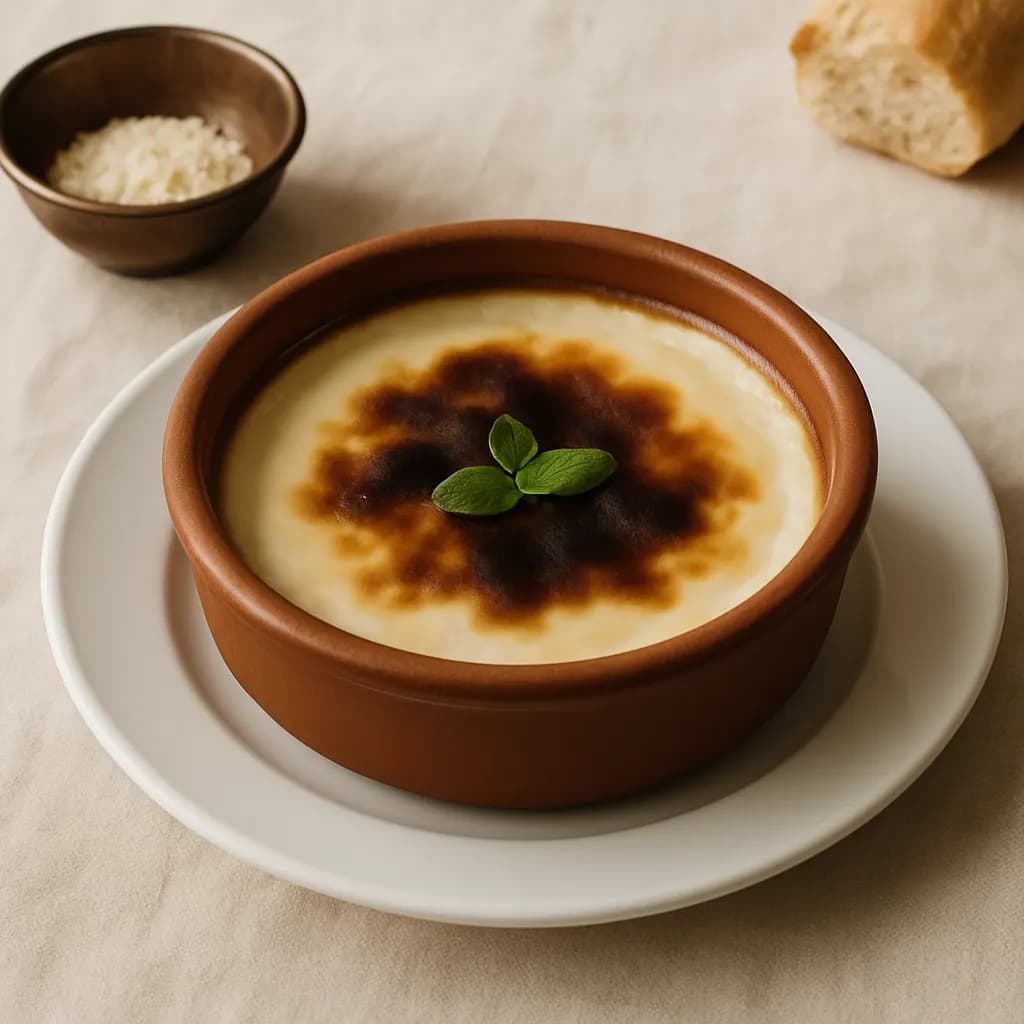
A classic milk dessert made by cooking rice and milk over low heat and then baking in a casserole until the top is browned.
Why this: Sweet → milk-based · Filling → medium
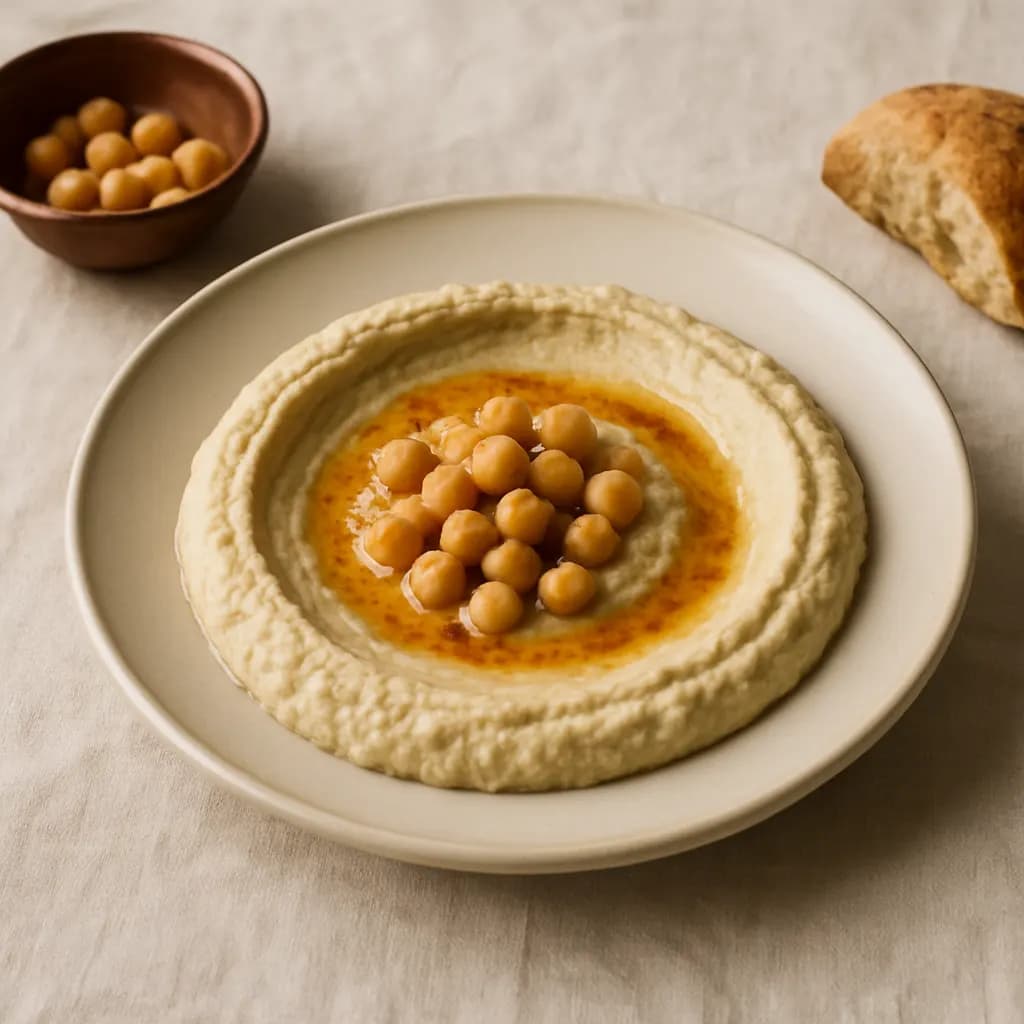
A common family of chickpeas, tahini, and lemon that transcends regional boundaries; in southern Turkey, it is also served warm and with butter.
Why this: Sweet → with tahini · Sour → with lemon · richness, spice
Table balance
- Alongside
- Plain rice or fresh bread rounds the acidity and steadies the plate.
- Afterwards
- After a light main there is room for a syrupy dessert in this meal.
- Easy to miss
- On a meze table balance beats variety: one yogurt-based, one olive-oil, one sharp is enough.
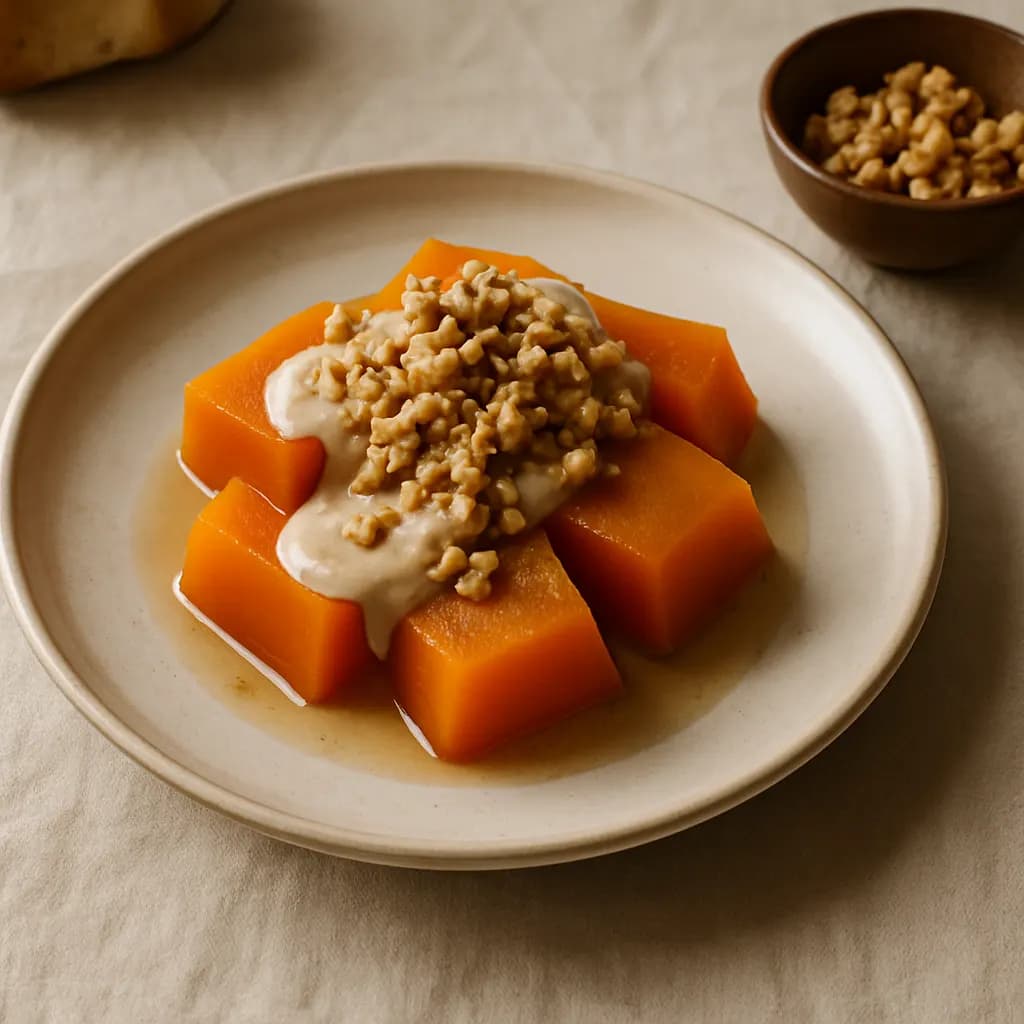
Pumpkin Dessert
in seasonA simple winter dessert made from pumpkin softened in its own juice with sugar; it is commonly served with tahini and walnuts.
Why this: Sweet → with fruit · Sour → with fruit · richness
Table balance
- Alongside
- A spoon of plain clotted cream or unsalted walnut deepens it without adding weight.
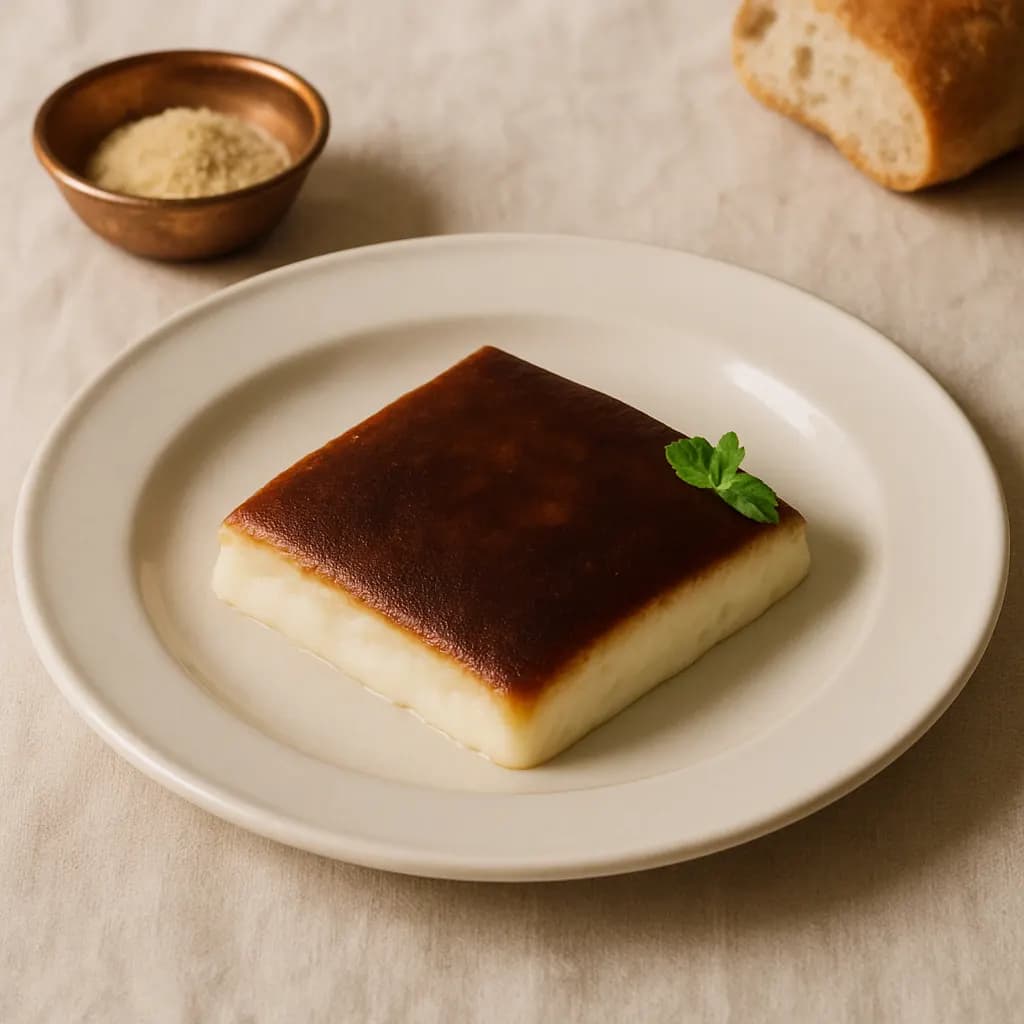
A milk dessert with palace origins, created by intentionally caramelizing the bottom of the pudding; it has evolved from the tradition of chicken breast pudding.
Why this: Sweet → caramelised · Filling → medium
Suggestions are about taste balance, not health or nutrition advice. Scores are derived from each record's own flavour description.