What are you in the mood for in Iğdır?
Tell us what you are craving and we will do the rest. The suggestions shift as you choose, and each one says why it appeared and what balances it at the table.
Pick a craving (You can choose more than one.)
Dietary preference
9 suggestions
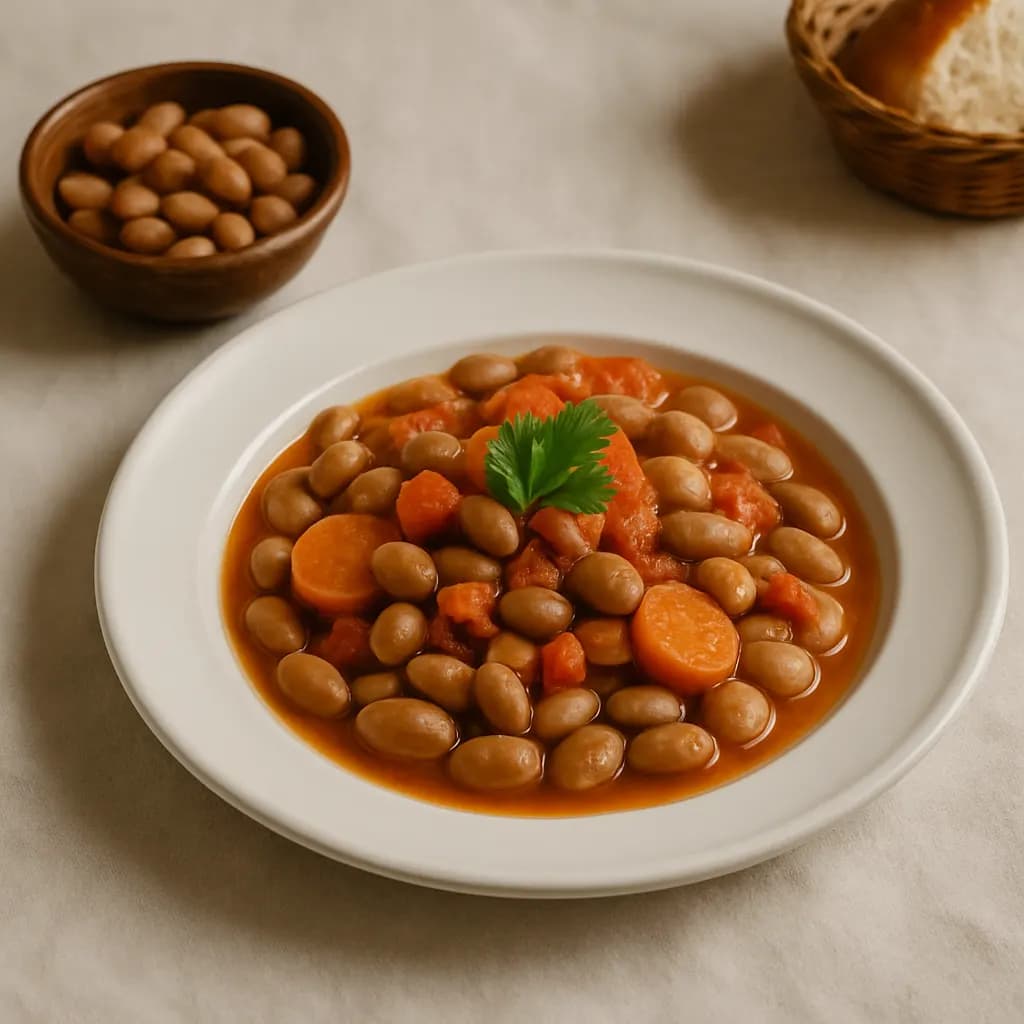
Barbunya Pilaki
in seasonA beloved example of the pilaki tradition, made with fresh or dried kidney beans cooked in olive oil with onions, garlic, carrots, and tomatoes. It is served cold and is a classic of local eateries.
Why this: Filling → medium · richness
Table balance
- Alongside
- A lemon wedge and fresh bread; a heavy meat plate alongside would hide the dish entirely.
- Easy to miss
- Olive-oil dishes are not eaten straight from the fridge; the aroma opens near room temperature.
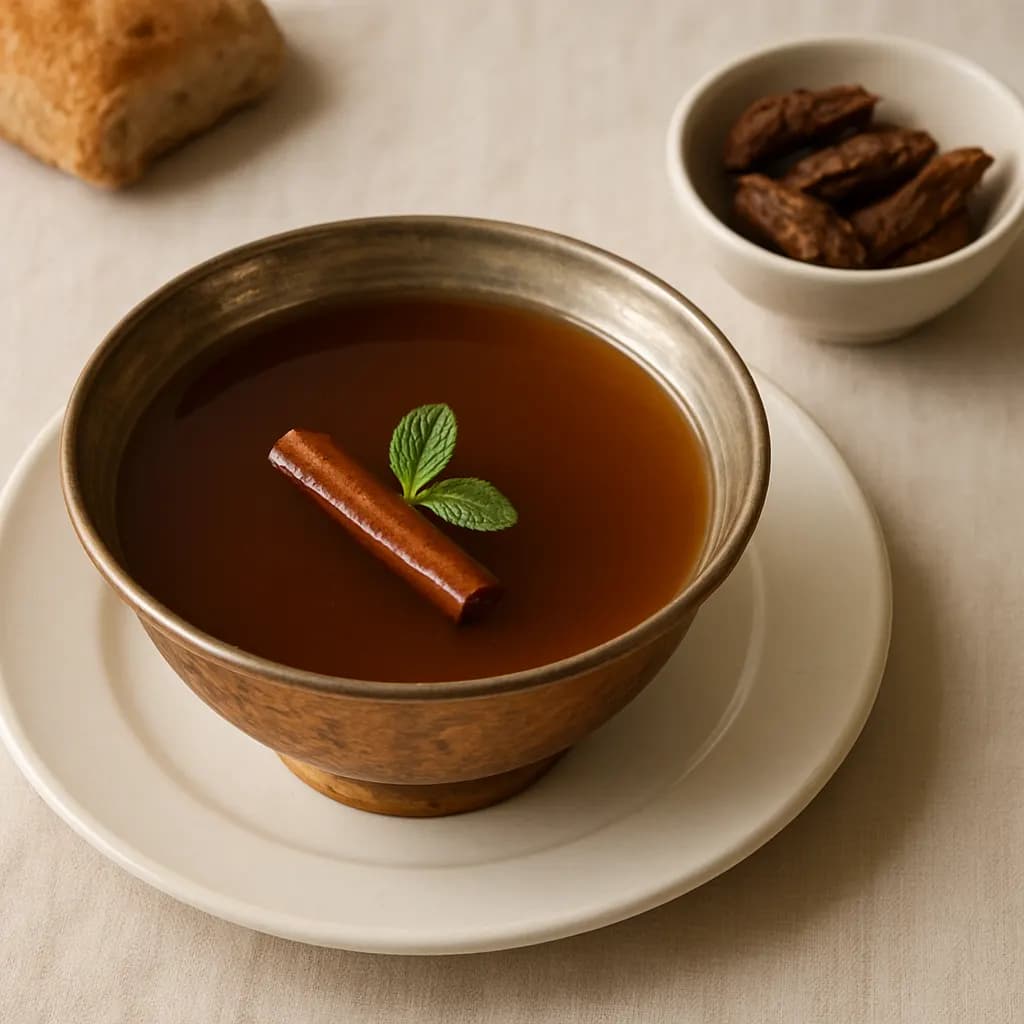
An example of a sherbet where sour fruit is balanced with sugar and measured spices; not every spice mixture is a secret recipe of the palace.
Why this: Spiced → spiced · Refreshing → refreshing · sour
Table balance
- Alongside
- Plain rice or fresh bread rounds the acidity and steadies the plate.
- Afterwards
- After a spice-forward plate, a plain herbal infusion clears the palate. After a light main there is room for a syrupy dessert in this meal.
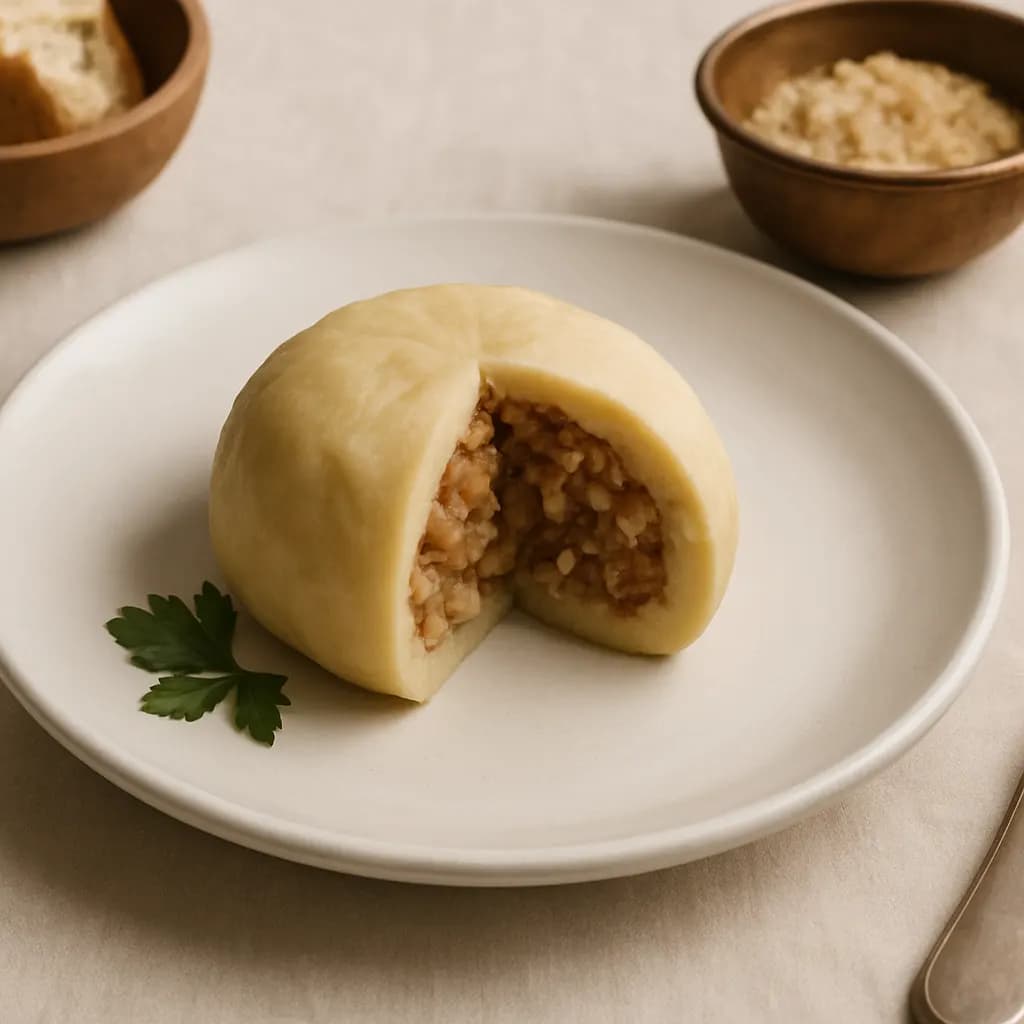
A known example of Istanbul Armenian culinary heritage: a cold appetizer filled with tahini, onions, and spices, encased in chickpea and potato skin.
Why this: Spiced → with onion · Filling → medium · richness
Table balance
- Easy to miss
- On a meze table balance beats variety: one yogurt-based, one olive-oil, one sharp is enough.
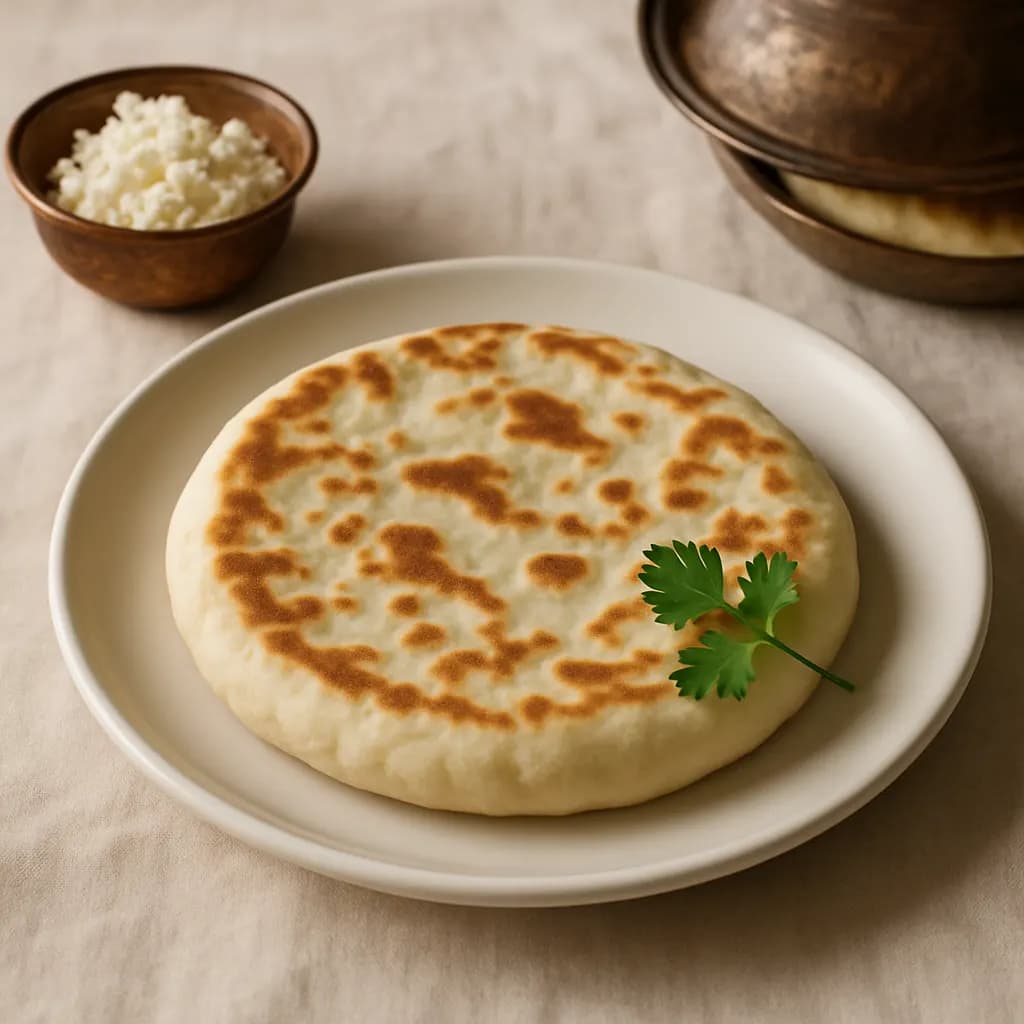
A leavened flatbread that rises in a pan without the need for an oven; it is one of the quickest traditional breads to prepare.
Why this: Spiced → cooked on a sac griddle · Filling → medium
Table balance
- To drink
- Ayran or plain tea; a sweet drink beside pastry brings on fullness sooner.
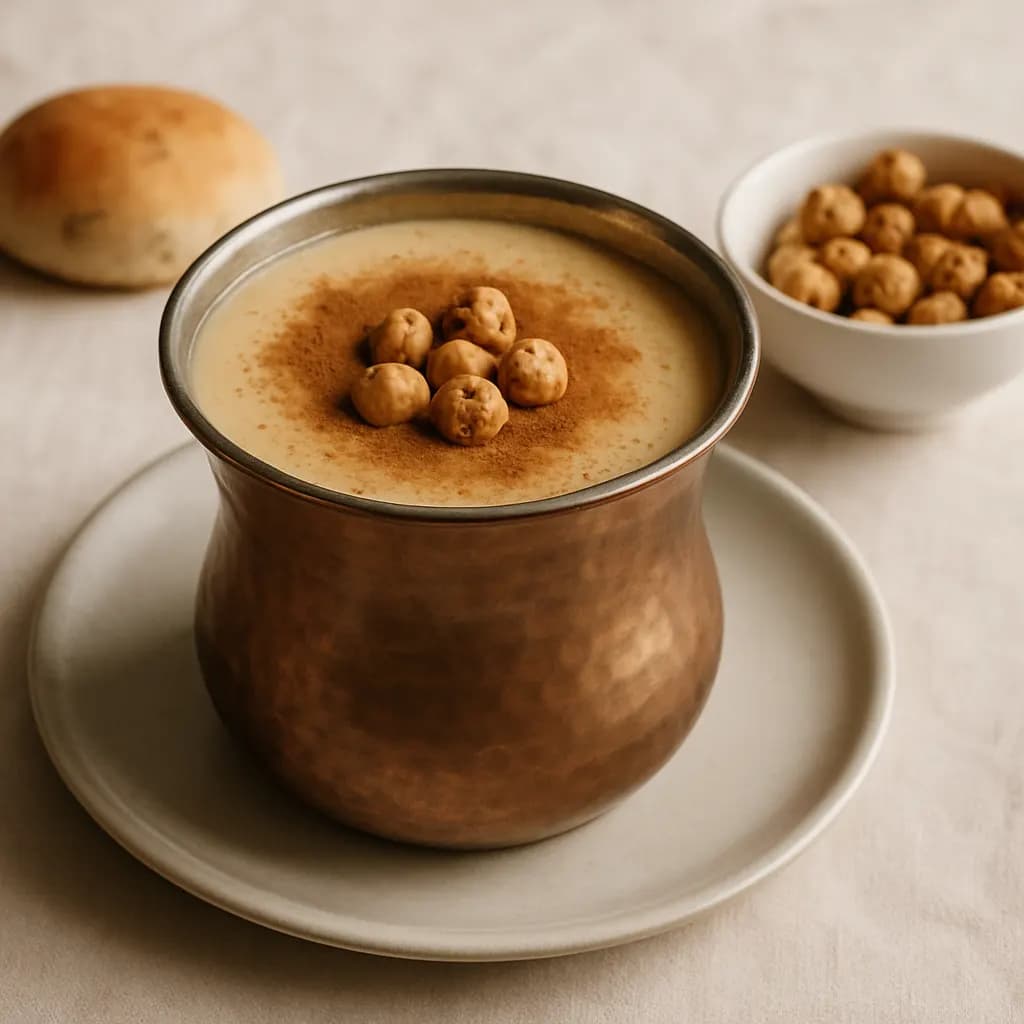
A grain-based, slightly sour fermented winter drink; served with cinnamon and roasted chickpeas on top.
Why this: Filling → medium · sour
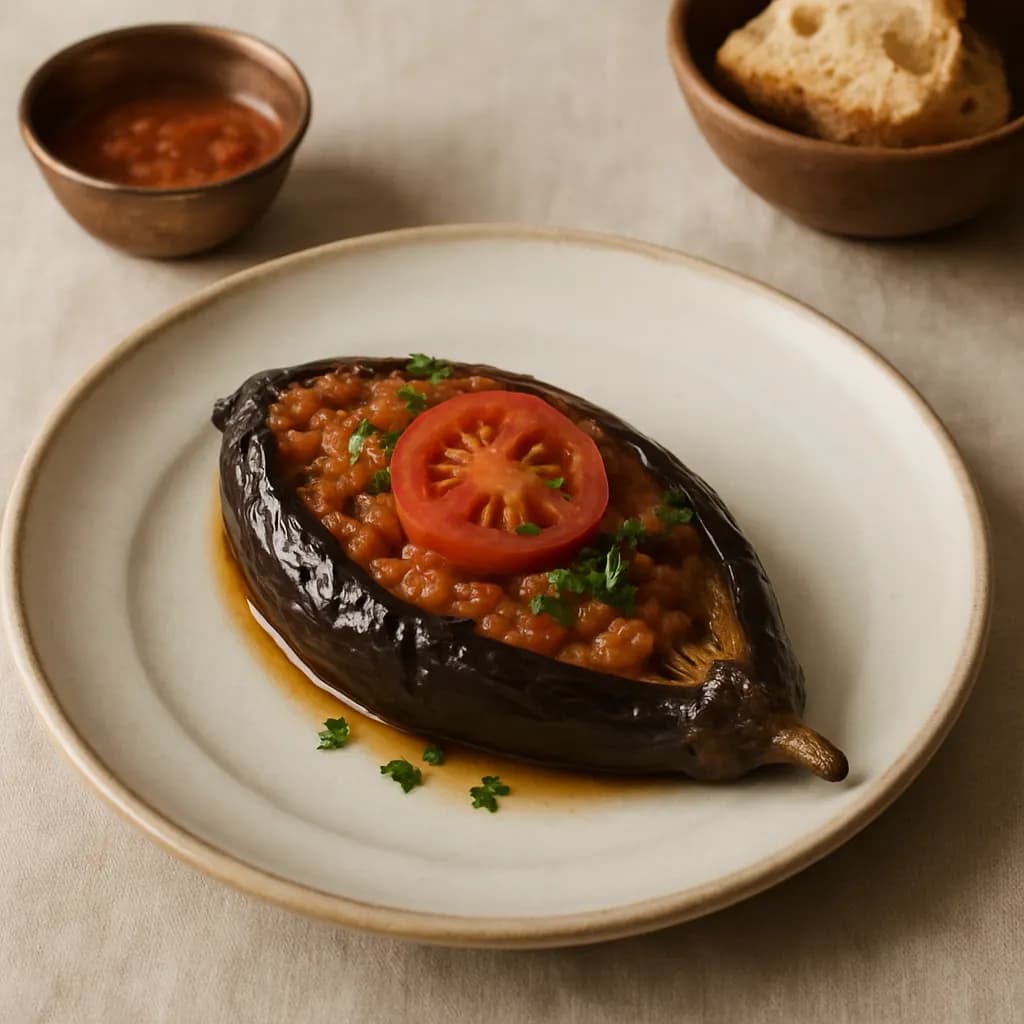
Imam Bayildi
in seasonA classic from Istanbul where eggplant meets onion, tomato, and garlic in olive oil over low heat. It is one of the most well-known representatives of the olive oil tradition and is served cold.
Why this: Spiced → with onion · richness
Table balance
- Alongside
- A lemon wedge and fresh bread; a heavy meat plate alongside would hide the dish entirely.
- Afterwards
- After a light main there is room for a syrupy dessert in this meal.
- Easy to miss
- Olive-oil dishes are not eaten straight from the fridge; the aroma opens near room temperature.
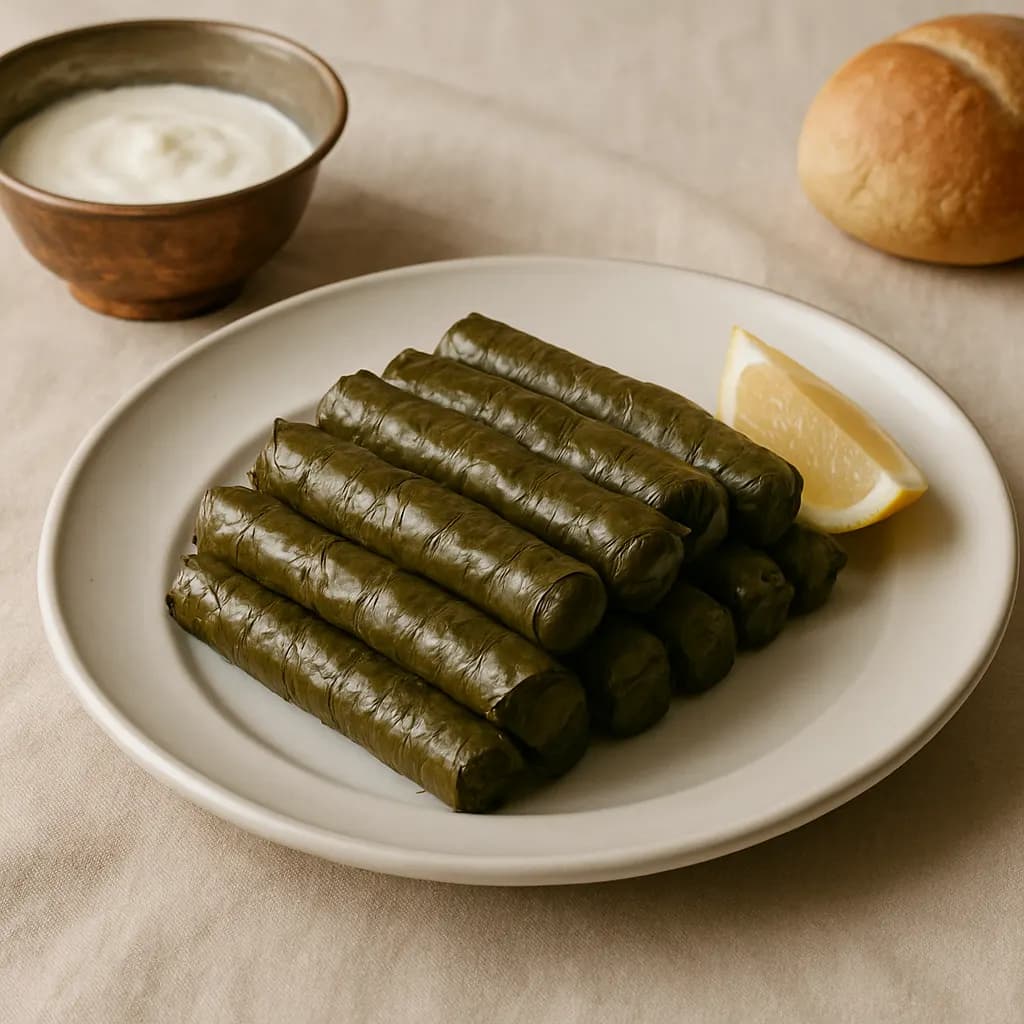
The filling made with finely chopped onion, rice, currants, and pine nuts is wrapped in vine leaves. It is an essential cold olive oil dish on Aegean and Marmara tables.
Why this: Spiced → with cinnamon · sour, richness
Table balance
- Alongside
- A lemon wedge and fresh bread; a heavy meat plate alongside would hide the dish entirely.
- Afterwards
- After a light main there is room for a syrupy dessert in this meal.
- Easy to miss
- Olive-oil dishes are not eaten straight from the fridge; the aroma opens near room temperature.
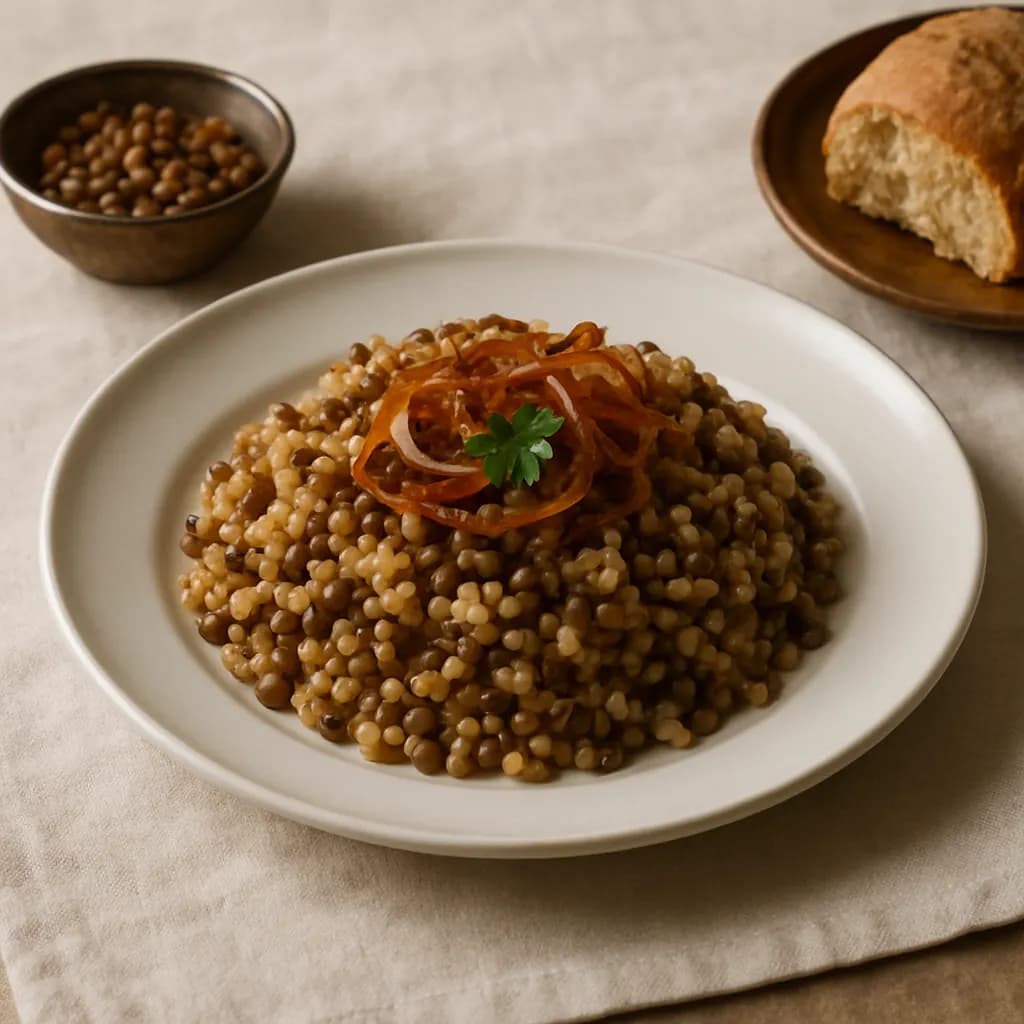
A combination of lentils, grains, and roasted onions; a hearty, meatless rice dish from the Southeast region.
Why this: Spiced → with onion · Filling → medium
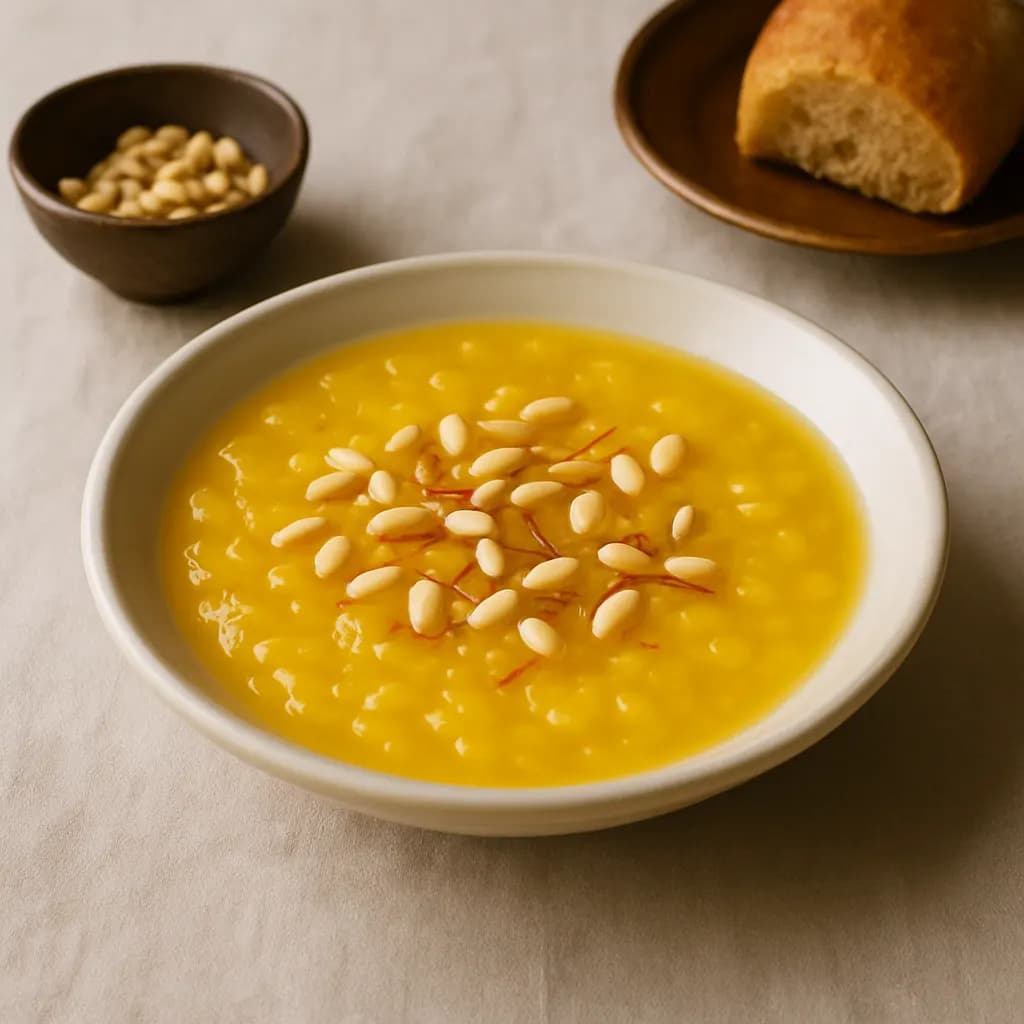
A rice pudding sweetened with syrup and colored with saffron; a historical member of wedding and religious feast tables.
Why this: Spiced → with saffron · Refreshing → light · sweet
Suggestions are about taste balance, not health or nutrition advice. Scores are derived from each record's own flavour description.