GustoMesh
Sofra hazırlanıyor…
GustoMesh
Sofra hazırlanıyor…
Interface in English — venue and dish content is currently in Turkish. Full translation is on the way.
Tell us what you are craving and we will do the rest. The suggestions shift as you choose, and each one says why it appeared and what balances it at the table.
Pick a craving (You can choose more than one.)
Dietary preference
Light and filling pull against each other: the results favour mid-weight records that answer both.
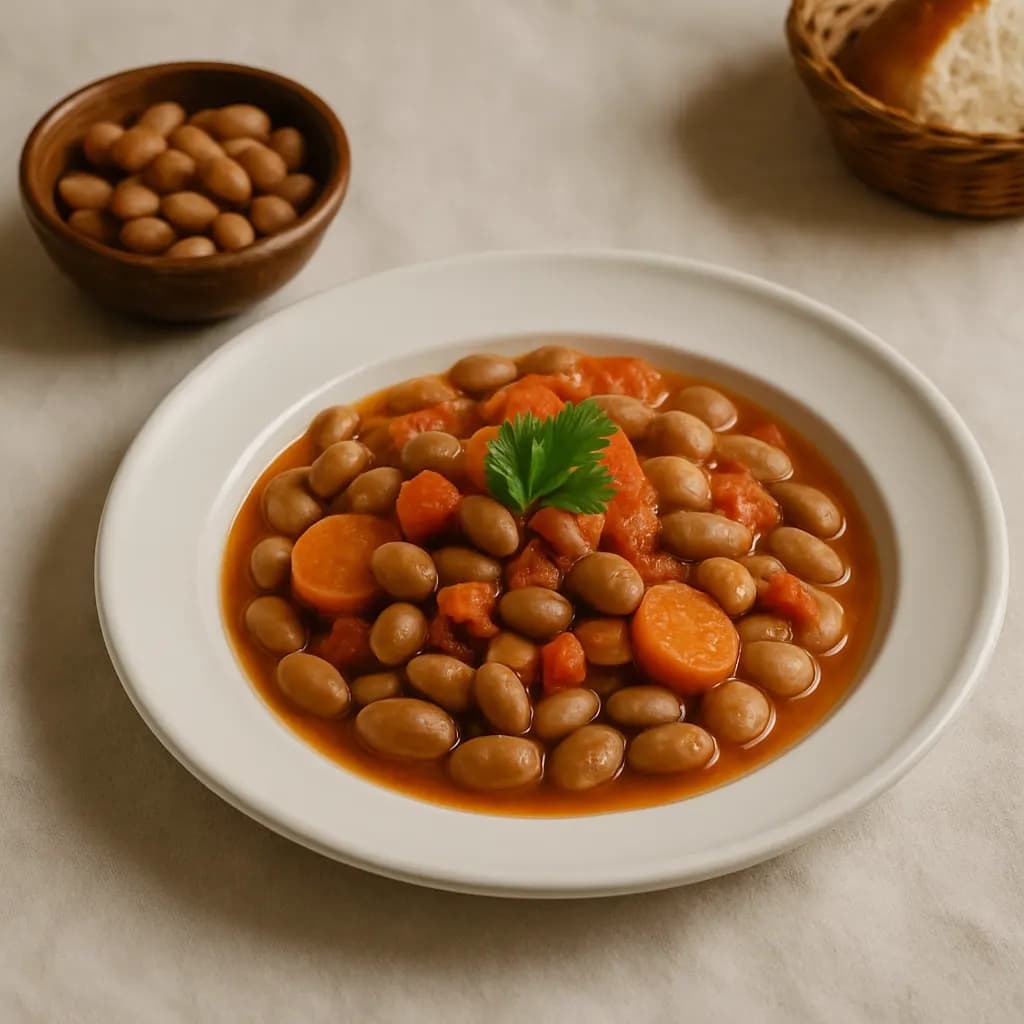
A beloved example of the pilaki tradition, made with fresh or dried kidney beans cooked in olive oil with onions, garlic, carrots, and tomatoes. It is served cold and is a classic of local eateries.
Why this: Filling → orta ağırlık · richness
Table balance
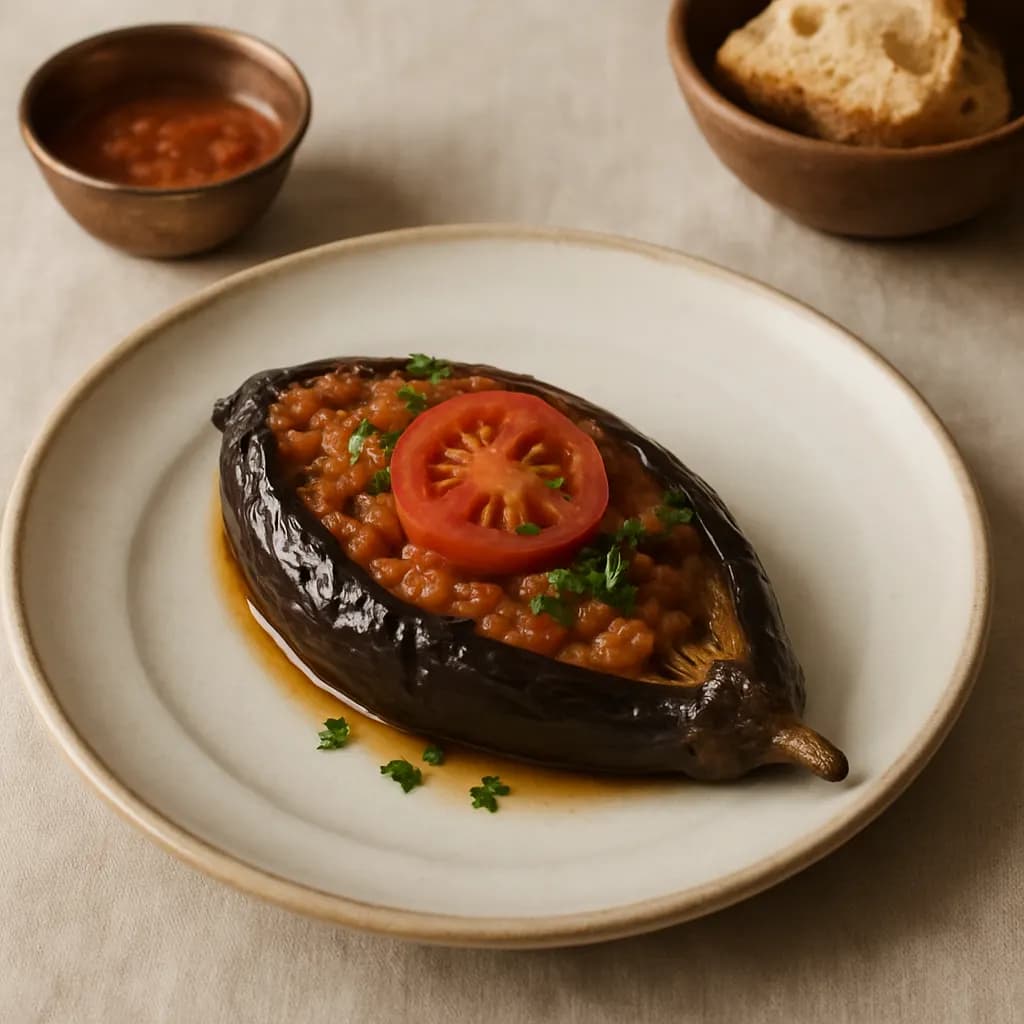
A classic from Istanbul where eggplant meets onion, tomato, and garlic in olive oil over low heat. It is one of the most well-known representatives of the olive oil tradition and is served cold.
Why this: Light → hafif · richness
Suggestions are about taste balance, not health or nutrition advice. Scores are derived from each record's own flavour description.
Table balance
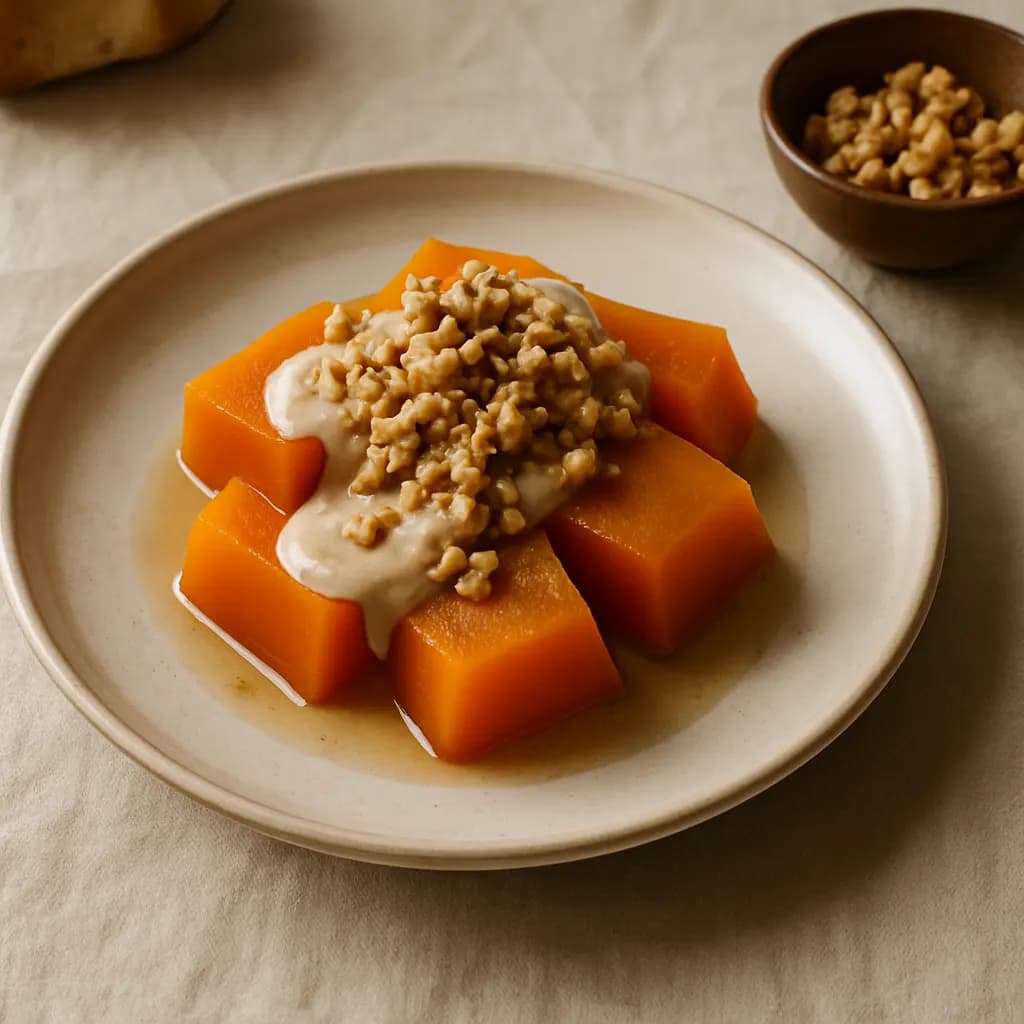
A simple winter dessert made from pumpkin softened in its own juice with sugar; it is commonly served with tahini and walnuts.
Why this: Light → hafif · sweet, richness
Table balance
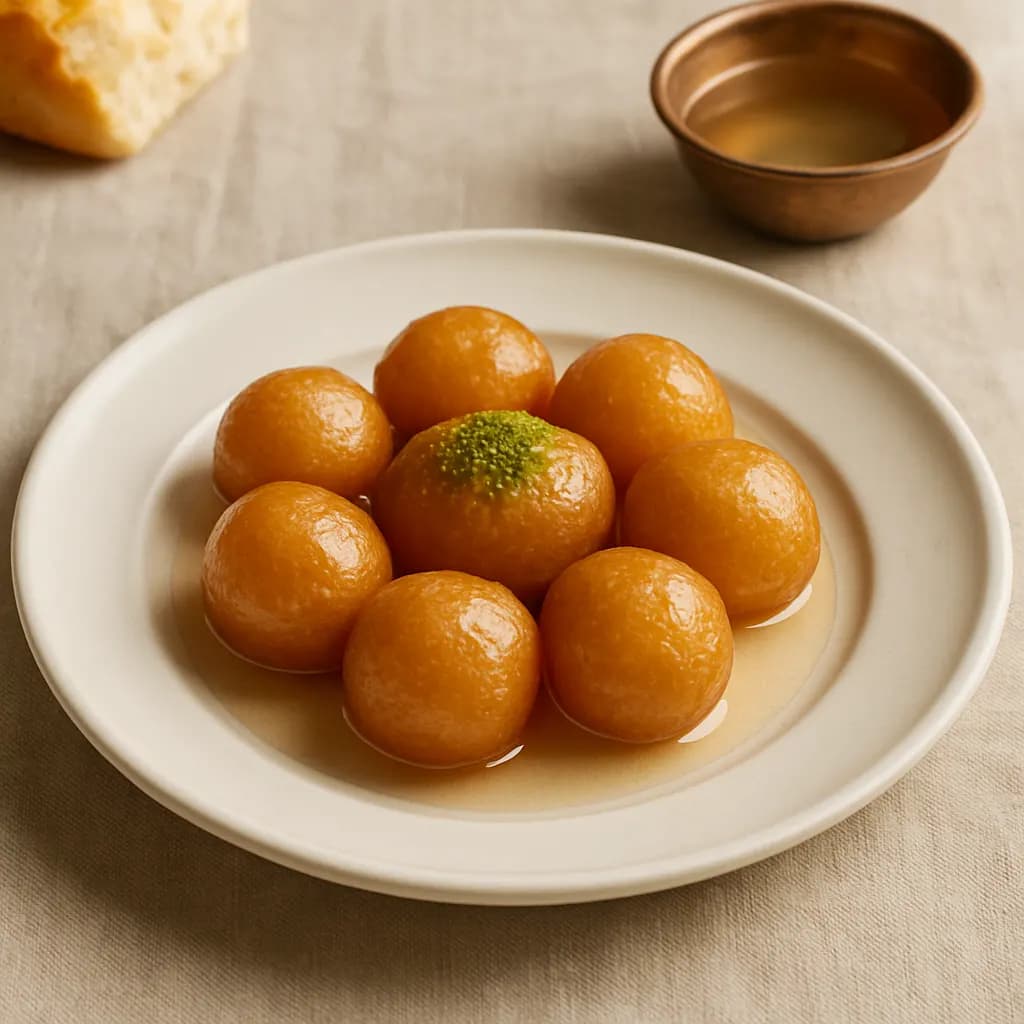
A sweet made of fried dough balls soaked in syrup; a street tradition in Izmir.
Why this: Filling → orta ağırlık · sweet, richness
Table balance
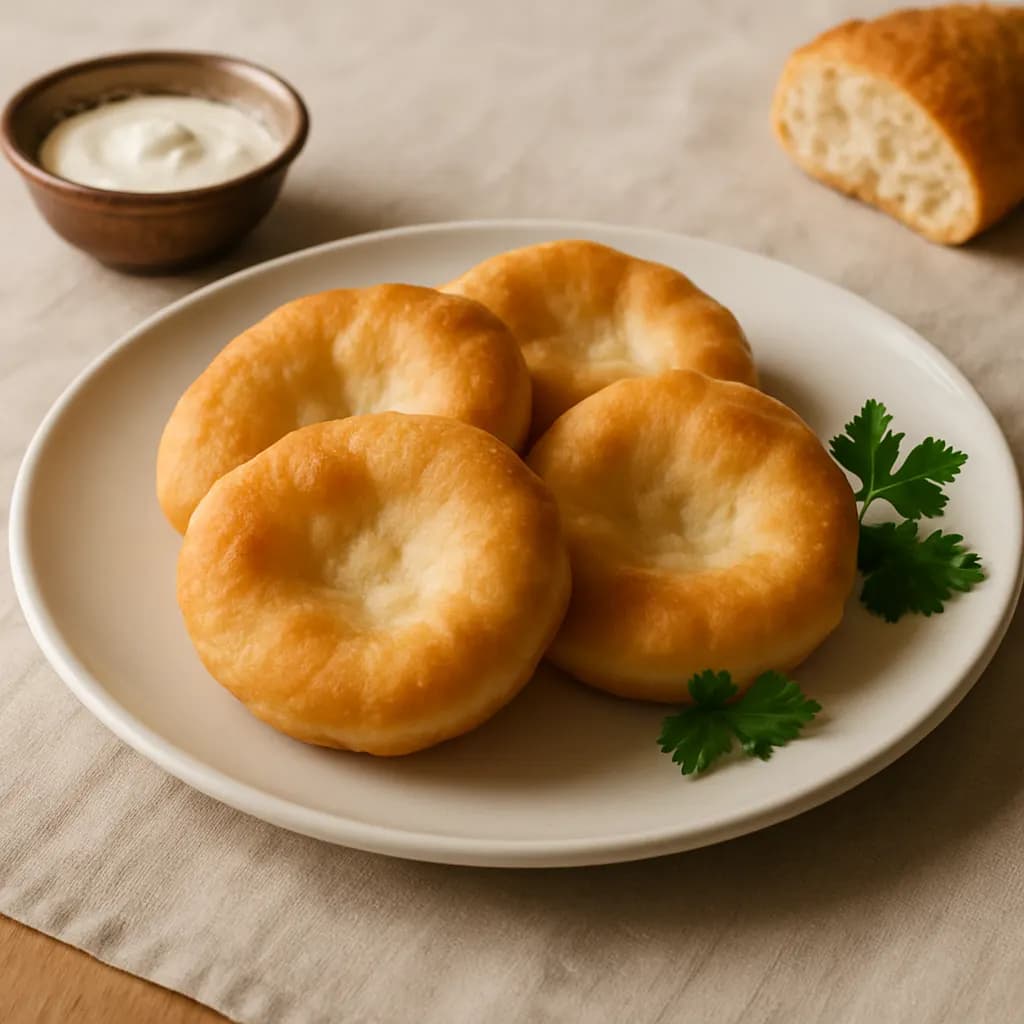
A fried dough made from yeast dough that puffs up in hot oil, commonly served at shared breakfast and snack tables.
Why this: Filling → orta ağırlık · richness
Table balance
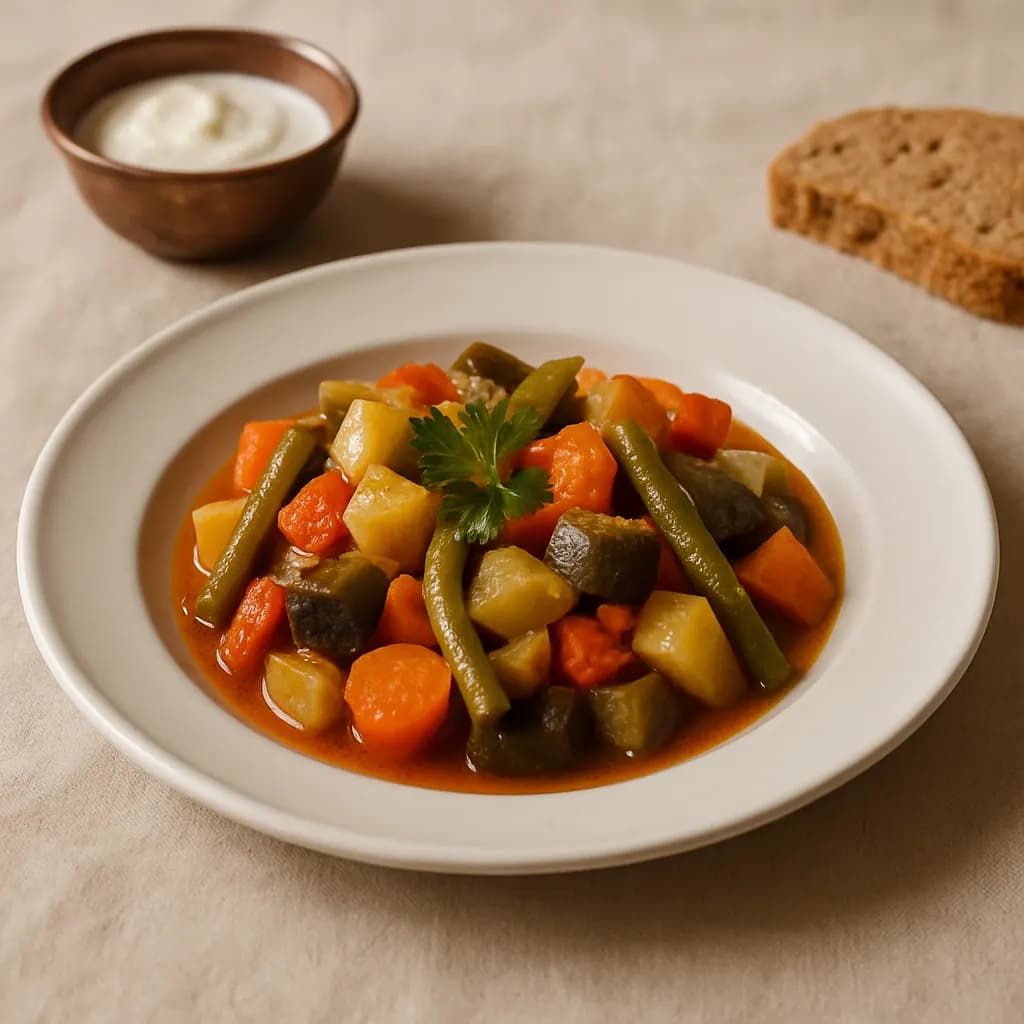
A home-cooked approach where seasonal vegetables are added and cooked in a single pot one at a time; adding all vegetables to the pot at once does not yield good results.
Why this: Light → hafif · richness
Table balance
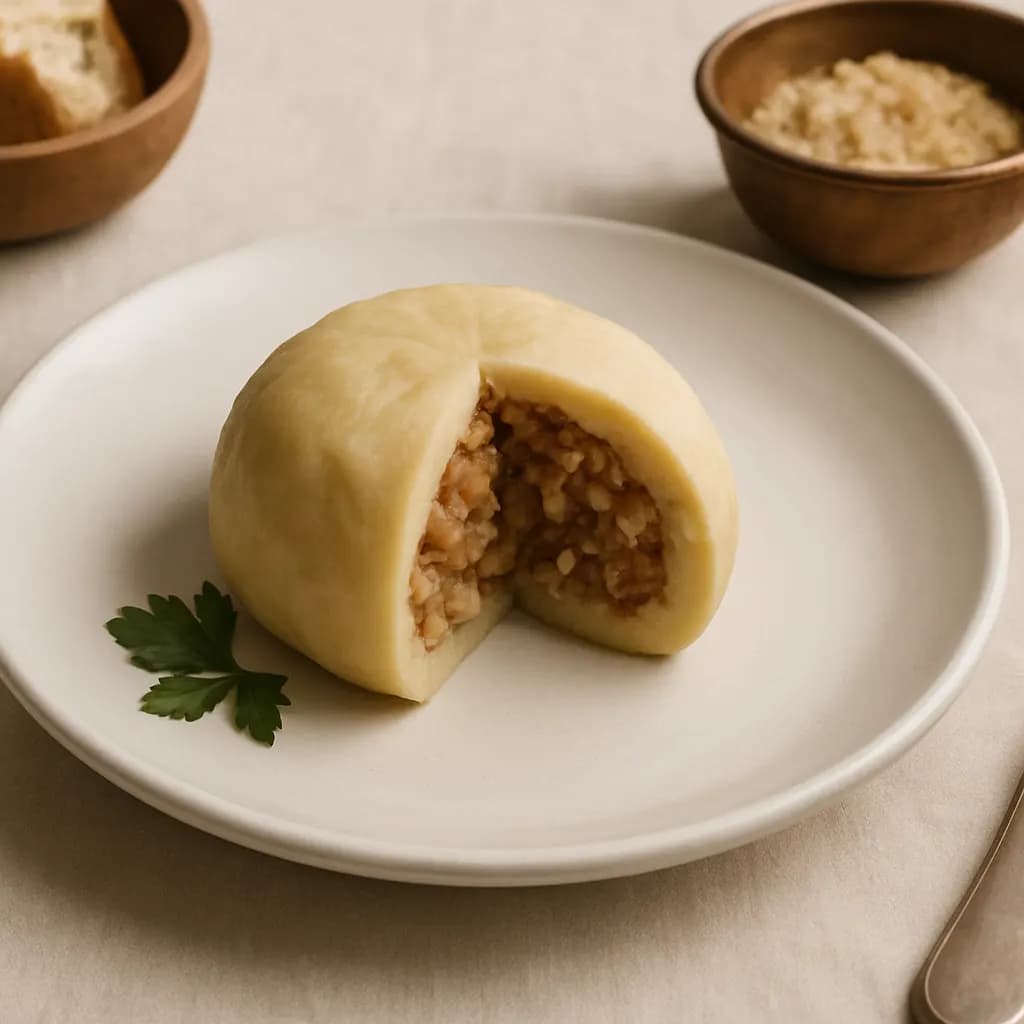
A known example of Istanbul Armenian culinary heritage: a cold appetizer filled with tahini, onions, and spices, encased in chickpea and potato skin.
Why this: Filling → orta ağırlık · richness, spice
Table balance
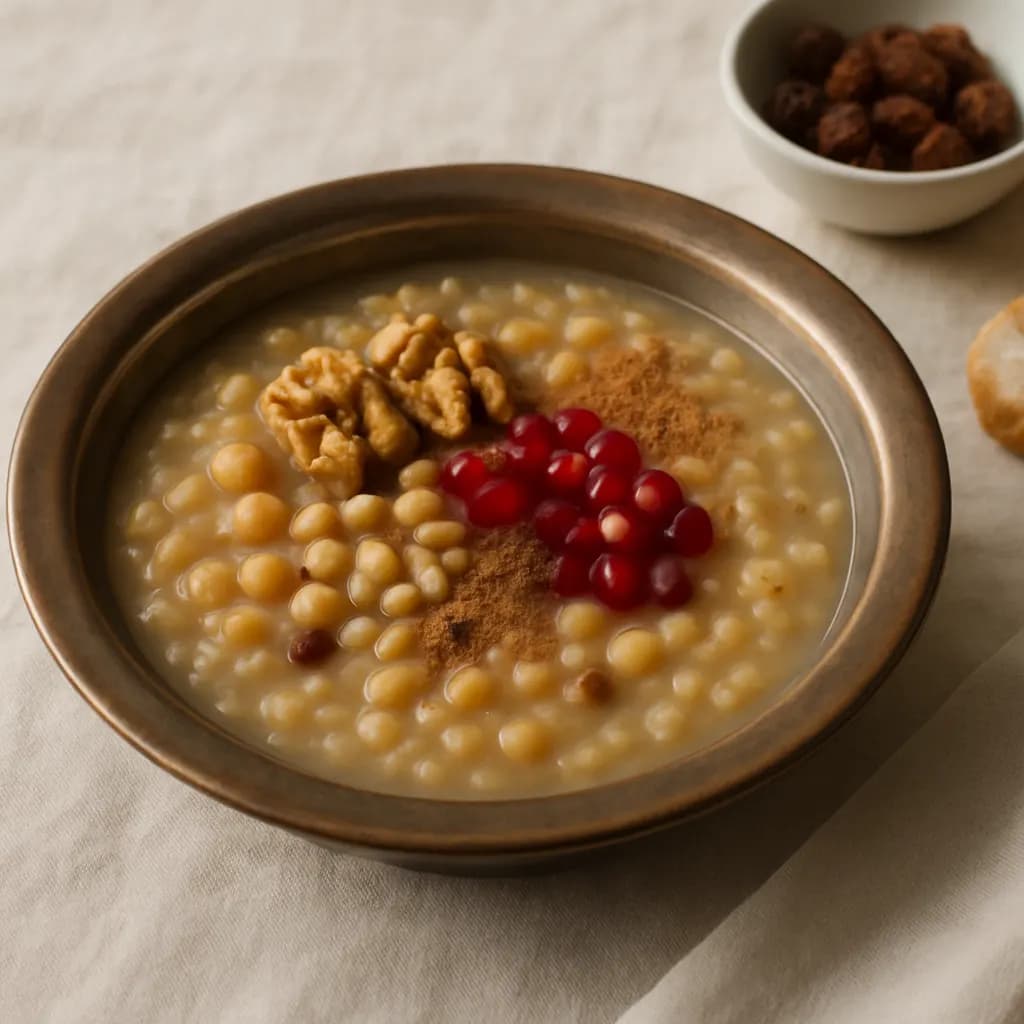
A ceremonial dessert made by cooking together wheat, legumes, and dried fruits, shared with neighbors. It symbolizes abundance and sharing, closely associated with the month of Muharram.
Why this: Filling → orta ağırlık · sweet
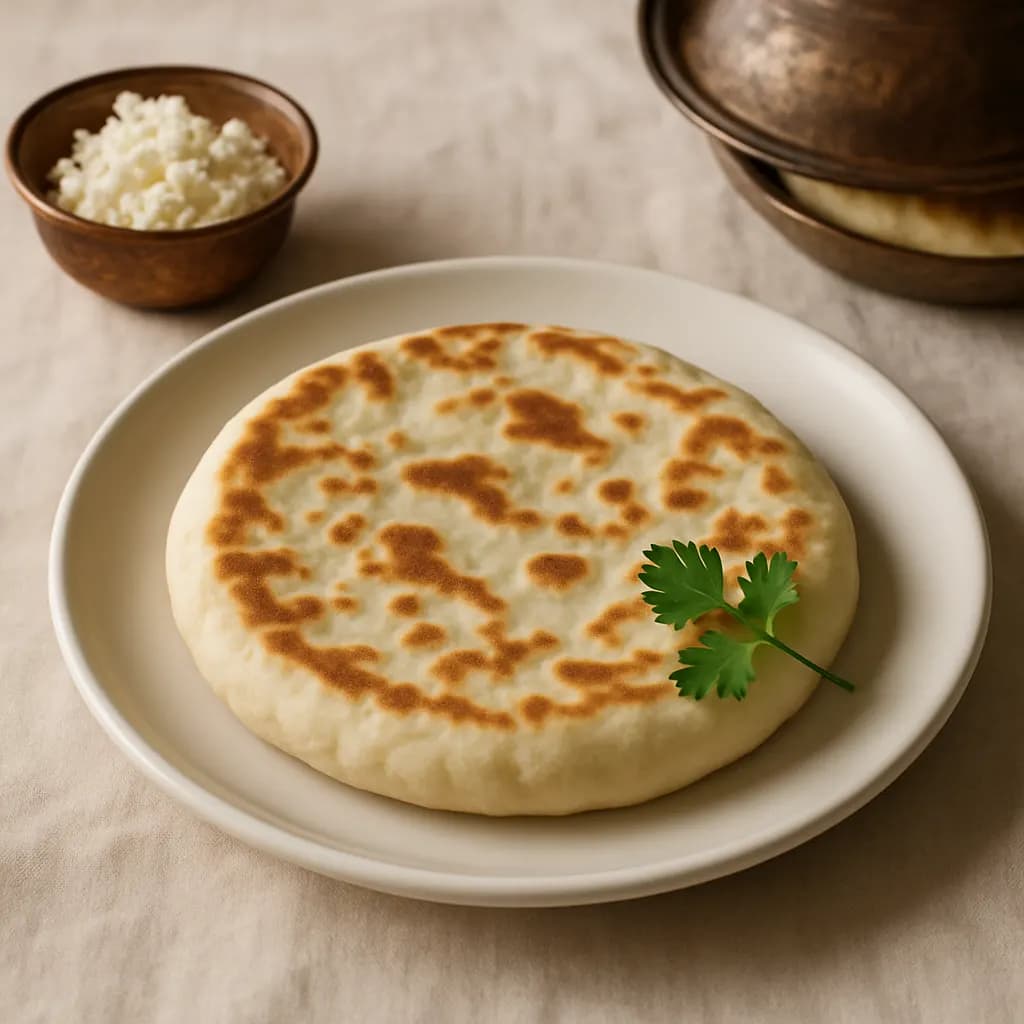
A leavened flatbread that rises in a pan without the need for an oven; it is one of the quickest traditional breads to prepare.
Why this: Filling → orta ağırlık
Table balance