What to eat in Isparta
Mediterranean cooking joins the coast to the mountain: citrus, olive oil and fish on one side, the dairy, meat and grain tradition of the Taurus highlands on the other. Moving east, hot pepper, pomegranate molasses and green spice come forward; the Adana–Hatay line sets its own measure of seasoning.
The Atlas does not yet hold a dish record of its own identified with Isparta; the records below come from the cuisine of Mediterranean. The directory holds 8 real venue records; the districts carrying the most records are: Merkez, Keçiborlu.
8 real venue records — browse with filters
From the cuisine of Mediterranean
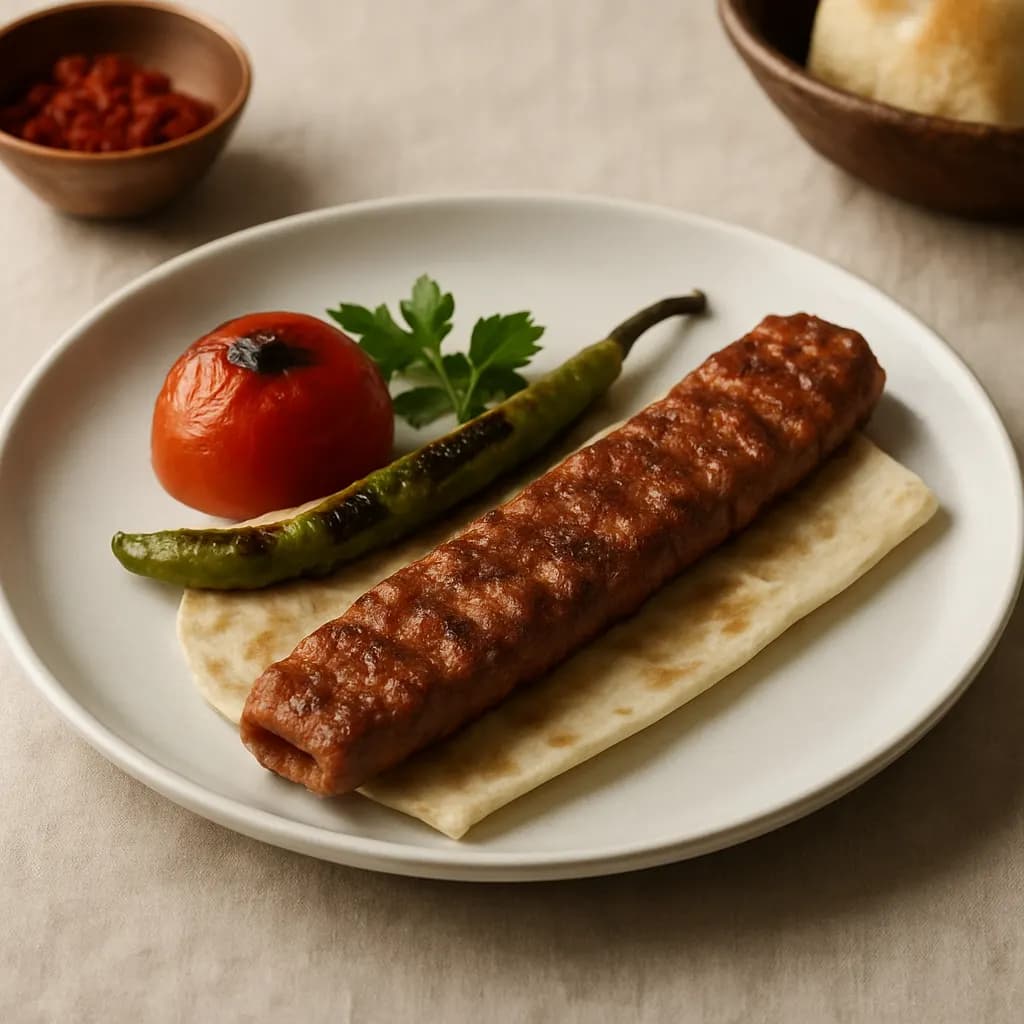
Adana Kebab
A classic from Adana, made with minced lamb mixed with hot pepper, grilled on a large skewer over charcoal. Served with roasted vegetables and flatbread.
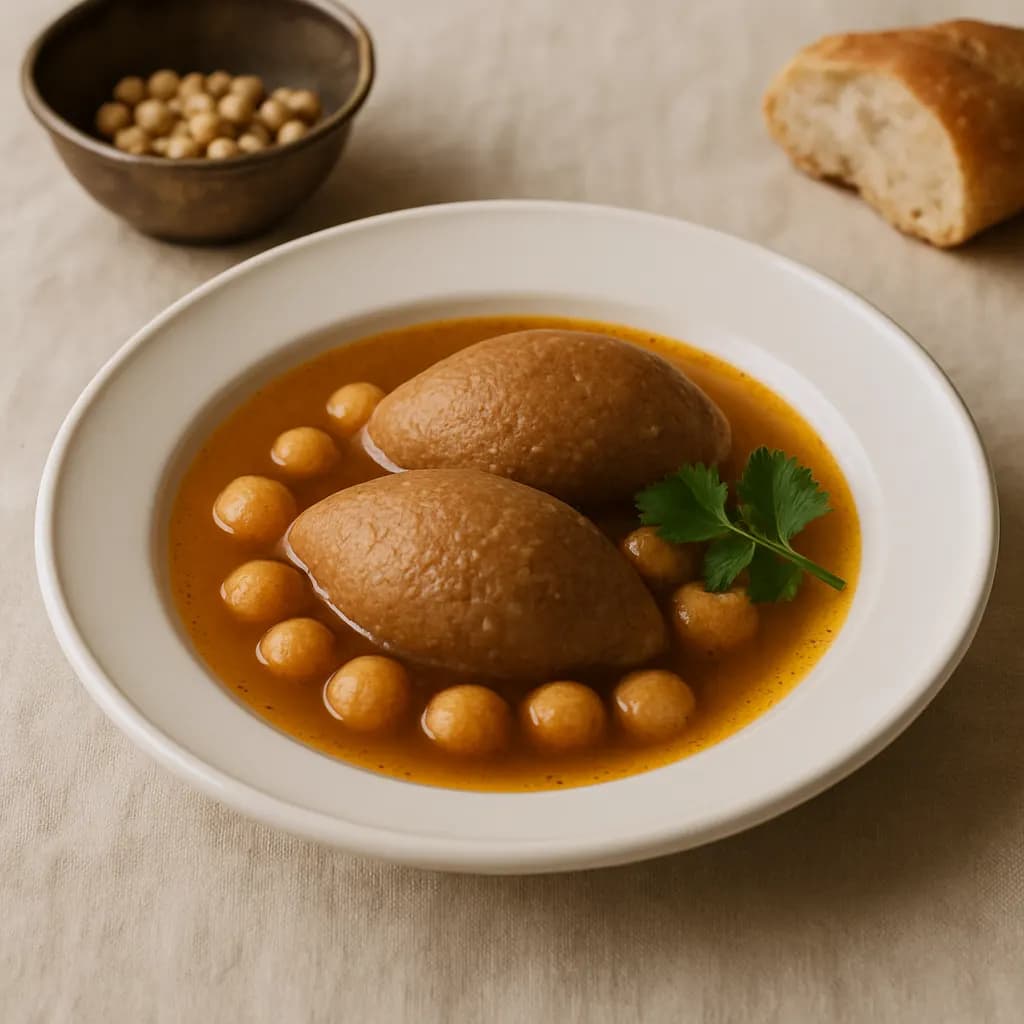
Analı Kızlı
A hearty Southern classic where large stuffed meatballs meet small bulgur meatballs in a sour broth; the name comes from the two types of meatballs.
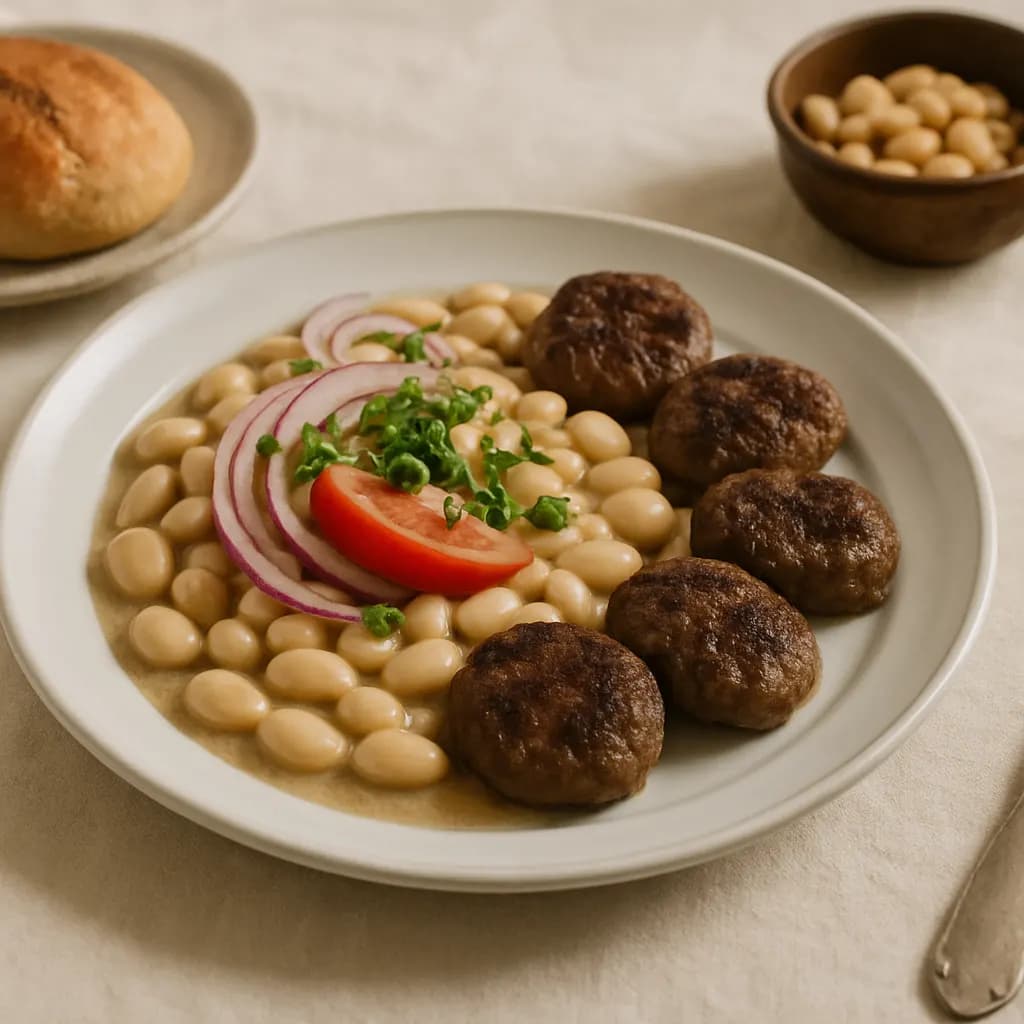
Antalya Piyaz
A regional variation of piyaz where white beans are combined with tahini, distinct from the classic version. It is a traditional lunch dish served with meatballs in the area.
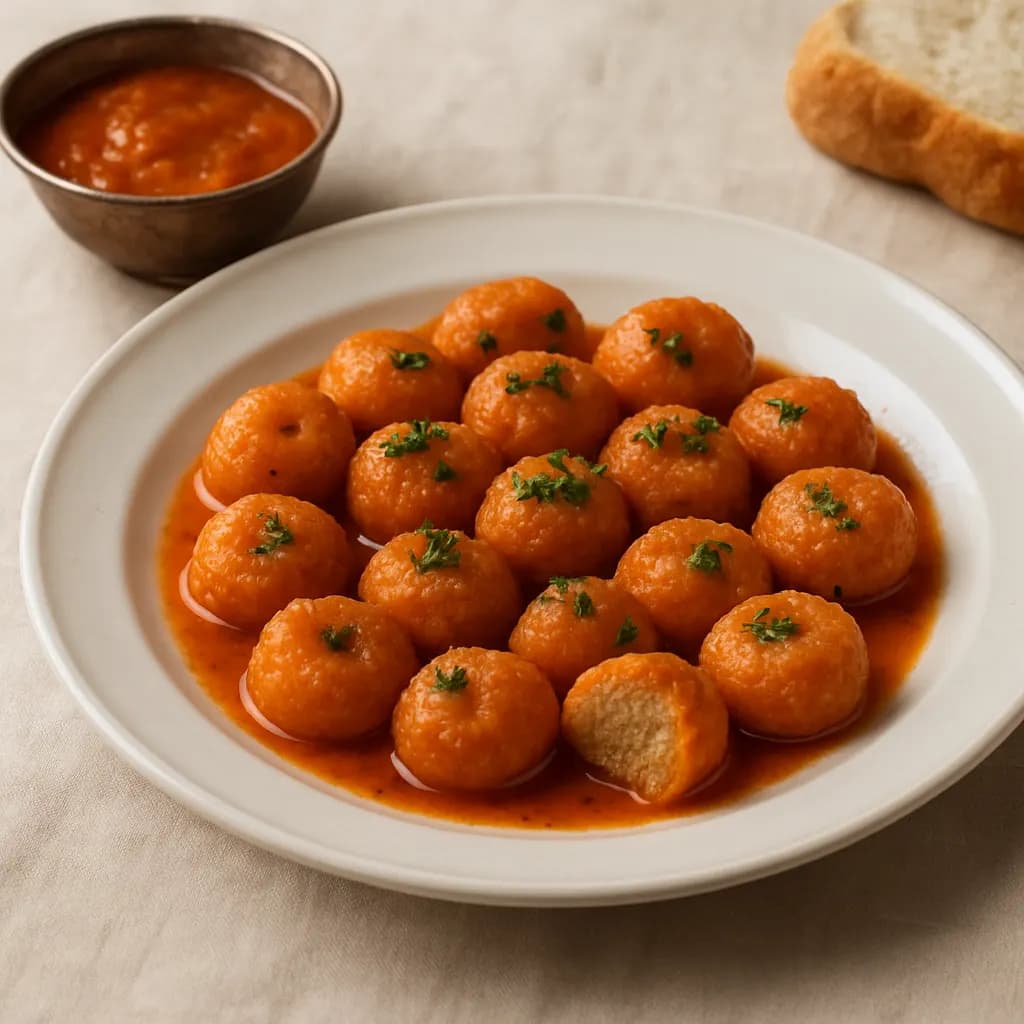
Fellah Kofte
A Mediterranean dish made of bulgur meatballs complemented with a garlic and tangy tomato sauce, without meat.
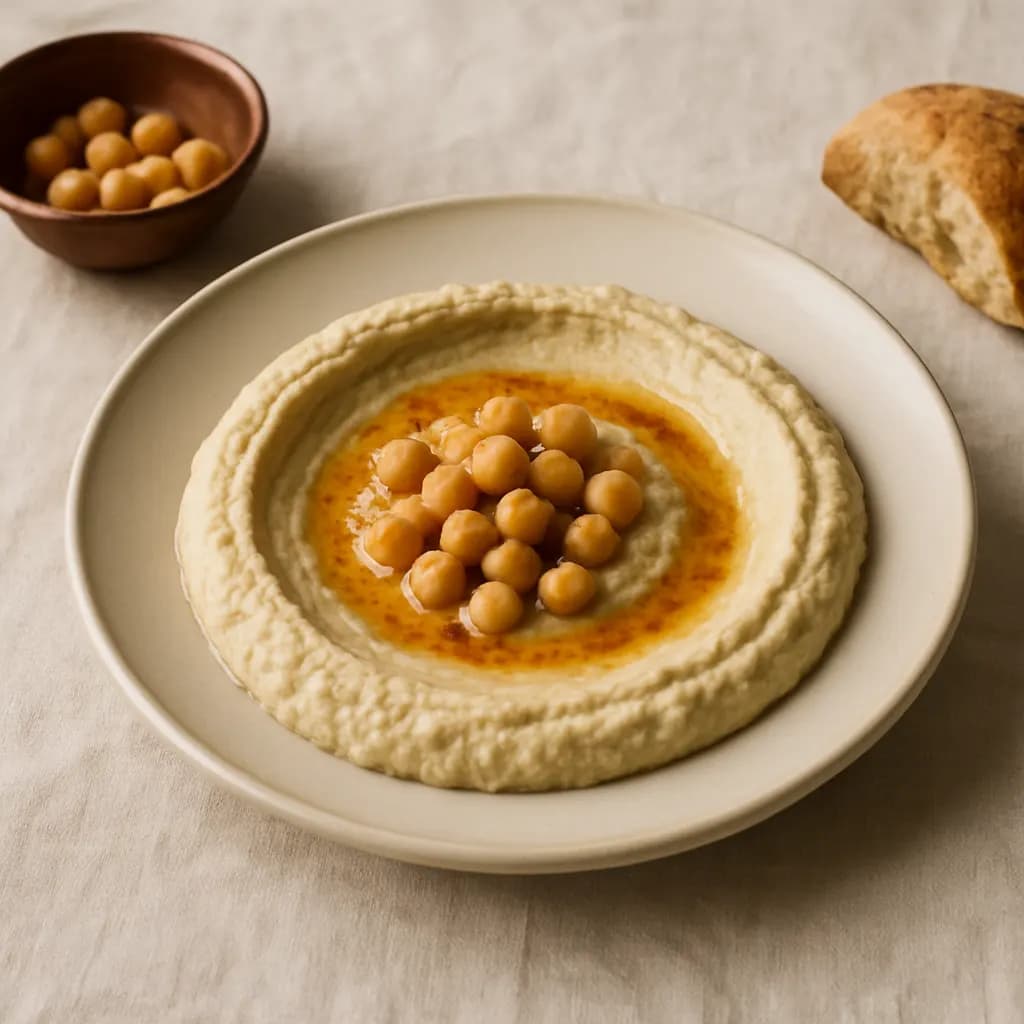
Hummus
A common family of chickpeas, tahini, and lemon that transcends regional boundaries; in southern Turkey, it is also served warm and with butter.
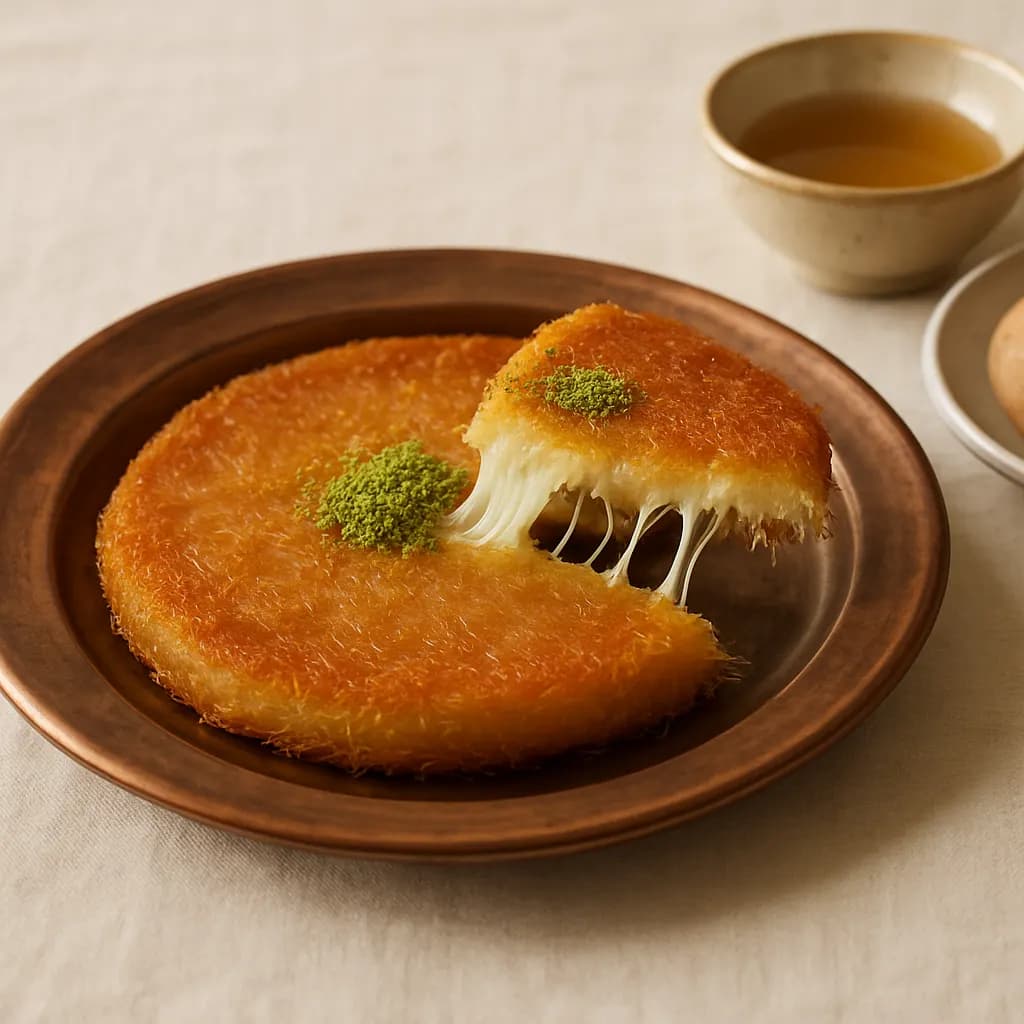
Künefe
A classic from Hatay and Southeastern Turkey, made by placing unsalted fresh cheese between strands of shredded pastry, fried on both sides and served with hot syrup. The stretching of the cheese is a testament to skill.
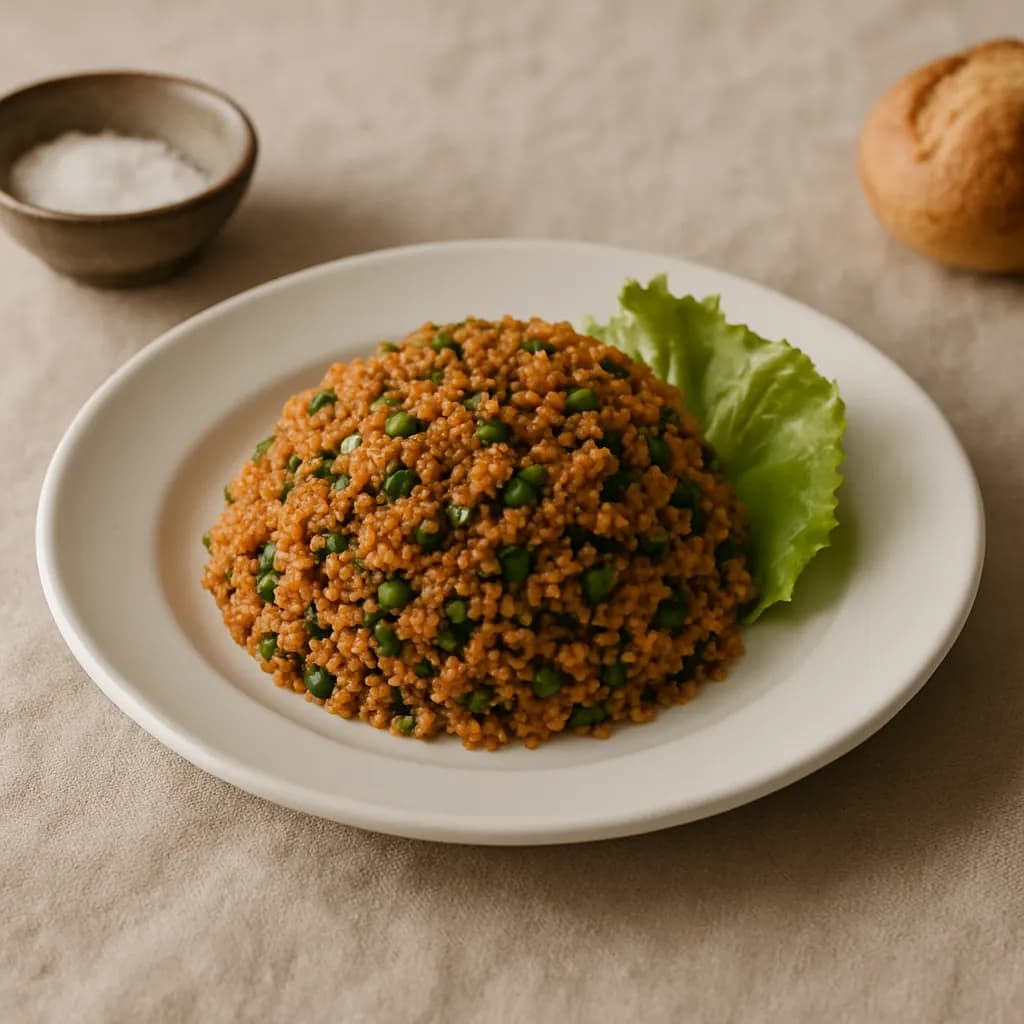
Kısır
A table dish made with fine bulgur mixed with tomato paste, sourness, and greens; it should not be considered as small as a salad.
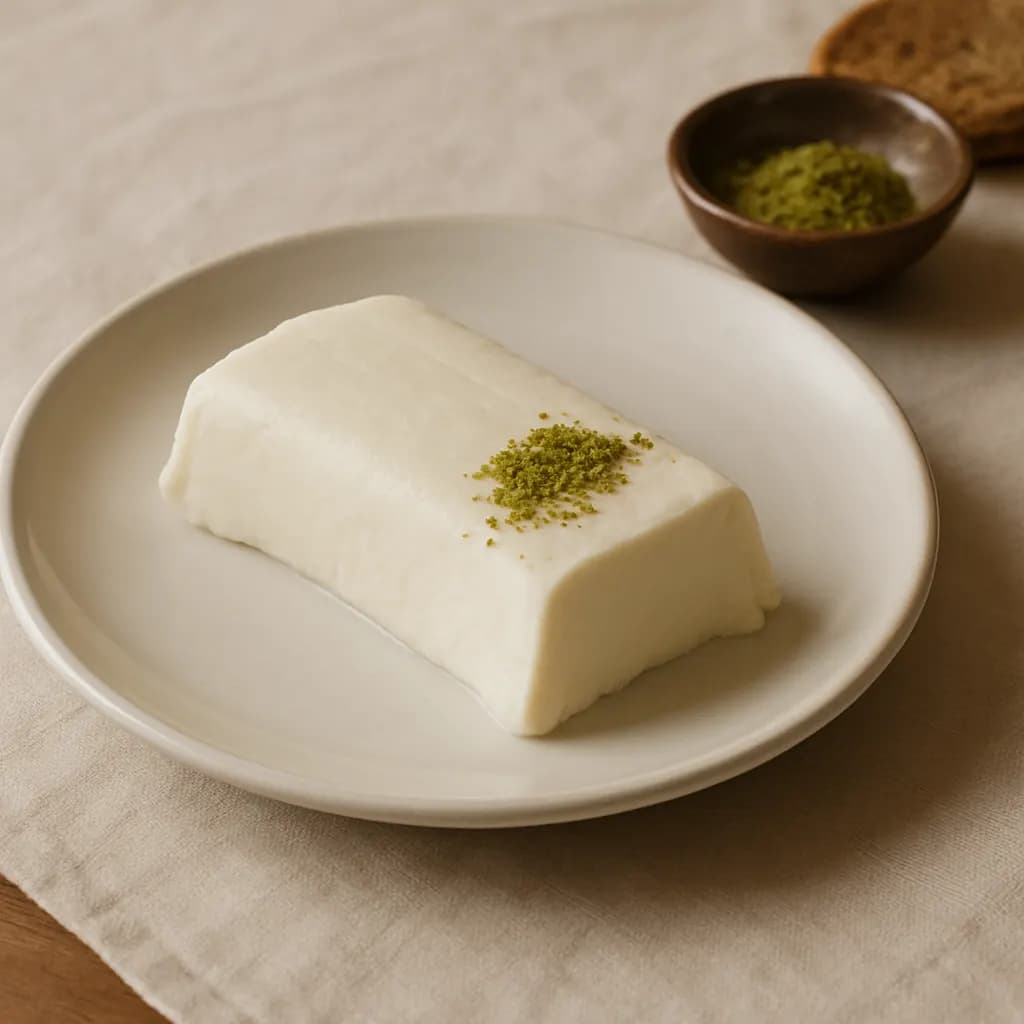
Maraş Ice Cream
A certified heritage of Kahramanmaraş, characterized by a stretchy texture achieved by beating milk and salep; it can be cut with a knife.
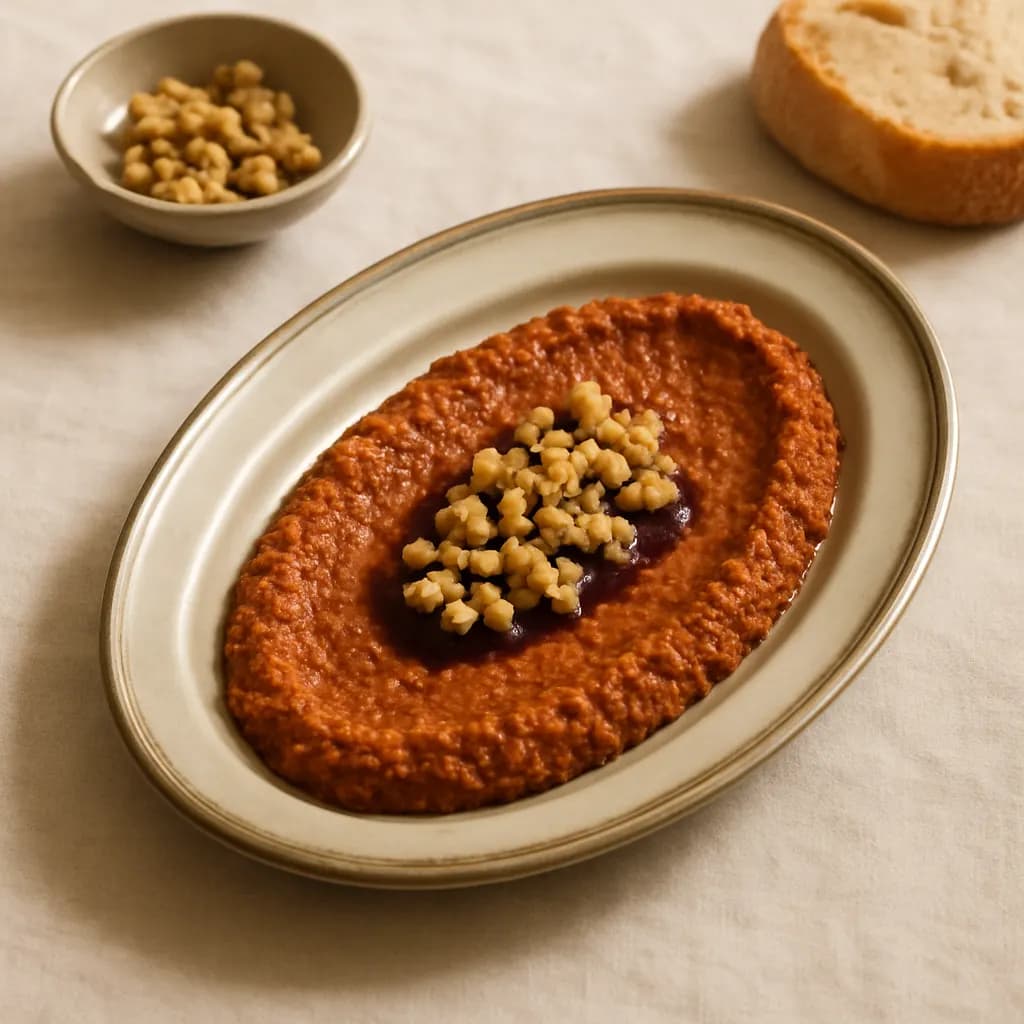
Muhammara
A thick mezze from Hatay-Aleppo made with walnuts, pepper paste, and bread crumbs; it is a close relative of the breakfast spread acuka.
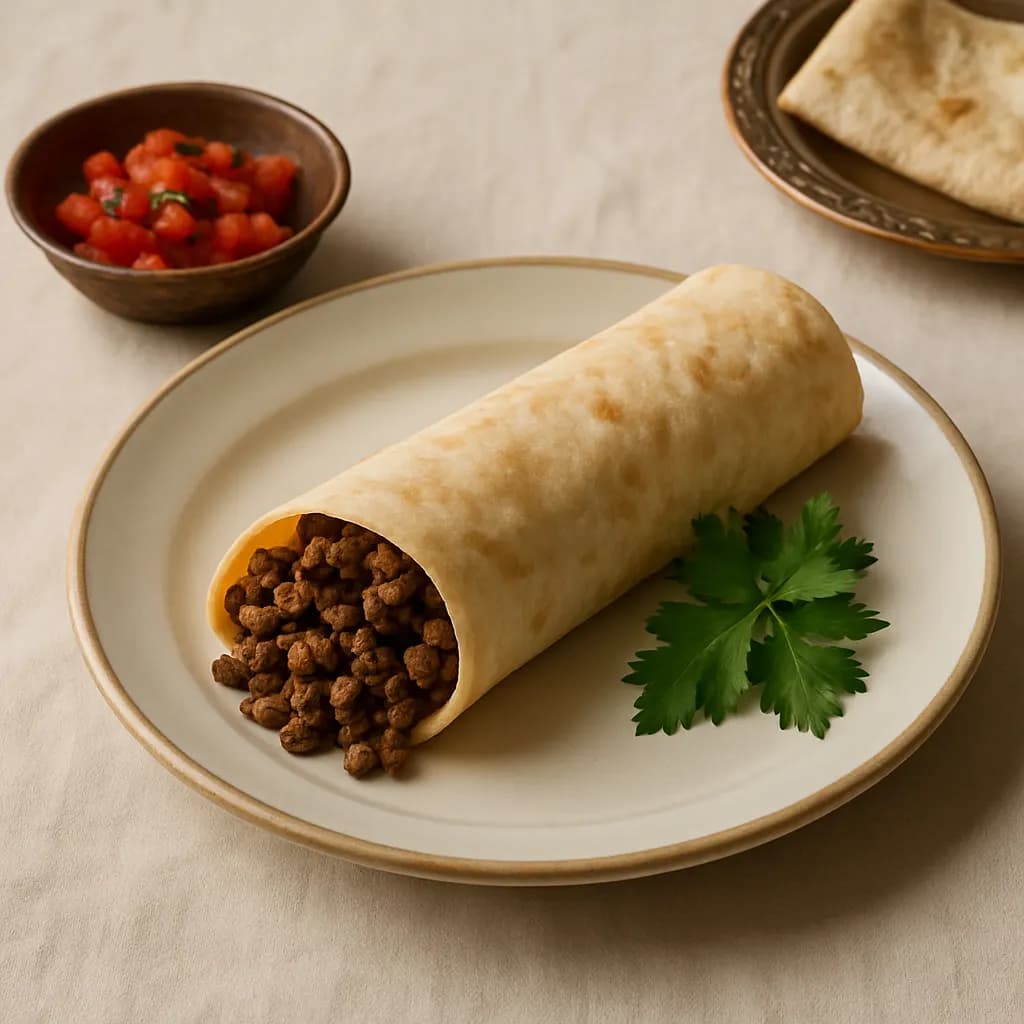
Tantuni
Originating from Mersin; finely chopped meat quickly stir-fried on a griddle and wrapped in lavash. The heat of the oil and griddle sets the rhythm of street food flavor.
How it is eaten, how it is ordered
- Why is baklava never kept in the fridge?
In the cold the butter solidifies, the syrup crystallises and the pastry draws moisture and loses its crispness. Baklava is kept at room temperature, uncovered, and ideally eaten the same day.
- Does water or yogurt calm chili heat?
Yogurt, ayran and milk work; water does not. Capsaicin, the compound behind the heat, does not dissolve in water but does in fat and milk protein; water merely spreads it and the burn returns.
- Why are olive-oil dishes not served hot?
Olive oil's aroma evaporates as it heats, yet turns heavy when chilled. The dishes taste best in between, at room temperature, and their flavours also marry as they rest.
What are you in the mood for in Isparta?
Frequently asked
- Where to eat in Isparta?
- The directory holds 8 real venue records for Isparta, of which 0 are documented taste stops. The records come from OpenStreetMap, are unassessed and carry no score.
- What defines the cuisine of Isparta?
- Mediterranean cooking joins the coast to the mountain: citrus, olive oil and fish on one side, the dairy, meat and grain tradition of the Taurus highlands on the other. Moving east, hot pepper, pomegranate molasses and green spice come forward; the Adana–Hatay line sets its own measure of seasoning.
Other provinces of the same region — Mediterranean
AdanaAntalyaBurdurHatayKahramanmaraşMersinOsmaniye
Other cities
This is not an invented ranking: the dishes come from the regional links of Atlas records, the stops from documented curation, the venues from the OpenStreetMap directory. The order carries no quality claim.