What to eat in Şırnak
Southeastern Anatolian cooking is the cooking of spice, bulgur and meat. İsot pepper, pomegranate molasses and pistachio are the region's signature; çiğ köfte, kebab and stuffed köfte are methods resting on handwork. On the sweet side, the kadayıf and baklava tradition is read together with the geography where the pistachio grows.
The Atlas does not yet hold a dish record of its own identified with Şırnak; the records below come from the cuisine of Southeastern Anatolia. The directory holds 1 real venue records; the districts carrying the most records are: Güçlükonak.
1 real venue records — browse with filters
From the cuisine of Southeastern Anatolia
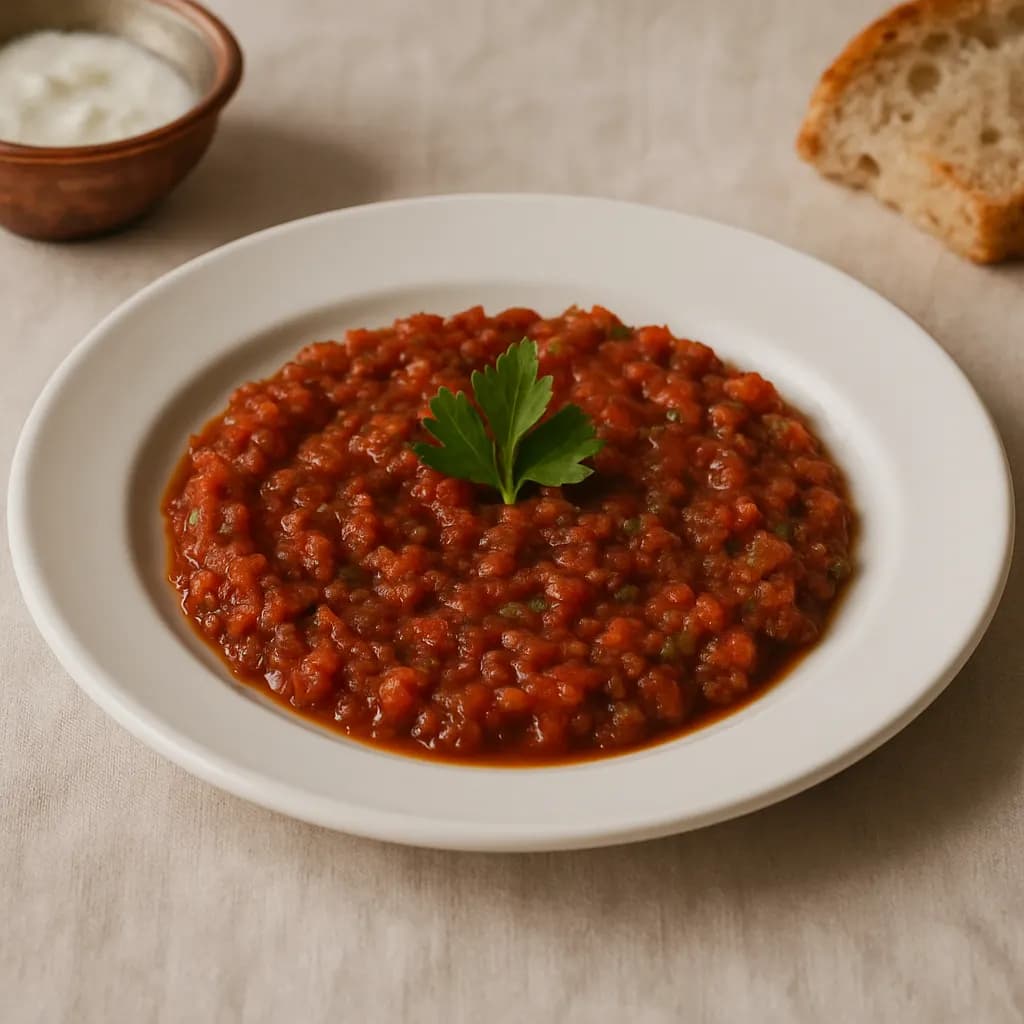
Spicy Tomato and Pepper Salad
A finely chopped mezze from Gaziantep made with tomatoes and peppers, blended with paste, vinegar, and spices; an indispensable accompaniment to kebabs.
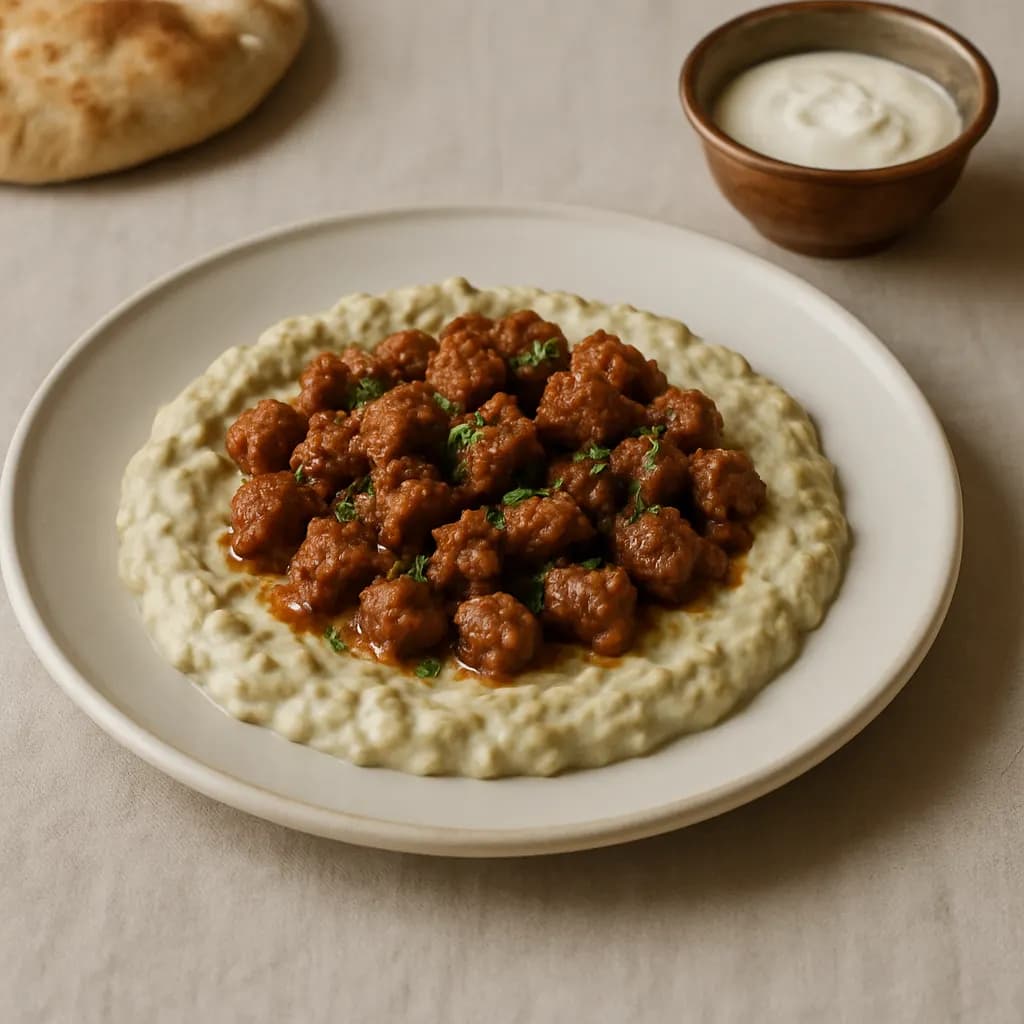
Ali Nazik
From Gaziantep cuisine; roasted eggplant is mashed with garlic yogurt, topped with sautéed diced meat or ground meat. The smoky flavor combines with the coolness of the yogurt on a single plate.
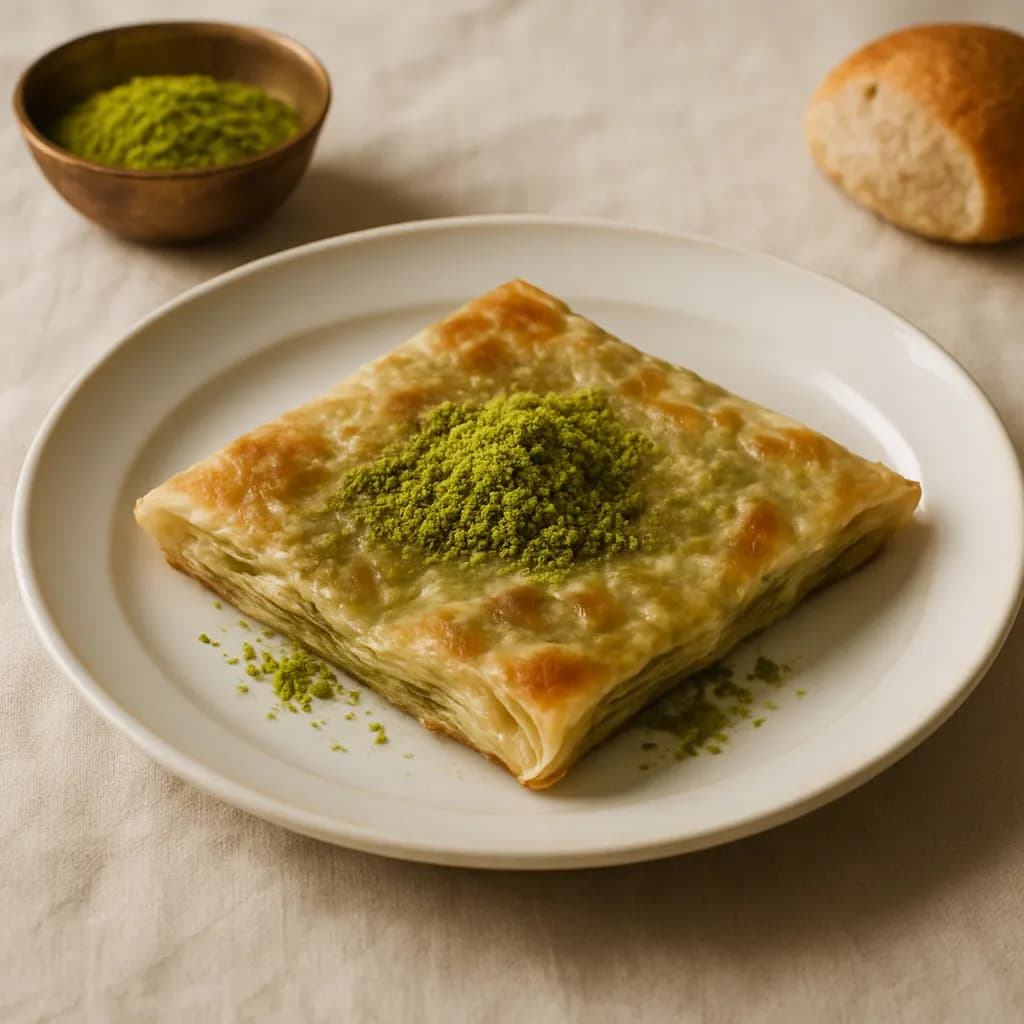
Antep Katmeri
A breakfast pastry made by folding thinly rolled dough with clotted cream and pistachios, then frying it on a griddle. It is a tradition to start the day with Katmer in Gaziantep.
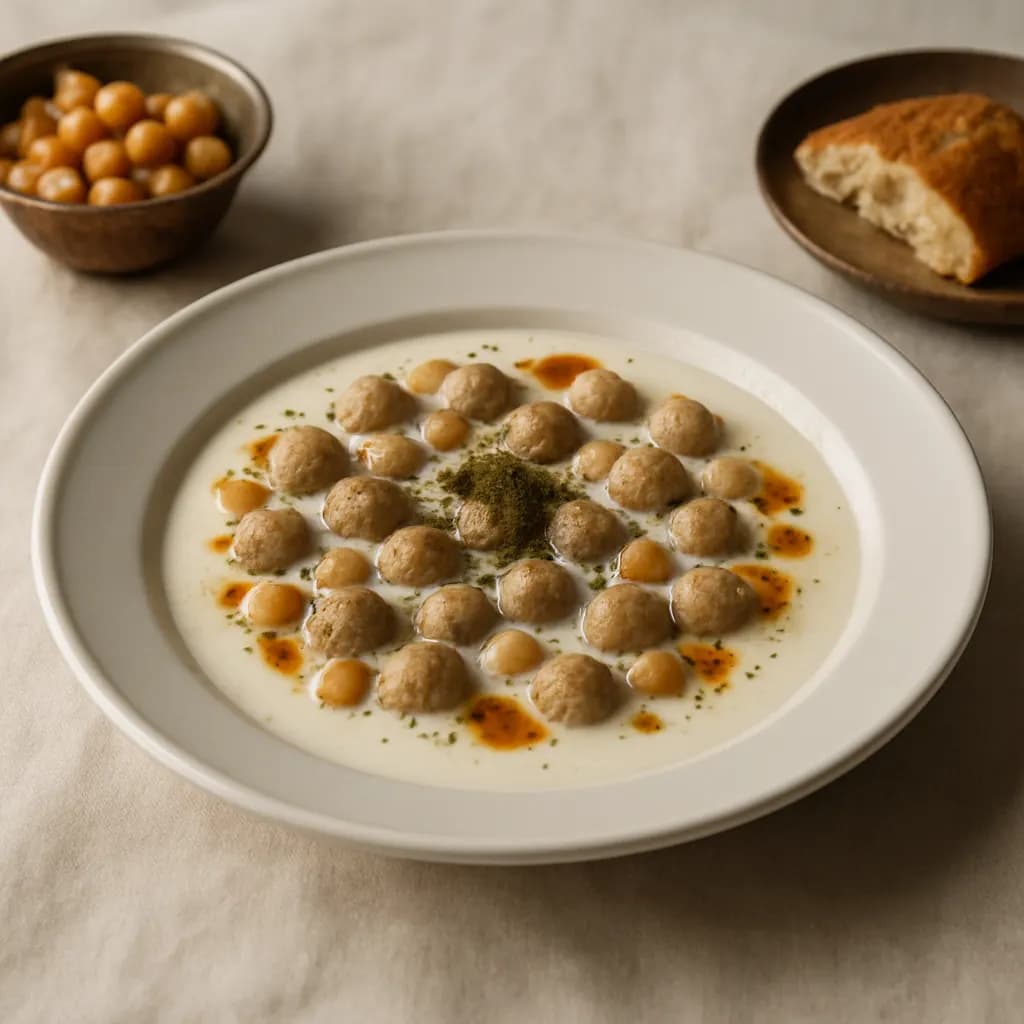
Antep Yuvarlaması
A festive dish where small meatballs made with rice combine with meat, chickpeas, and yogurt; the official local recipe documents the main structure.
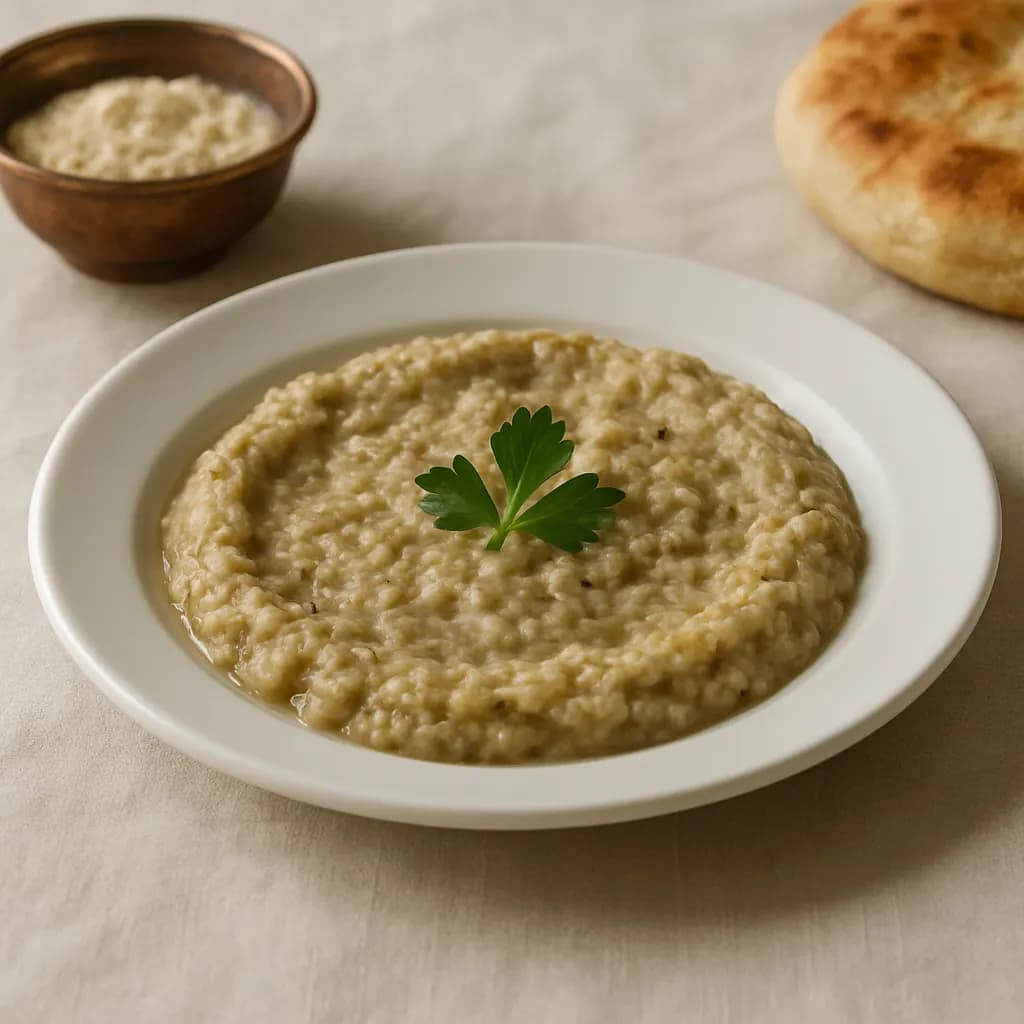
Baba Ghanoush
A Southeast Anatolian meze made from roasted eggplant blended with tahini, garlic, and lemon; the smoky aroma of roasting defines its identity.
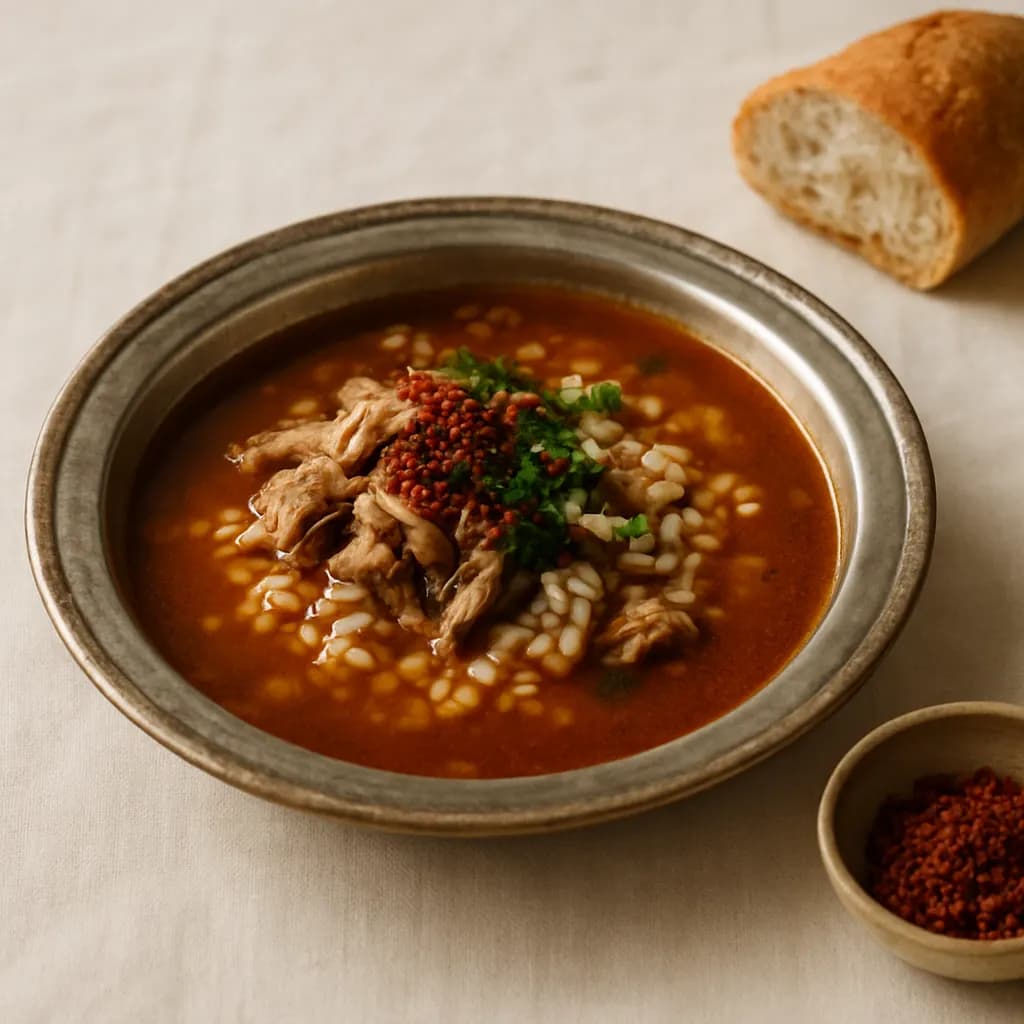
Beyran Soup
A strong start to the mornings in Gaziantep: lamb shank cooked overnight meets boiled rice and plenty of garlic in a hot stone pot. It is a tradition to begin the day with spiciness.
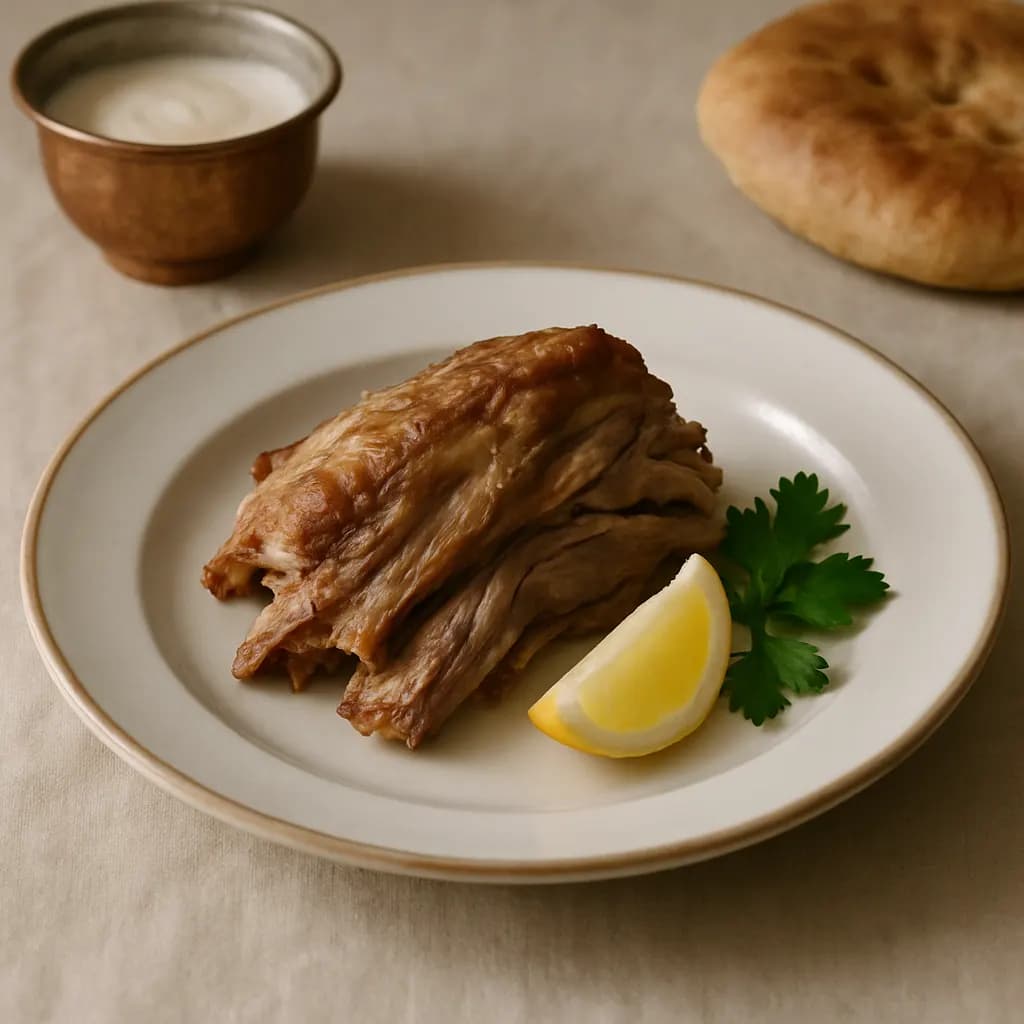
Biryani
A version of lamb cooked in a pit, associated with Siirt and Bitlis; it is a tradition that runs out by lunchtime, originating from a morning tradesmen custom.
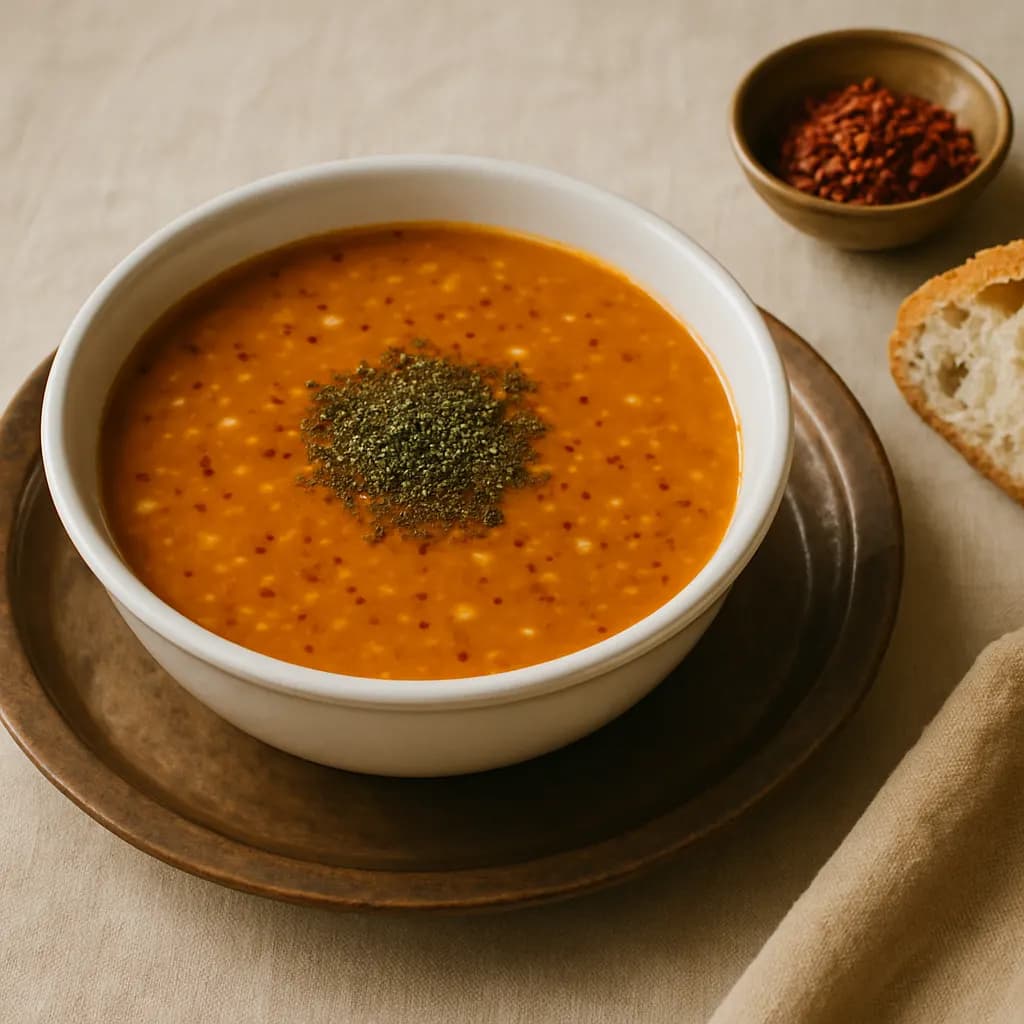
Ezogelin Soup
A soup made with lentils, bulgur, and rice, combined with mint and butter infused with red pepper. It carries a strong folk tale connecting its name to the story of Ezo Gelin from the Gaziantep region.
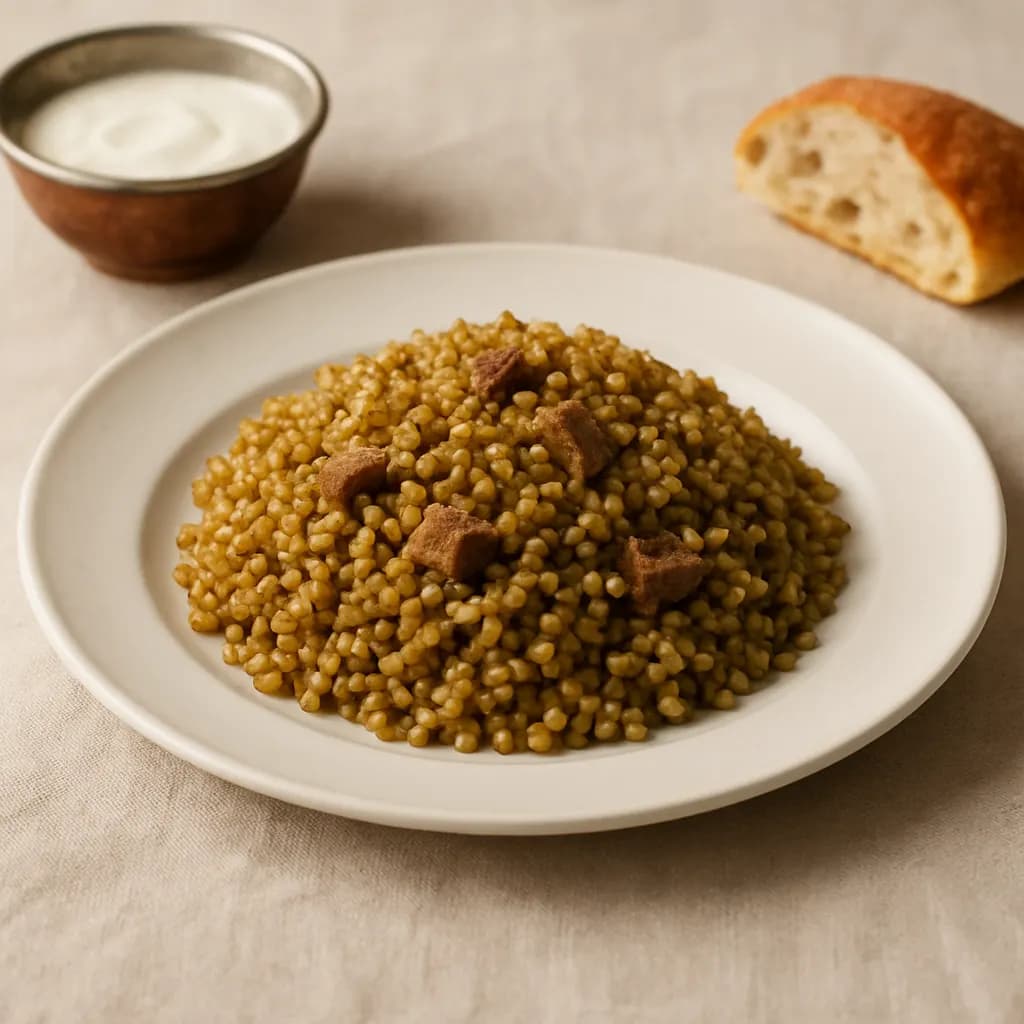
Firik Pilaf
A Southeast Anatolian pilaf where the smoky aroma of firik distinguishes it from regular bulgur; firik pilafs are recorded in the inventory of Gaziantep.
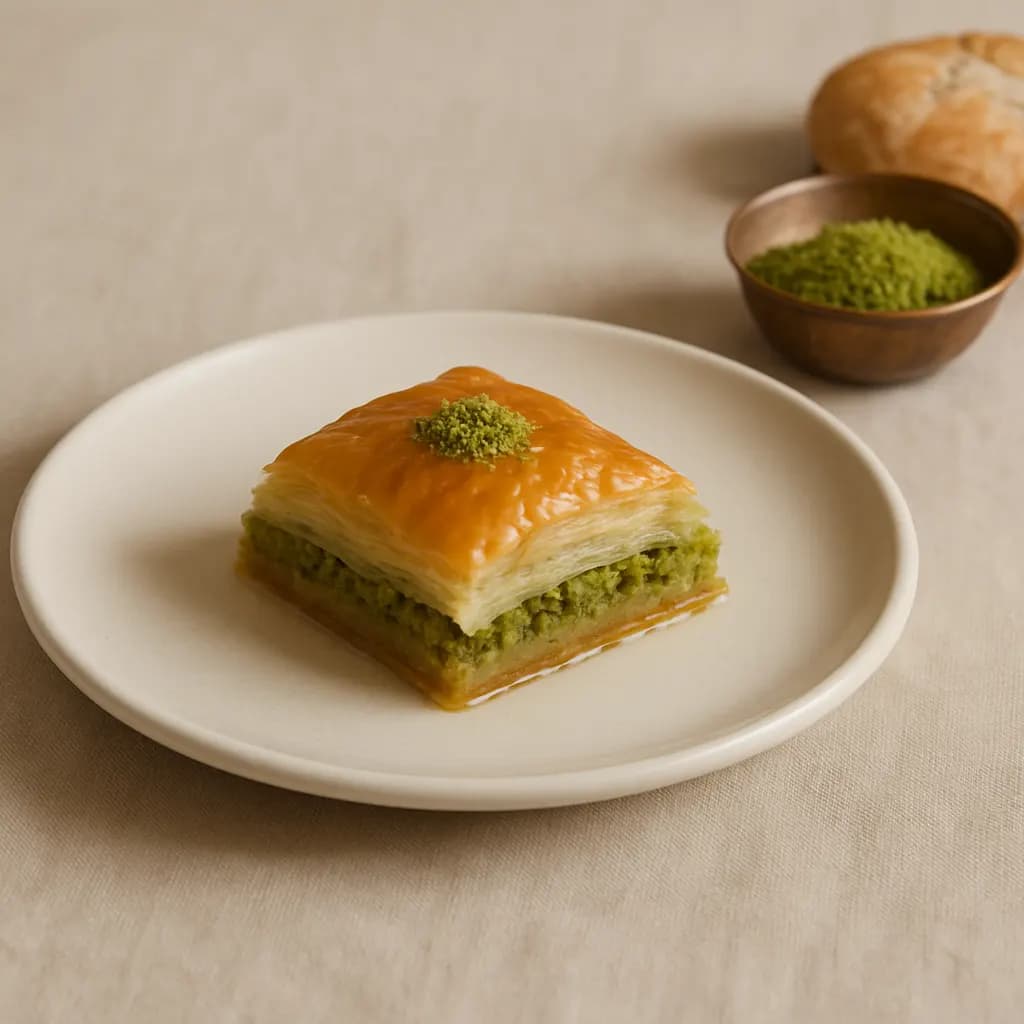
Gaziantep Baklava
A sweet architecture made with nearly forty layers of thin pastry, pistachios, and clarified butter. Gaziantep Baklava was the first Turkish product to receive EU geographical indication registration (2013).
How it is eaten, how it is ordered
- Why is baklava never kept in the fridge?
In the cold the butter solidifies, the syrup crystallises and the pastry draws moisture and loses its crispness. Baklava is kept at room temperature, uncovered, and ideally eaten the same day.
- Does water or yogurt calm chili heat?
Yogurt, ayran and milk work; water does not. Capsaicin, the compound behind the heat, does not dissolve in water but does in fat and milk protein; water merely spreads it and the burn returns.
- Why are olive-oil dishes not served hot?
Olive oil's aroma evaporates as it heats, yet turns heavy when chilled. The dishes taste best in between, at room temperature, and their flavours also marry as they rest.
What are you in the mood for in Şırnak?
Frequently asked
- Where to eat in Şırnak?
- The directory holds 1 real venue records for Şırnak, of which 0 are documented taste stops. The records come from OpenStreetMap, are unassessed and carry no score.
- What defines the cuisine of Şırnak?
- Southeastern Anatolian cooking is the cooking of spice, bulgur and meat. İsot pepper, pomegranate molasses and pistachio are the region's signature; çiğ köfte, kebab and stuffed köfte are methods resting on handwork. On the sweet side, the kadayıf and baklava tradition is read together with the geography where the pistachio grows.
Other provinces of the same region — Southeastern Anatolia
AdıyamanBatmanDiyarbakırGaziantepKilisMardinŞanlıurfaSiirt
Other cities
This is not an invented ranking: the dishes come from the regional links of Atlas records, the stops from documented curation, the venues from the OpenStreetMap directory. The order carries no quality claim.