What to eat in İstanbul
Istanbul is not one cuisine but a city of tables laid over one another: the refined classics of the palace kitchen, Anatolian counters brought by migration, the fish tradition of the shore and century-old tradesmen's restaurants can all be eaten in a single day. A day that begins with simit and tea and ends at a meze table is the city's own rhythm.
Among the Atlas records identified with İstanbul are Albanian Liver, Steamed Fish, Fish Sandwich, Barbunya Pilaki. The directory holds 626 real venue records; the districts carrying the most records are: Kadıköy, Beyoğlu, Fatih.
626 real venue records — browse with filters
Dishes identified with this city
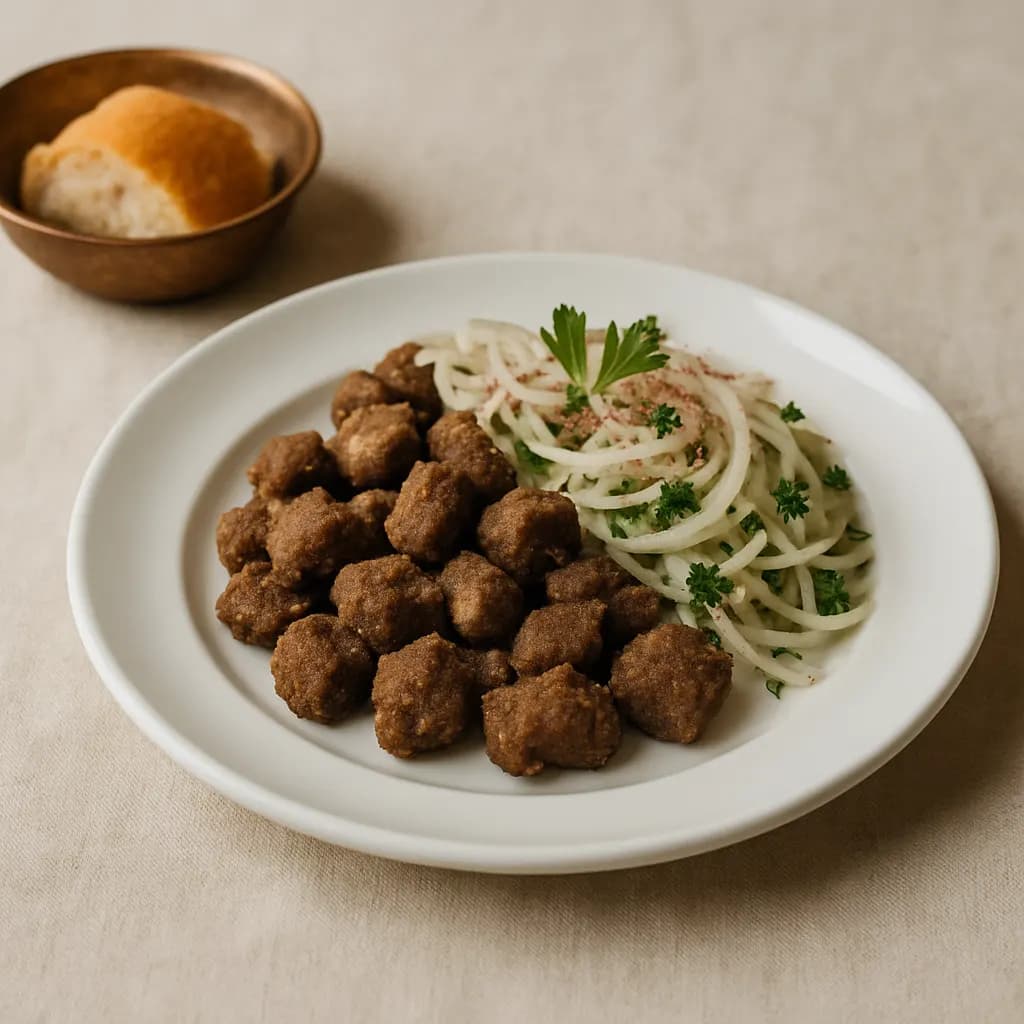
Albanian Liver
A classic Istanbul meze consisting of small pieces of floured liver fried and served with onion salad; associated with Balkan migration heritage.
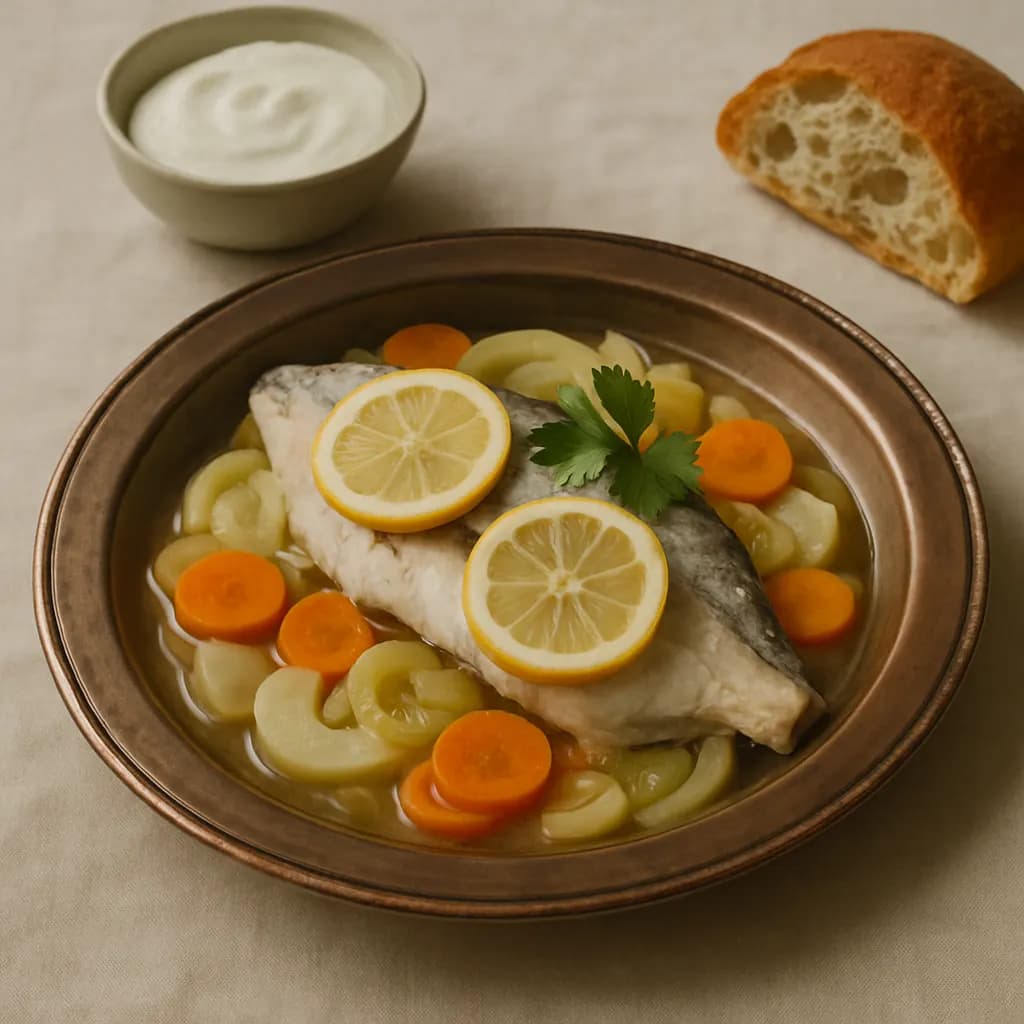
Steamed Fish
A coastal classic where fish is cooked with steam and its own juices, without heavy sauces; freshness is the main determinant.
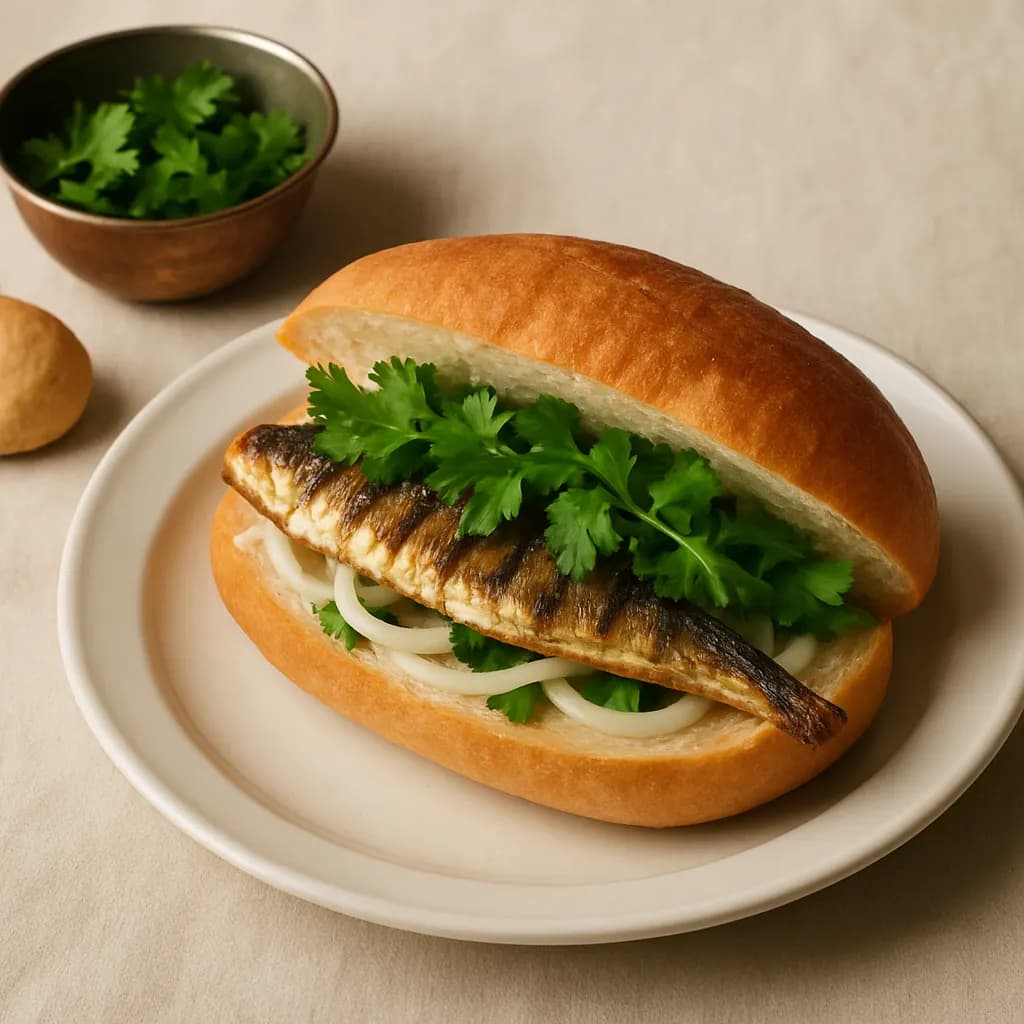
Fish Sandwich
A symbol of the Istanbul shores; grilled fish served between bread with onions and greens. It is a port tradition associated with the boats of Eminönü.
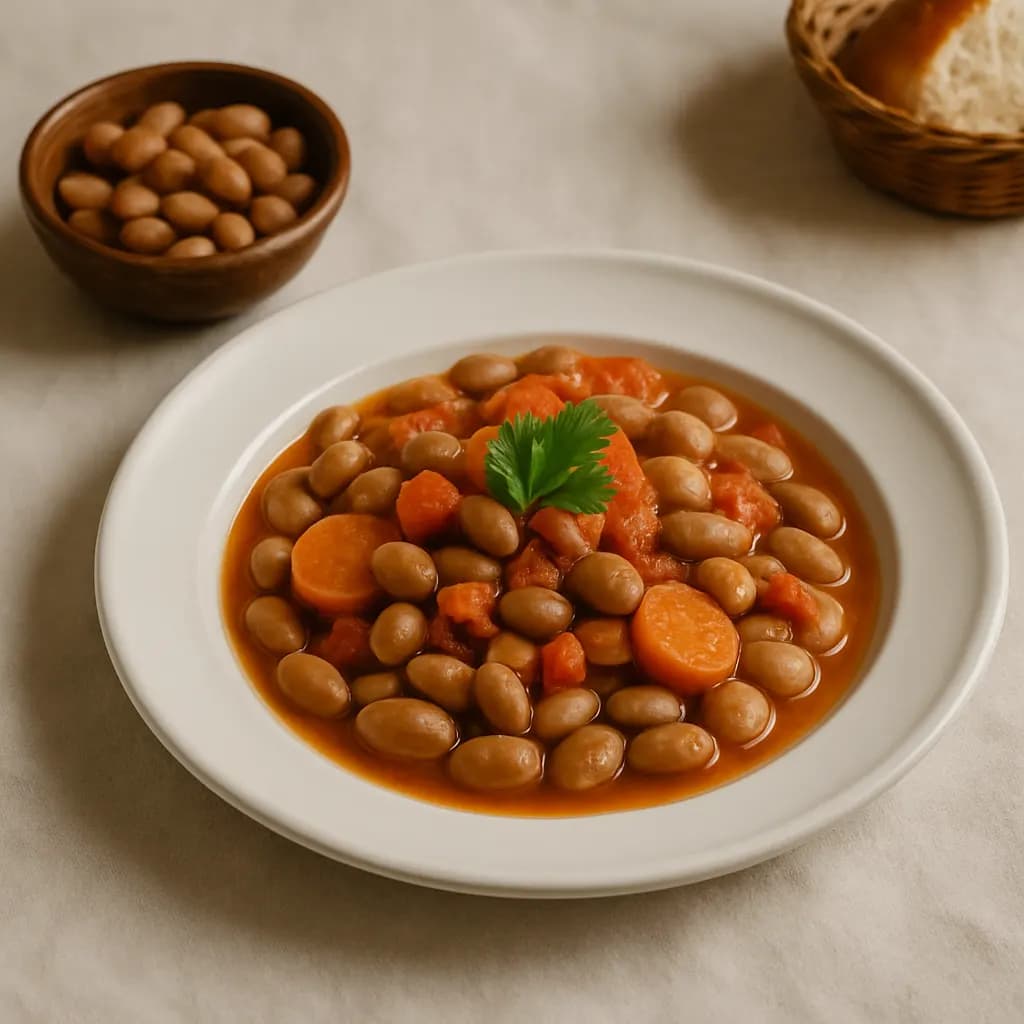
Barbunya Pilaki
A beloved example of the pilaki tradition, made with fresh or dried kidney beans cooked in olive oil with onions, garlic, carrots, and tomatoes. It is served cold and is a classic of local eateries.
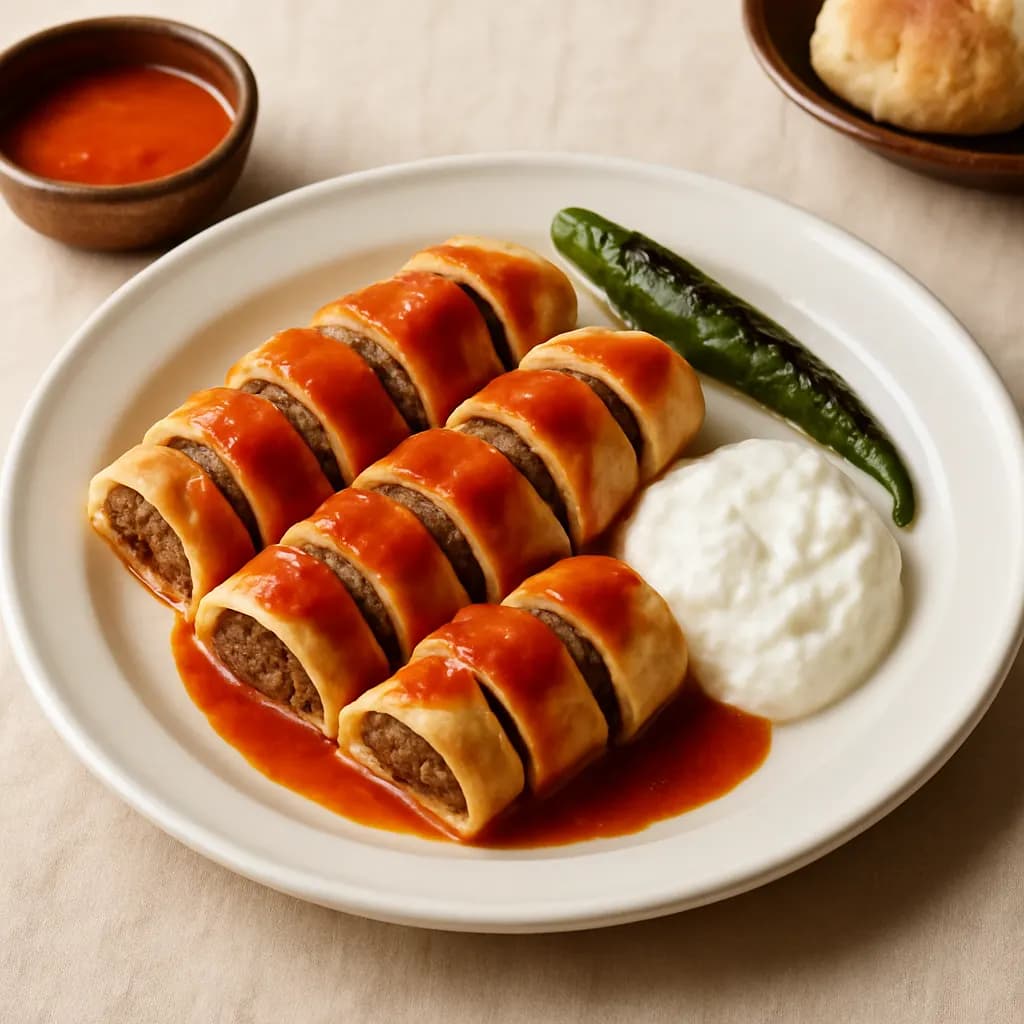
Beyti Kebab
A modern classic born in Istanbul: grilled minced meat wrapped in lavash and sliced, served with tomato sauce and yogurt. It takes its name from a restaurant tradition that became popular in the mid-20th century.
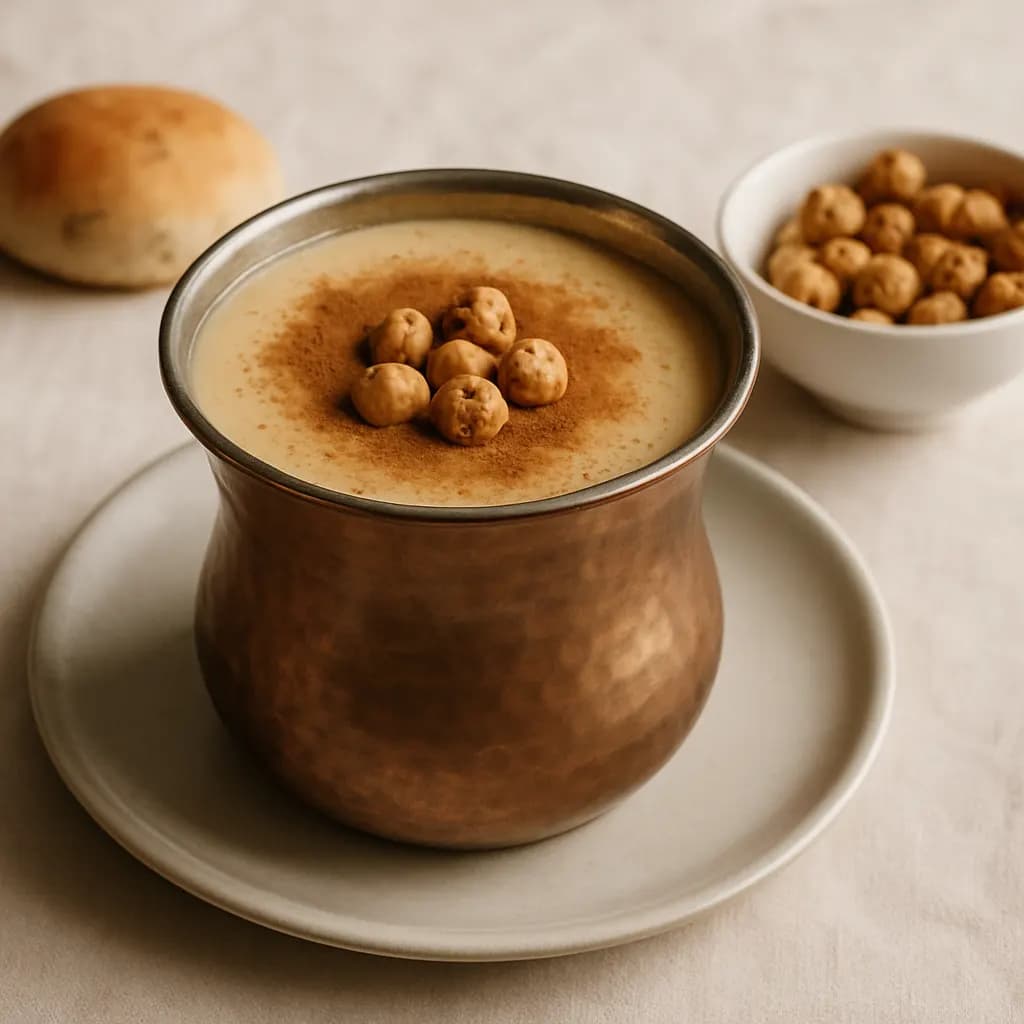
Boza
A grain-based, slightly sour fermented winter drink; served with cinnamon and roasted chickpeas on top.
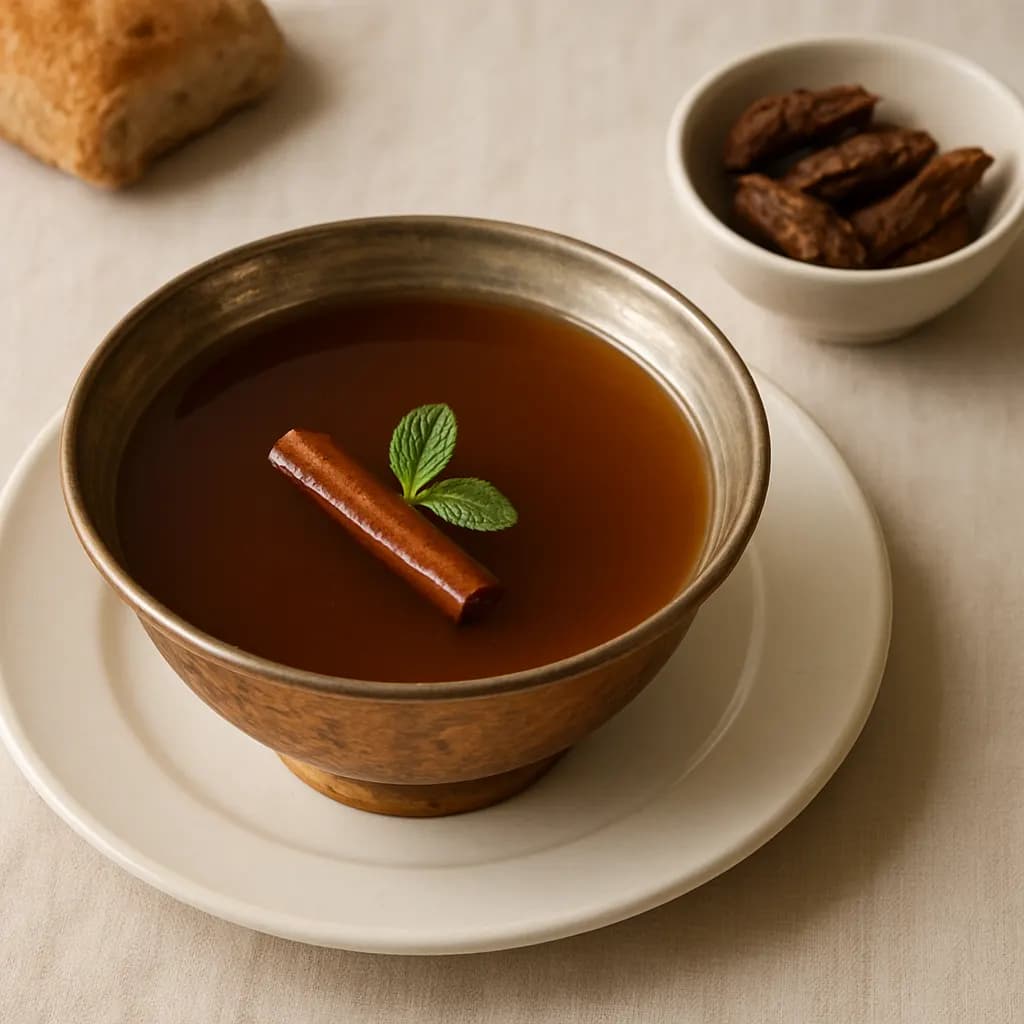
Tamarind Sherbet
An example of a sherbet where sour fruit is balanced with sugar and measured spices; not every spice mixture is a secret recipe of the palace.
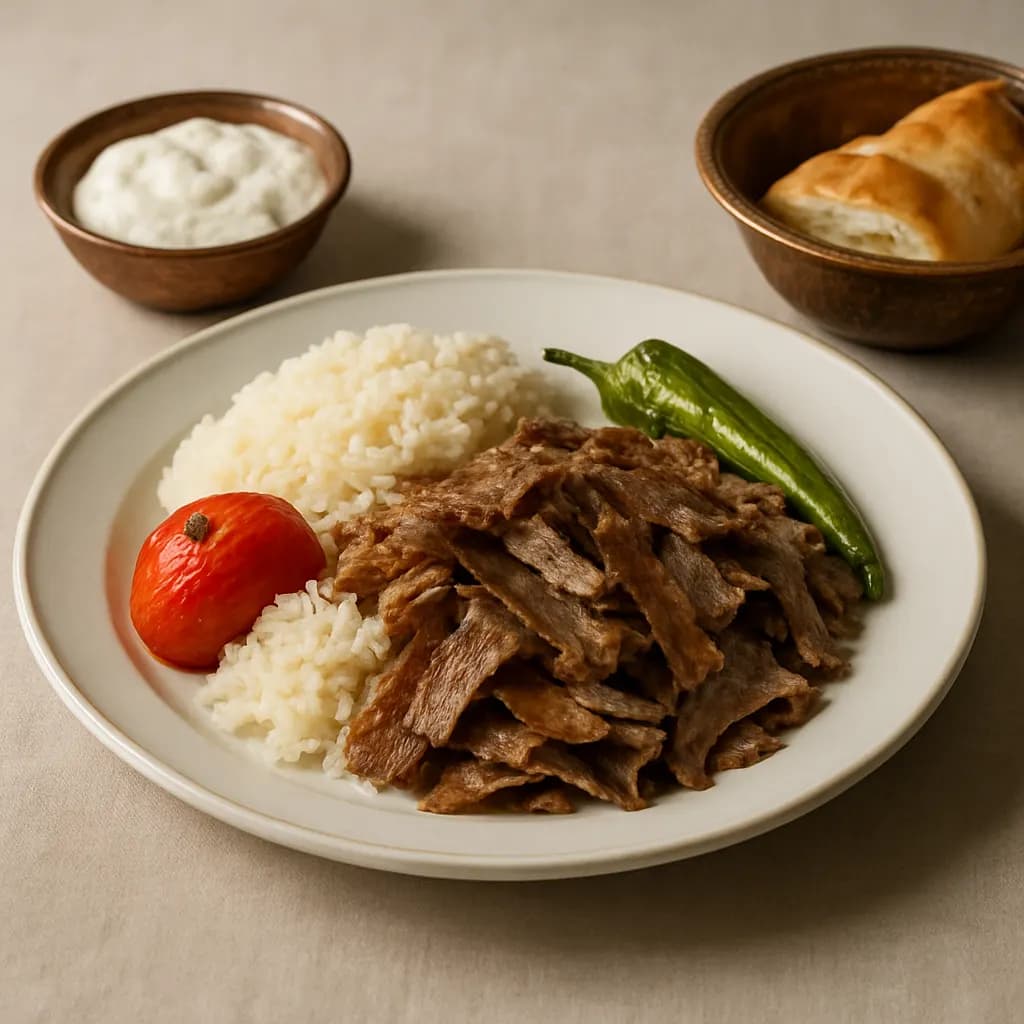
Döner
A skillful preparation of meat cooked in layers on a vertical rotating skewer, sliced thinly from the outside; it is the basis for presentations like İskender and dürüm.
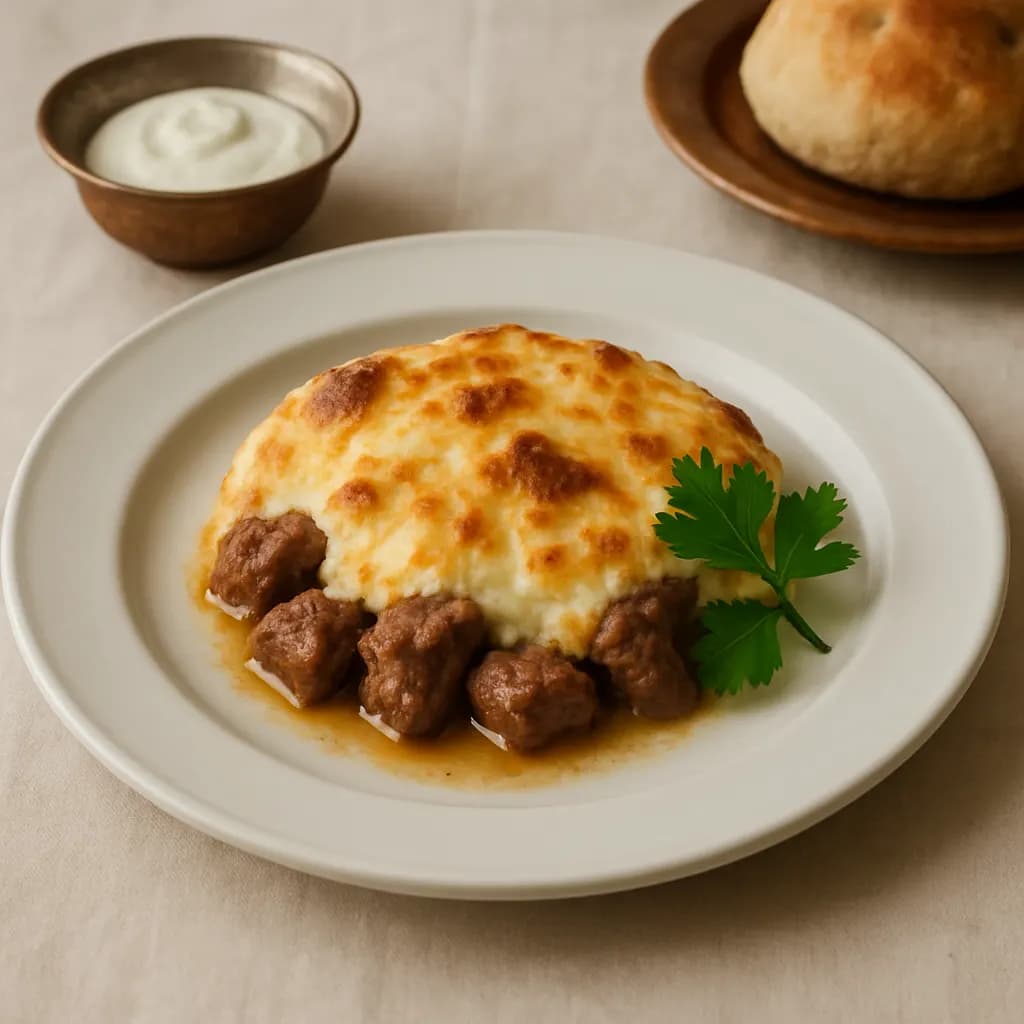
Elbasan Tava
A classic Istanbul dish of Balkan origin, where meat is baked with a mixture of yogurt and eggs on top.
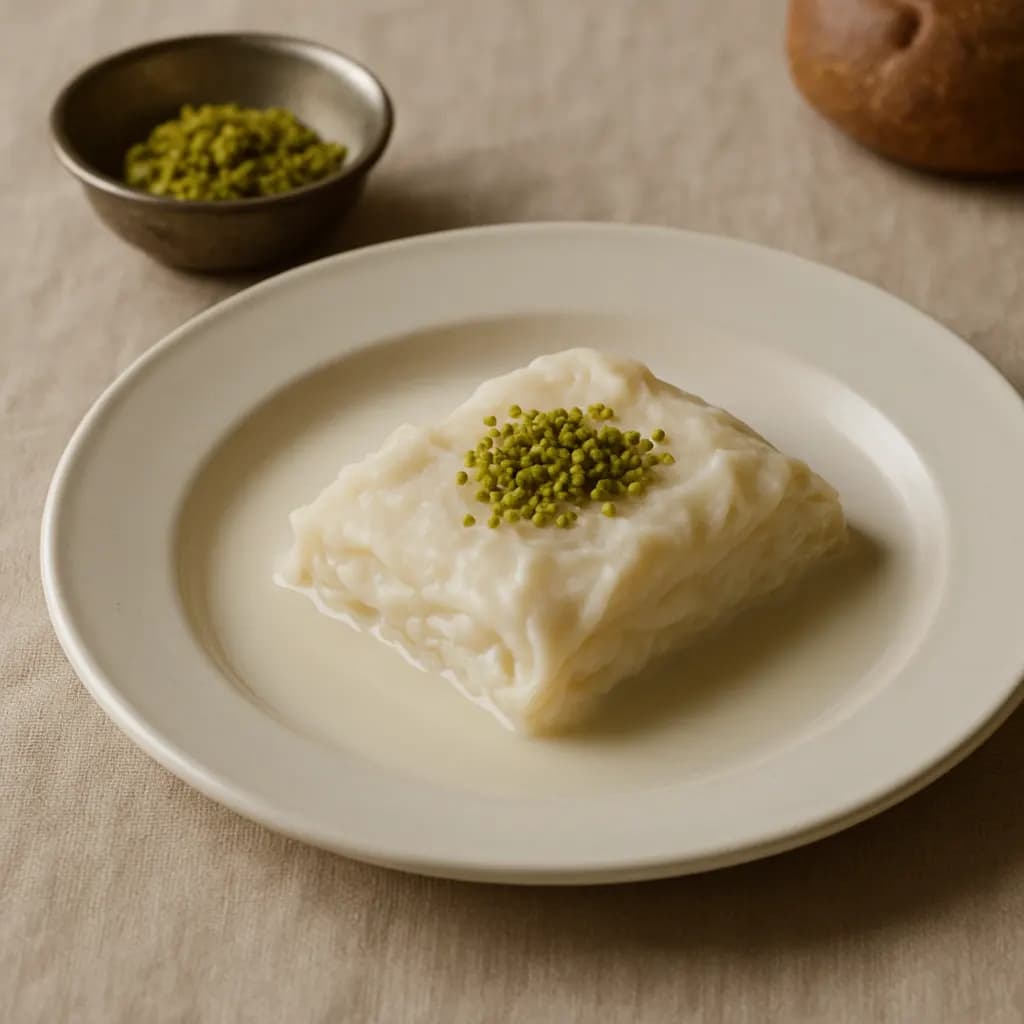
Güllaç
A dessert made of thin starch leaves softened in warm milk, particularly associated with Ramadan tables; it is also noted in the Niğde cuisine as a rolled version.
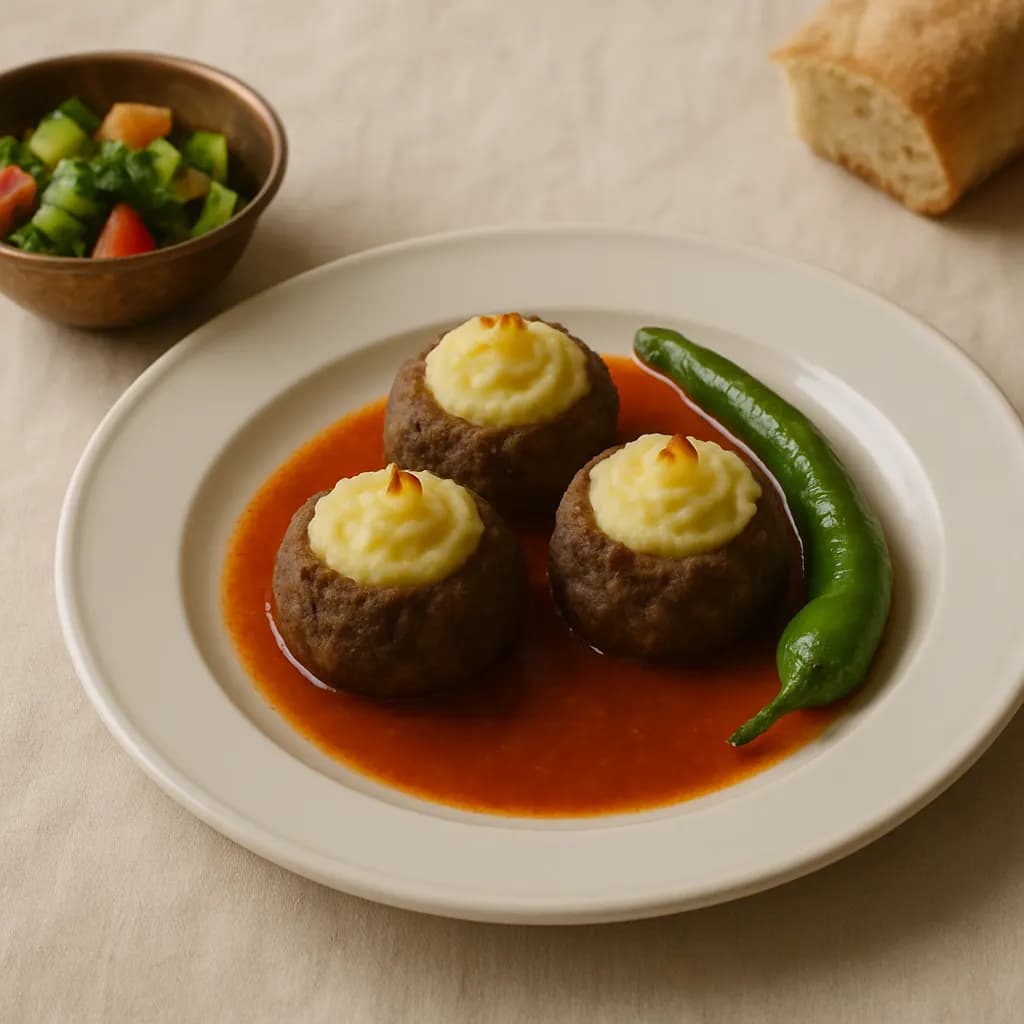
Hasanpaşa Meatballs
A baked meatball filled with mashed potatoes; it is one of the classic showpieces of the home table.
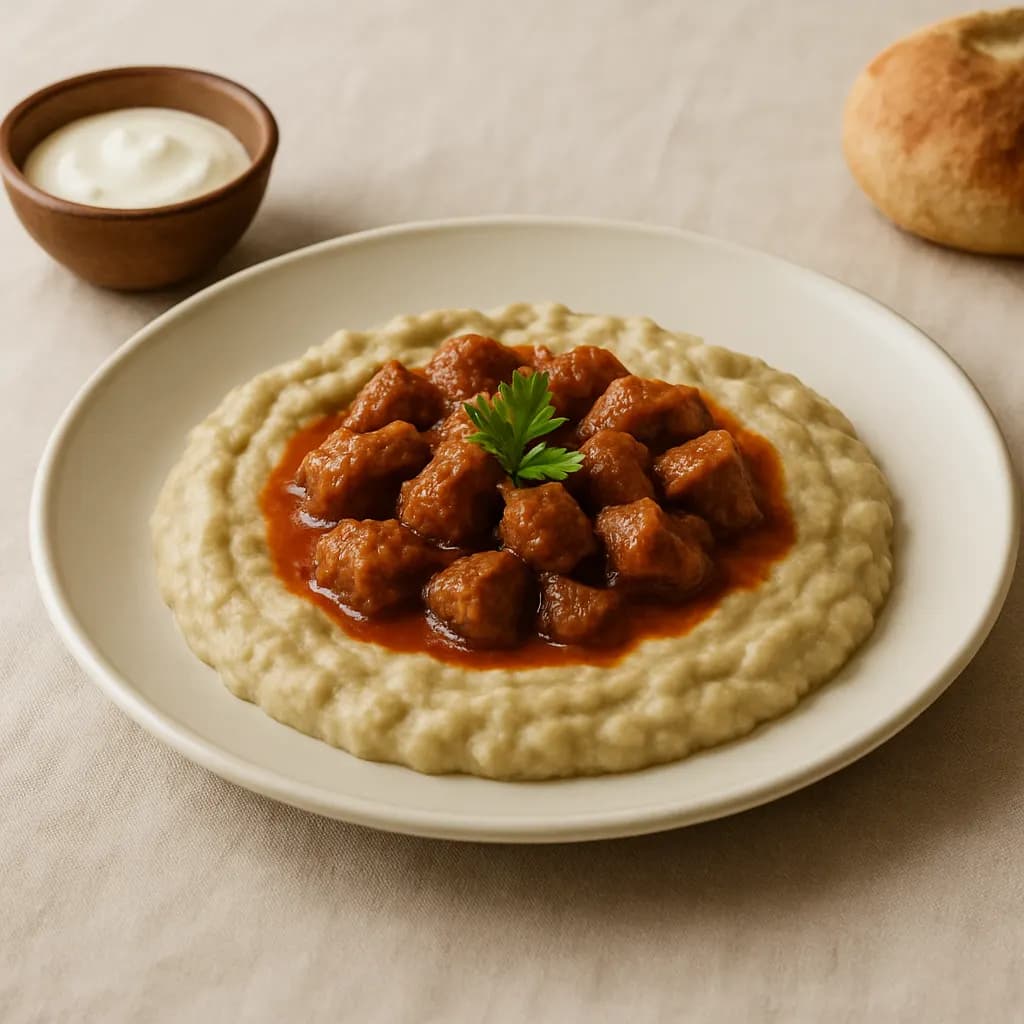
Hünkar Beğendi
A classic associated with Ottoman palace cuisine, it consists of a puree made from roasted eggplant, butter, flour, and cheese, topped with lamb stew.
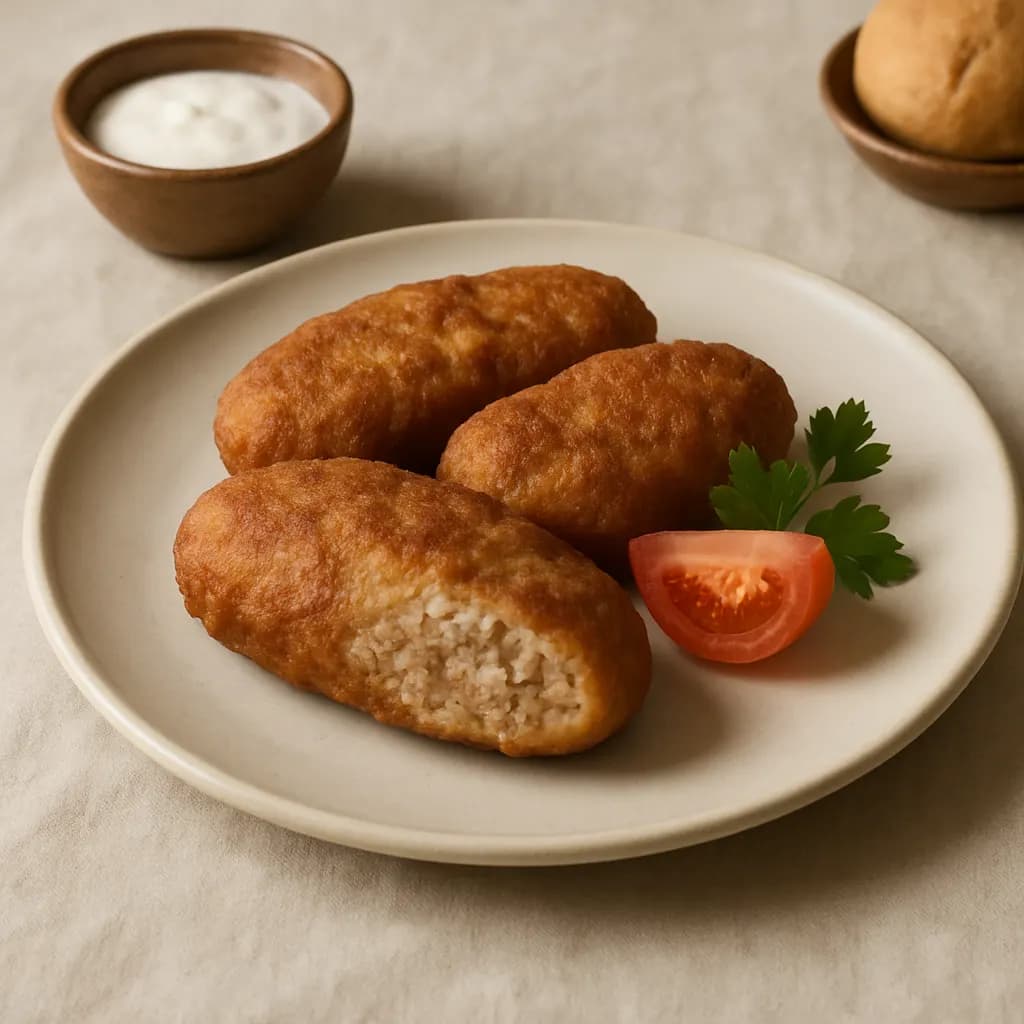
Kadınbudu Kofte
A nostalgic meatball where the soft texture of partially roasted minced meat mixed with cooked rice is balanced by a fried egg-coated exterior.
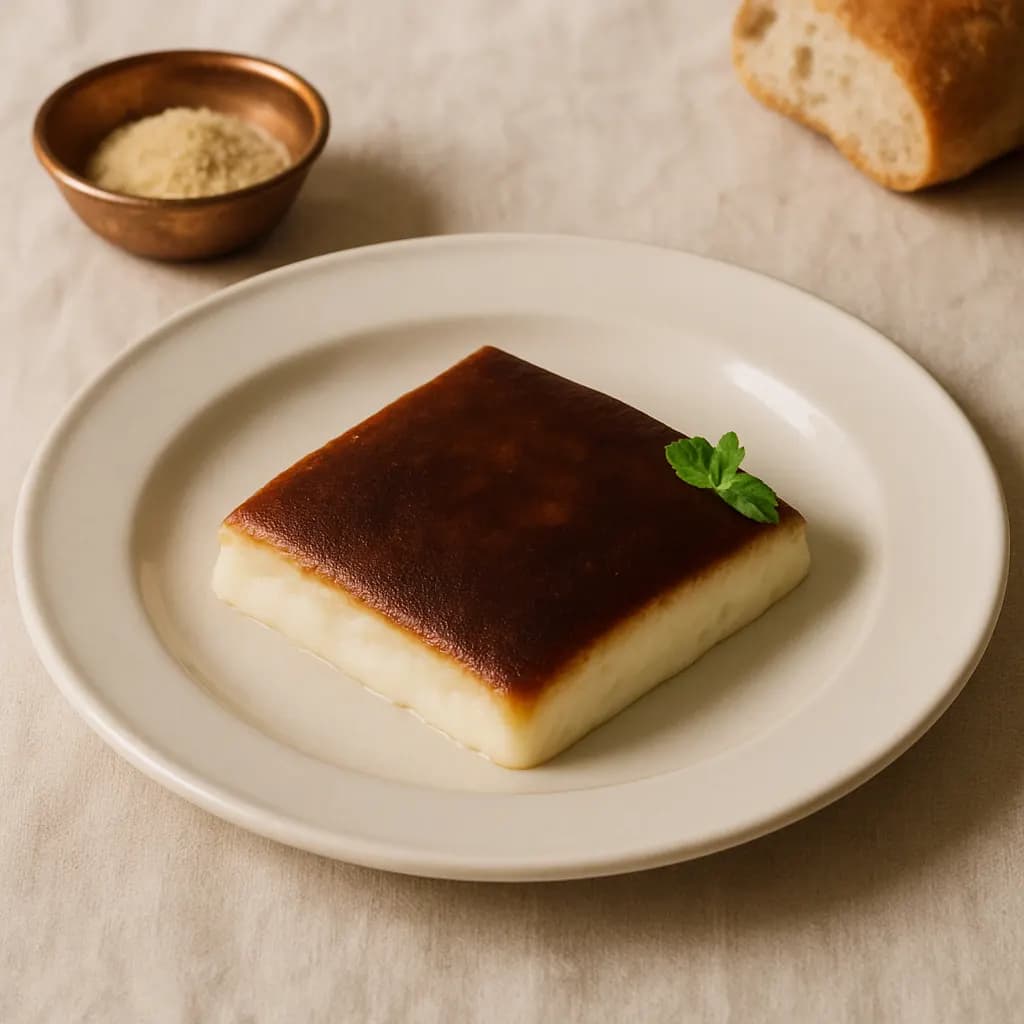
Kazandibi
A milk dessert with palace origins, created by intentionally caramelizing the bottom of the pudding; it has evolved from the tradition of chicken breast pudding.
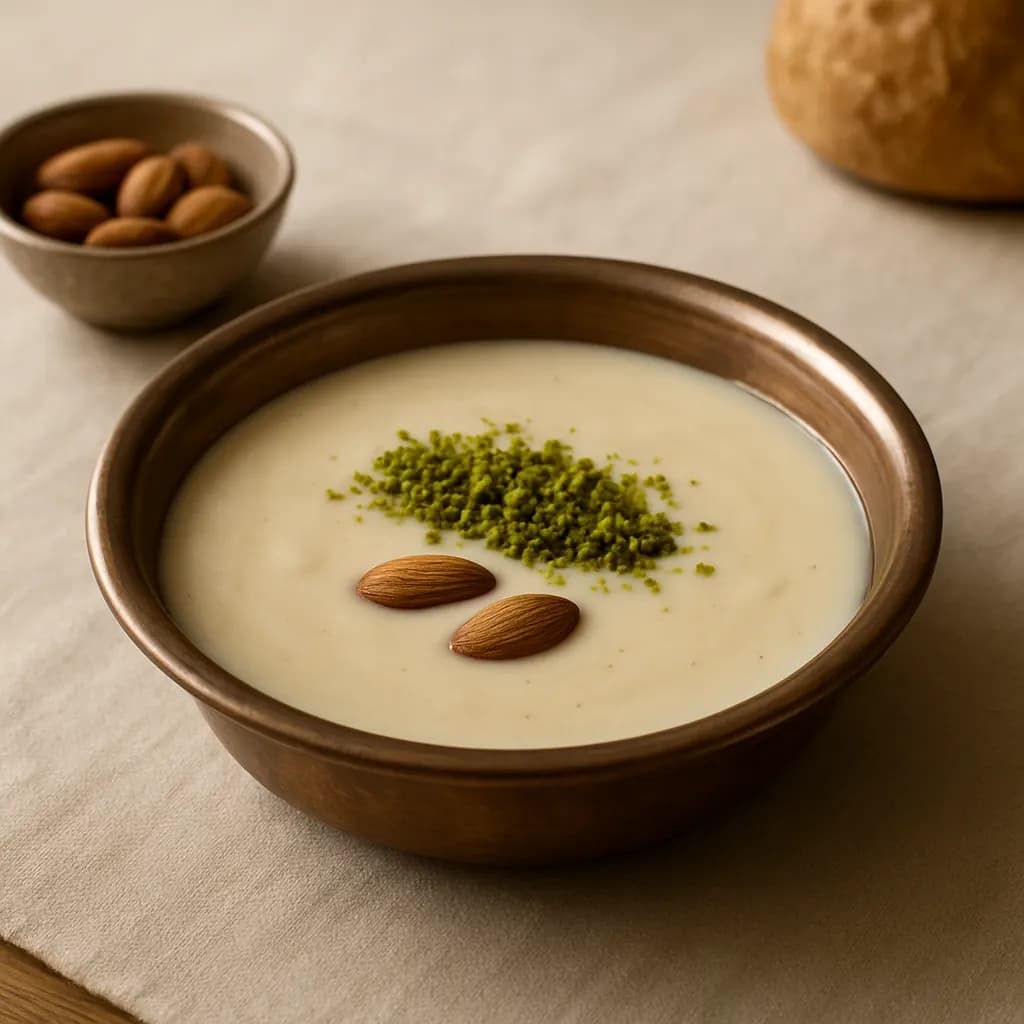
Keshkul
A milk-based dessert with almonds; the proportion of nuts and the fineness of grinding determine its character.
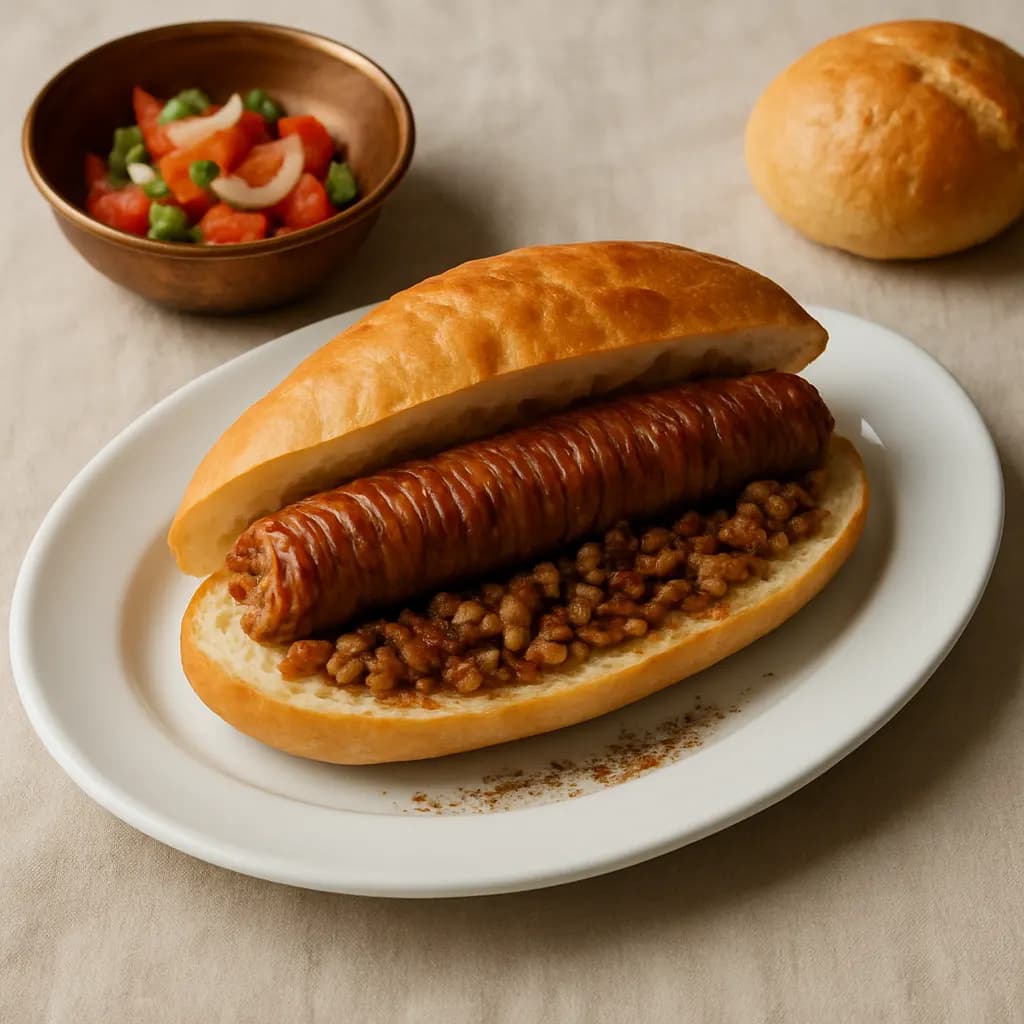
Kokoreç
A nighttime classic made from lamb intestines grilled on a skewer and sautéed with oregano and red pepper flakes, served in bread. It represents the pinnacle of offal mastery on the street.
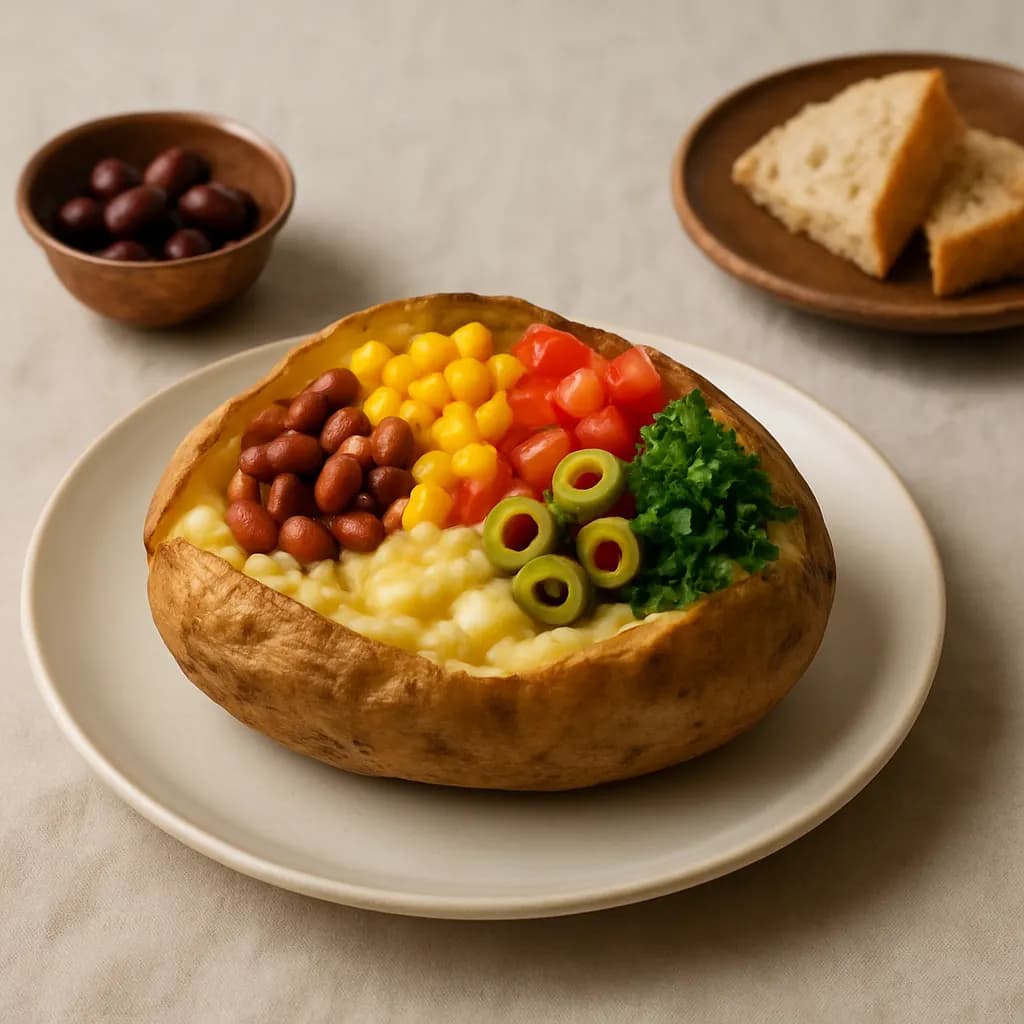
Kumpir
Baked potato that is softened over coals, mashed with butter and cheese, and filled with a variety of rich toppings; a modern street classic associated with the Ortaköy waterfront.
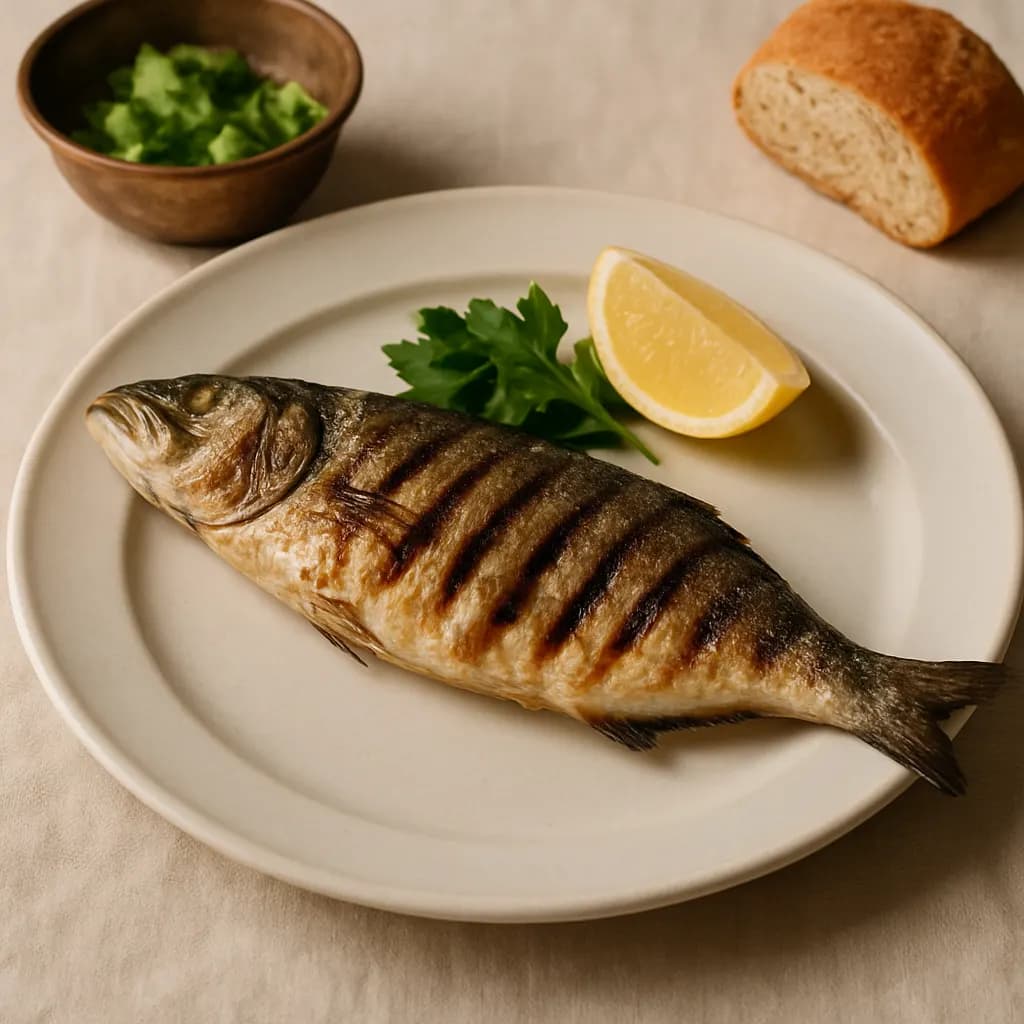
Grilled Bluefish
The esteemed fish of the Bosphorus is grilled over a controlled strong fire; its season is autumn.
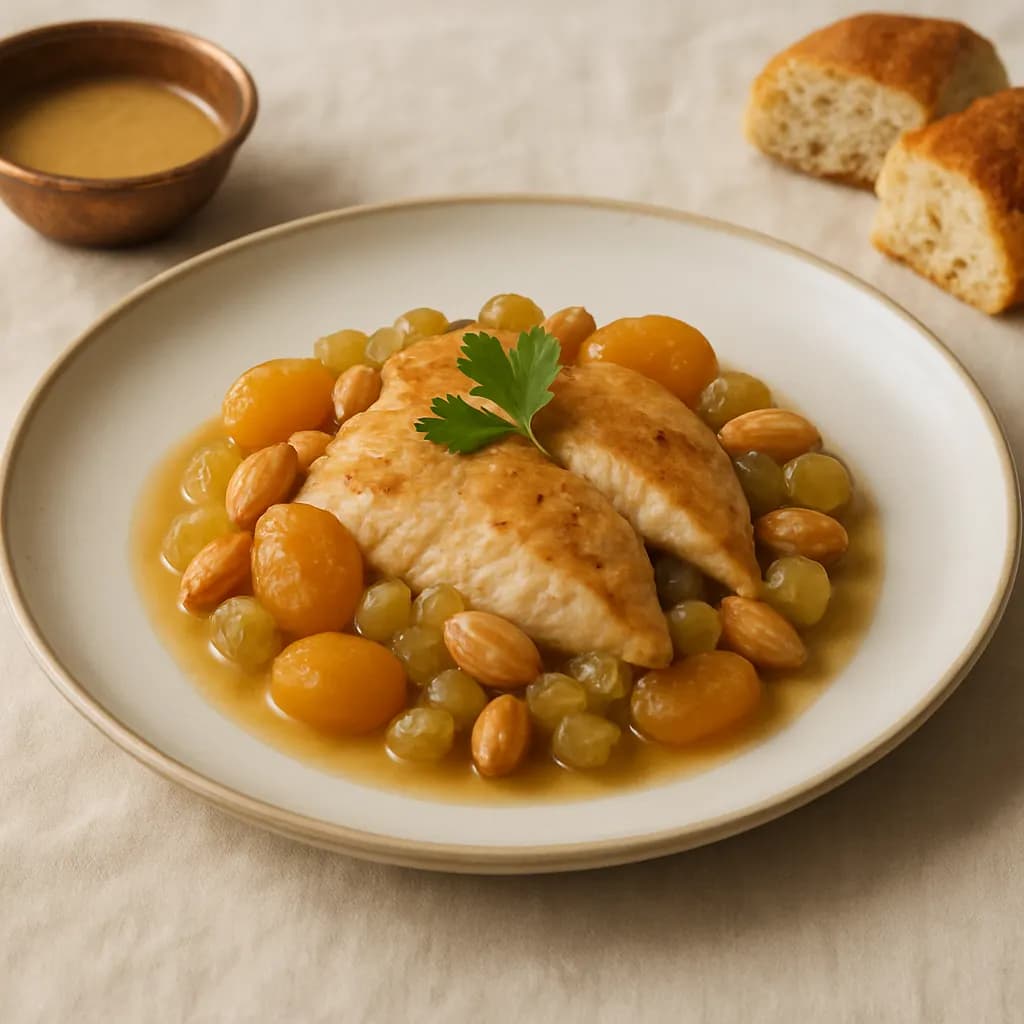
Mahmudiye
A sweet-salty Ottoman dish made with chicken cooked with apricot, grape, almond, and honey; it carries on the palace kitchen's tradition of fruity meat dishes.
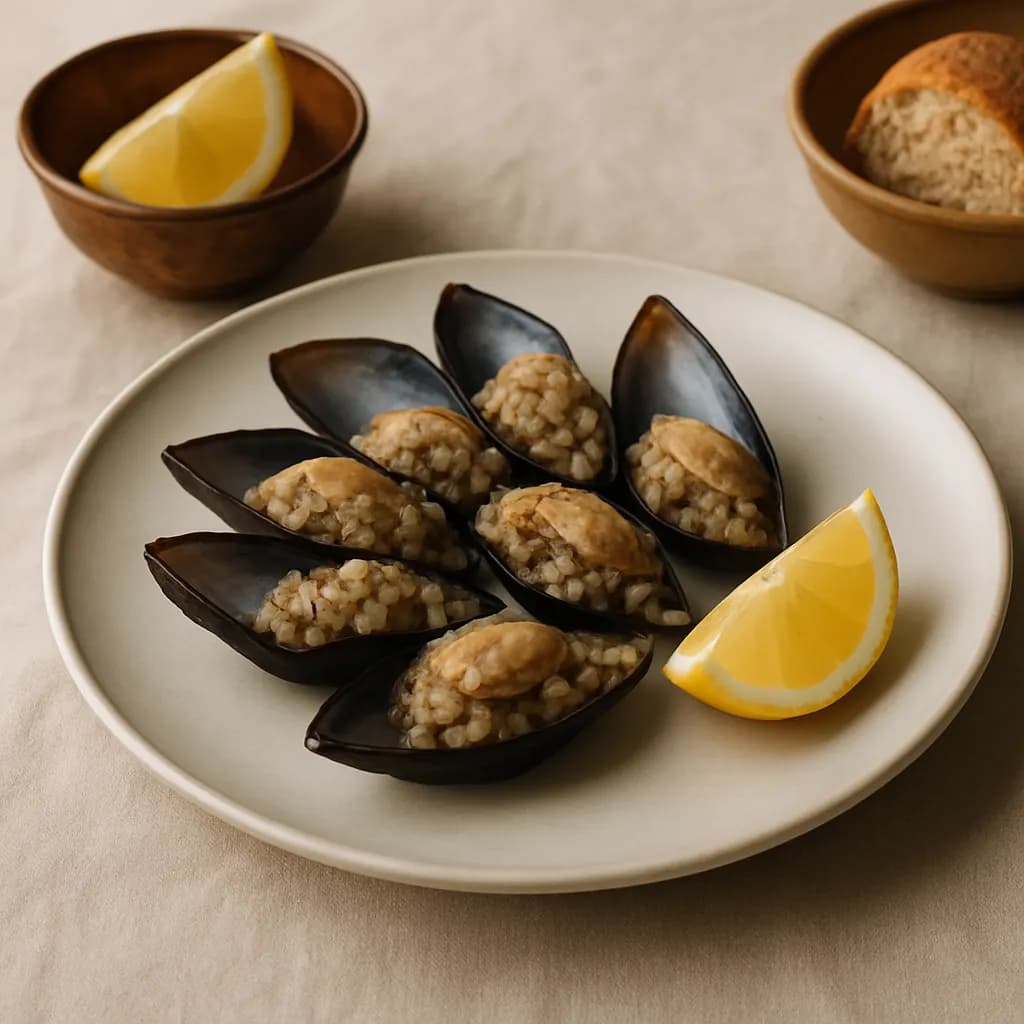
Stuffed Mussels
A classic of the coastal streets, stuffed mussels filled with rice are typically enjoyed with lemon; they are closely associated with the stalls of Izmir and Istanbul.
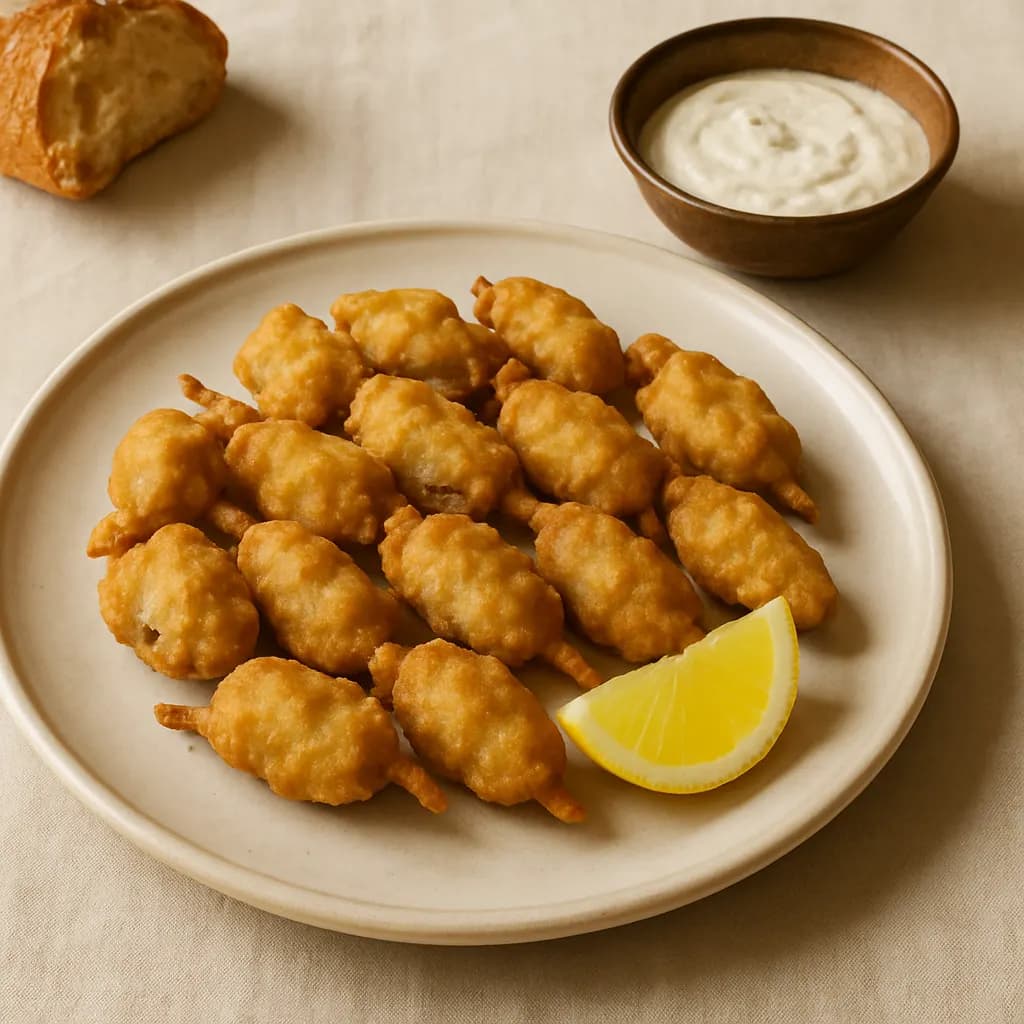
Fried Mussels
Mussels coated in a thin batter and fried, served with tarator sauce; a classic of coastal taverns.
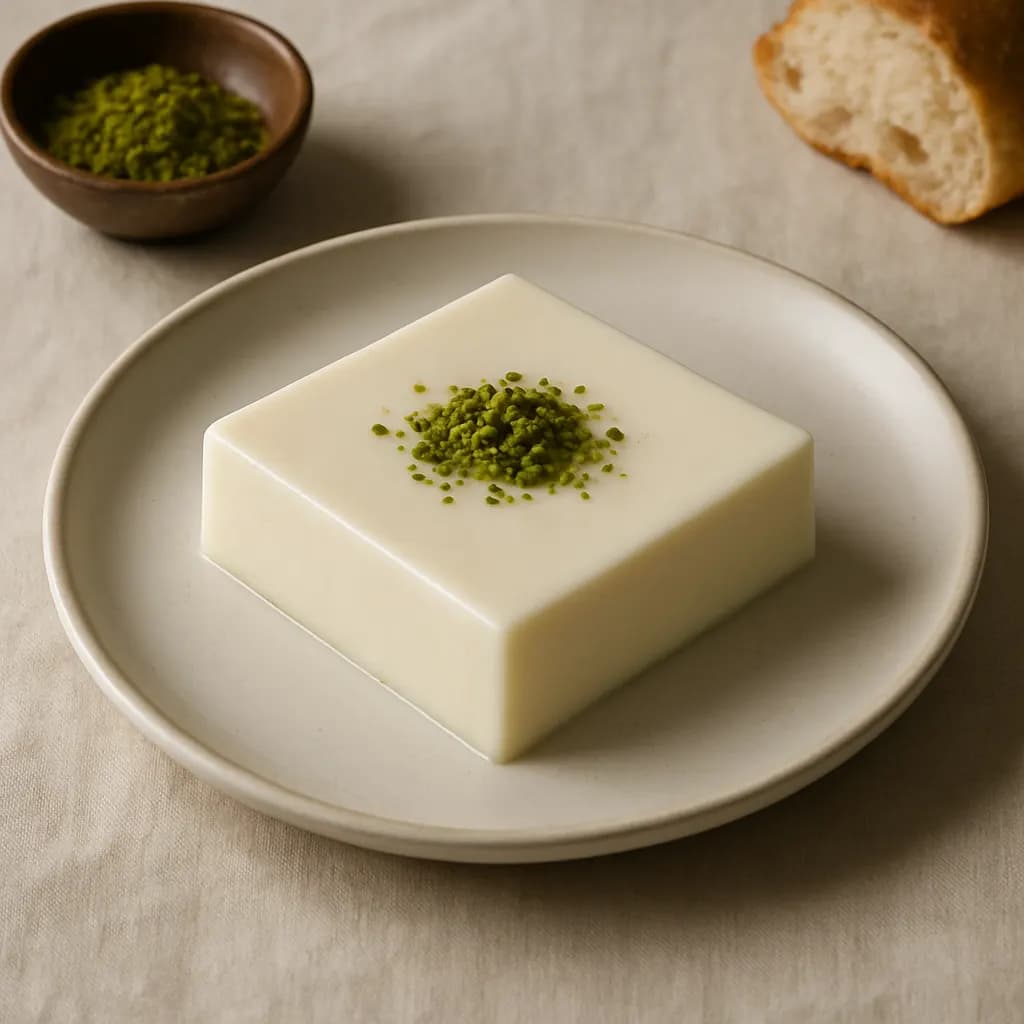
Mahalabi
A spoon dessert that presents the taste of milk in its pure form; in the mastic variety, a very small amount of mastic is used.
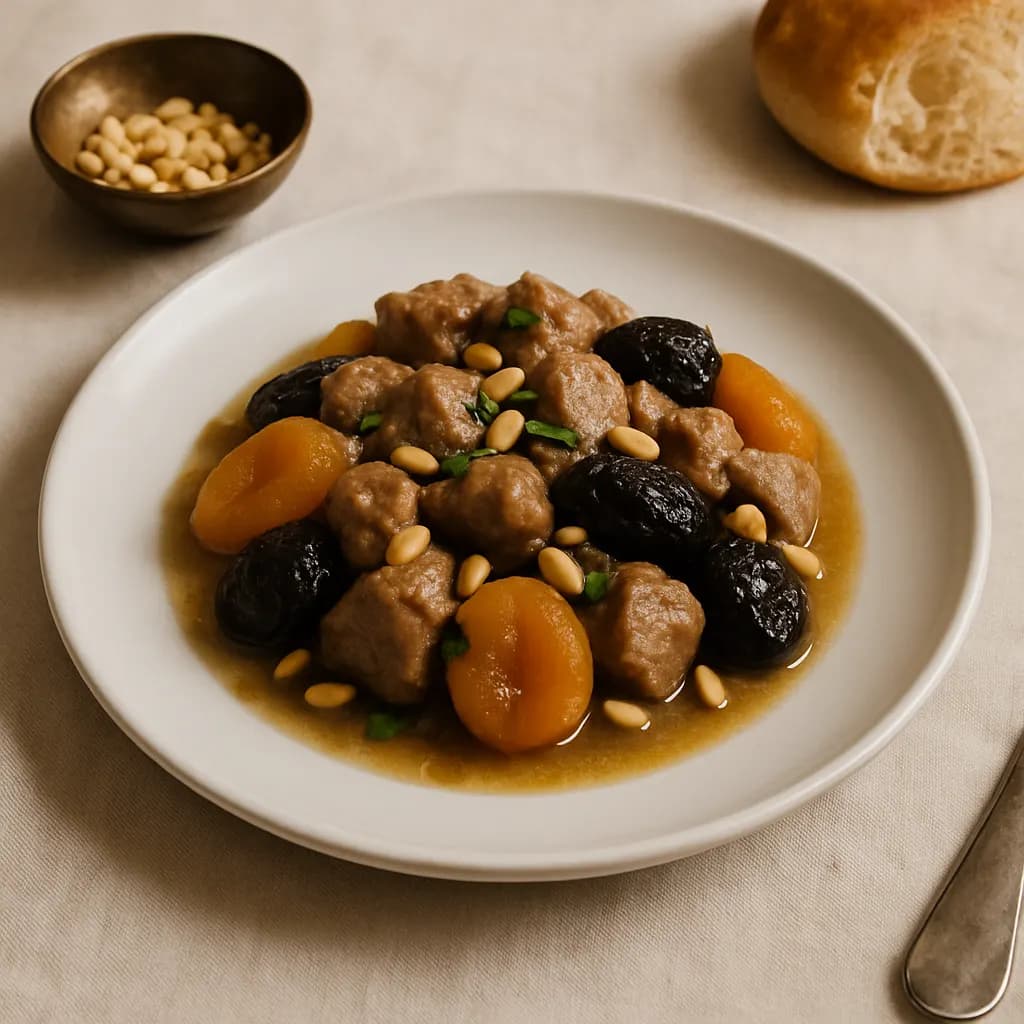
Mutancana
A historical palace dish that combines meat, dried fruits, and nuts with a balance of honey; it is a relative of Mahmudiye.
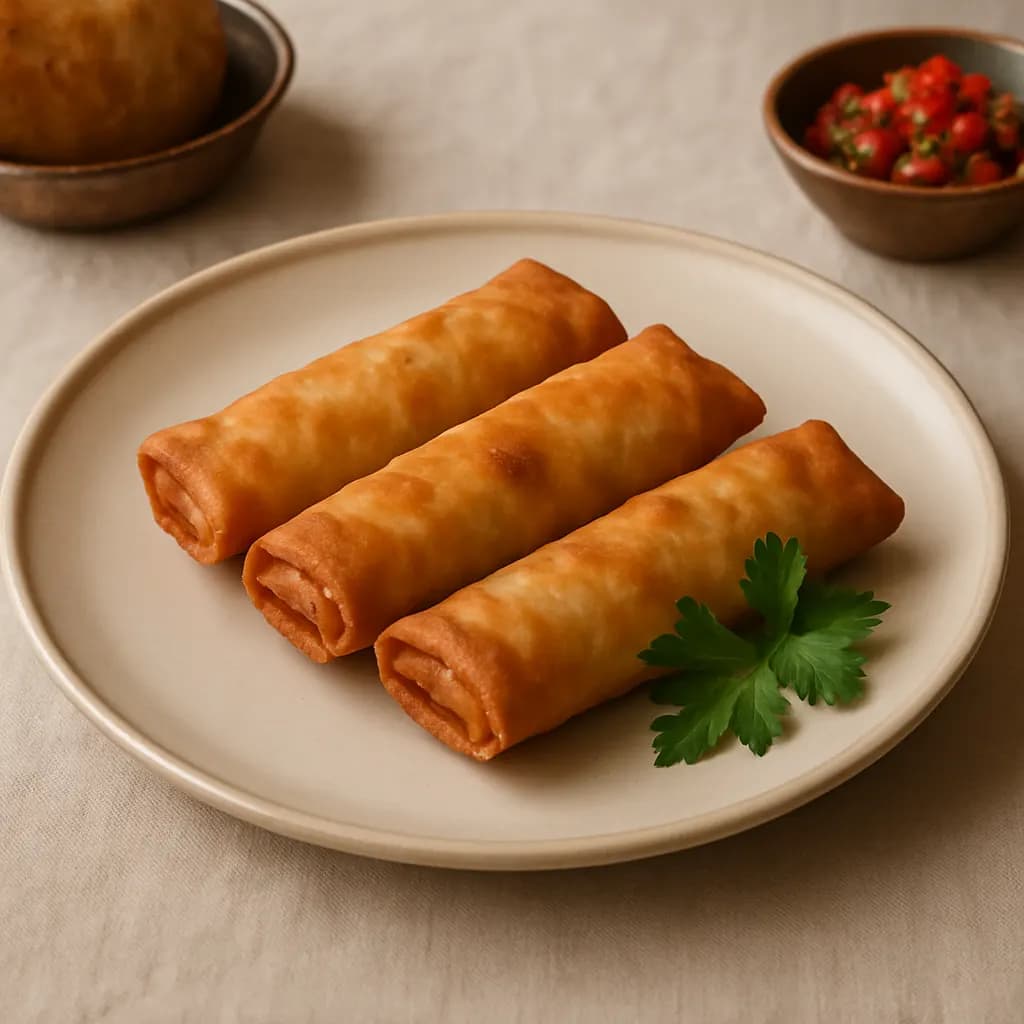
Pachanga Borek
A fried pastry from Istanbul filled with pastirma, cheese, and peppers.
From the cuisine of Marmara
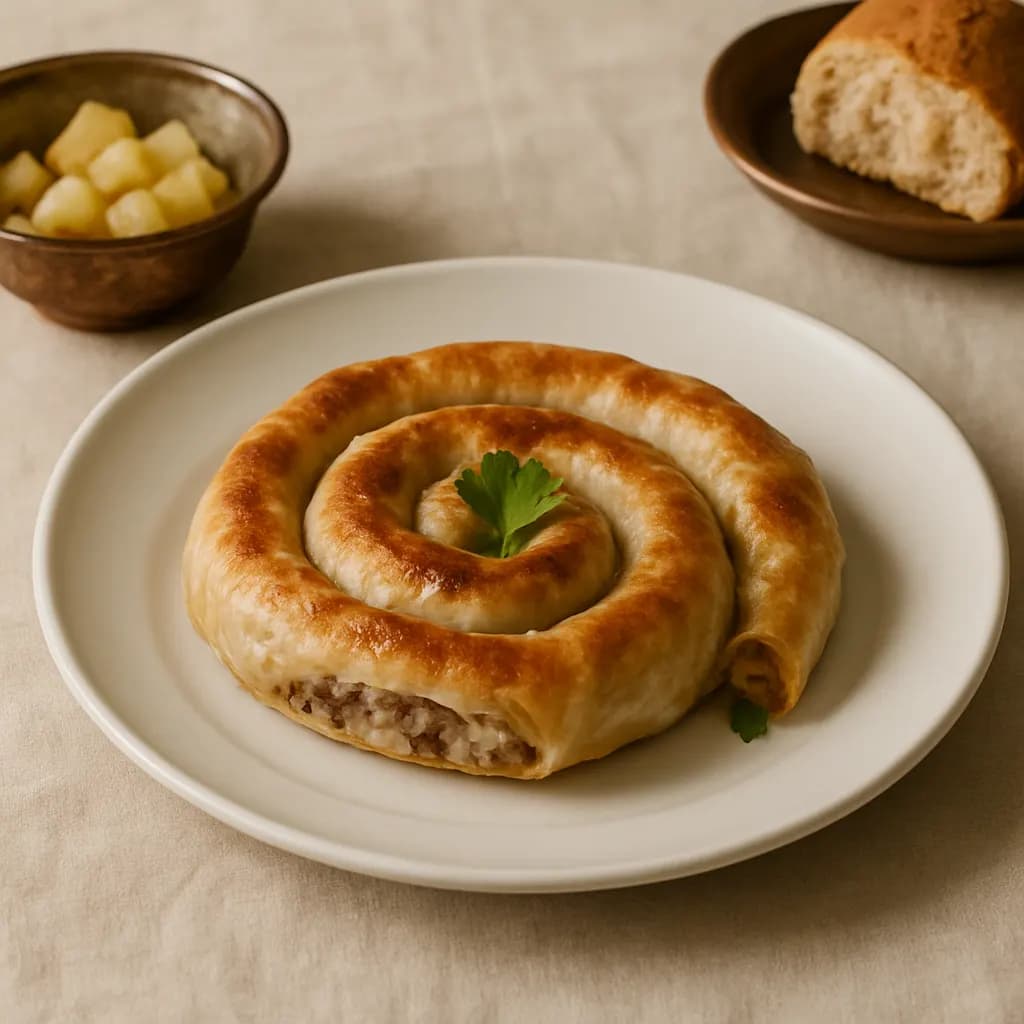
Bosnian Burek
A pastry from Balkan immigrant cuisine that combines stretched dough with a filling of minced meat and potatoes; it is baked in a rotating tray.
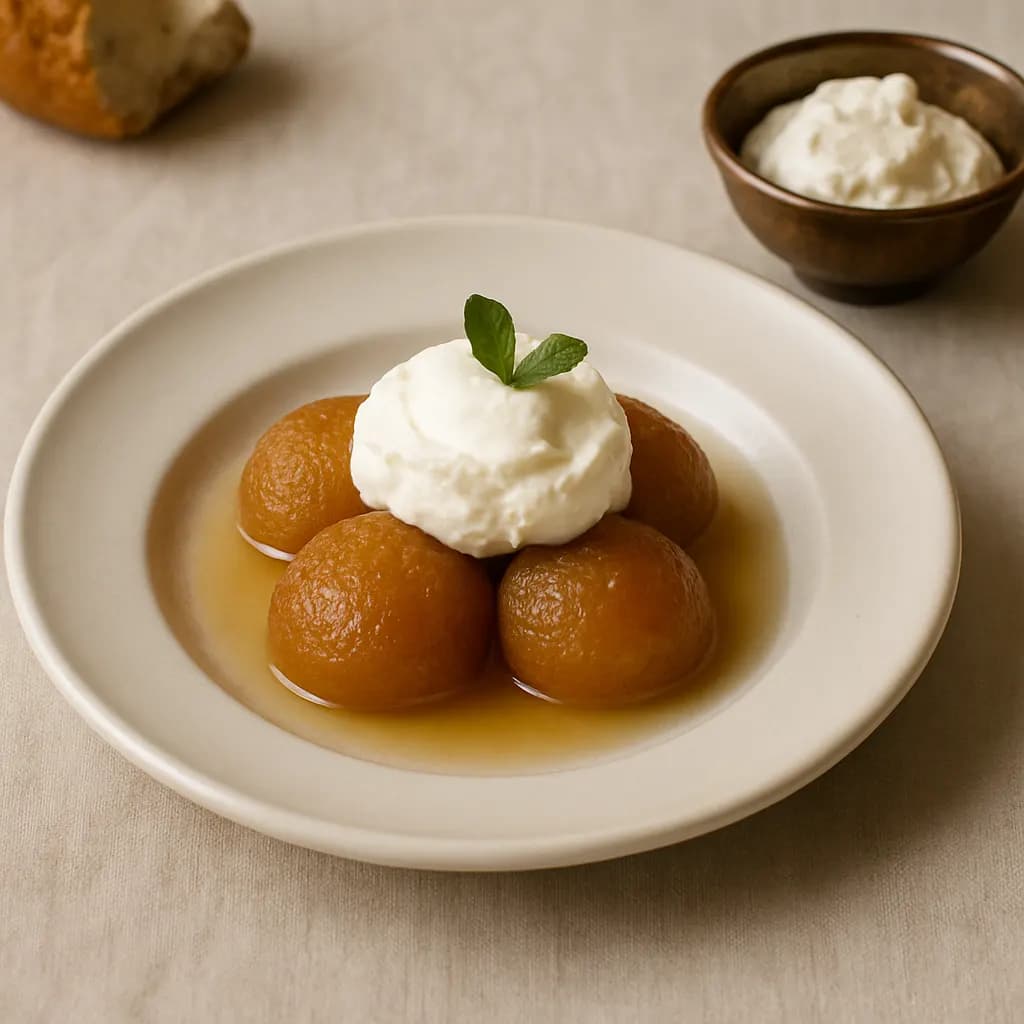
Kemalpaşa Dessert
Kemalpaşa Dessert from Bursa-Mustafakemalpaşa is made from cheese dough that is dried and cooked in syrup; it is topped with clotted cream.
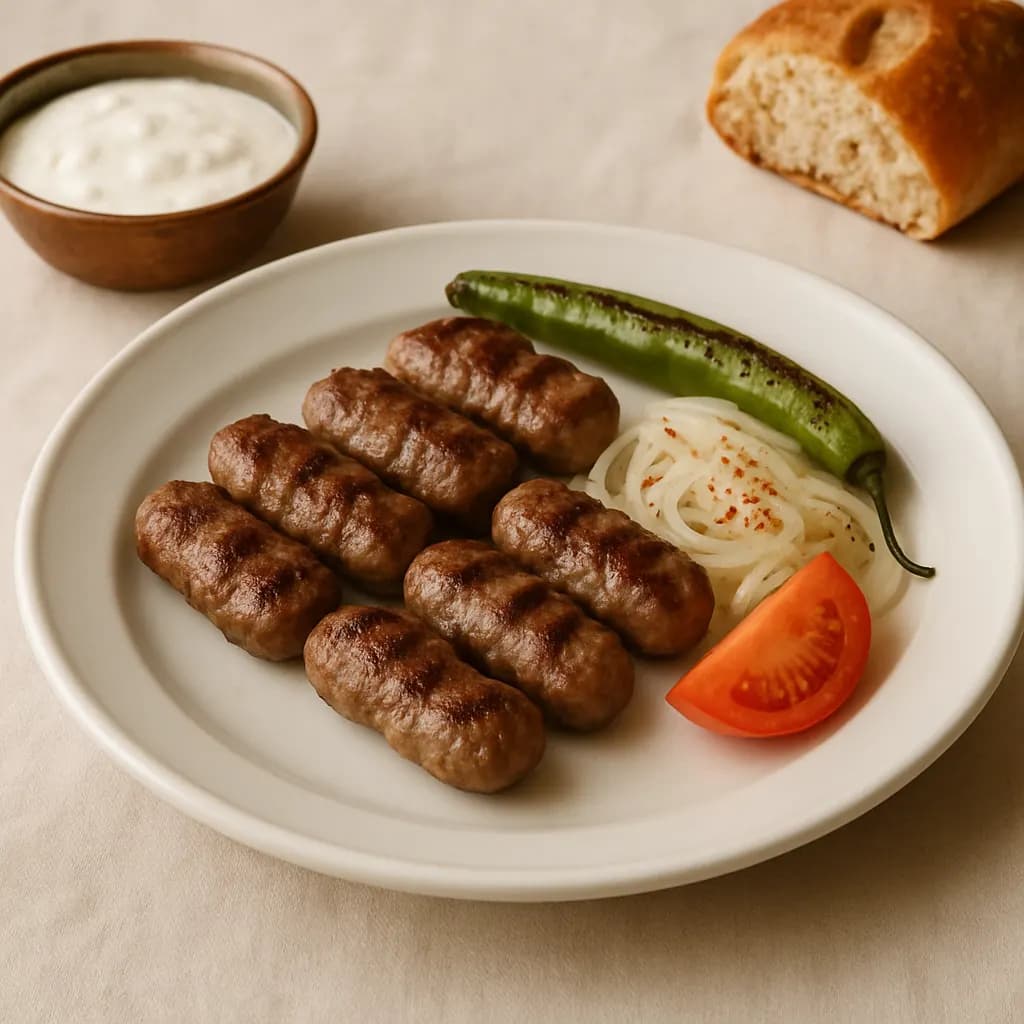
Inegol Kebab
The Bursa-Inegol kebab keeps the spices simple and relies on resting the meat mixture; the onion-based filling is distinctive.
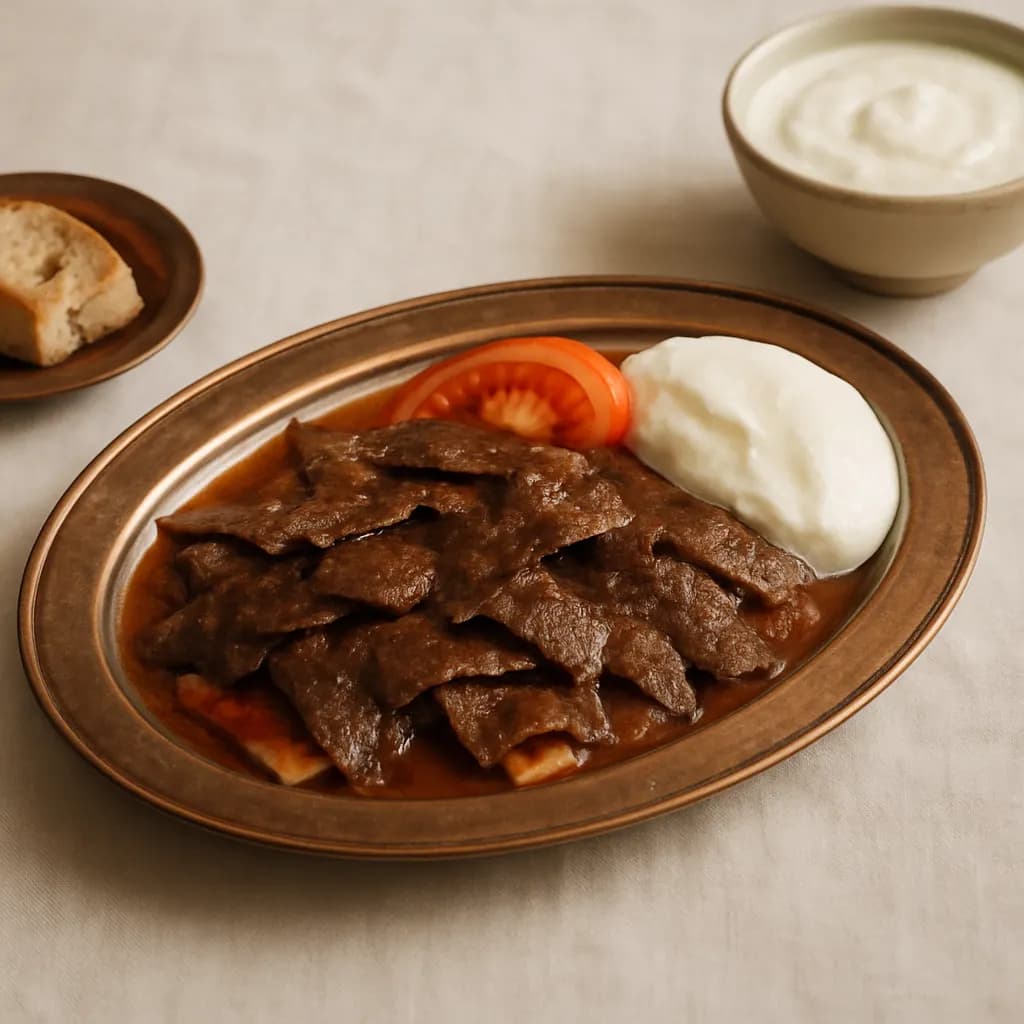
Iskender Kebab
Originating from Bursa, it consists of döner served over pide with butter and tomato sauce, accompanied by yogurt. It is based on the mastery tradition known as İskender Efendi from the late 19th century.
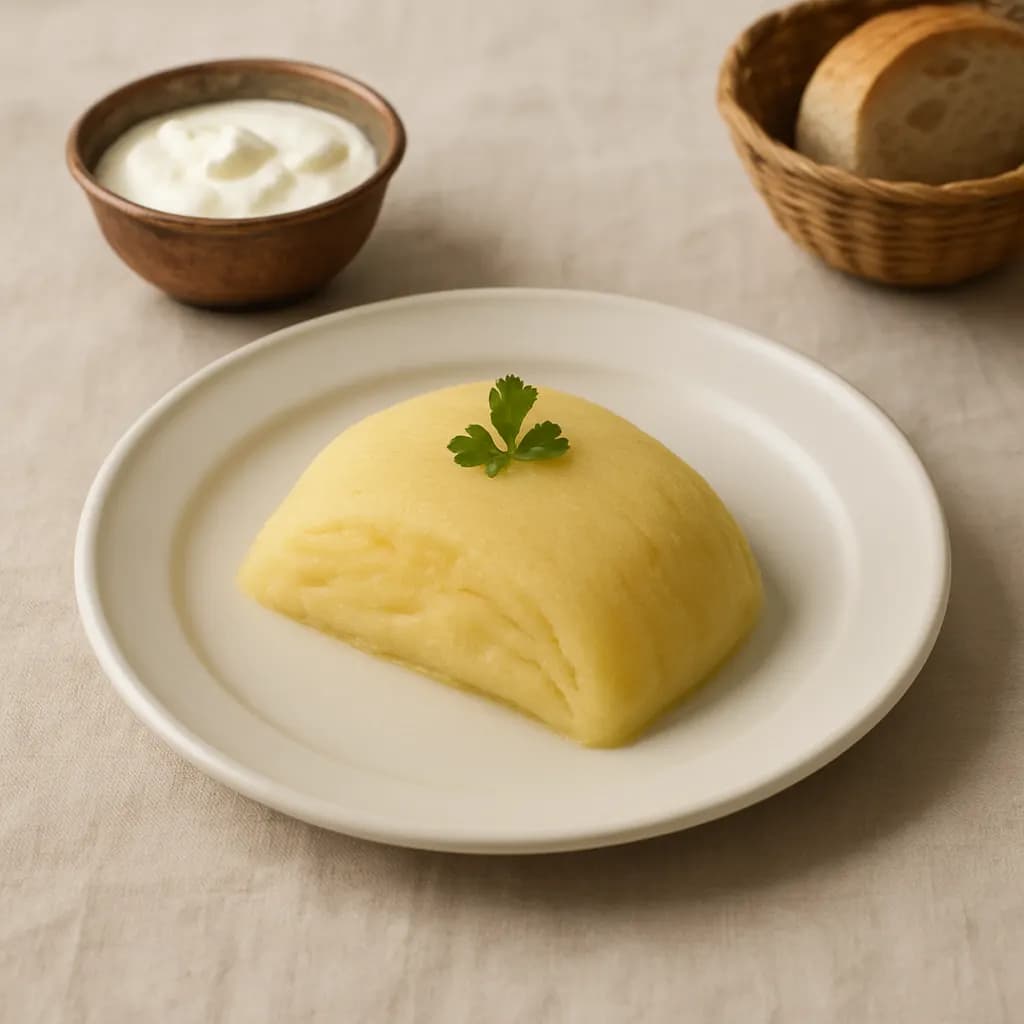
Cheese Halva
A Marmara dessert made by cooking fresh unsalted cheese with semolina; it is particularly strong in Tekirdağ and Çanakkale regions.
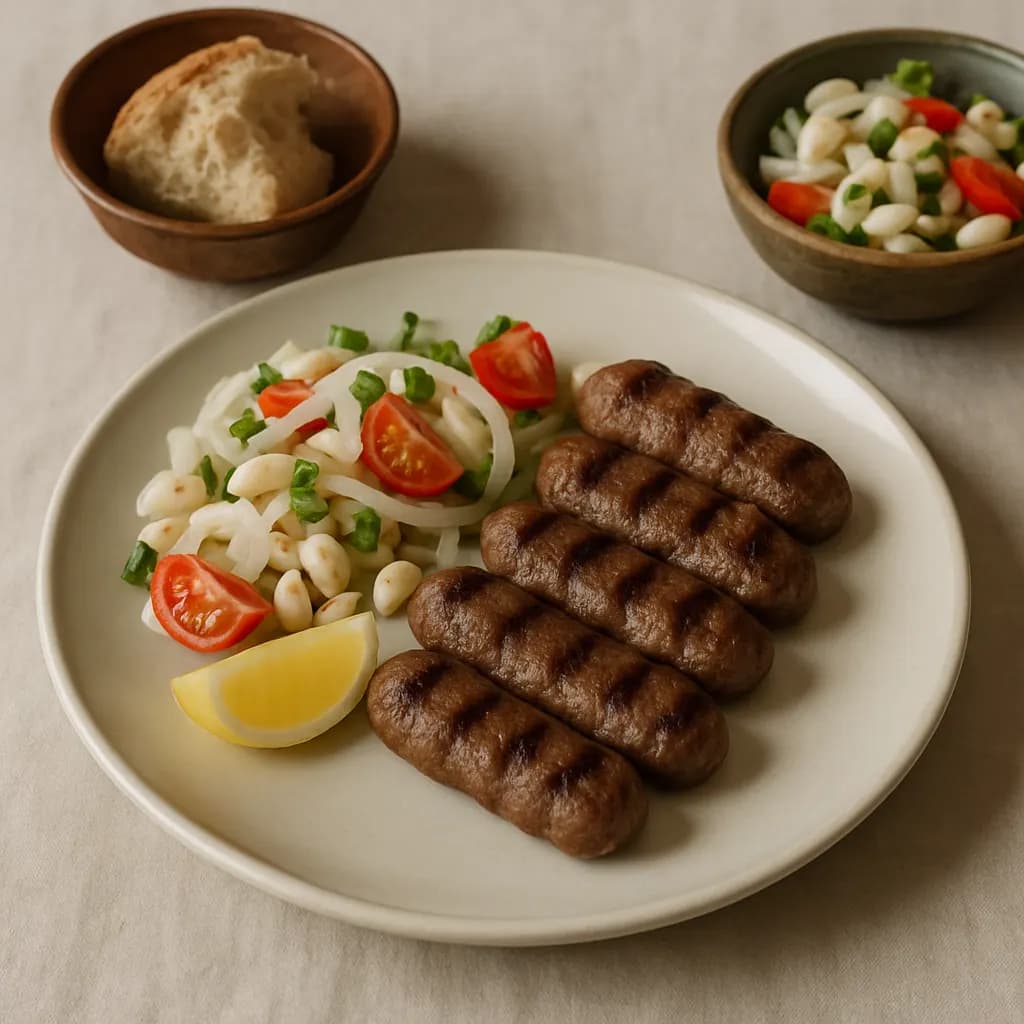
Tekirdağ Meatballs
A long, small-shaped meatball from Thrace, known for its unique filling and serving tradition; often served with piyaz.
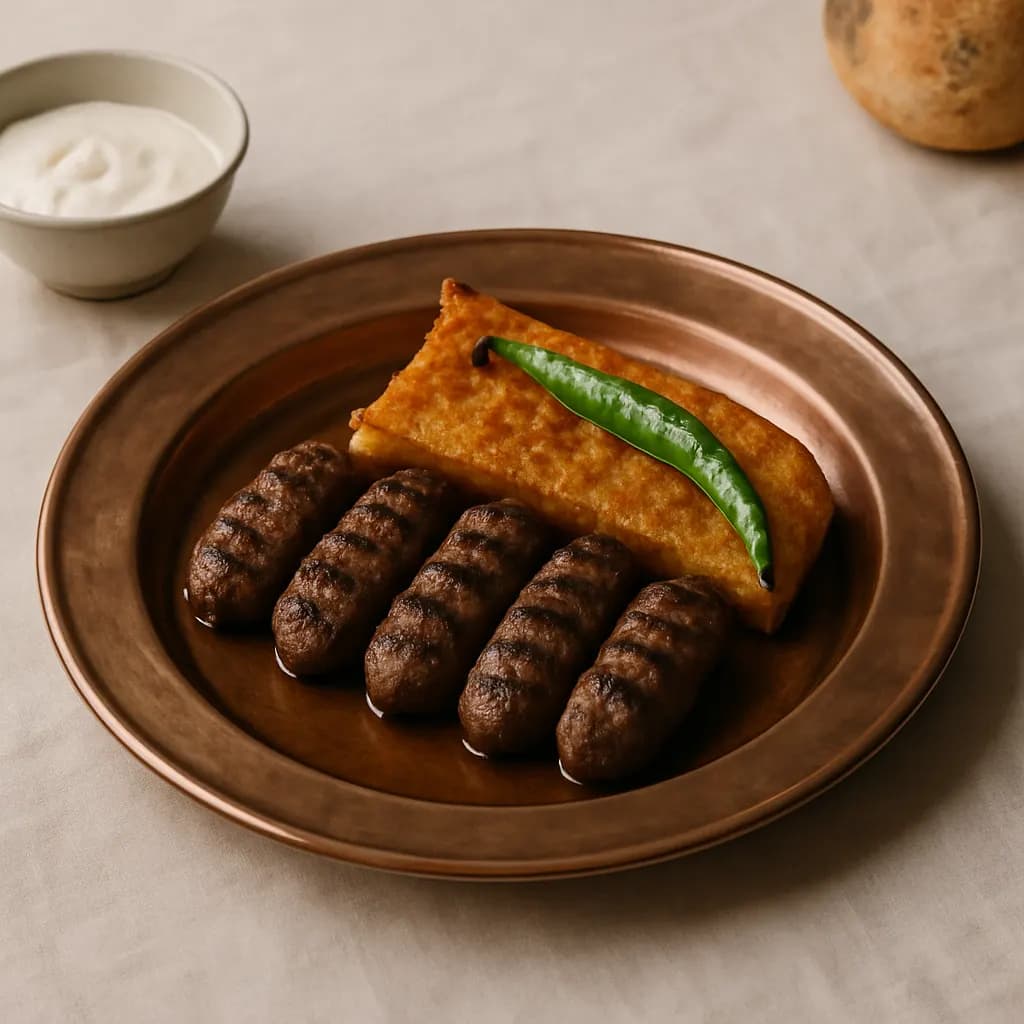
Islama Kofte
A tradition from Sakarya-Adapazarı: meatballs served with bread soaked in meat broth and fried with peppers.
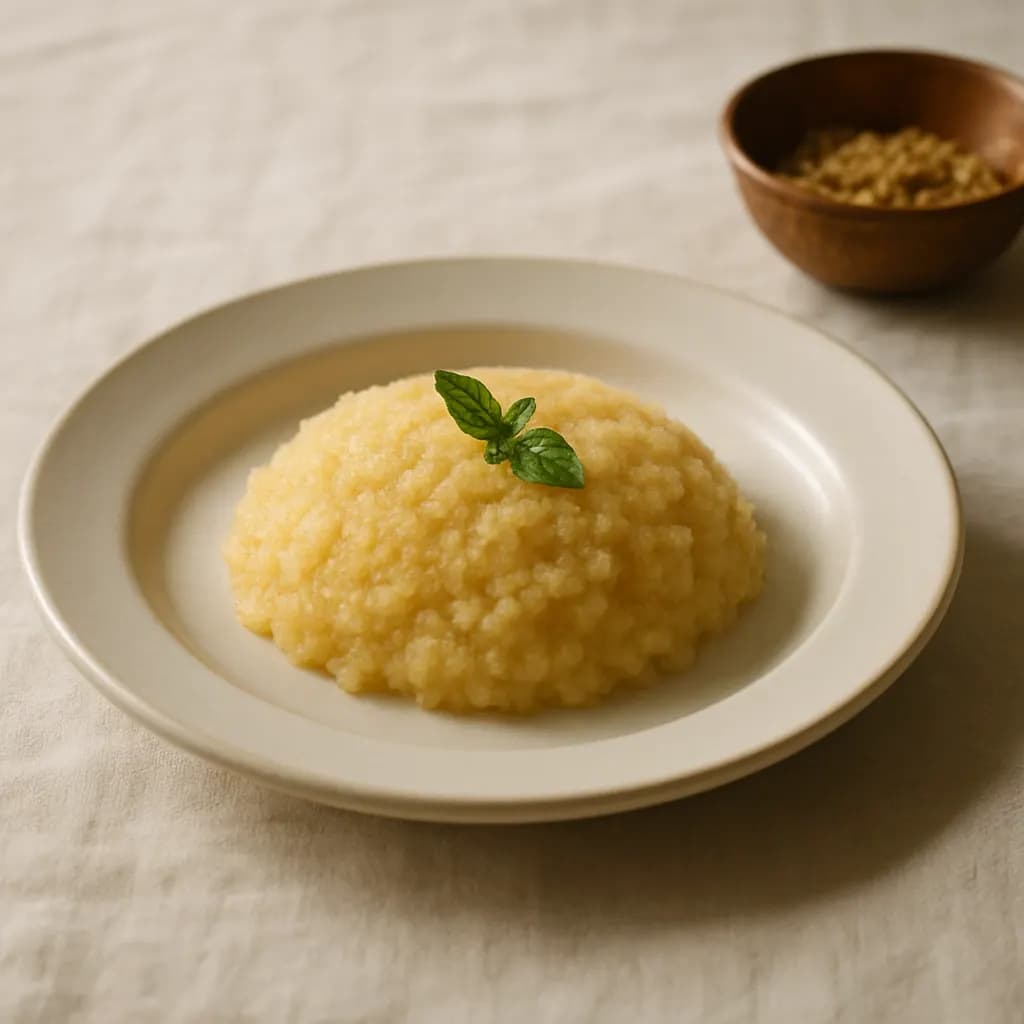
Höşmerim
A sweet made from unsalted fresh cheese cooked with semolina and sugar; the same name is given to different sweets in various regions, with the Balıkesir family being one of them.
Documented taste stops
- Şahin Lokantası · Beyoğlu, Asmalımescit — The Asmalımescit tradesmen's classic address for stews and döner.
- Kanaat Lokantası · Üsküdar — Uzbek pilaf, handmade ice cream and palace-kitchen olive-oil dishes.
- Yanyalı Fehmi Lokantası · Kadıköy — Aubergine-wrapped Yanya köfte and traditional Ottoman cuisine; in the Michelin Bib Gourmand selection.
- Hünkâr Lokantası · Nişantaşı — Refined tradesmen's dishes such as quince stew, tas kebab and kadınbudu köfte.
- Lades Menemen & Lokanta · Beyoğlu — Chicken broth soup, legendary menemen and classic pot dishes.
- Tarihi Subaşı Lokantası · Sirkeci — The Grand Bazaar tradesmen's historic stop for meat and vegetable dishes.
- Nato Lokantası · Karaköy — The Karaköy tradesmen's choice for döner, purée and stews.
- Çiya Sofrası · Kadıköy Çarşısı — Anatolia's forgotten regional pot dishes and local herbs; a living archive featured in international documentaries.
- Kardeşim Lokantası · Kemerburgaz — Wood-fire meat döner and İspir beans.
- Tarihi Karaköy Lokantası · Karaköy — A classic tradesmen's lokanta menu by day, in a tiled historic interior.
- Pandeli · Eminönü, Mısır Çarşısı üstü — One of İstanbul's oldest restaurants, with its turquoise-tiled hall; Ottoman-İstanbul cuisine.
- Vefa Bozacısı · Vefa, Fatih — The living address of the boza tradition; a classic stop on winter evenings.
- Karaköy Güllüoğlu · Karaköy — The classic address that carried Gaziantep's baklava mastery to İstanbul.
- Tarihi Sultanahmet Köftecisi · Sultanahmet, Divanyolu — The lokanta regarded as the century-old standard of the köfte-and-piyaz pairing.
- Hafız Mustafa 1864 · Eminönü — An institution carrying confectionery and dessert tradition from Ottoman times to today.
From the Michelin selection
- Turk Fatih Tutak · Bomonti — two Michelin stars + Green Star
- Araf İstanbul · — one Michelin star
- Araka · — one Michelin star
- Arkestra · — one Michelin star
- Casa Lavanda · Şile — one Michelin star
- Mikla · Beyoğlu (The Marmara Pera) — one Michelin star
- Neolokal · Karaköy (SALT Galata) — one Michelin star
- Nicole · Beyoğlu (Tomtom) — one Michelin star
- Sankai by Nagaya · — one Michelin star
How it is eaten, how it is ordered
- Why is baklava never kept in the fridge?
In the cold the butter solidifies, the syrup crystallises and the pastry draws moisture and loses its crispness. Baklava is kept at room temperature, uncovered, and ideally eaten the same day.
- Does water or yogurt calm chili heat?
Yogurt, ayran and milk work; water does not. Capsaicin, the compound behind the heat, does not dissolve in water but does in fat and milk protein; water merely spreads it and the burn returns.
- Why are olive-oil dishes not served hot?
Olive oil's aroma evaporates as it heats, yet turns heavy when chilled. The dishes taste best in between, at room temperature, and their flavours also marry as they rest.
What are you in the mood for in İstanbul?
Frequently asked
- What to eat in İstanbul?
- Among the records identified with İstanbul, Albanian Liver, Steamed Fish, Fish Sandwich, Barbunya Pilaki, Beyti Kebab, Boza stand out. On GustoMesh each record carries its cultural summary, technique and table balance; the list is a record of the city's culinary identity, not a ranking.
- Where to eat in İstanbul?
- The directory holds 626 real venue records for İstanbul, of which 15 are documented taste stops. The records come from OpenStreetMap, are unassessed and carry no score.
- What are the classic dishes of İstanbul?
- On the Atlas the “classic” label means the record represents the established, widely shared method. For İstanbul these are Steamed Fish, Fish Sandwich, Barbunya Pilaki, Boza, Tamarind Sherbet; each carries a technique note and a sourced story card.
- What defines the cuisine of İstanbul?
- Istanbul is not one cuisine but a city of tables laid over one another: the refined classics of the palace kitchen, Anatolian counters brought by migration, the fish tradition of the shore and century-old tradesmen's restaurants can all be eaten in a single day. A day that begins with simit and tea and ends at a meze table is the city's own rhythm.
Other provinces of the same region — Marmara
BalıkesirBilecikBursaÇanakkaleEdirneKırklareliKocaeliSakaryaTekirdağYalova
Other cities
This is not an invented ranking: the dishes come from the regional links of Atlas records, the stops from documented curation, the venues from the OpenStreetMap directory. The order carries no quality claim.