GustoAtlas
The Memory of Turkish Cuisine — cultural context, technique notes and sourced stories.
Dishes of memory identified with a city or district
63 entries
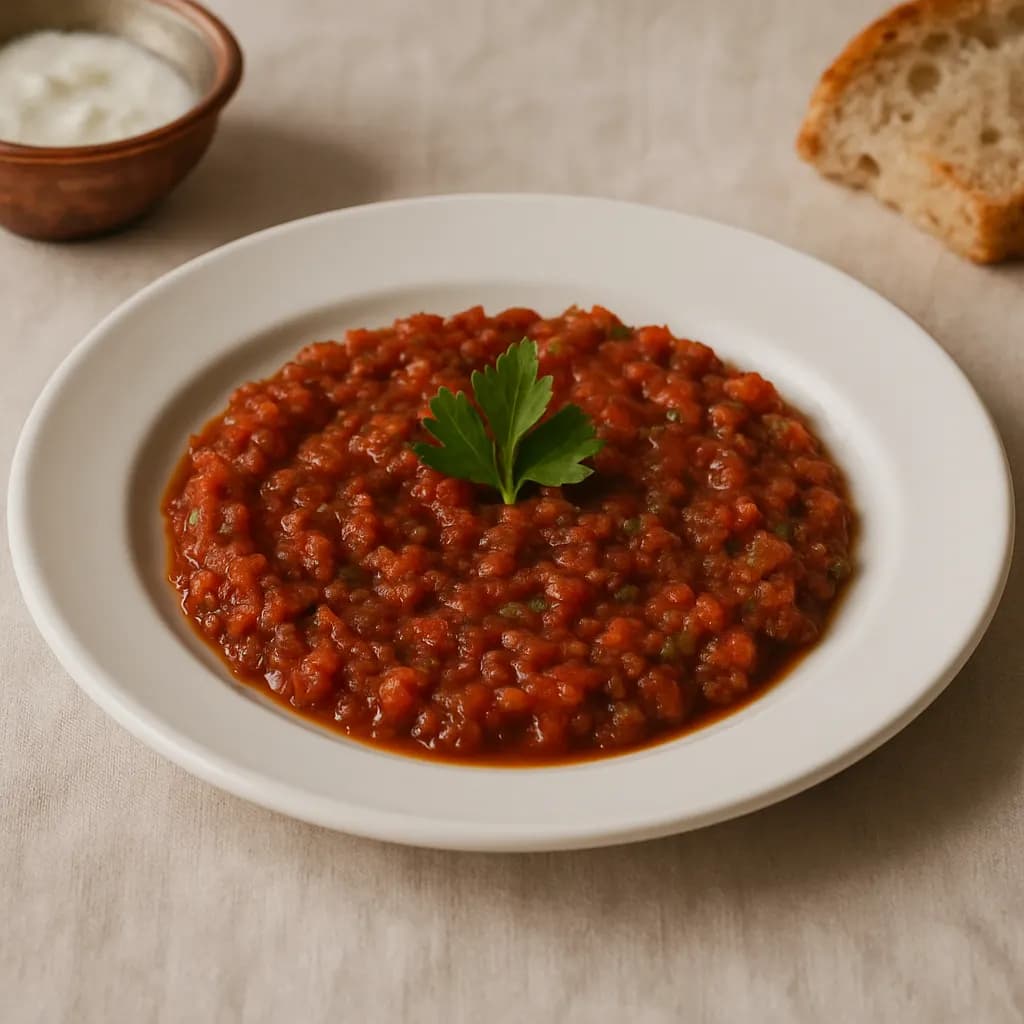
Spicy Tomato and Pepper Salad(Acılı Ezme)
yöreselA finely chopped mezze from Gaziantep made with tomatoes and peppers, blended with paste, vinegar, and spices; an indispensable accompaniment to kebabs.
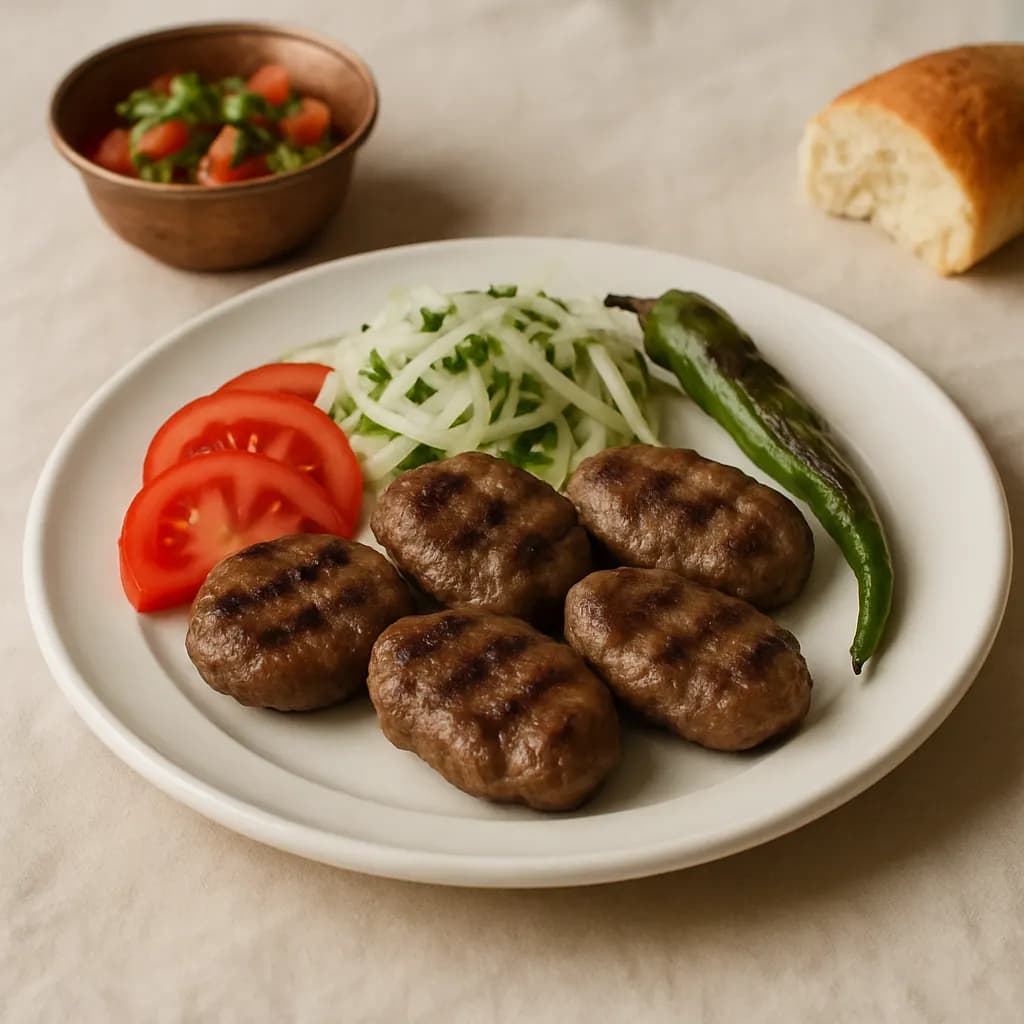
Akçaabat Kebab(Akçaabat Köftesi)
yöreselA grilled meatball from Akçaabat, Trabzon, known for its balance of meat and garlic.
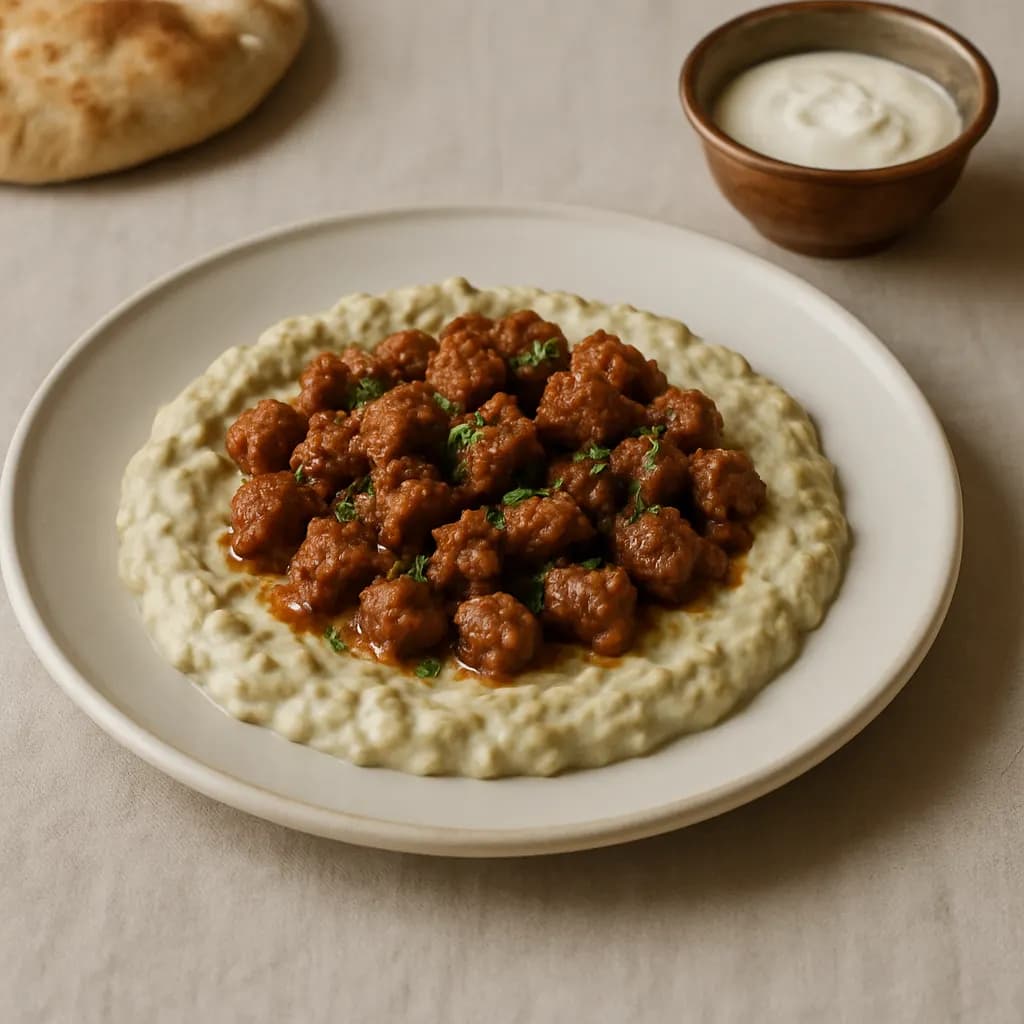
Ali Nazik
yöreselFrom Gaziantep cuisine; roasted eggplant is mashed with garlic yogurt, topped with sautéed diced meat or ground meat. The smoky flavor combines with the coolness of the yogurt on a single plate.
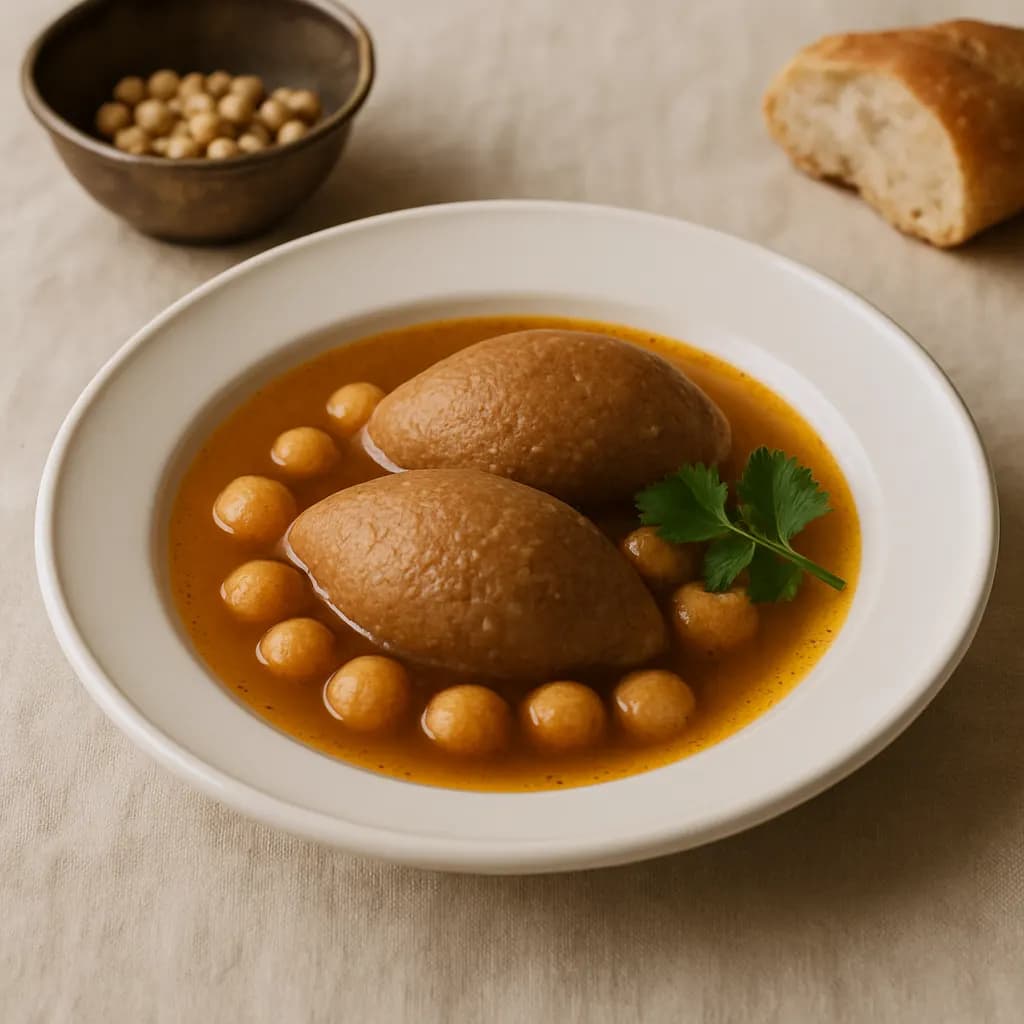
Analı Kızlı
yöreselA hearty Southern classic where large stuffed meatballs meet small bulgur meatballs in a sour broth; the name comes from the two types of meatballs.
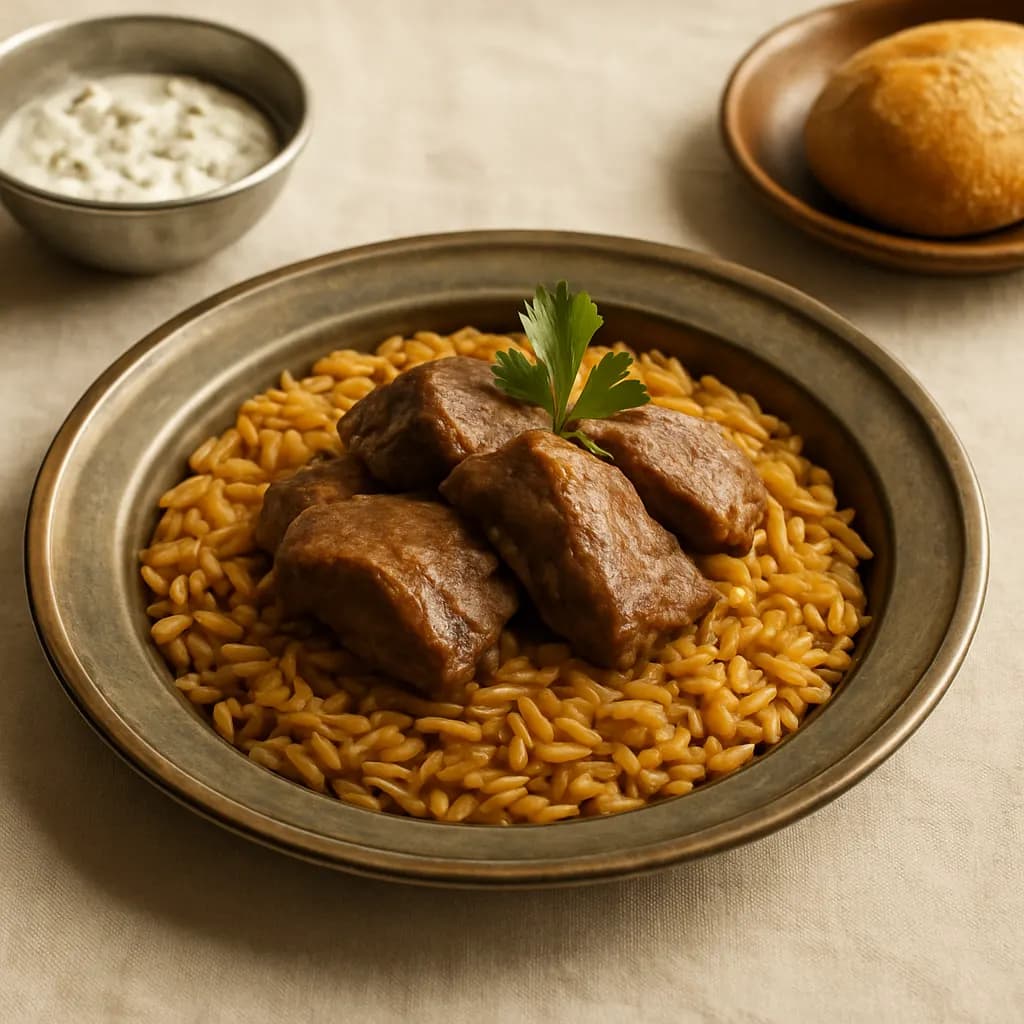
Ankara Tava
yöreselA classic dish named after the capital, where lamb is baked with orzo. It represents the cuisine of Ankara.
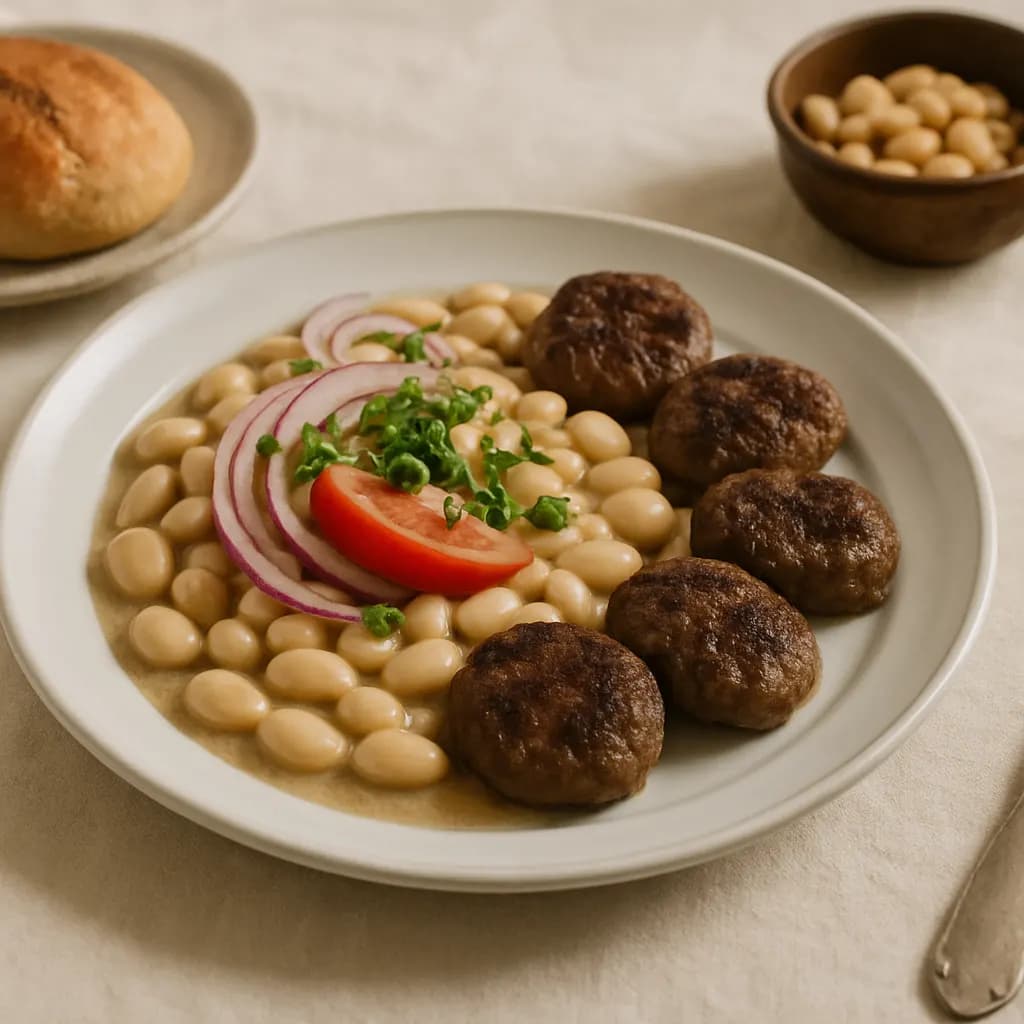
Antalya Piyaz(Antalya Piyazı)
yöreselA regional variation of piyaz where white beans are combined with tahini, distinct from the classic version. It is a traditional lunch dish served with meatballs in the area.
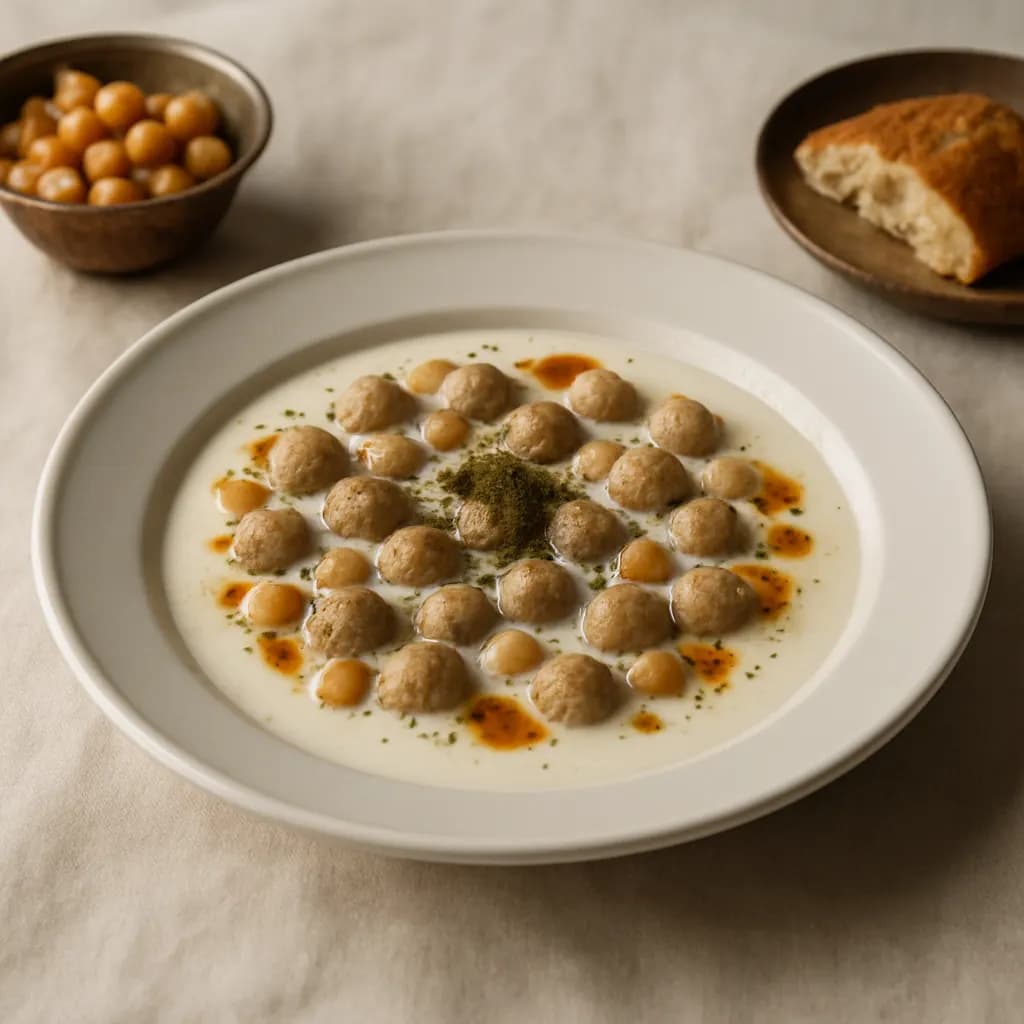
Antep Yuvarlaması
yöreselA festive dish where small meatballs made with rice combine with meat, chickpeas, and yogurt; the official local recipe documents the main structure.
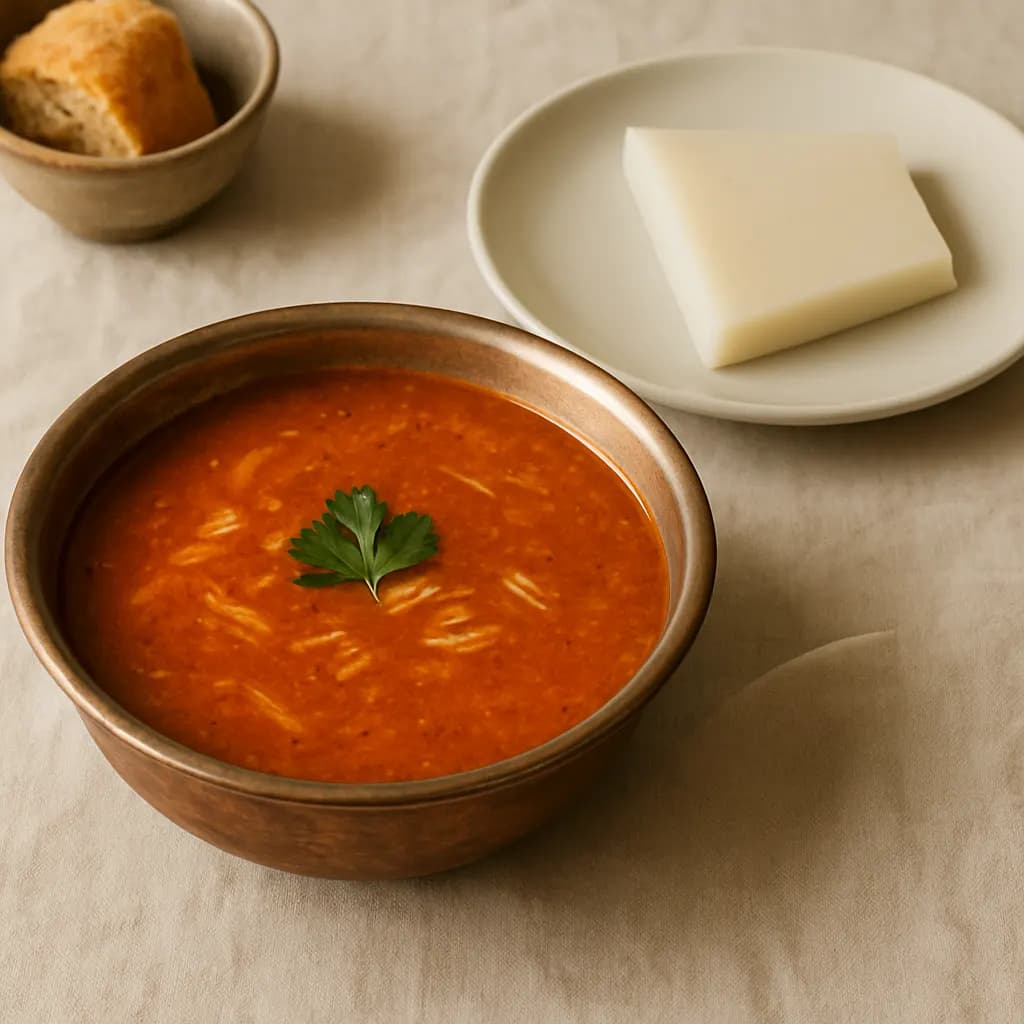
Arabaşı Soup(Arabaşı Çorbası)
yöreselA winter table arrangement where spicy chicken soup is served alongside a separately cooked and cooled dough; it is the name for both the soup and the way of eating it together.
Avelok
yöreselThe avelok herb gathered around Bitlis in spring is cooked with chickpeas and bulgur; a dried version kept for winter is also common. The herb's own sourness is the measure of the dish.
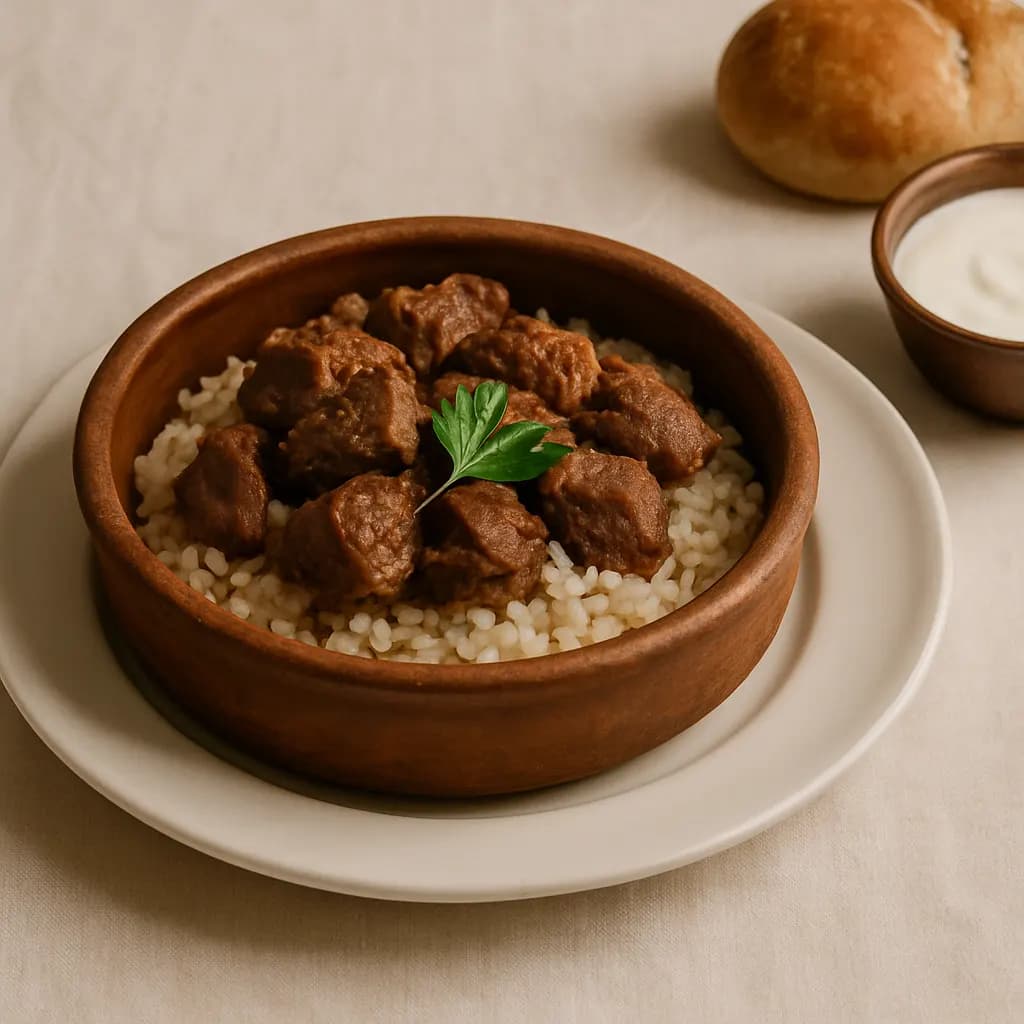
Beypazarı Stew(Beypazarı Güveci)
yöreselA dish from the Ankara-Beypazarı region where meat and rice are slowly cooked in a casserole; it is the second representative of the pilot city on Atlas.
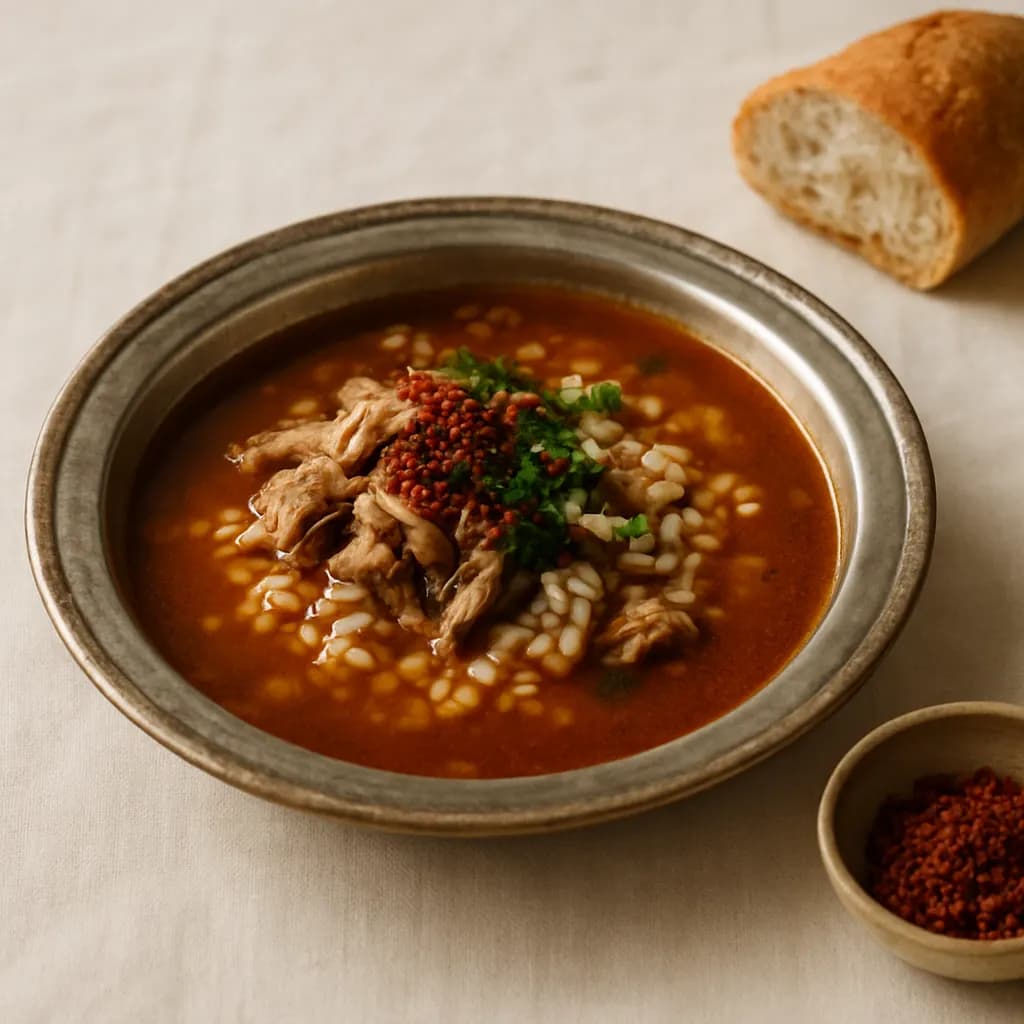
Beyran Soup(Beyran Çorbası)
yöreselA strong start to the mornings in Gaziantep: lamb shank cooked overnight meets boiled rice and plenty of garlic in a hot stone pot. It is a tradition to begin the day with spiciness.
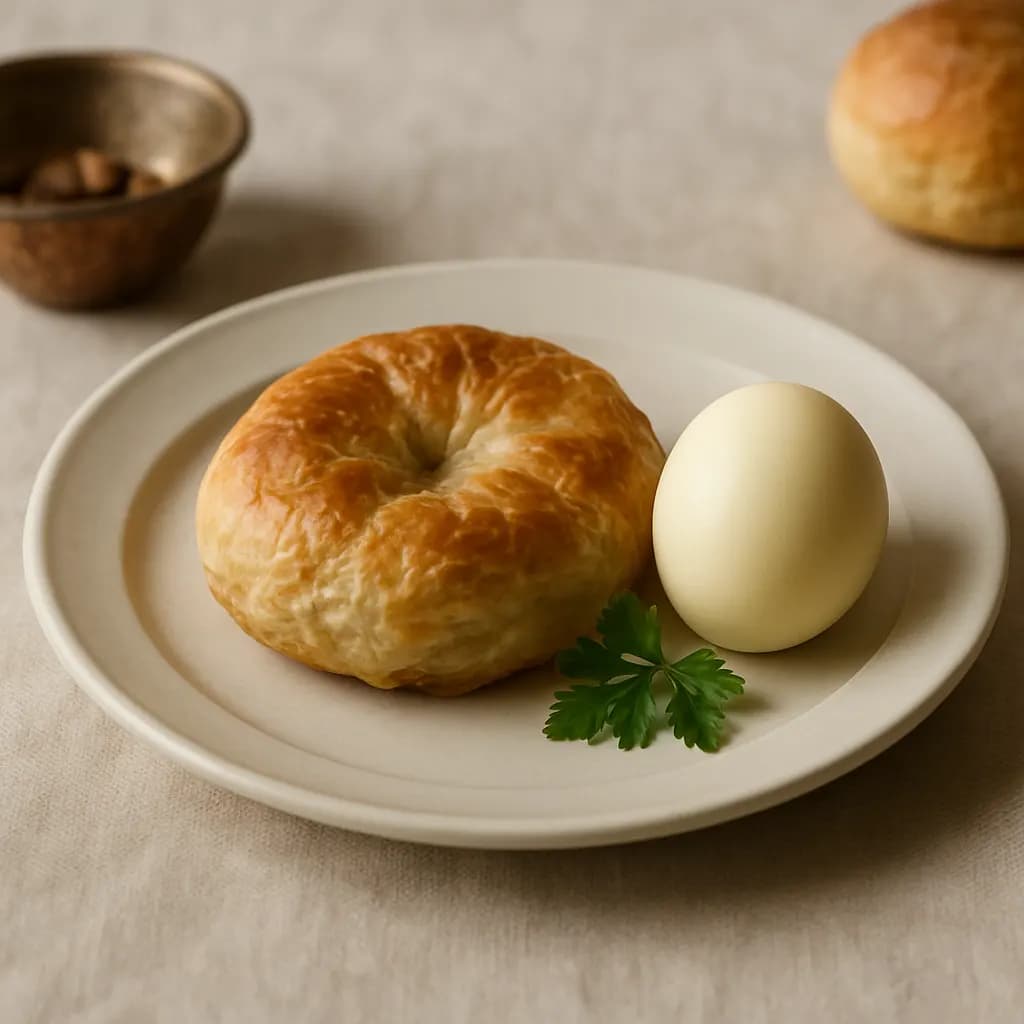
Boyoz
yöreselA baked product made from layered, fatty dough, closely associated with Izmir; it is linked to Sephardic culinary heritage and is eaten with boiled eggs.
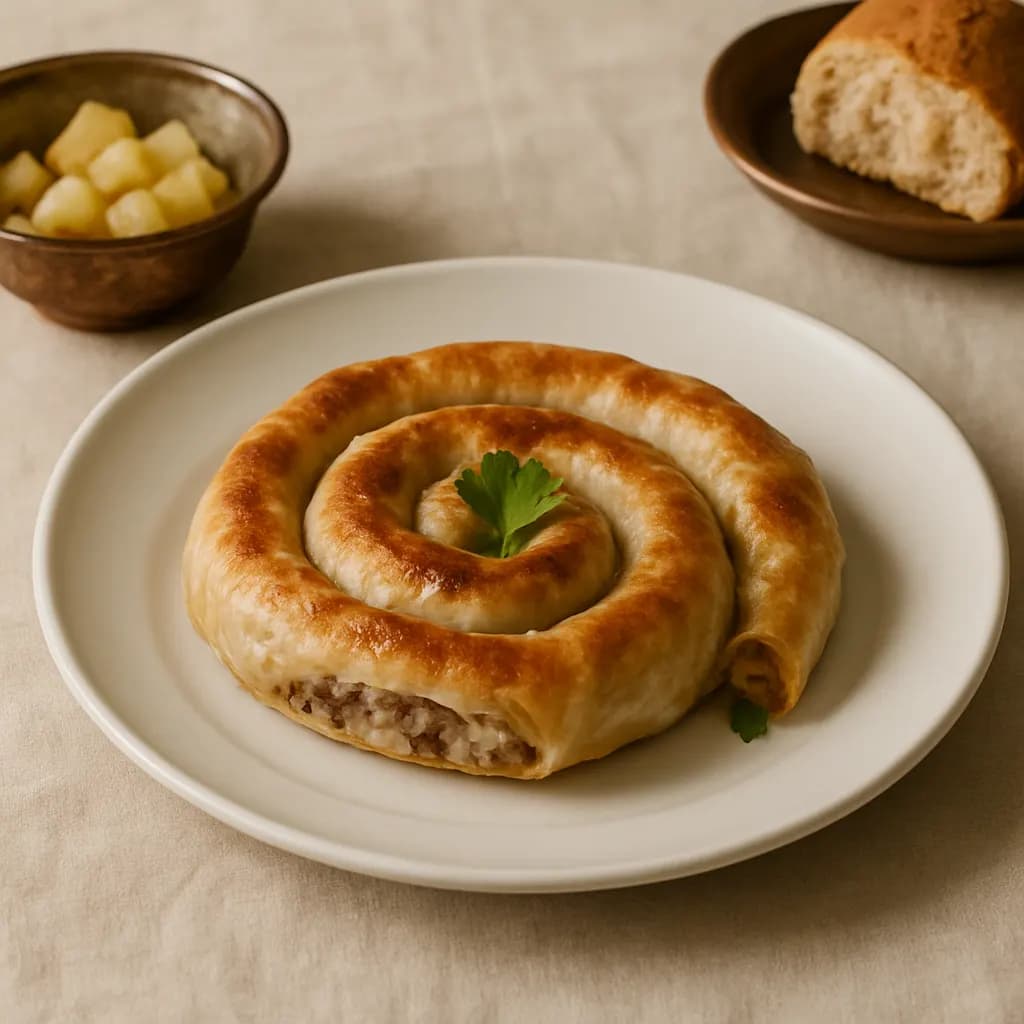
Bosnian Burek(Boşnak Böreği)
yöreselA pastry from Balkan immigrant cuisine that combines stretched dough with a filling of minced meat and potatoes; it is baked in a rotating tray.
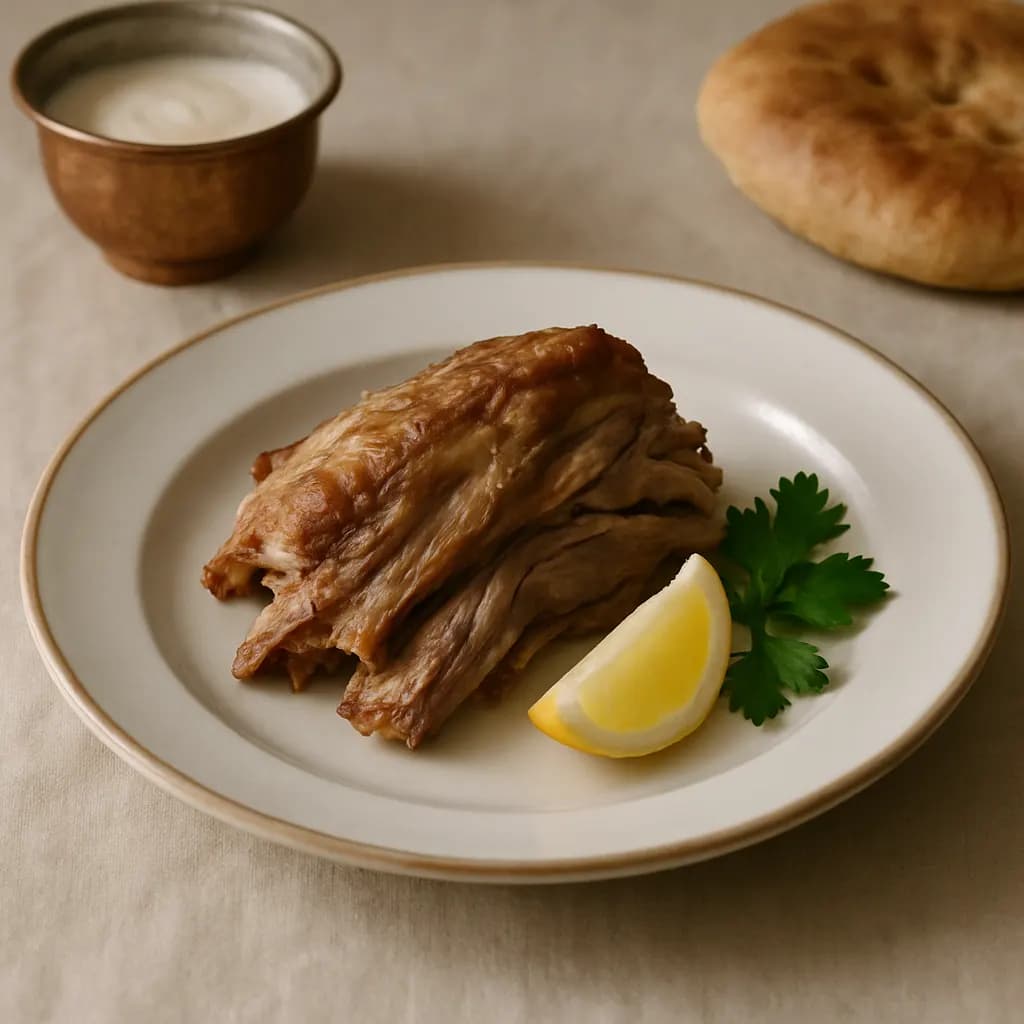
Biryani(Büryan)
yöreselA version of lamb cooked in a pit, associated with Siirt and Bitlis; it is a tradition that runs out by lunchtime, originating from a morning tradesmen custom.
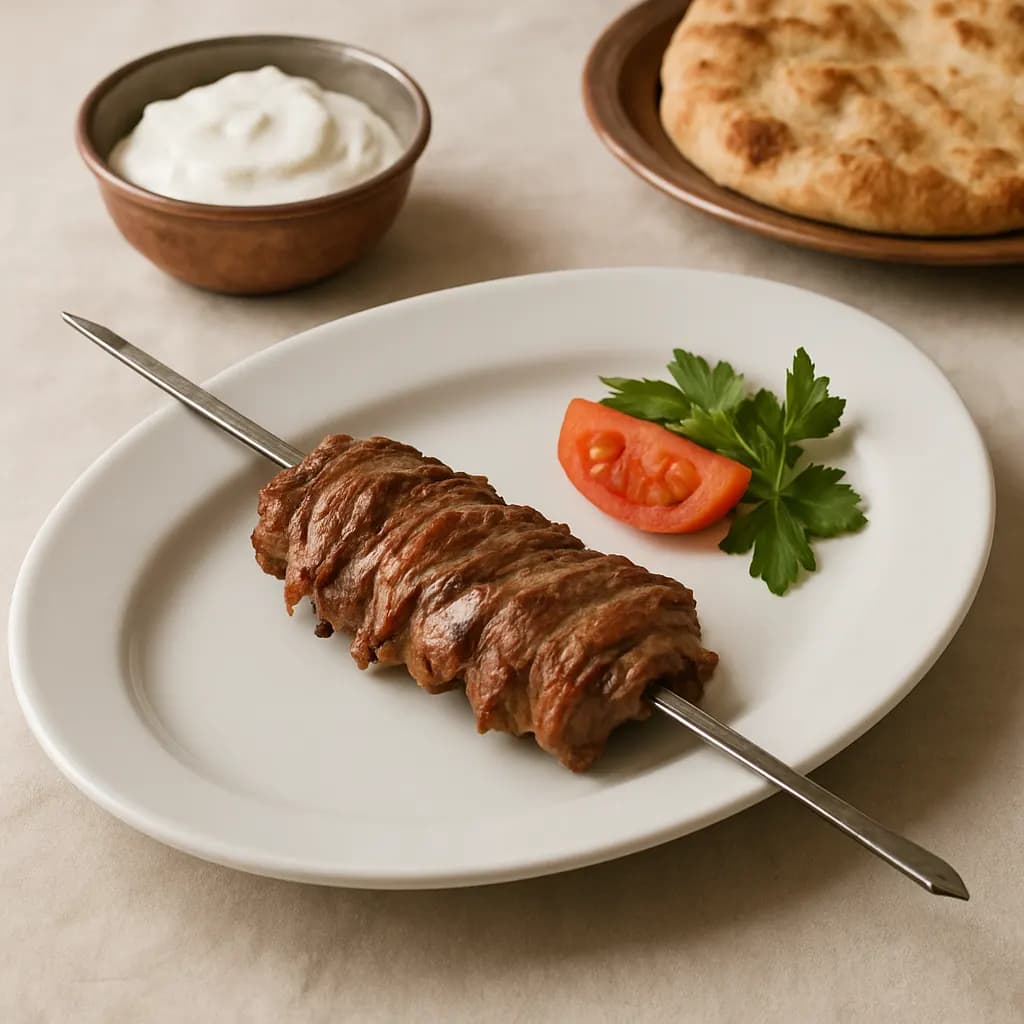
Cag Kebab(Cağ Kebabı)
yöreselA lamb kebab from the Erzurum region, cooked over wood fire on a horizontal skewer; slices are served cut with small skewers called 'cag'. It has a geographical indication.
Civil Cheese(Civil Peyniri)
yöreselAn Erzurum cheese made from skimmed milk and pulled open into fine strands; also known as cecil. It is eaten at the breakfast table and alongside dried curd. It carries a geographical indication.
Erzincan Tulum Cheese(Erzincan Tulum Peyniri)
yöreselA hard, sharp cheese made from the highland milk of the Savak herders and ripened in a skin. As it matures it crumbles and its scent deepens. It carries a geographical indication.
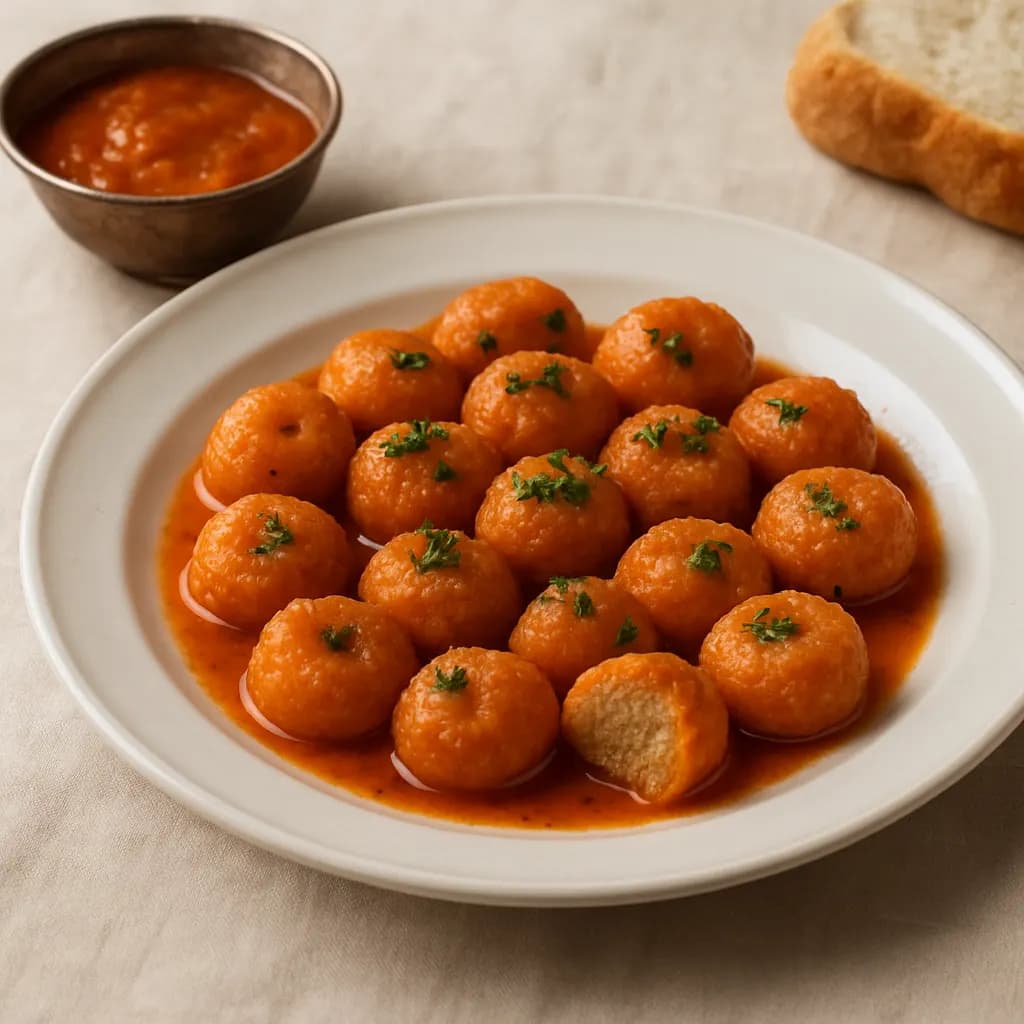
Fellah Kofte(Fellah Köftesi)
yöreselA Mediterranean dish made of bulgur meatballs complemented with a garlic and tangy tomato sauce, without meat.
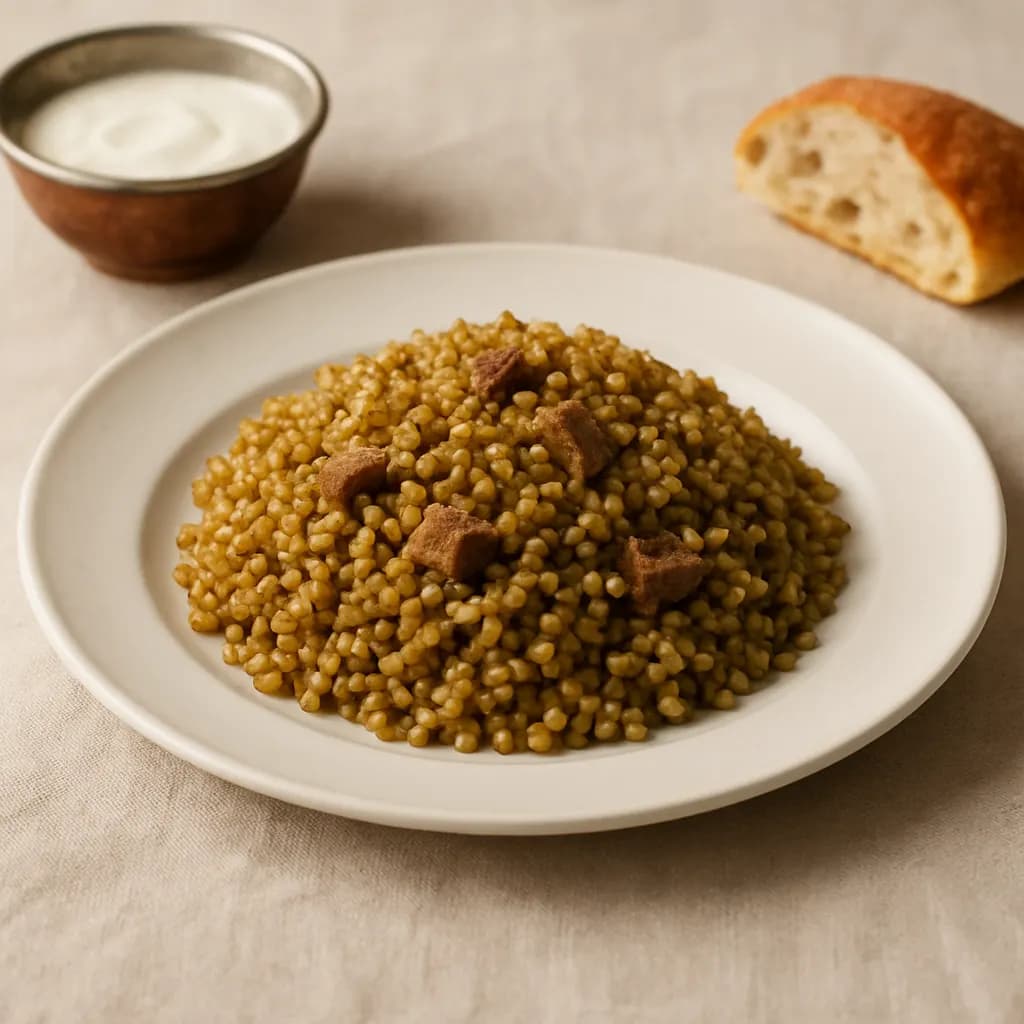
Firik Pilaf(Firik Pilavı)
yöreselA Southeast Anatolian pilaf where the smoky aroma of firik distinguishes it from regular bulgur; firik pilafs are recorded in the inventory of Gaziantep.
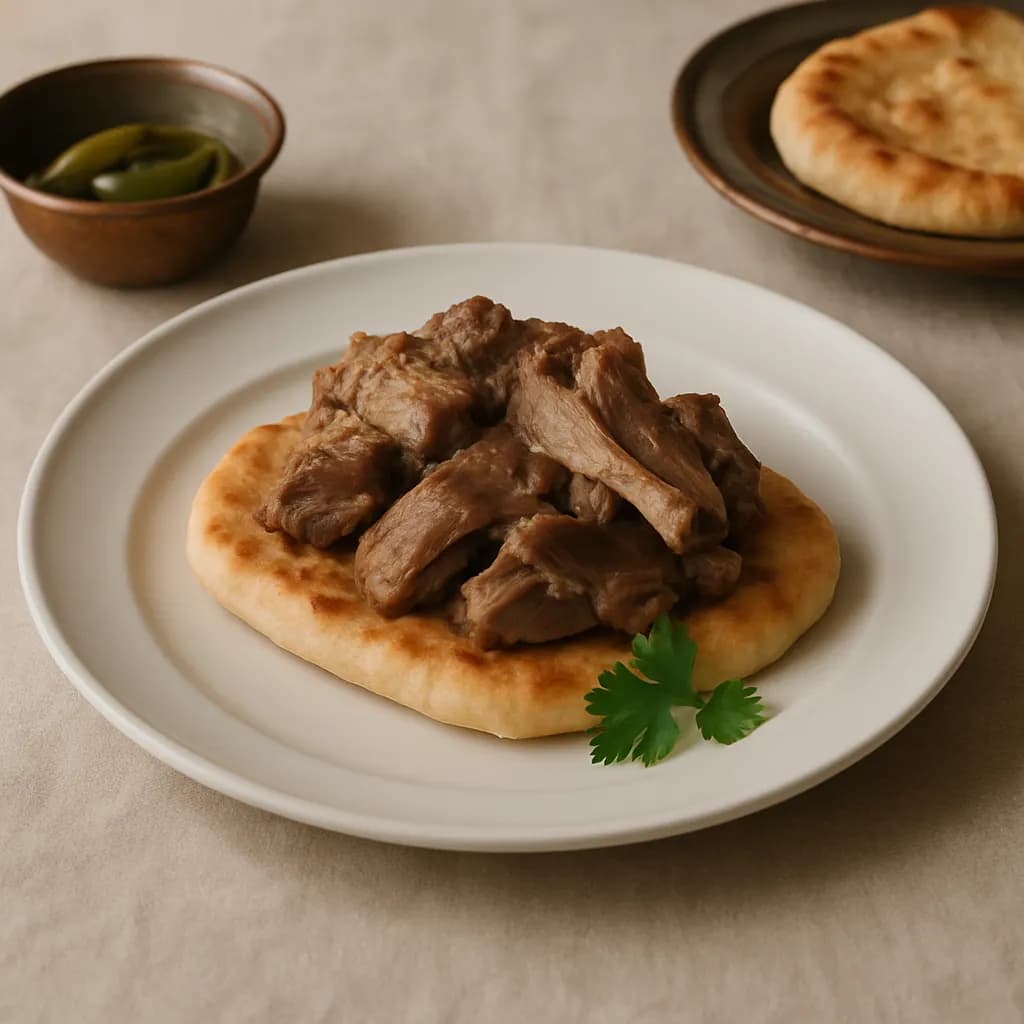
Oven Kebab(Fırın Kebabı)
yöreselA kebab that is synonymous with Konya, made from lamb meat cooked slowly in a stone oven in its own fat; served on bread.
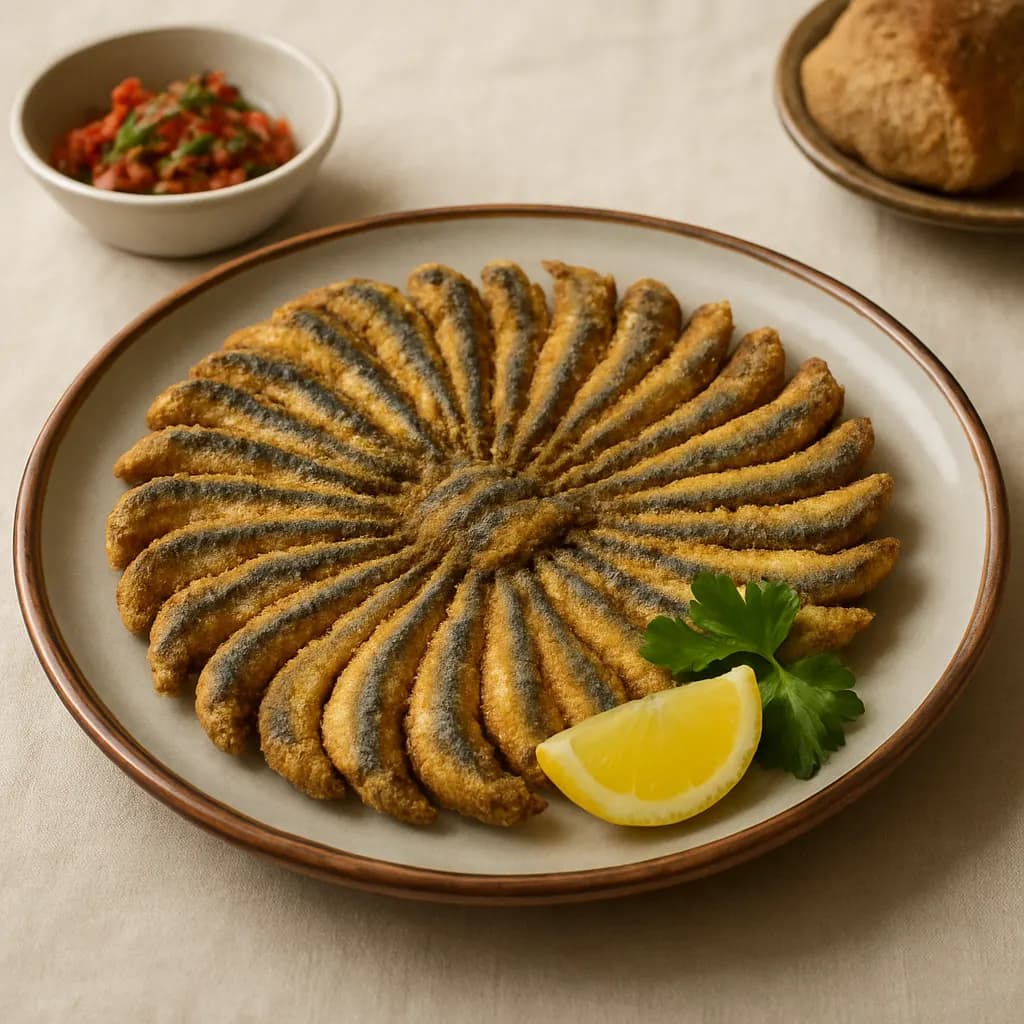
Fried Anchovies(Hamsi Tava)
yöreselFried anchovies, a symbol of winter in the Black Sea region, are coated in cornmeal and fried in a pan, arranged in a circular pattern. When in season, they are the main attraction on local tables.
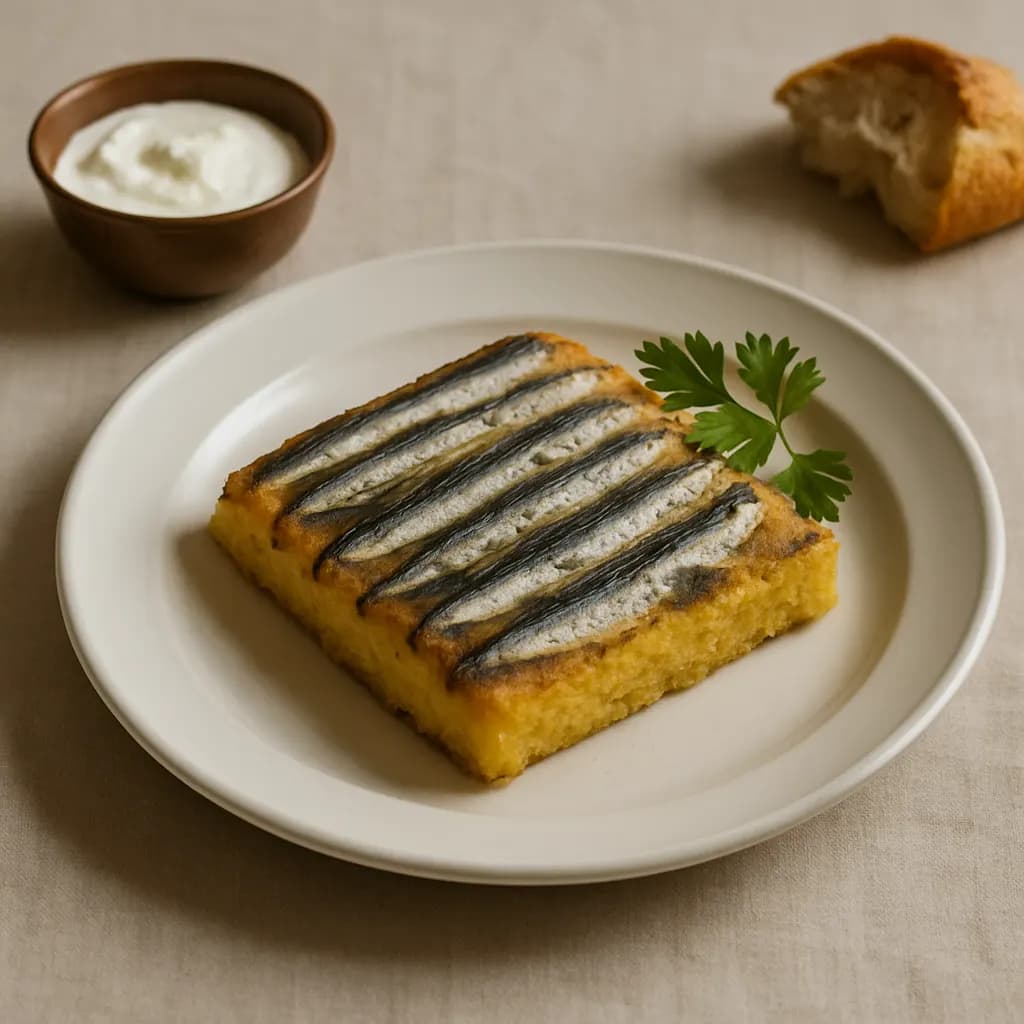
Hamsikoli(Hamsiköy Usulü Hamsikoli)
yöreselA Black Sea baked dish that combines anchovies, greens, and cornmeal; a local form where fish meets bread.
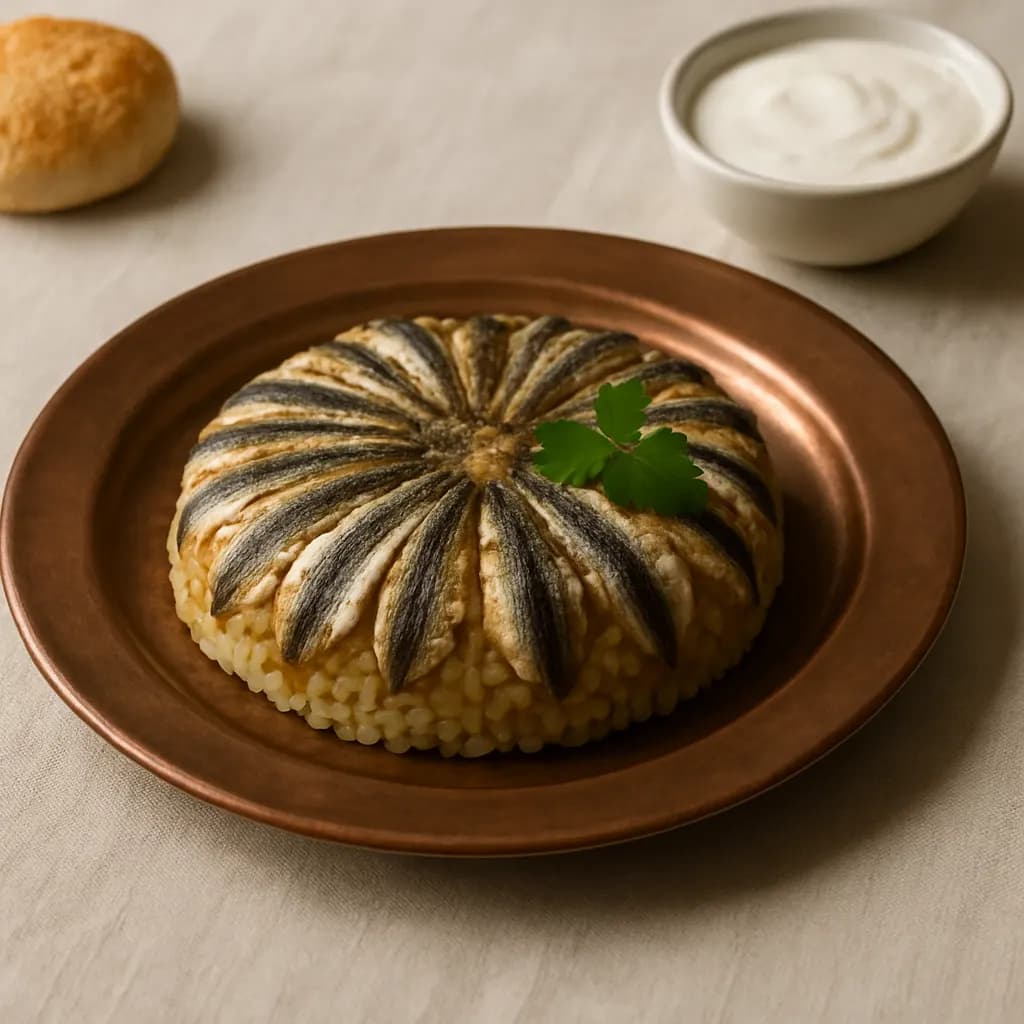
Hamsili Pilaf(Hamsili Pilav)
yöreselA baked rice dish from the Black Sea region where anchovies form an edible crust around the rice; this structure is documented in Rize.
Harput Kofte(Harput Köftesi)
yöreselThe soured kofte of the Elazig-Harput tradition: small balls kneaded from fine bulgur and minced meat are boiled in broth and soured with pomegranate molasses or tomato paste. It is a dish of wedding and holiday tables.
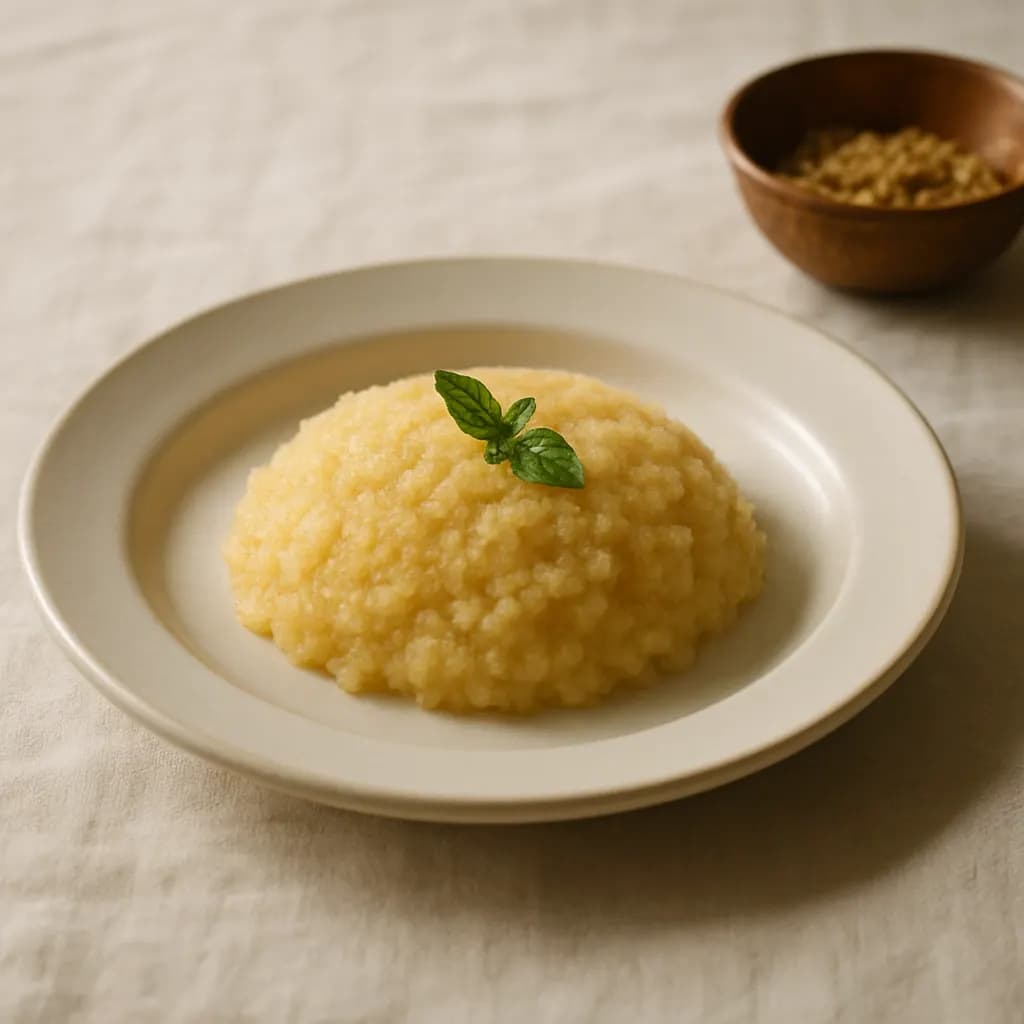
Höşmerim
yöreselA sweet made from unsalted fresh cheese cooked with semolina and sugar; the same name is given to different sweets in various regions, with the Balıkesir family being one of them.
Hingel(Hıngel)
yöreselThe large manti of Eastern Anatolia: dough parcels filled with minced meat are boiled and served under garlic yoghurt and browned butter. Smallness is not the measure here; the parcel is large and the dough left thick.
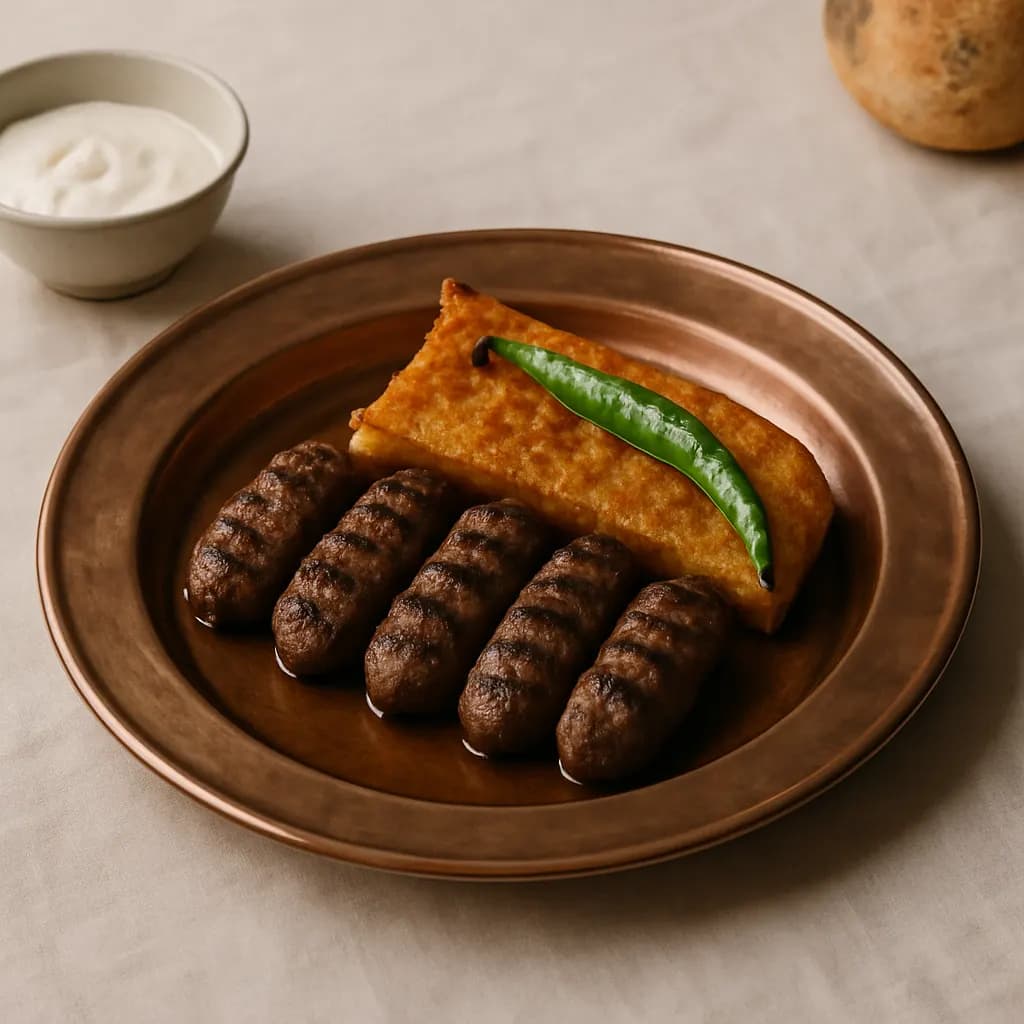
Islama Kofte(Islama Köfte)
yöreselA tradition from Sakarya-Adapazarı: meatballs served with bread soaked in meat broth and fried with peppers.
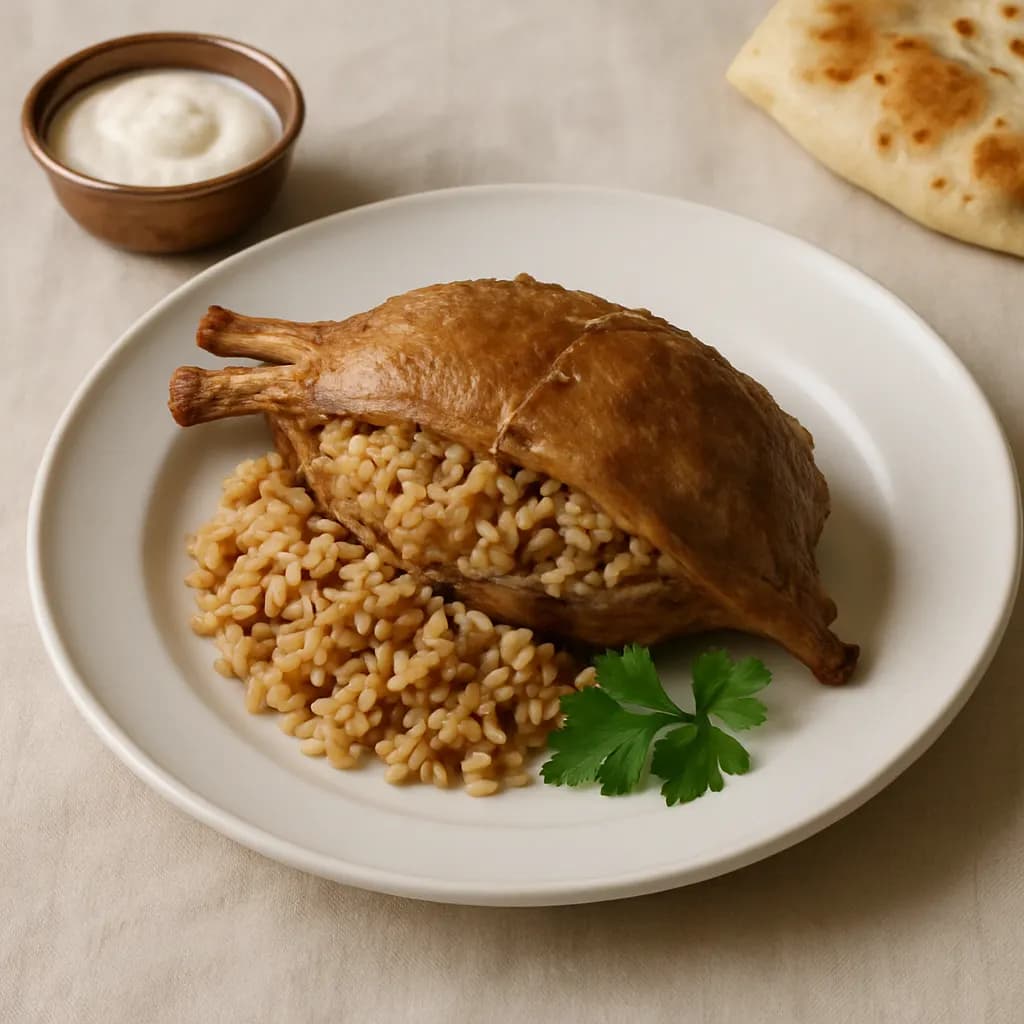
Stuffed Ribs(Kaburga Dolması)
yöreselA feast dish from Southeastern Turkey where the rib cavity is filled with rice and cooked for a long time.
Stuffed Kadayif(Kadayıf Dolması)
yöreselThe ceremonial sweet of Erzurum: shredded kadayif is wrapped around walnut, dipped in egg, fried and then taken into syrup. It carries a geographical indication.
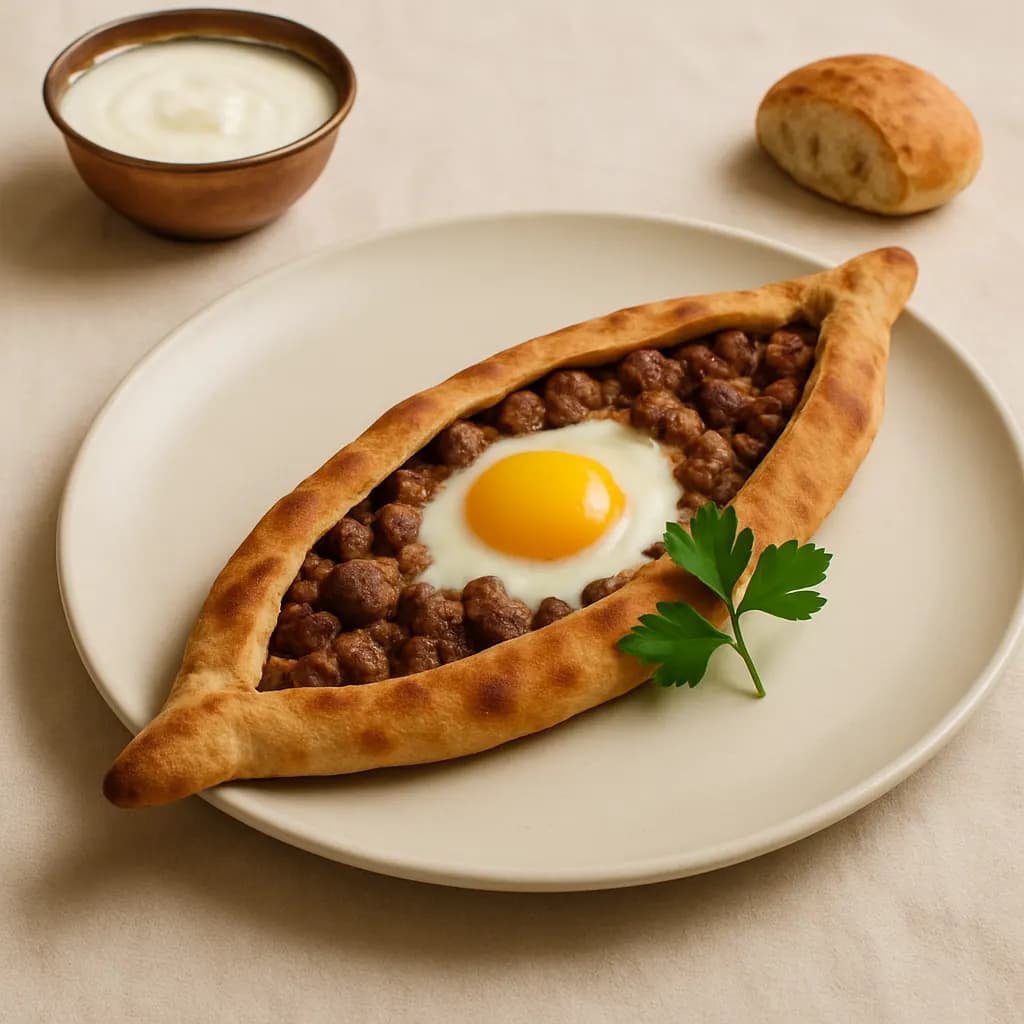
Black Sea Pide(Karadeniz Pidesi)
yöreselThe long, closed or open pide of the Black Sea baking tradition is known for its varieties with meat, cheese, and egg. Wood-fired ovens and dough mastery are key elements.
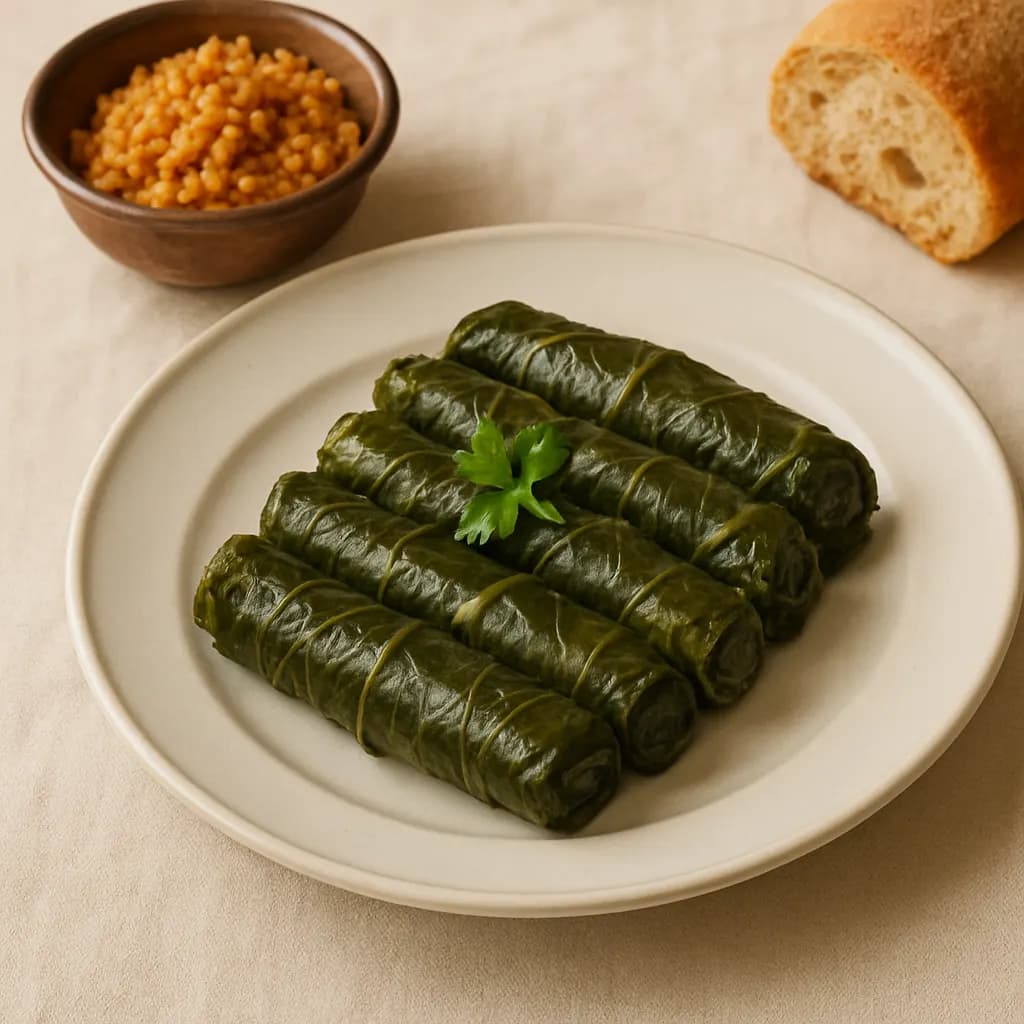
Black Cabbage Roll(Karalahana Sarması)
yöreselA roll made with black cabbage leaves from the Black Sea region, typically filled with corn and bulgur.
Kars Gruyere(Kars Gravyeri)
yöreselThe product of a Swiss-style hard cheese tradition that settled in Kars at the end of the 19th century; large wheels ripen for months and the cut shows large eyes. It carries a geographical indication.
Kars Piti(Kars Pitisi)
yöreselA Kars dish of lamb, chickpeas and tail fat cooked for hours in small earthenware pots; a tradition shared with Caucasian cooking. The broth is taken into a separate bowl and the meat eaten over bread.
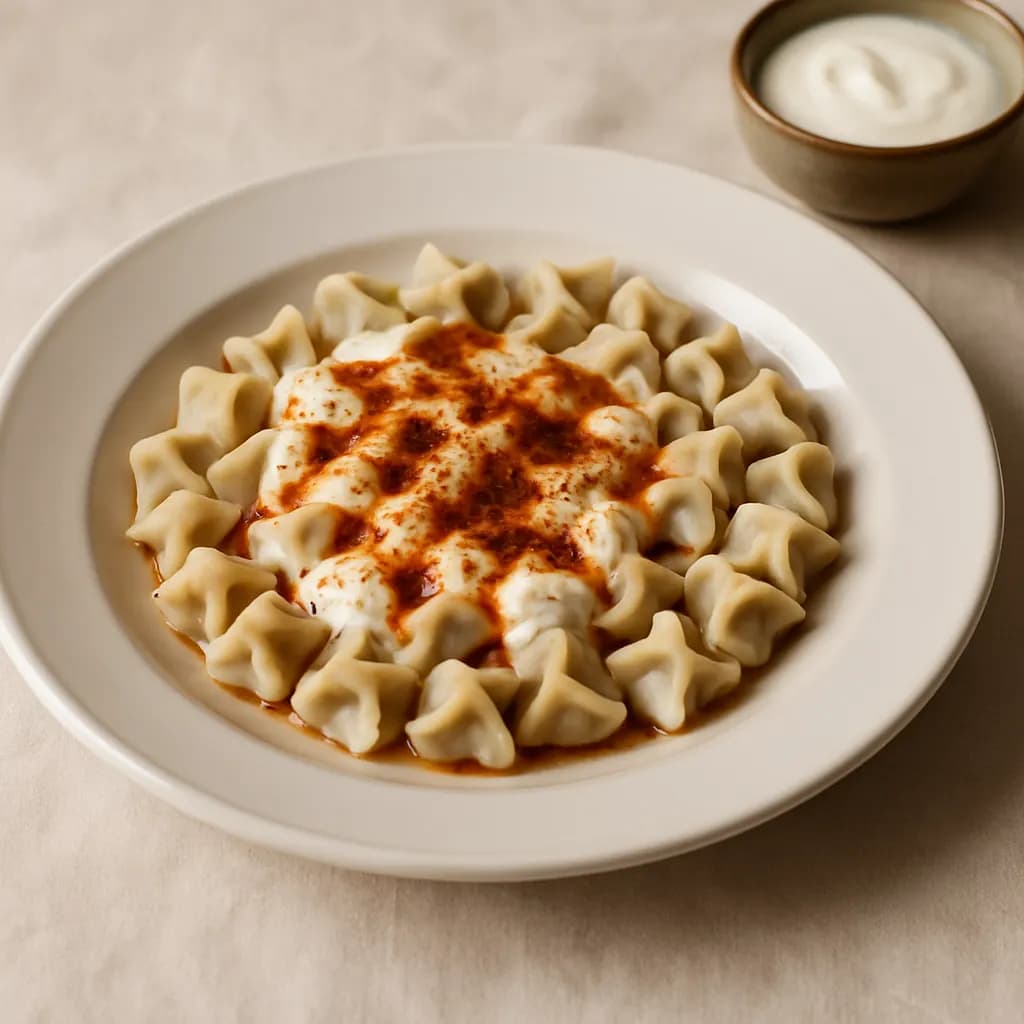
Kayseri Manti(Kayseri Mantısı)
yöreselSmall dumplings filled with minced meat are boiled and served with yogurt and hot sauce. In Kayseri tradition, the small size of the manti is considered a measure of skill.
Keledos(Keledoş)
yöreselA winter dish in which dried cabbage or chard, chickpeas, bulgur and preserved meat are cooked together for a long time; garlic yoghurt and hot fat are poured over it. It is a record shared by the tables of Van and Mus.
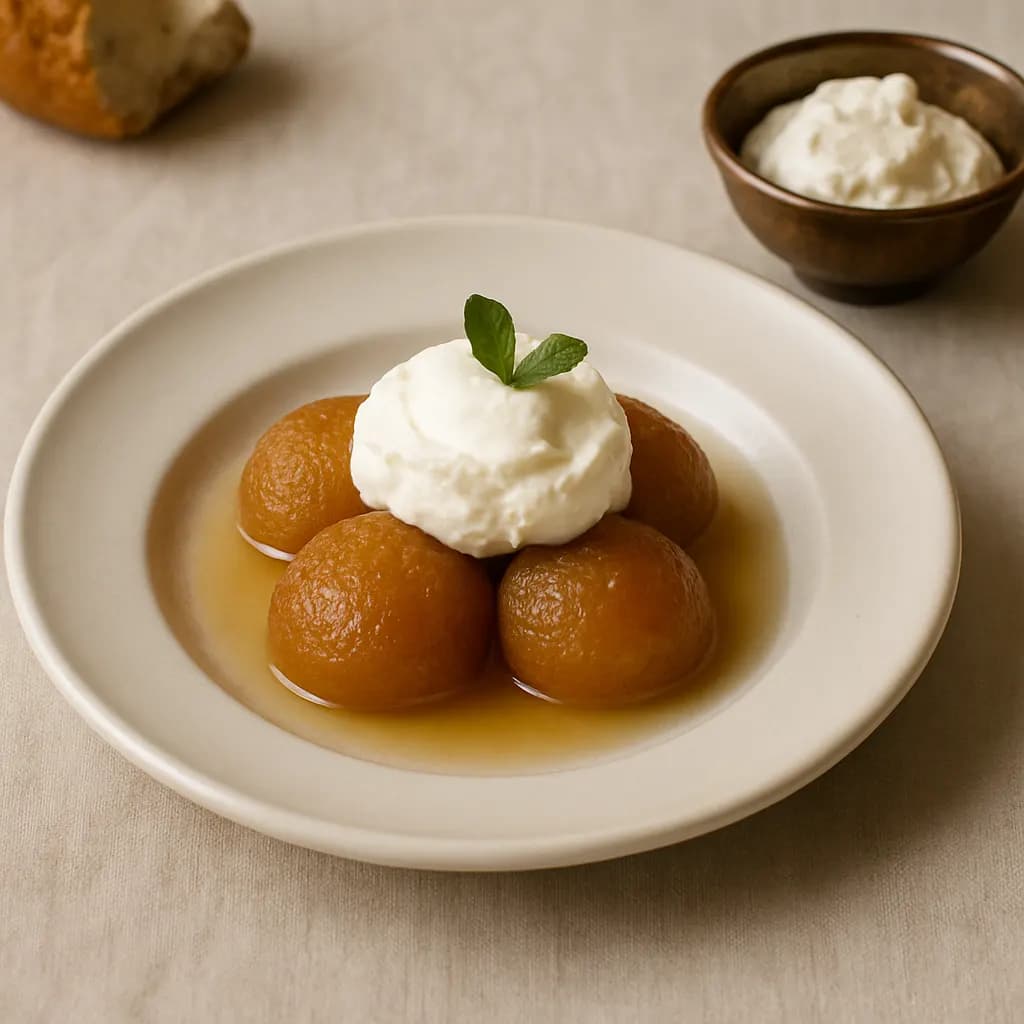
Kemalpaşa Dessert(Kemalpaşa Tatlısı)
yöreselKemalpaşa Dessert from Bursa-Mustafakemalpaşa is made from cheese dough that is dried and cooked in syrup; it is topped with clotted cream.
Kete
yöreselA pastry of the Erzurum and Kars region: a filling of flour roasted in butter is spread over the dough, rolled up and baked on a griddle or in the oven. It is the classic of tea time and of food taken on the road.
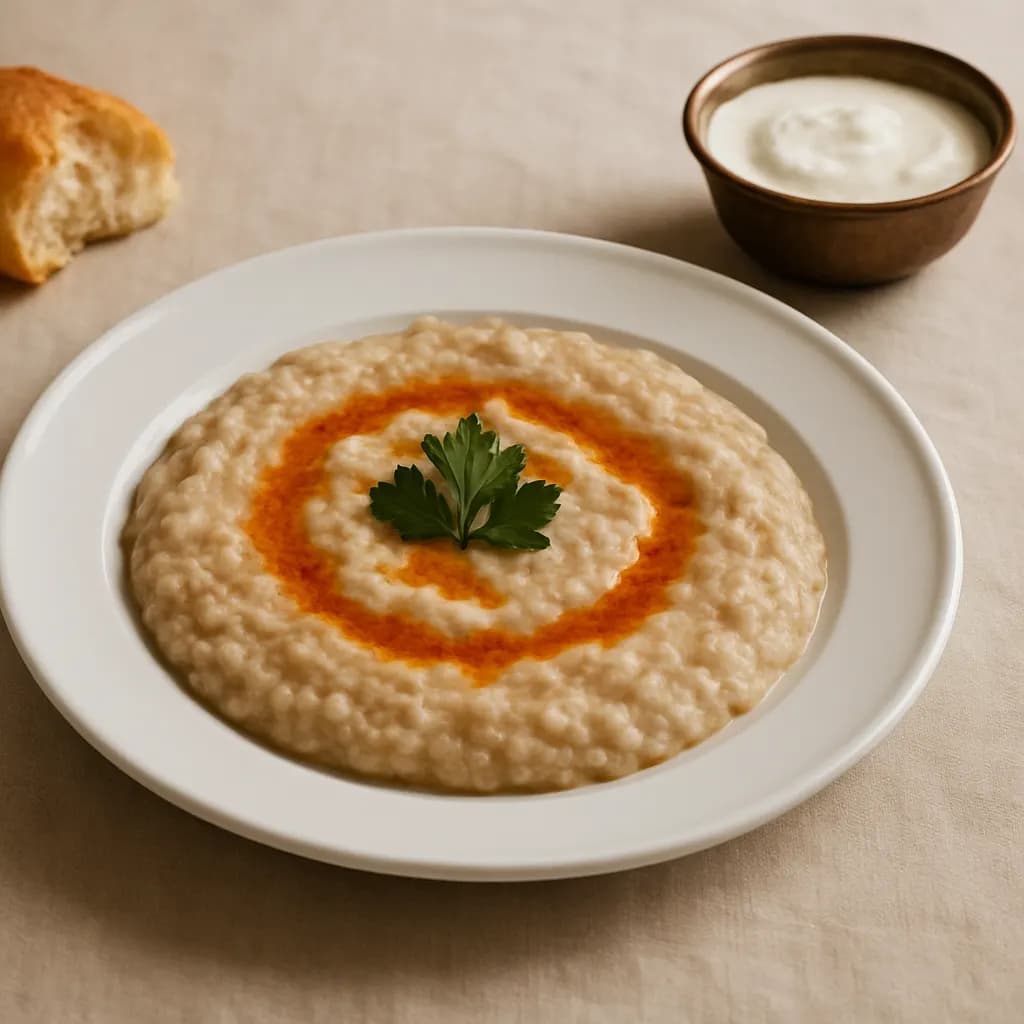
Keskek(Keşkek)
klasikA ceremonial dish made by pounding wheat and meat together for hours; it symbolizes weddings and communal work. It was registered in the UNESCO Intangible Cultural Heritage List in 2011.
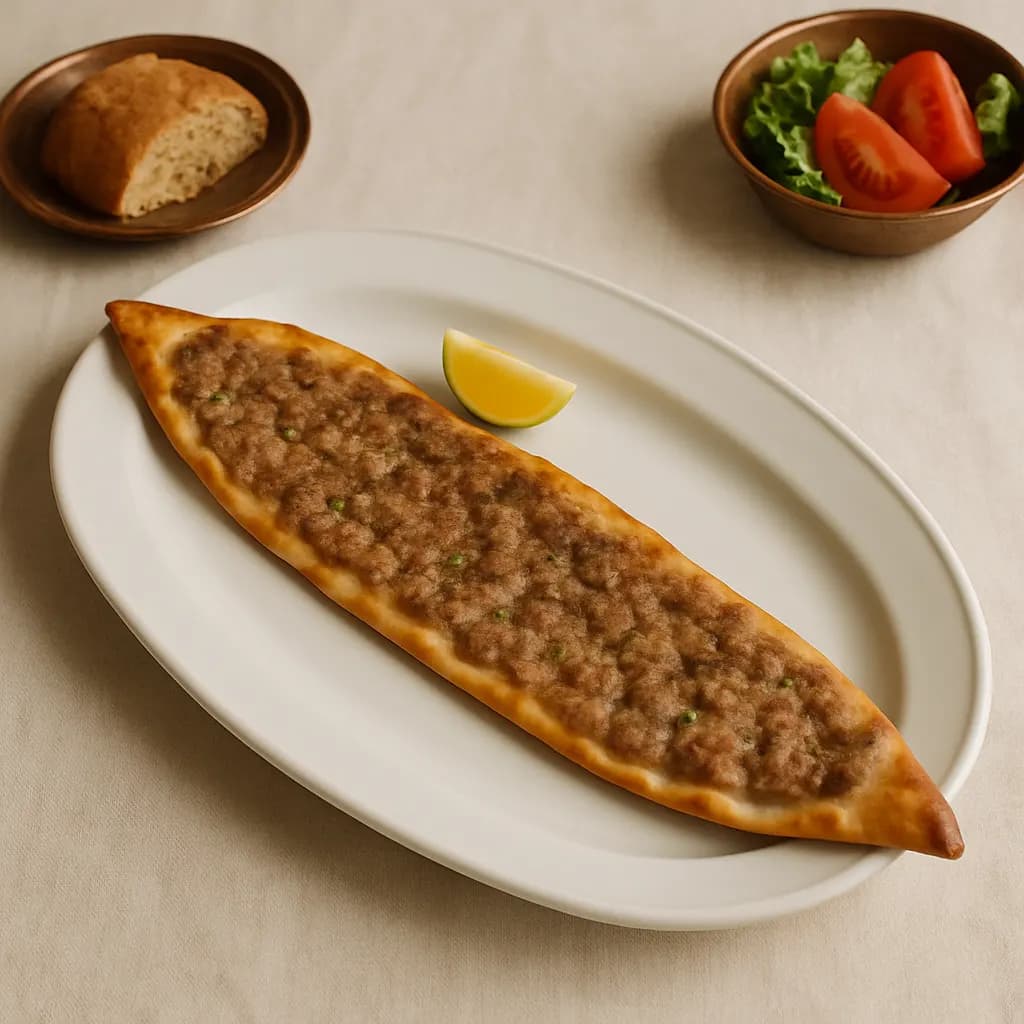
Konya Etli Ekmek(Konya Etli Ekmeği)
yöreselA Konya classic where minced meat filling is spread over long, thin dough and baked in a wood-fired oven; unlike lahmacun, the dough is distinct and the filling is simple.
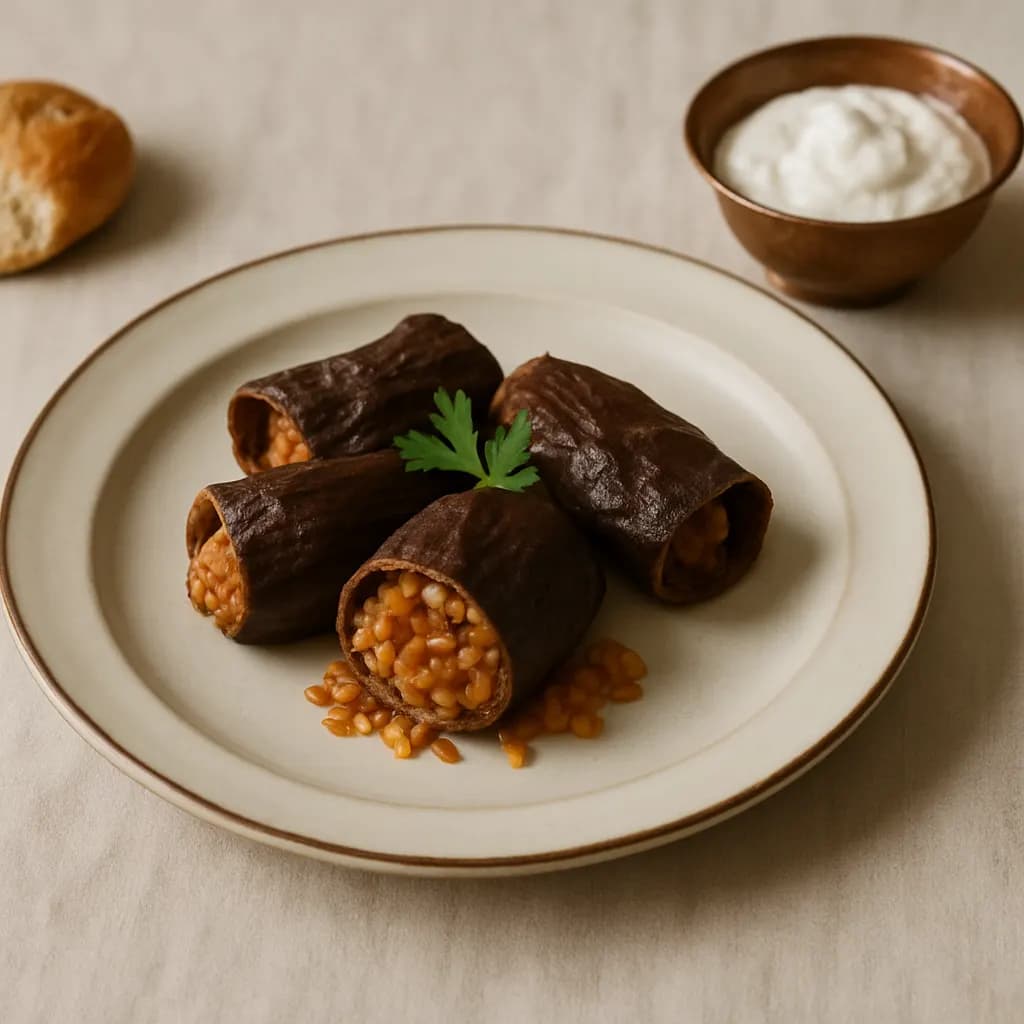
Stuffed Dried Eggplant(Kuru Patlıcan Dolması)
yöreselA Southeastern classic where drying summer vegetables brings them into winter cuisine; the aroma of dried eggplant differs from that of fresh.
Paper Kebab(Kâğıt Kebabı)
yöreselThe Malatya way: lamb, tomato, pepper and onion are wrapped in greaseproof paper and baked in their own steam. The paper holds the juices, so no separate sauce is added.
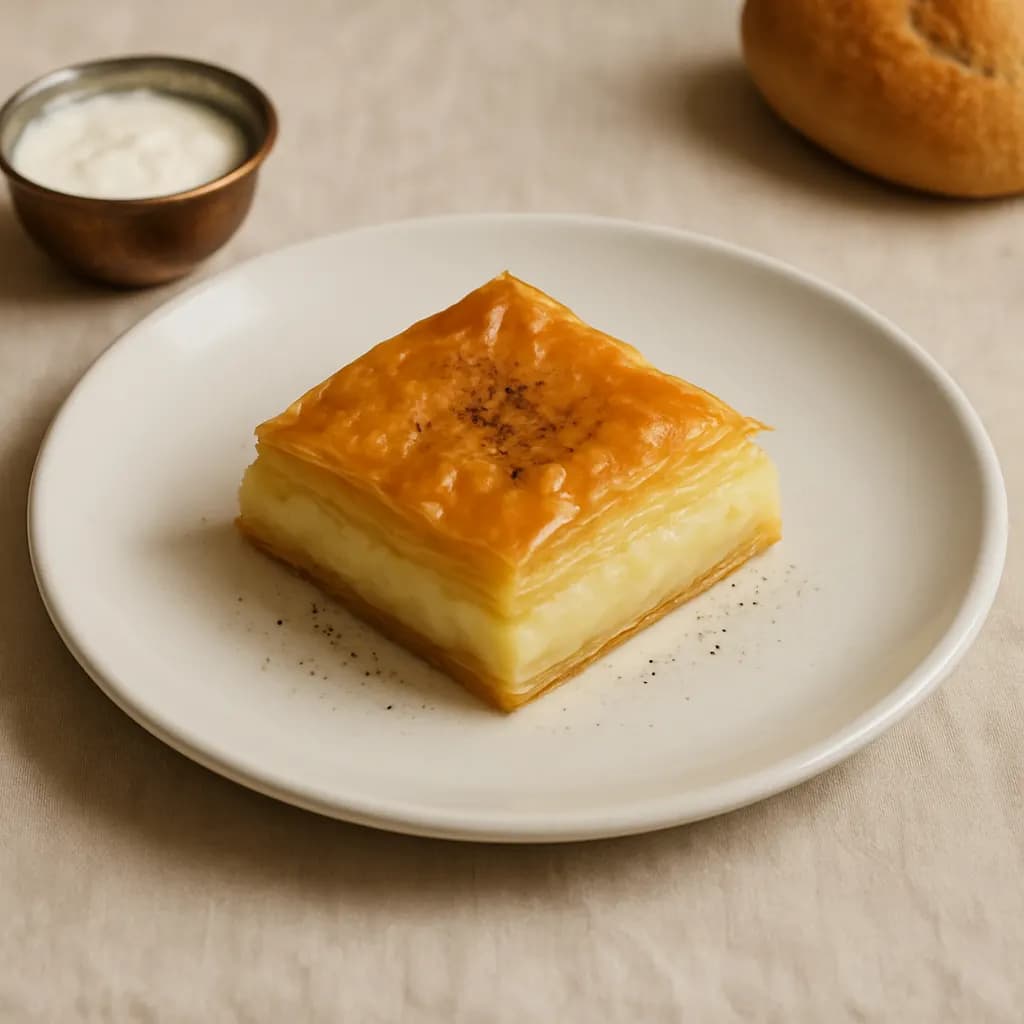
Laz Borek(Laz Böreği)
yöreselAlthough it is called a pastry, it is a dessert with milk pudding; it represents Rize's place in special occasions, and its origins are not definitively dated.
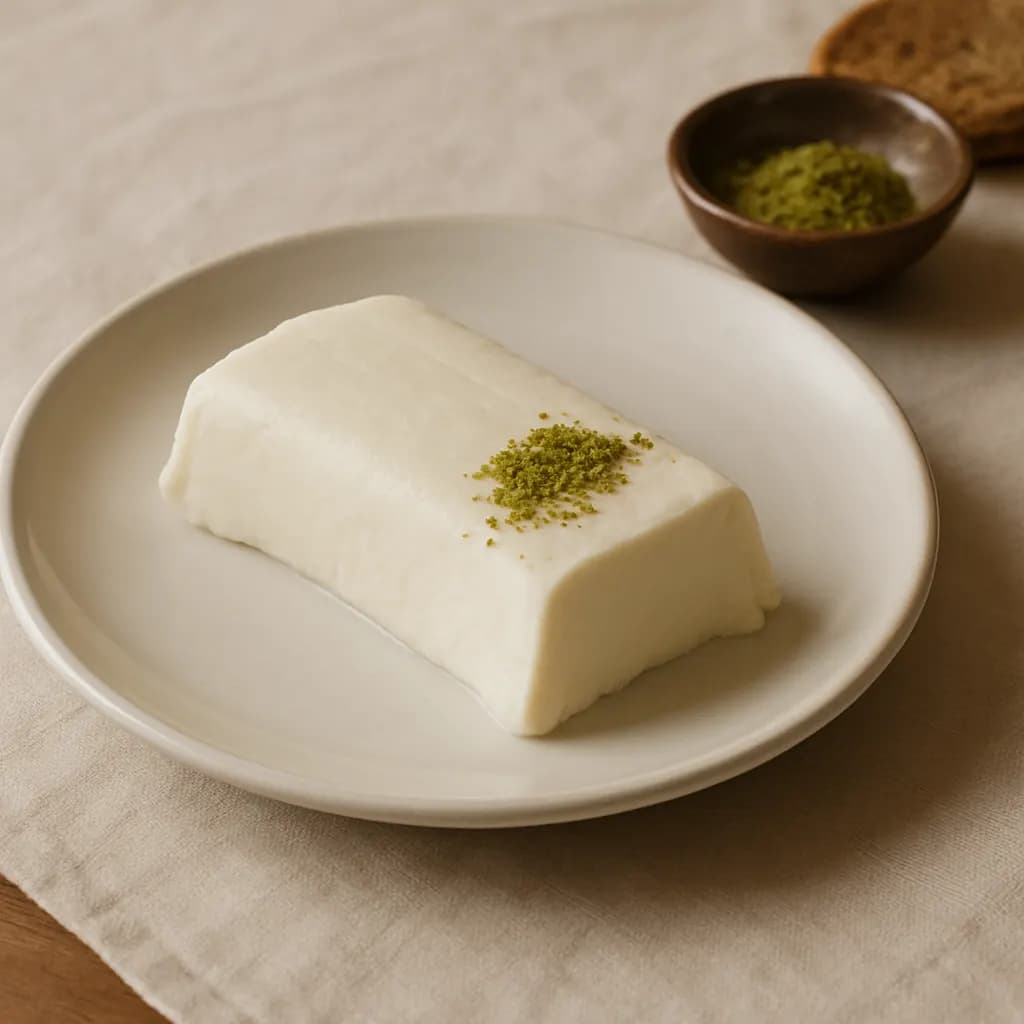
Maraş Ice Cream(Maraş Dondurması)
yöreselA certified heritage of Kahramanmaraş, characterized by a stretchy texture achieved by beating milk and salep; it can be cut with a knife.
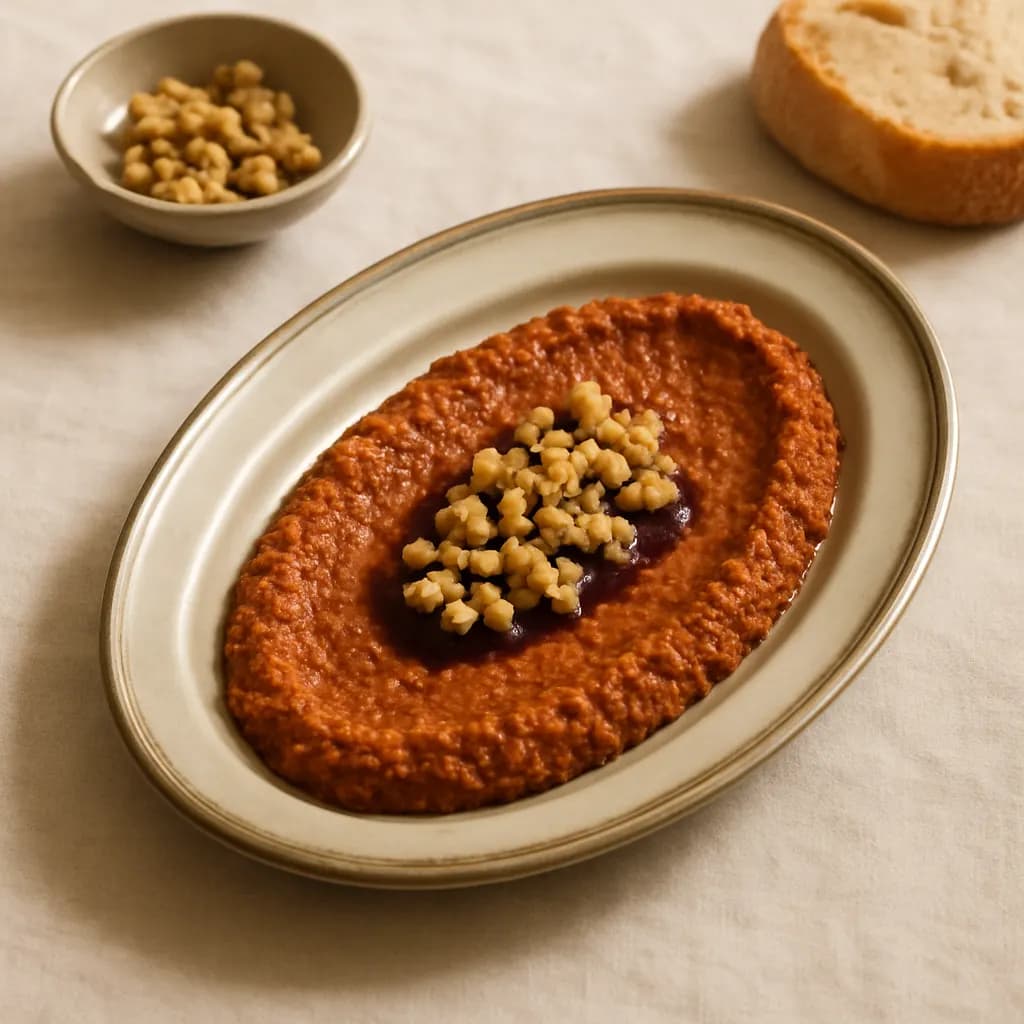
Muhammara
yöreselA thick mezze from Hatay-Aleppo made with walnuts, pepper paste, and bread crumbs; it is a close relative of the breakfast spread acuka.
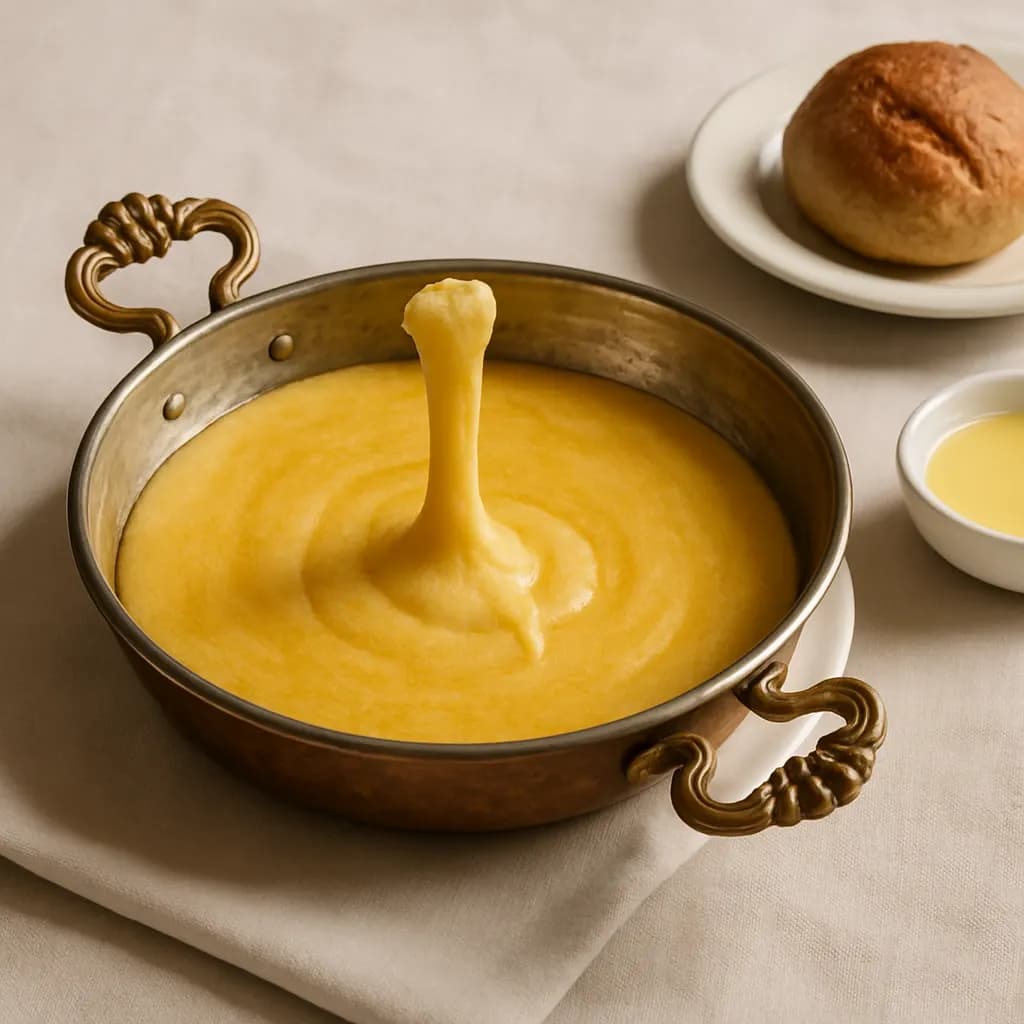
Mıhlama
yöreselA classic breakfast dish from the Eastern Black Sea region, made with cornmeal, butter, and stringy fresh cheese cooked in a copper pan. The quality of the mountain butter is essential to the dish.
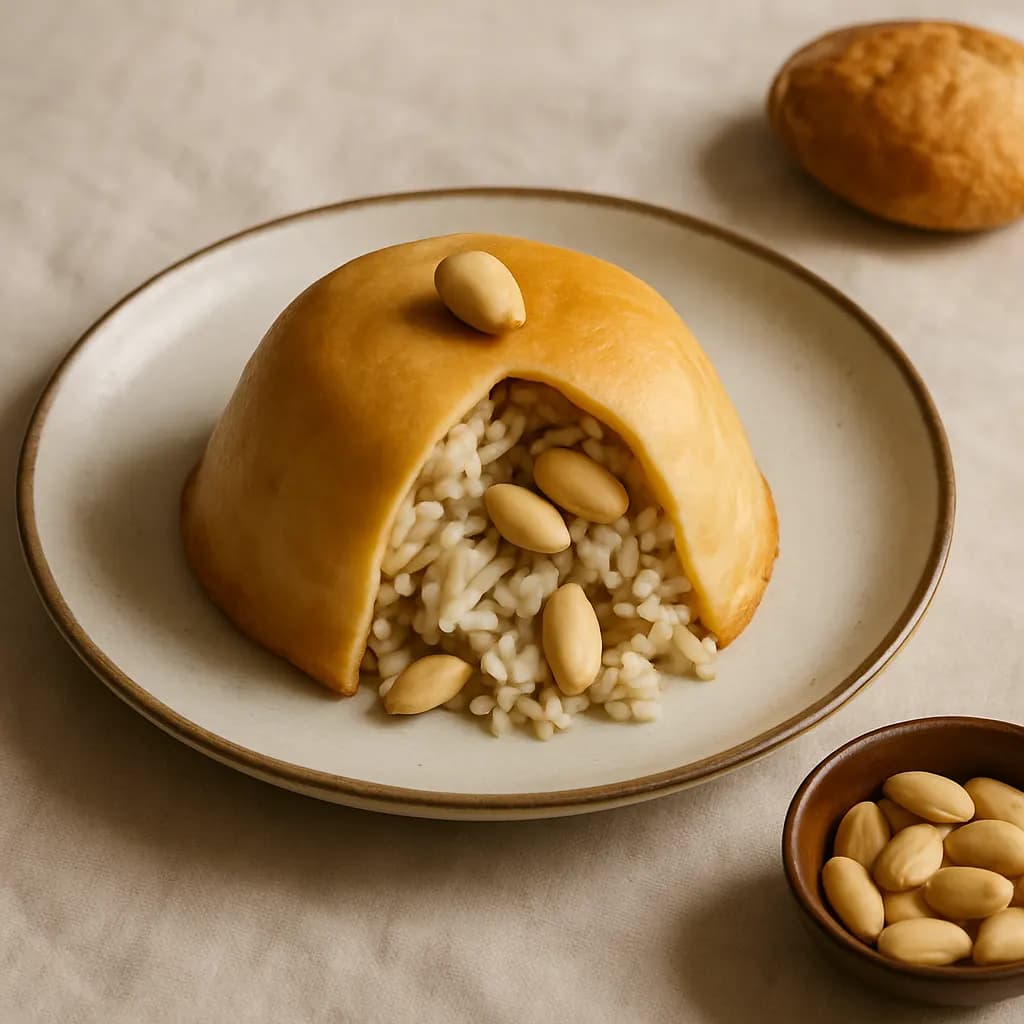
Perde Pilaf(Perde Pilavı)
yöreselA wedding dish from the Siirt region; a baked rice pilaf with almonds and chicken, enclosed in a thin pastry. Its closed form symbolizes abundance.
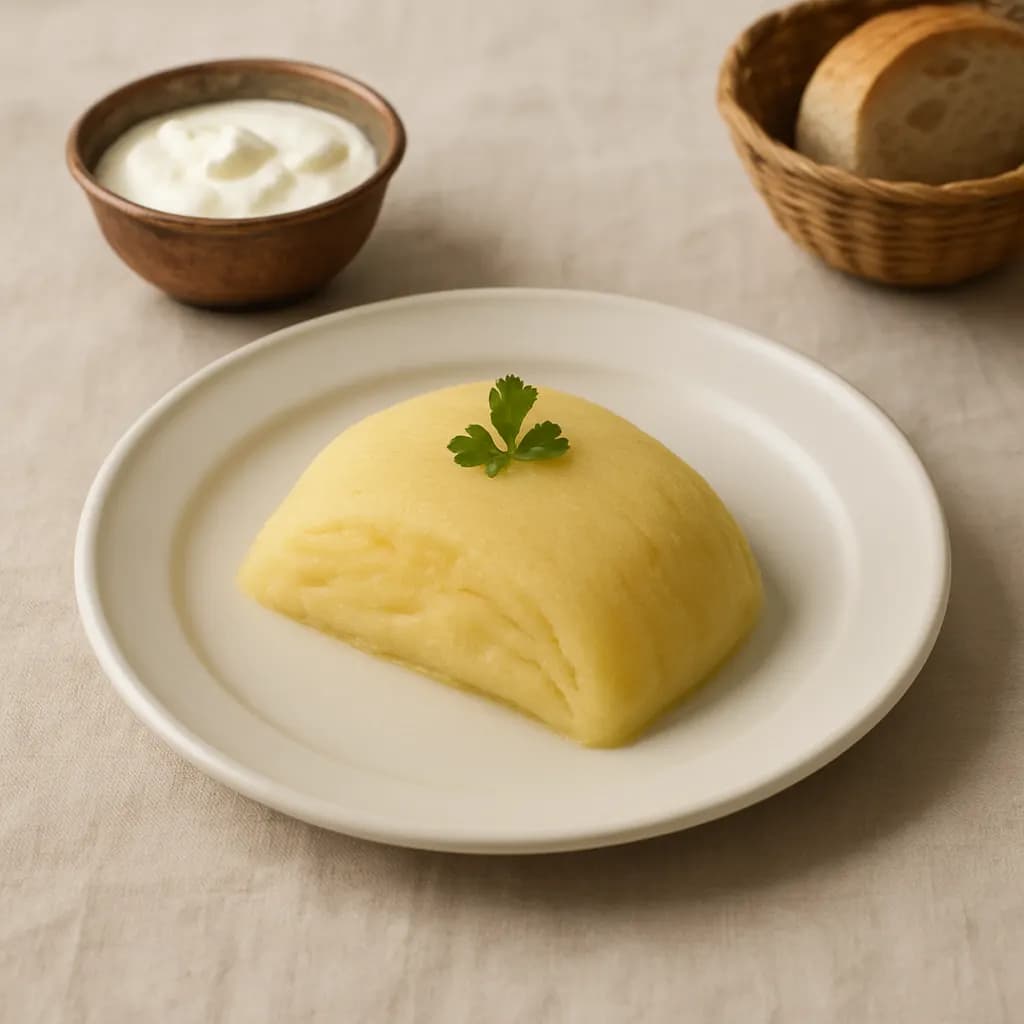
Cheese Halva(Peynir Helvası)
yöreselA Marmara dessert made by cooking fresh unsalted cheese with semolina; it is particularly strong in Tekirdağ and Çanakkale regions.
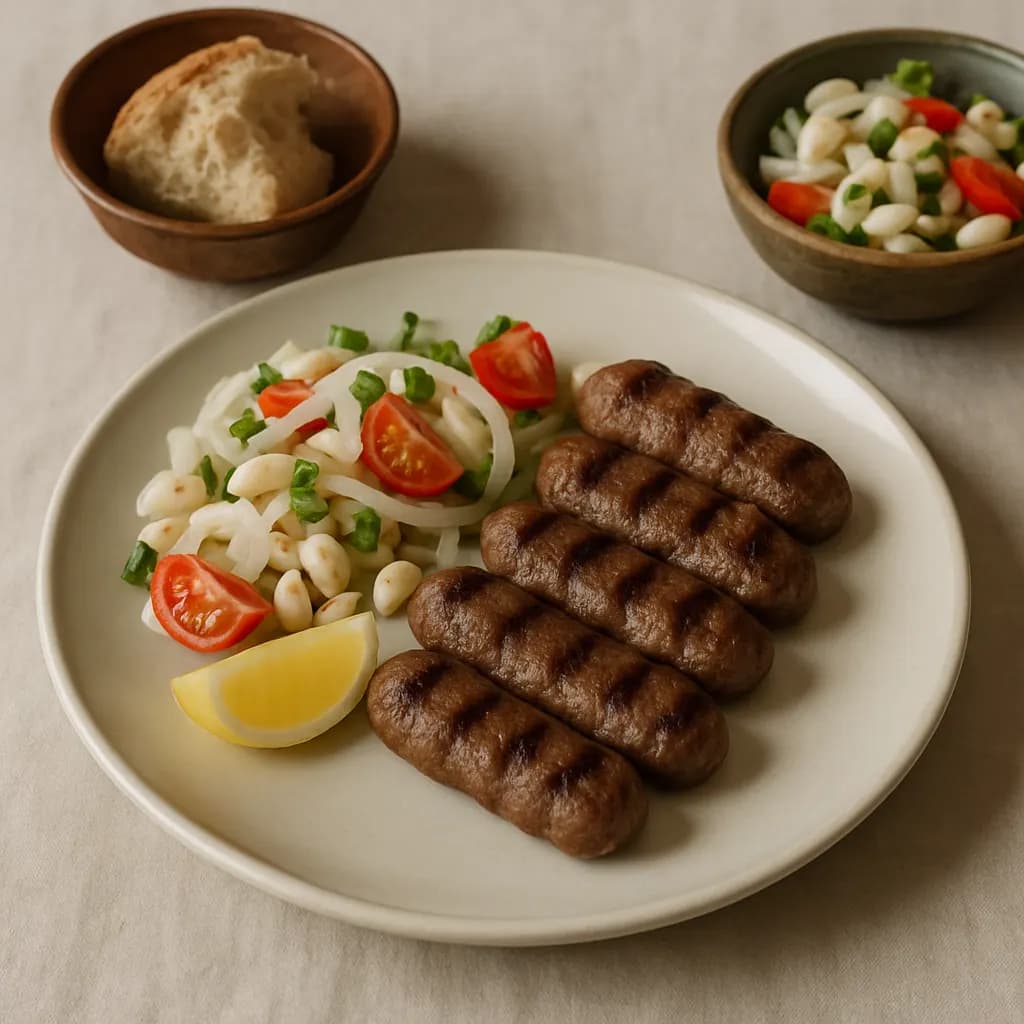
Tekirdağ Meatballs(Tekirdağ Köftesi)
yöreselA long, small-shaped meatball from Thrace, known for its unique filling and serving tradition; often served with piyaz.
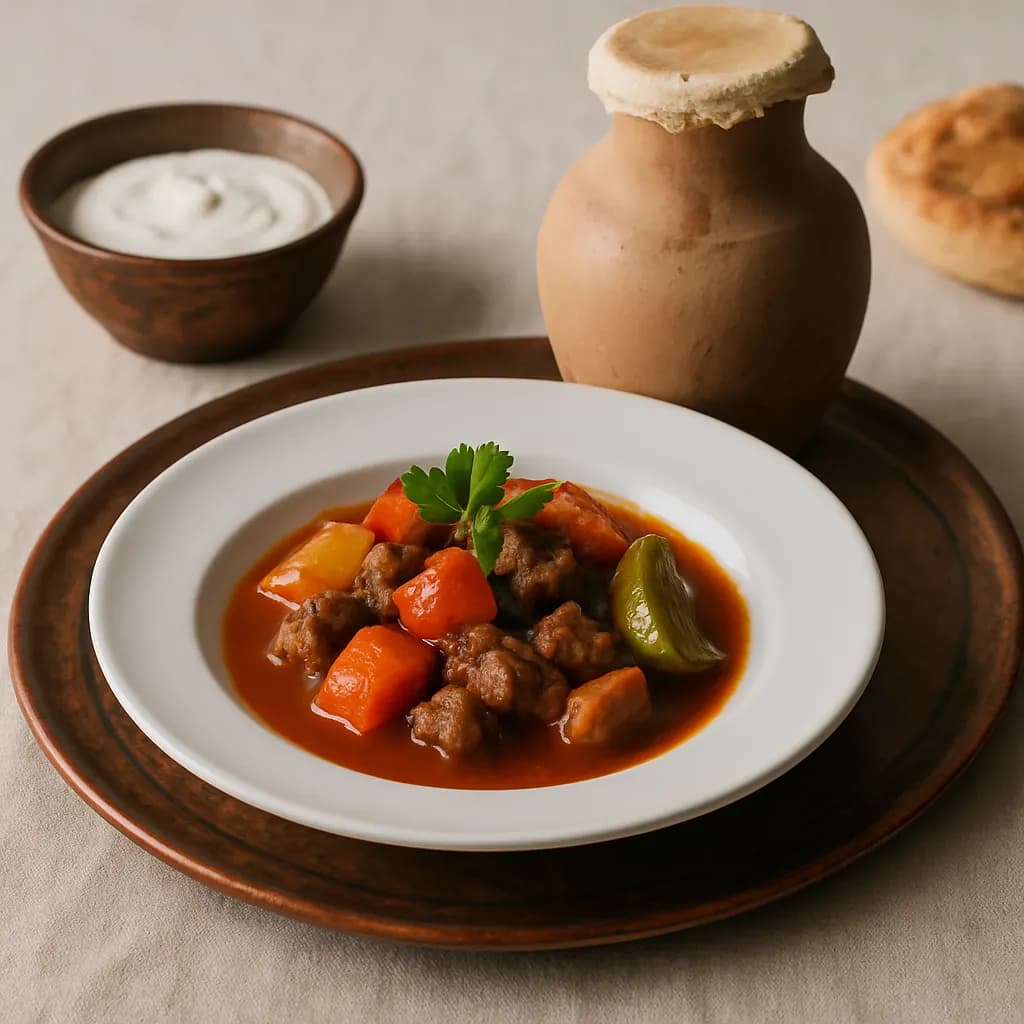
Testi Kebab(Testi Kebabı)
yöreselA showy dish from the Cappadocia region, where meat and vegetables are cooked in a sealed clay pot over embers. The pot is broken open at the table.
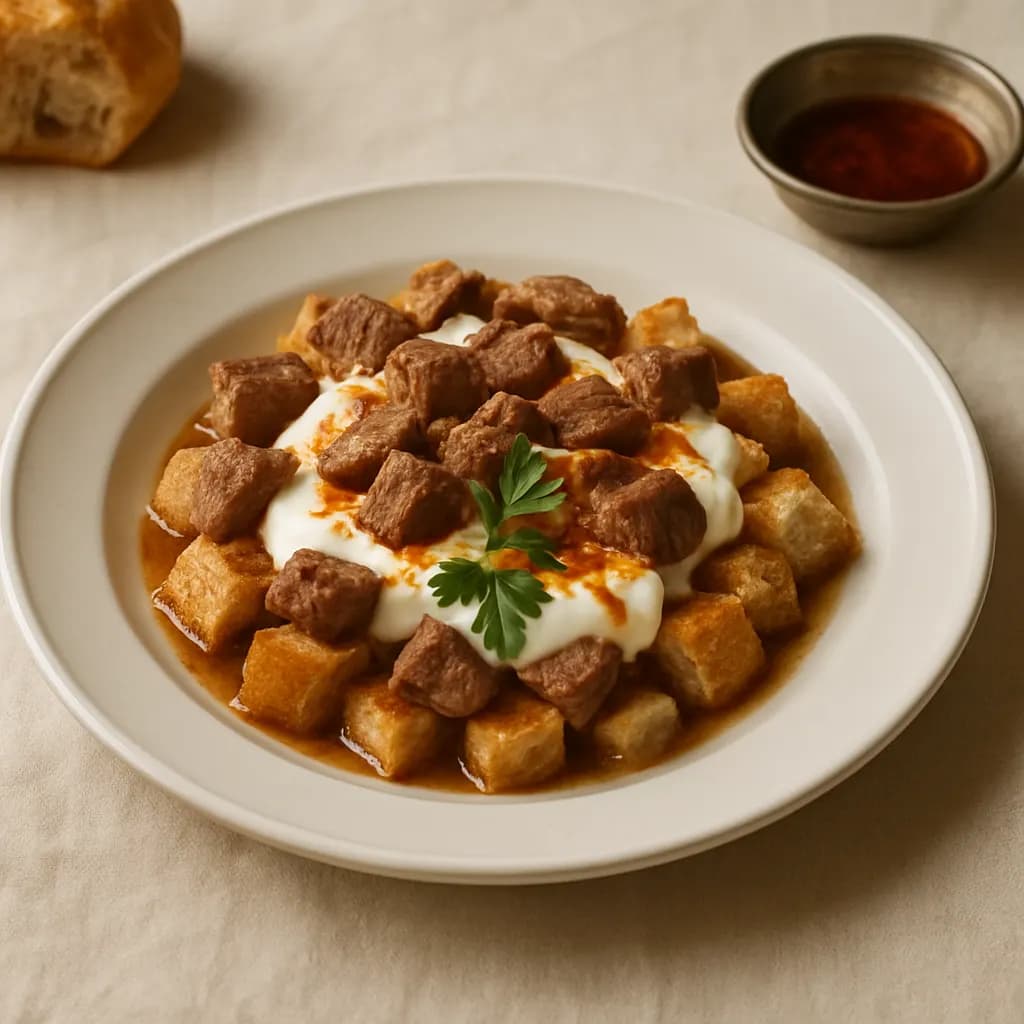
Tirit
klasikA dish that transforms stale bread into a main course with meat broth, yogurt, and spiced oil; it cannot be tied to a single city or type of meat.
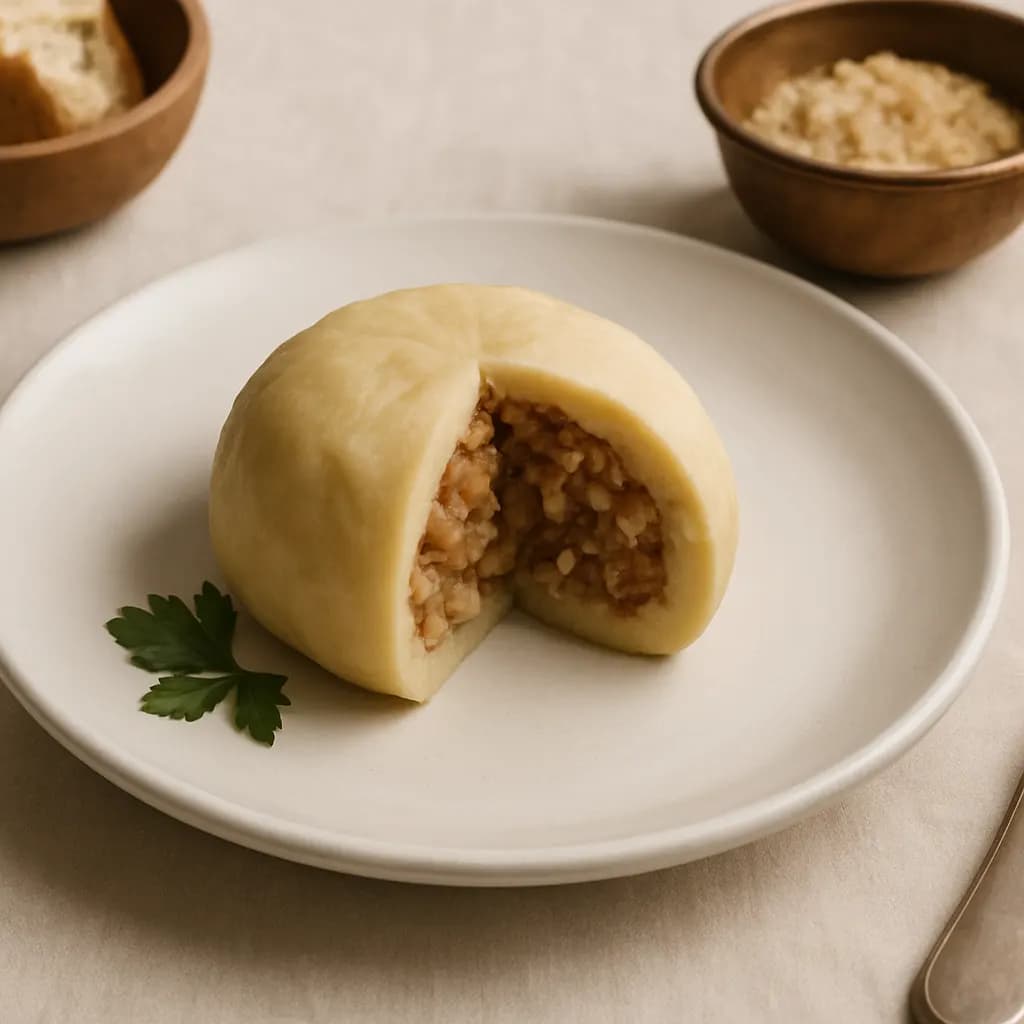
Topik
yöreselA known example of Istanbul Armenian culinary heritage: a cold appetizer filled with tahini, onions, and spices, encased in chickpea and potato skin.
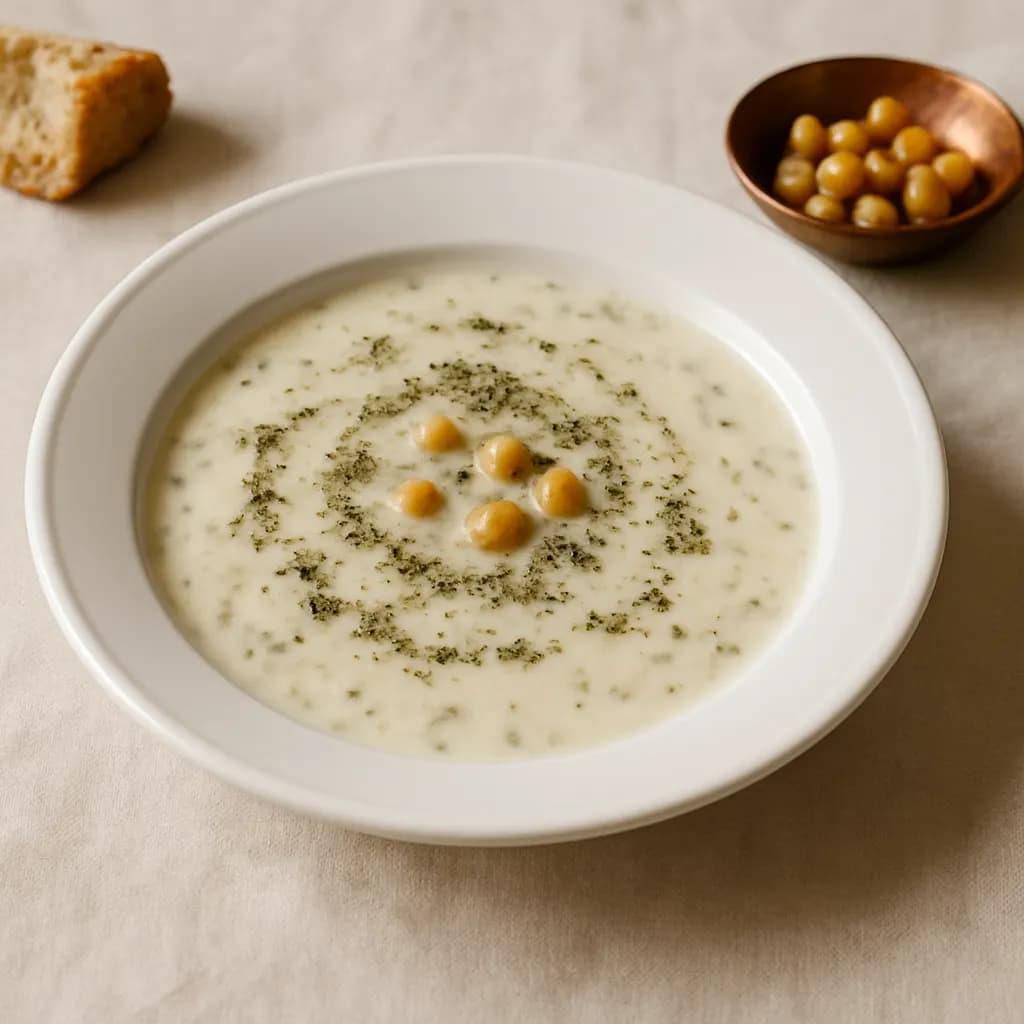
Toyga Soup(Toyga Çorbası)
yöreselA soup from Central Anatolia made with yogurt, grains, and often chickpeas; it is a regional relative of yayla soup.
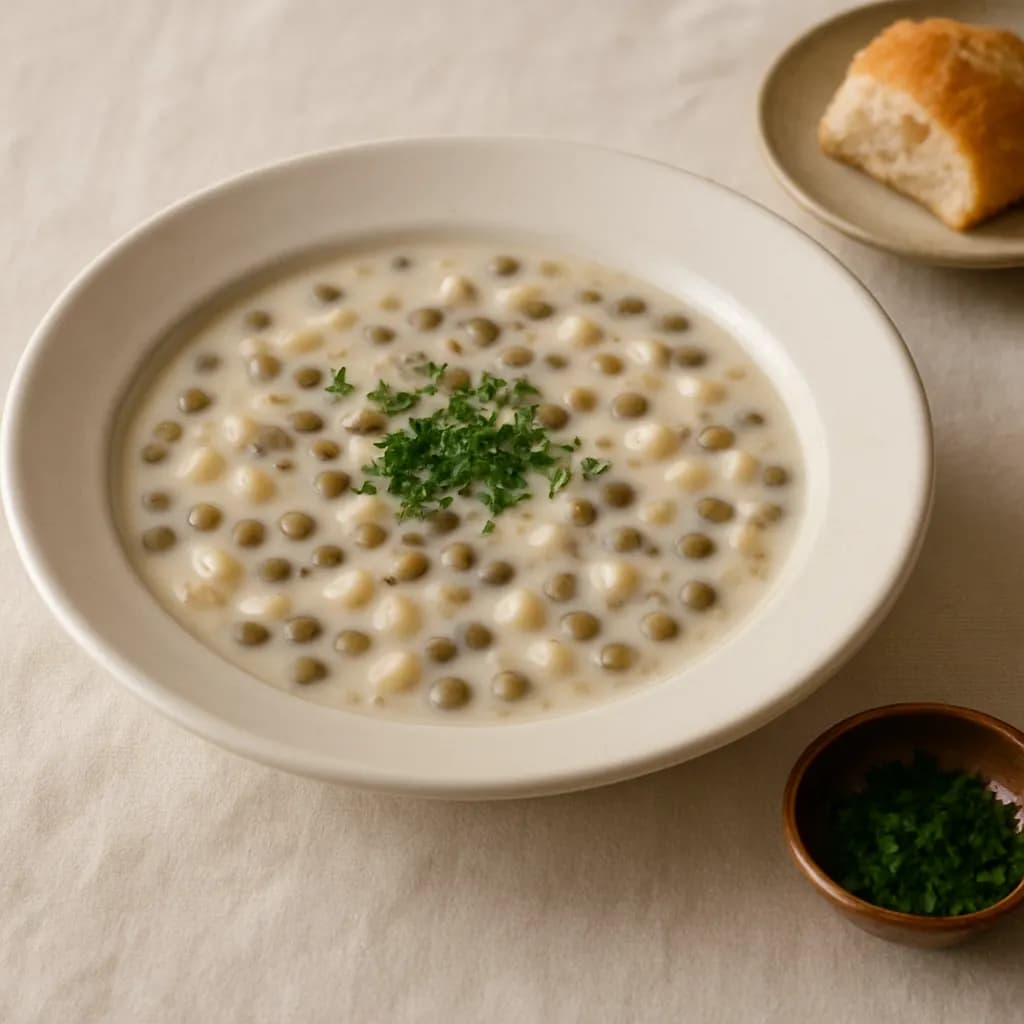
Tutmaç Soup(Tutmaç Çorbası)
yöreselA steppe soup where green lentils meet small pasta in a yogurt-based sauce; records from Çankırı document lentils, tutmaç dough, and yogurt together.
Van Herbed Cheese(Van Otlu Peyniri)
yöreselMade by folding into the curd the wild herbs gathered around Van in spring — sirmo, mendi, heliz and others; the scent of the herb passes into the cheese as it ripens. It carries a geographical indication.
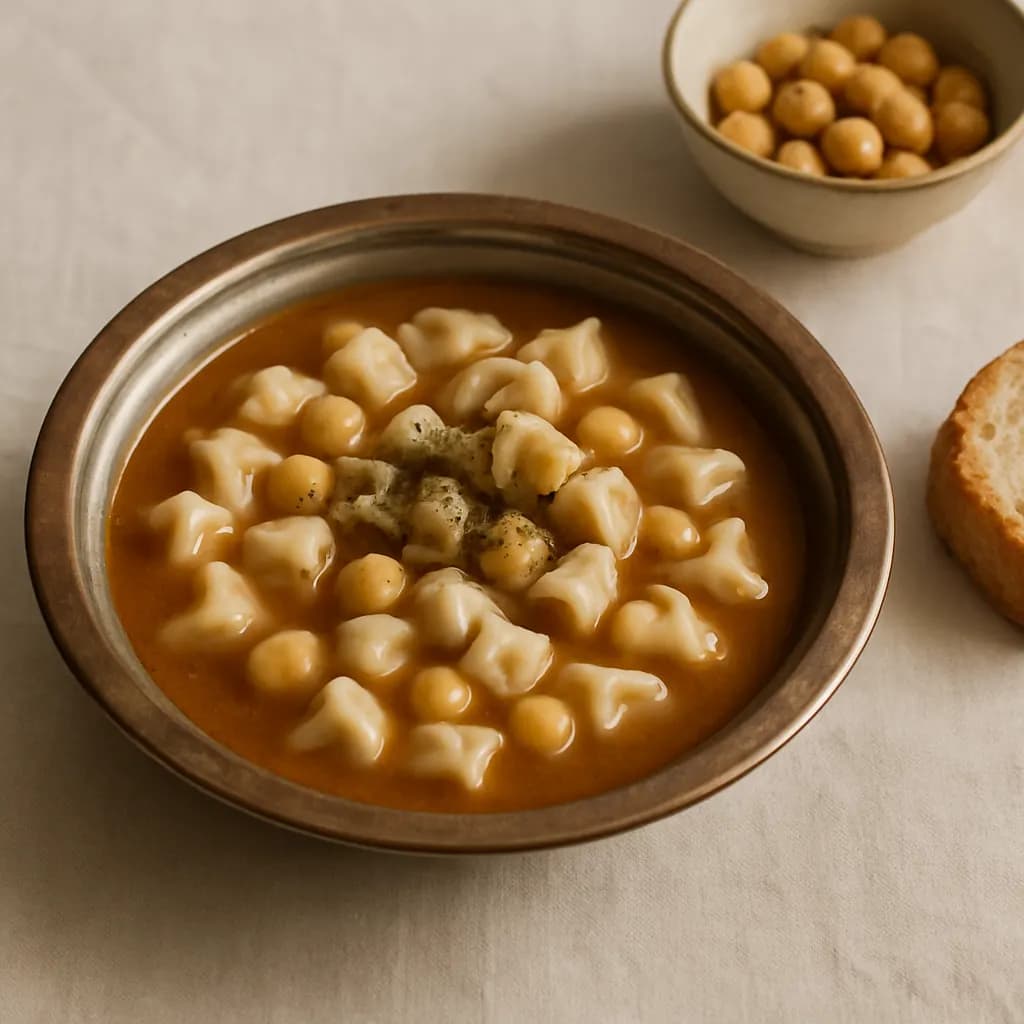
Yüksük Soup(Yüksük Çorbası)
yöreselA labor-intensive soup where tiny dumplings combine with chickpeas and sour water; it gets its name from the dough shaped like a thimble.
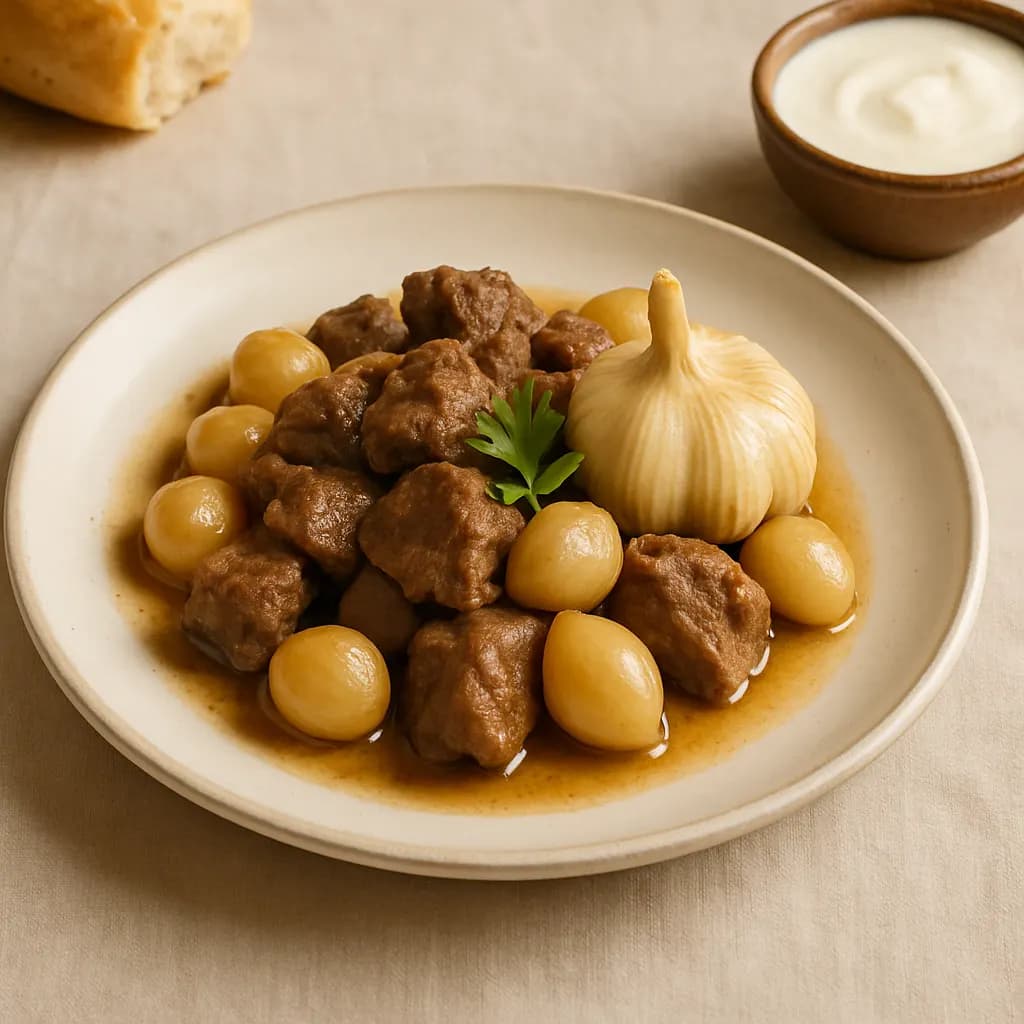
Çankırı Garlic Meat(Çankırı Sarımsaklı Et)
yöreselA dish made with lamb cooked slowly with pearl onions and whole garlic cloves; it is documented in the official recipe records of Çankırı.
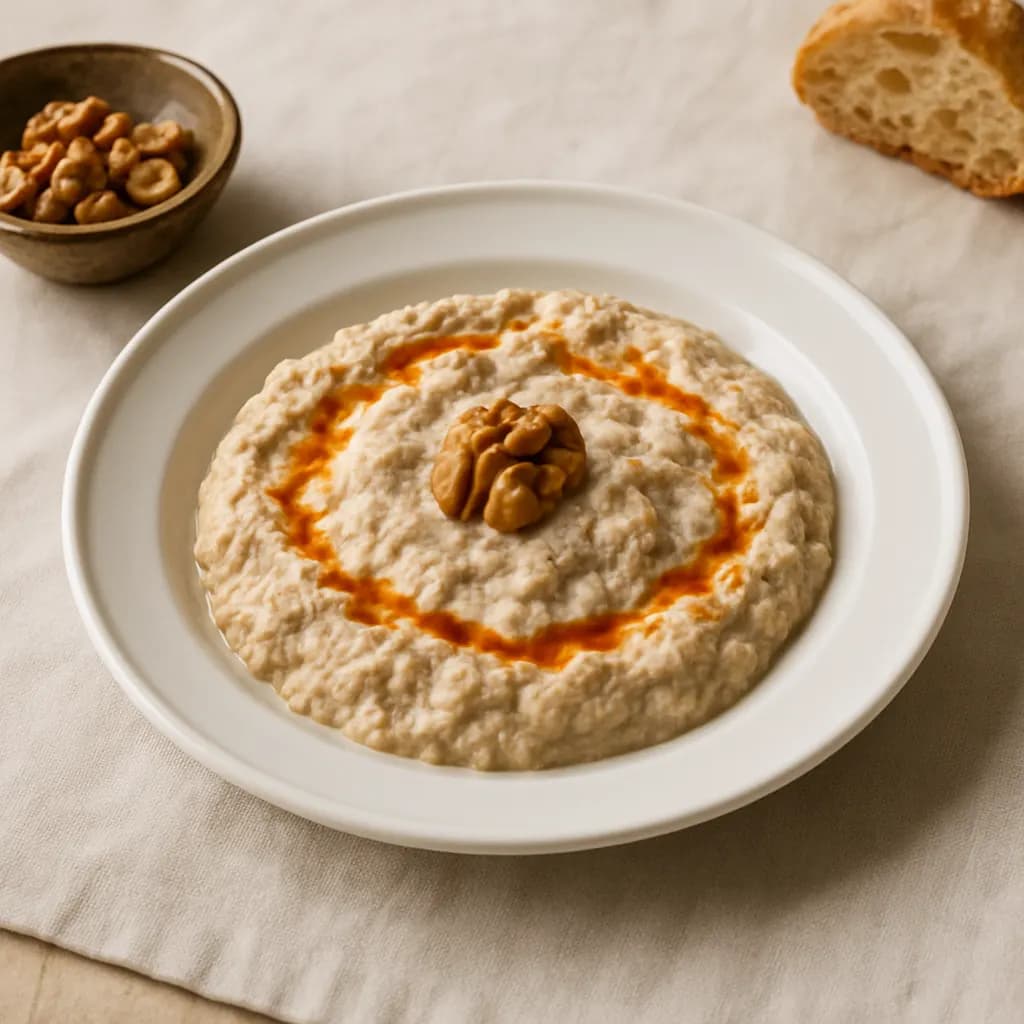
Circassian Chicken(Çerkes Tavuğu)
yöreselThis walnut chicken, associated with the heritage of Caucasian migration, has become one of the delicacies of the meze table in Turkey.
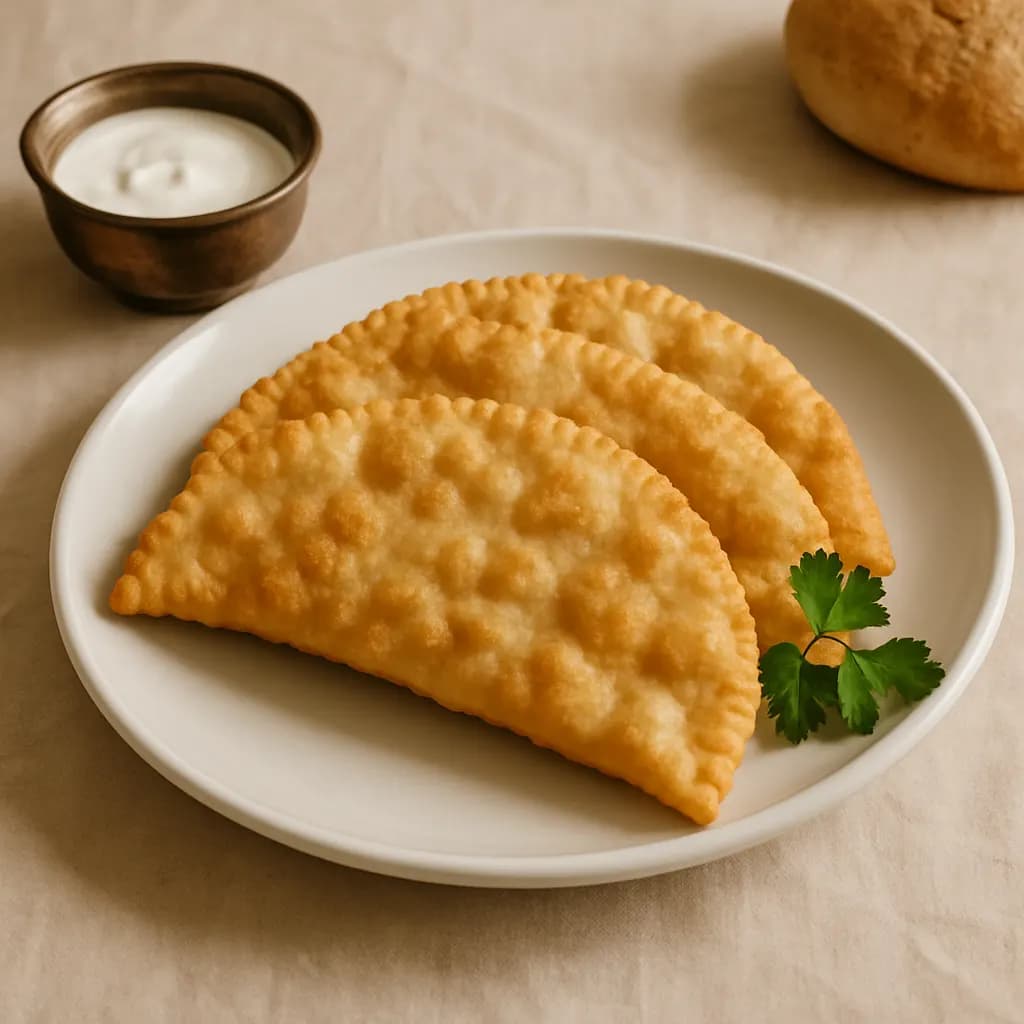
Çiğ Börek
yöreselA half-moon pastry filled with raw minced meat, associated with the Crimean Tatar cuisine and Eskişehir, that puffs up in hot oil. It serves as a flavor carrier of migration memory.
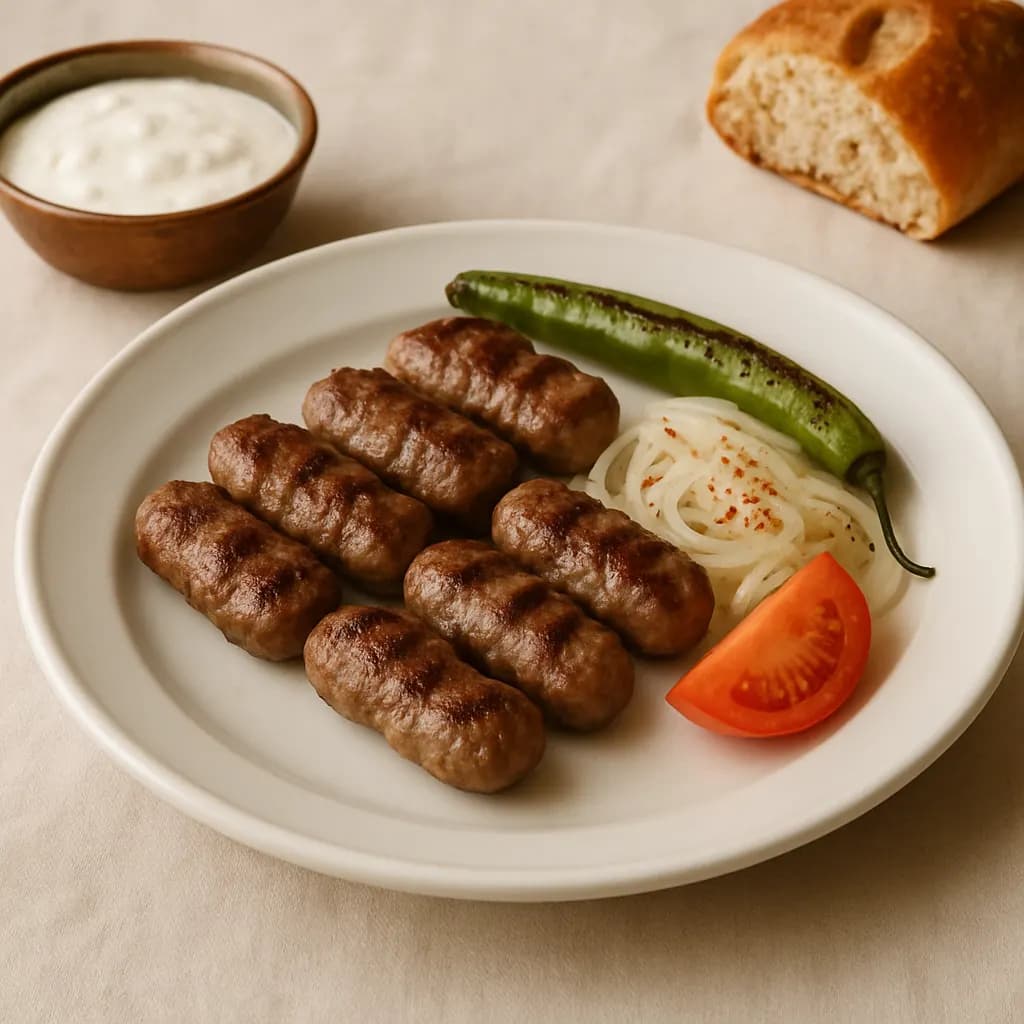
Inegol Kebab(İnegöl Köfte)
yöreselThe Bursa-Inegol kebab keeps the spices simple and relies on resting the meat mixture; the onion-based filling is distinctive.
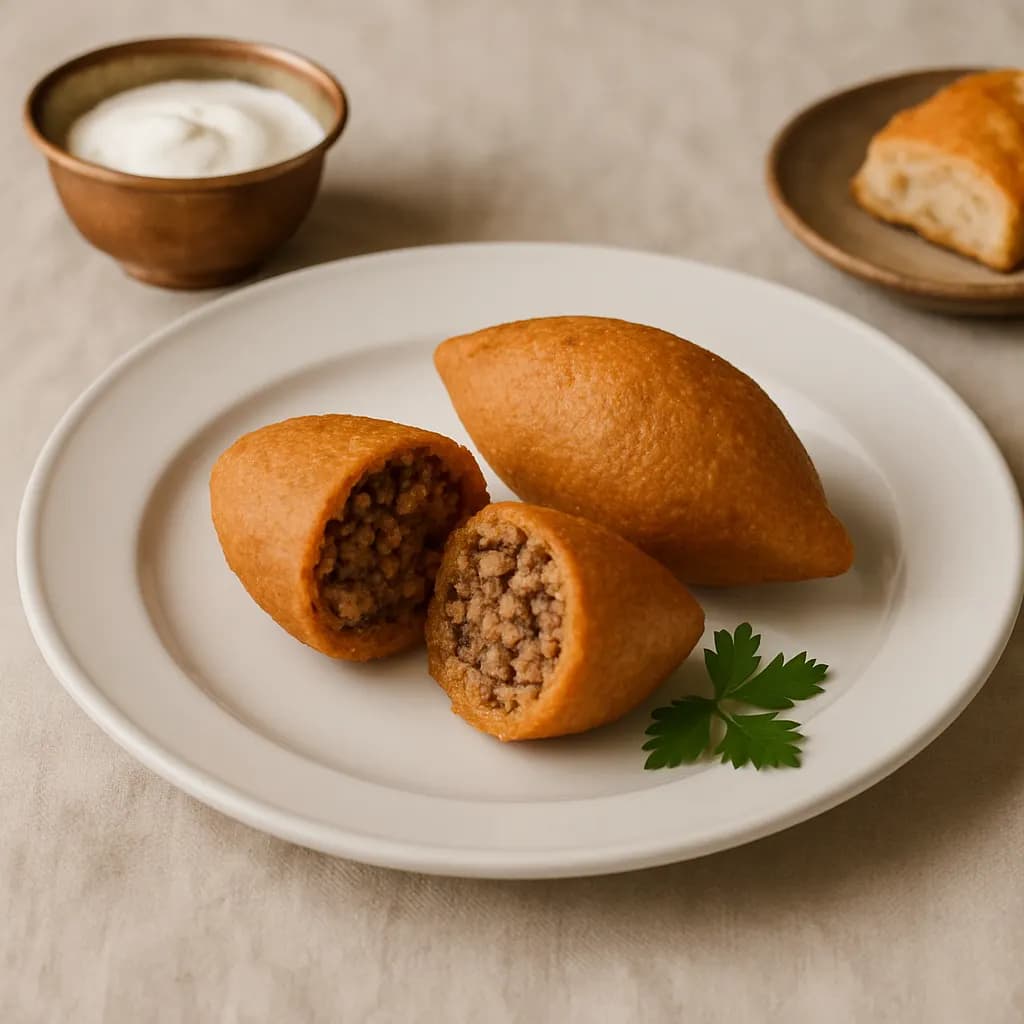
Stuffed Meatballs(İçli Köfte)
klasikThe skill of the köfte family relies on the thin bulgur shell carrying a moist meat filling, showcasing handcrafting techniques.
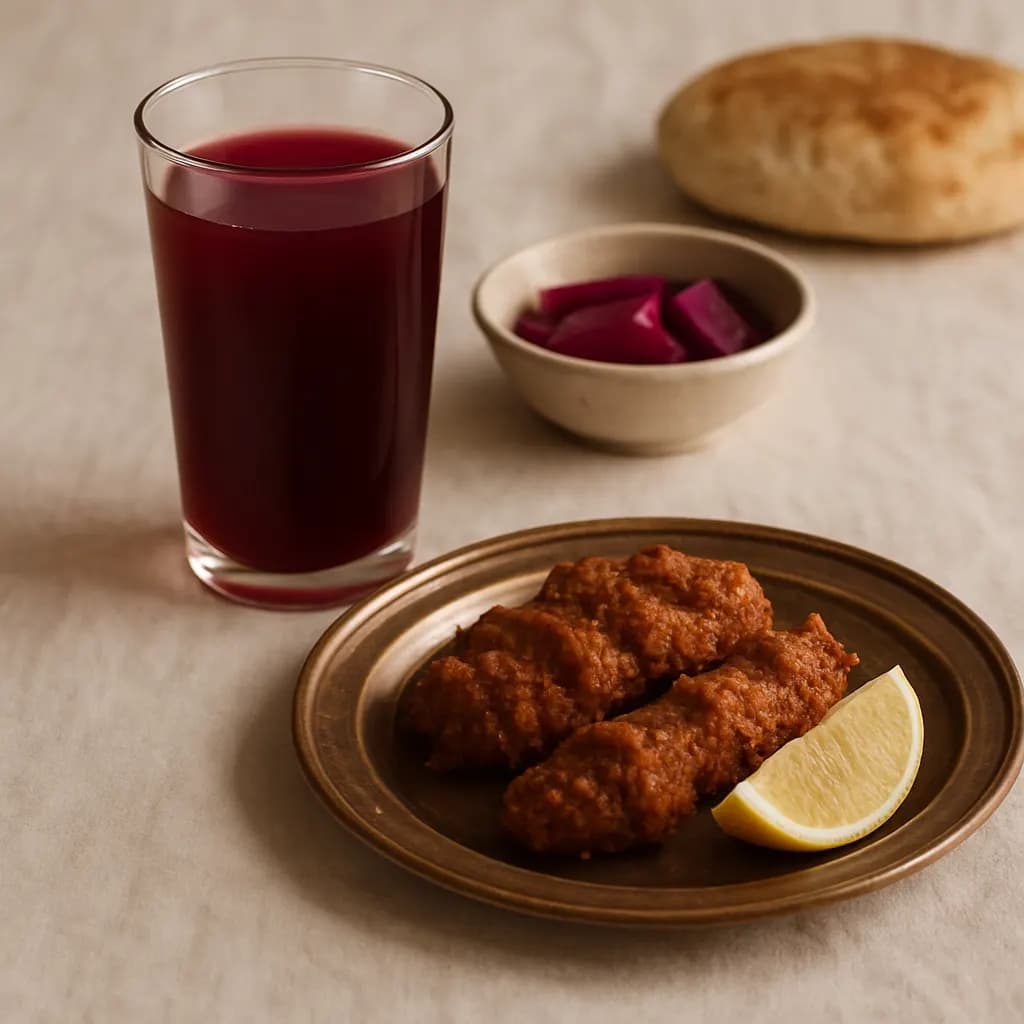
Şalgam(Şalgam Suyu)
yöreselA fermented drink from the Adana-Mersin region made with purple carrots, turnip, and bulgur flour; it accompanies kebabs and çiğ köfte.
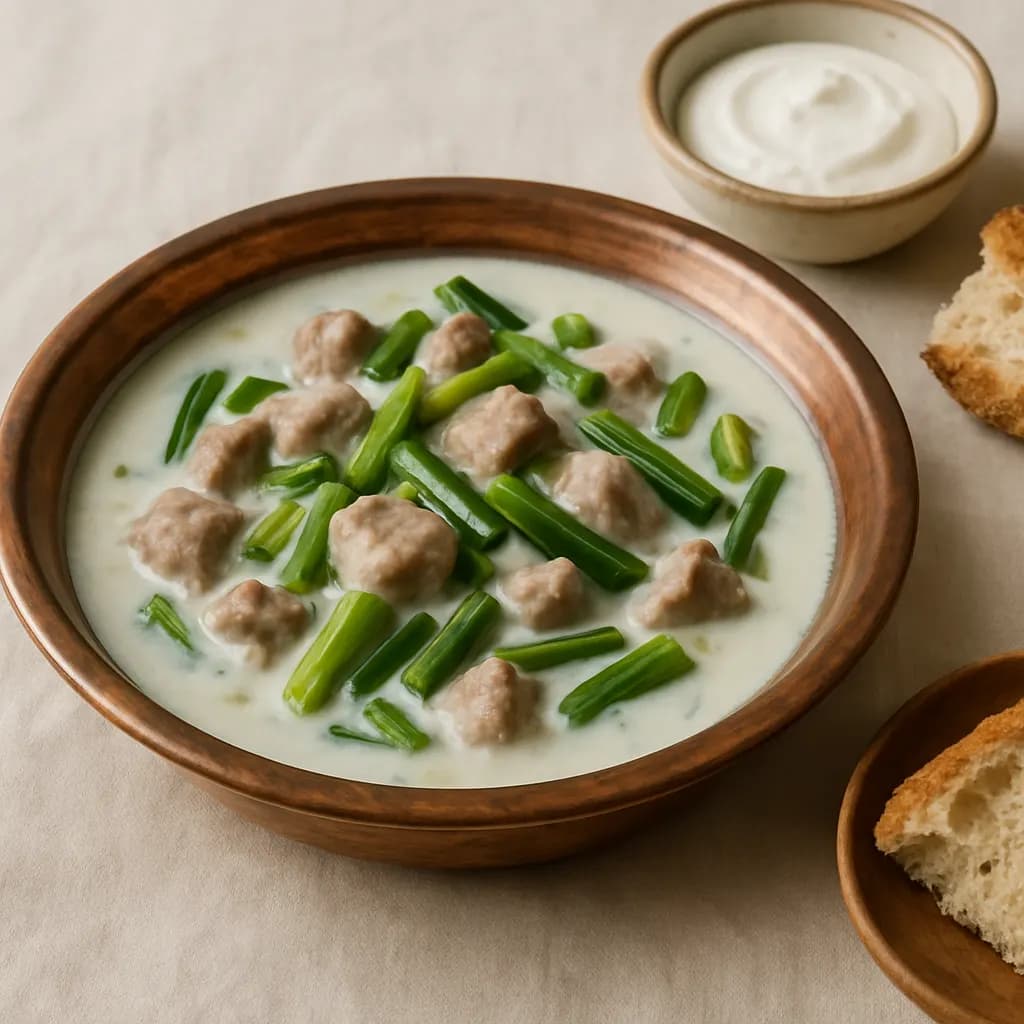
Şiveydiz
yöreselA dish from Gaziantep that brings the season of fresh garlic to a yogurt-based meat dish; dried garlic does not provide the same texture.
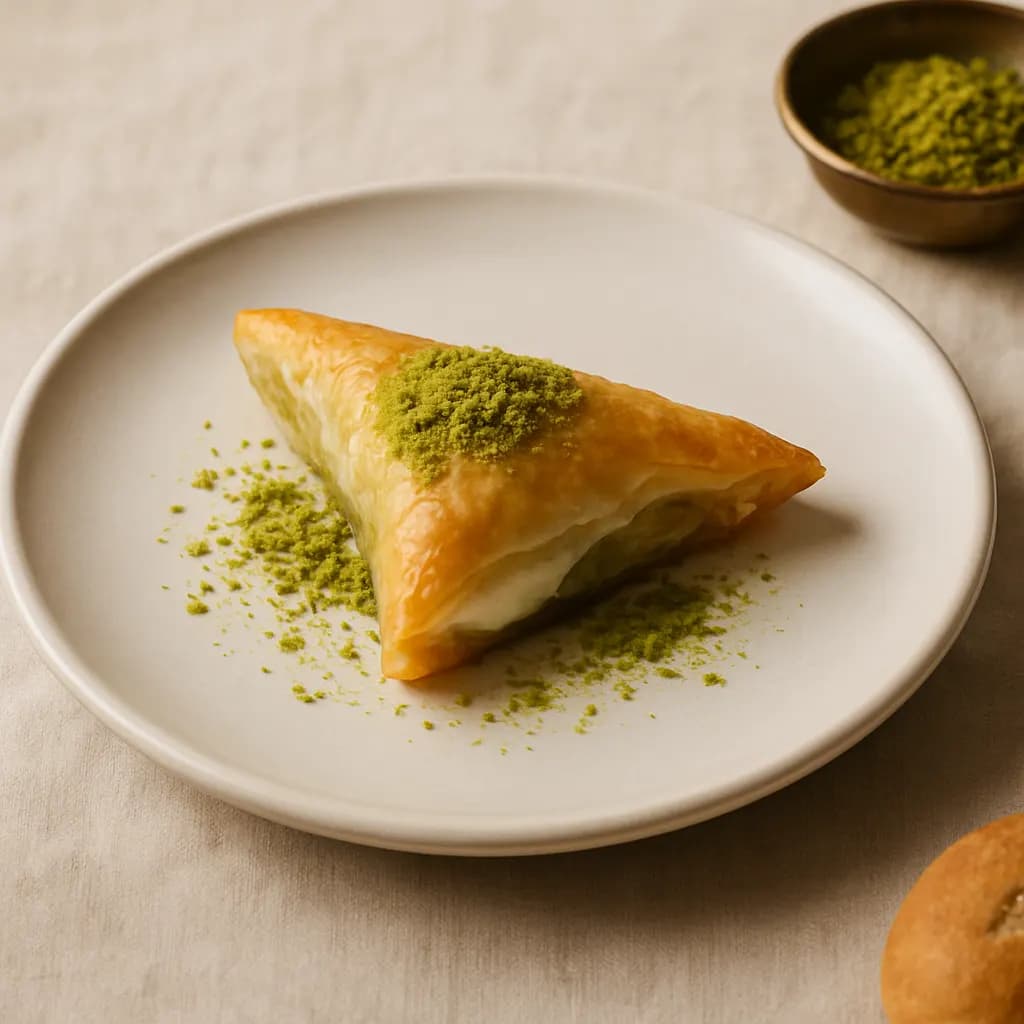
Şöbiyet
yöreselA dessert from Gaziantep made of thin baklava dough folded into triangles with a filling of clotted cream and pistachios; it has a creamier filling than baklava.