GustoAtlas
The Memory of Turkish Cuisine — cultural context, technique notes and sourced stories.
178 entries
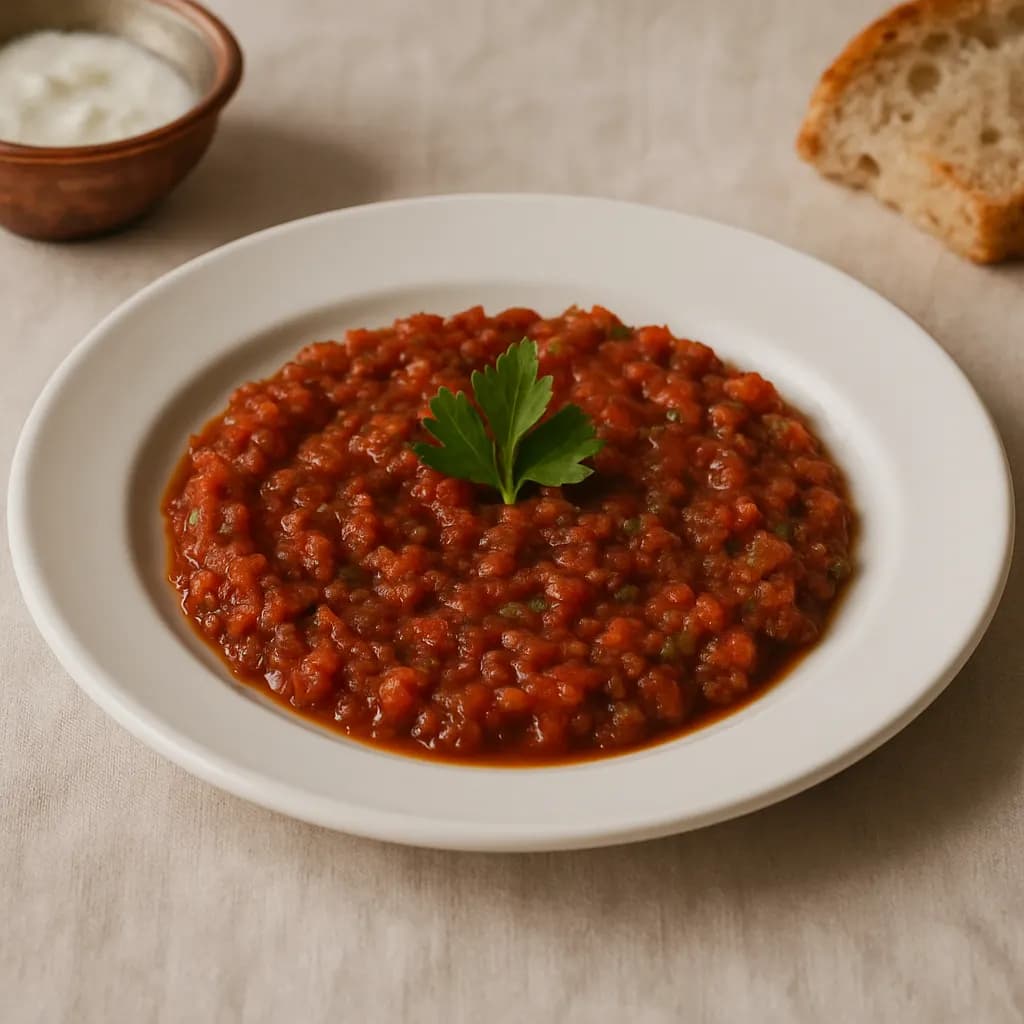
Spicy Tomato and Pepper Salad(Acılı Ezme)
yöreselA finely chopped mezze from Gaziantep made with tomatoes and peppers, blended with paste, vinegar, and spices; an indispensable accompaniment to kebabs.
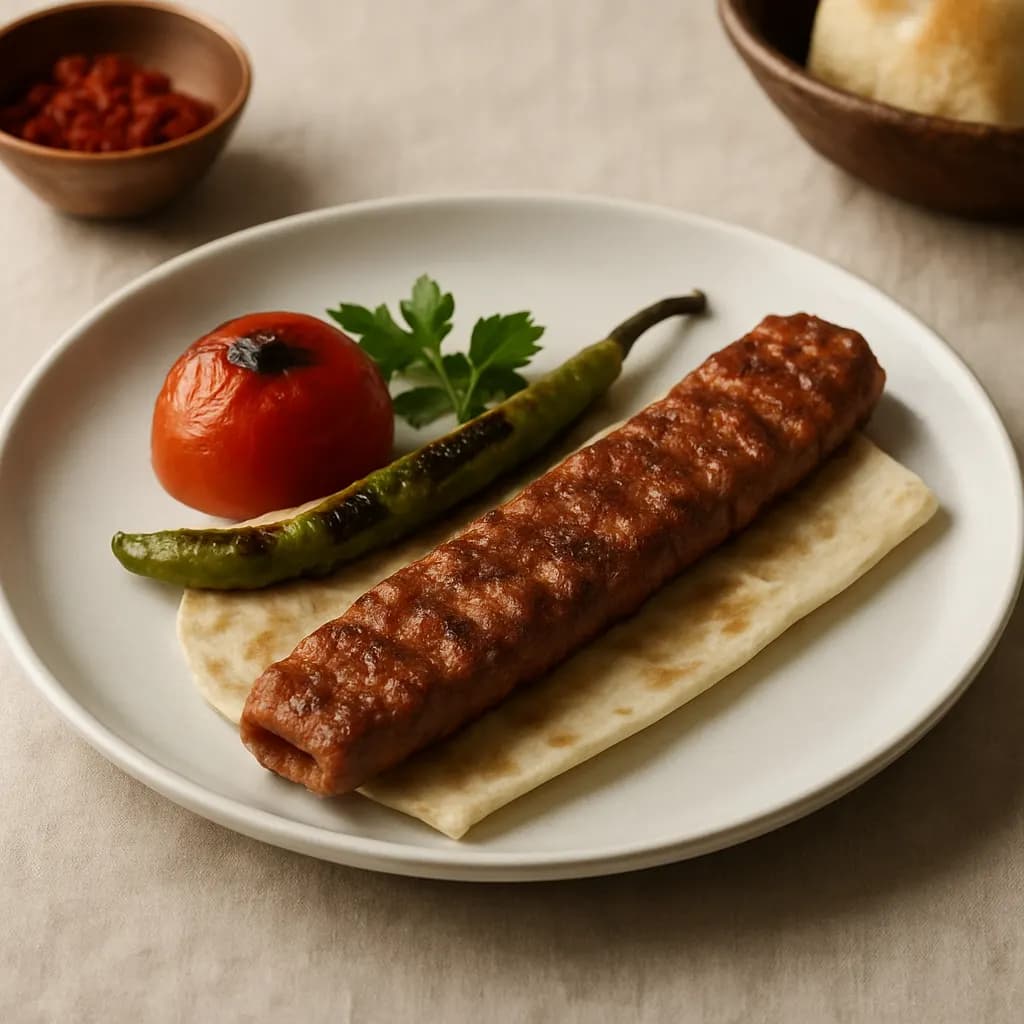
Adana Kebab(Adana Kebap)
klasikA classic from Adana, made with minced lamb mixed with hot pepper, grilled on a large skewer over charcoal. Served with roasted vegetables and flatbread.
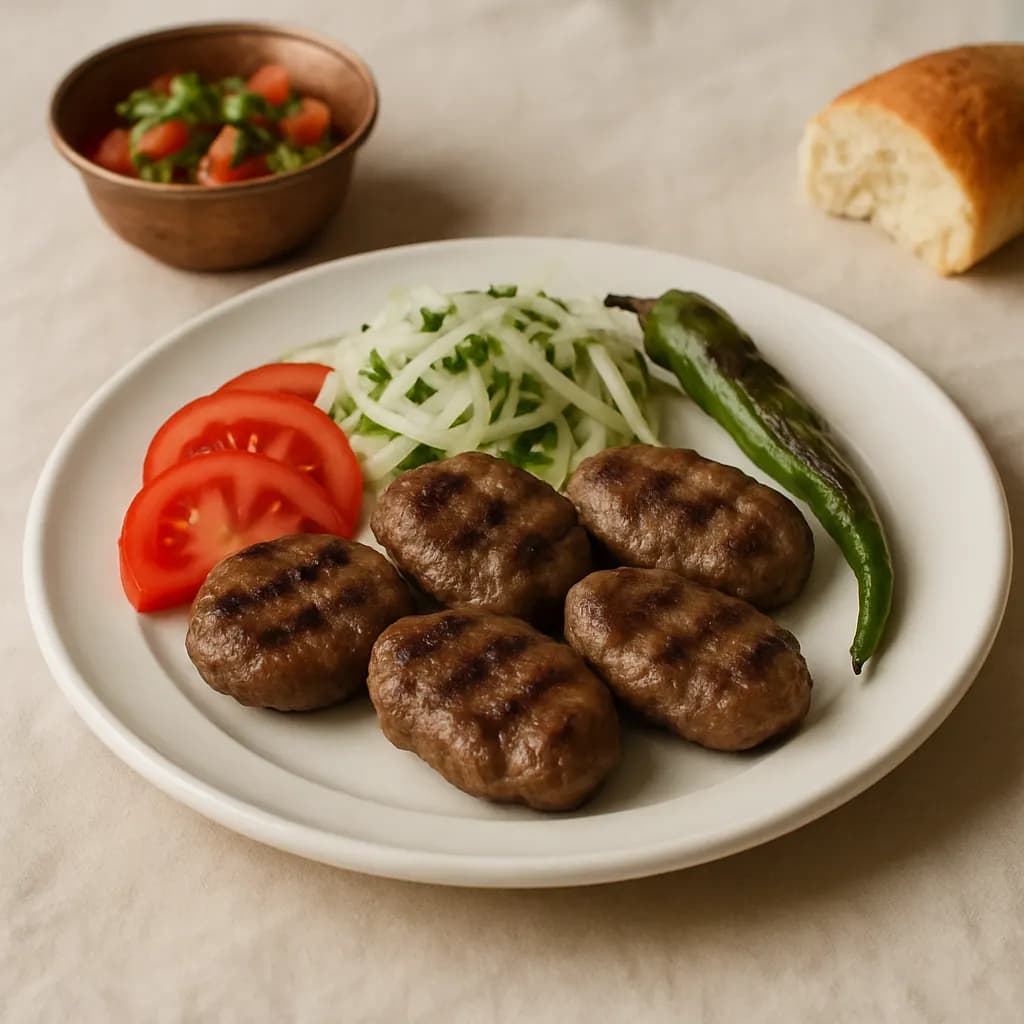
Akçaabat Kebab(Akçaabat Köftesi)
yöreselA grilled meatball from Akçaabat, Trabzon, known for its balance of meat and garlic.
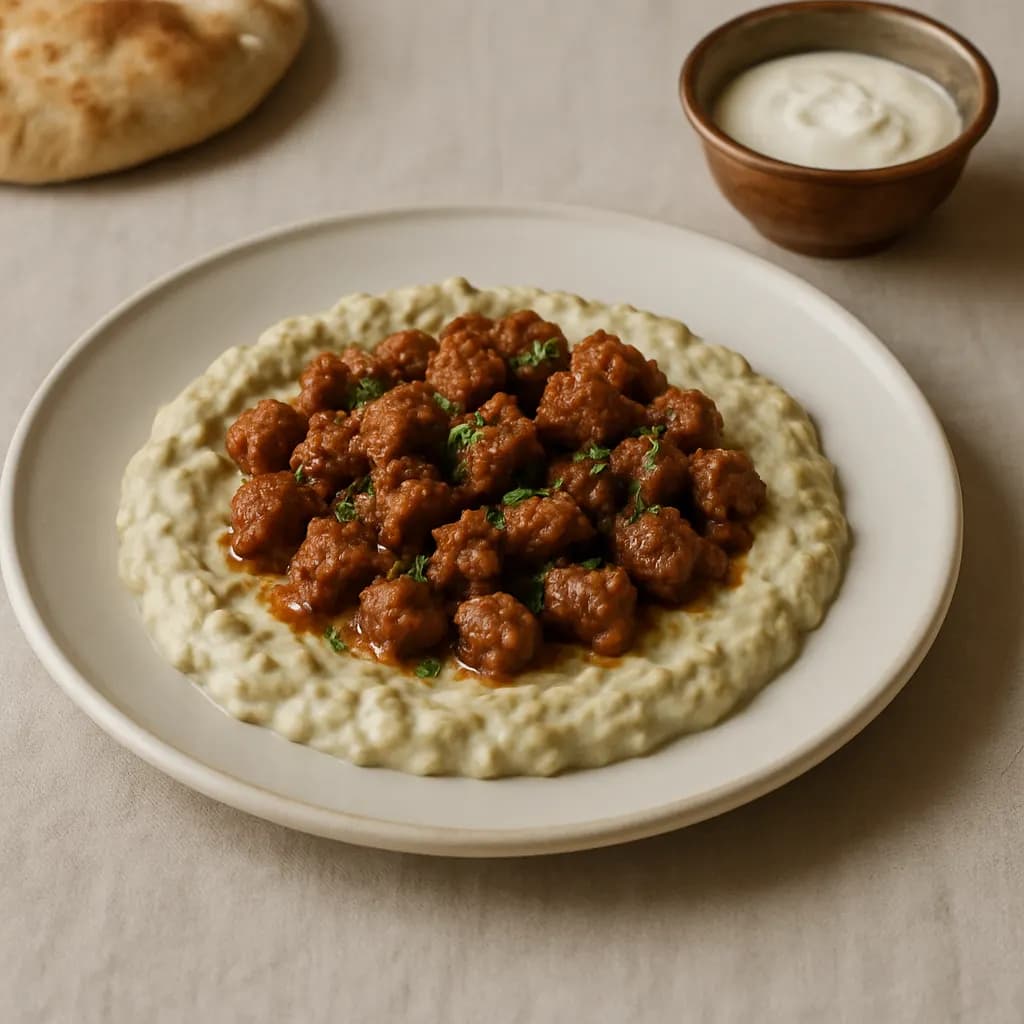
Ali Nazik
yöreselFrom Gaziantep cuisine; roasted eggplant is mashed with garlic yogurt, topped with sautéed diced meat or ground meat. The smoky flavor combines with the coolness of the yogurt on a single plate.
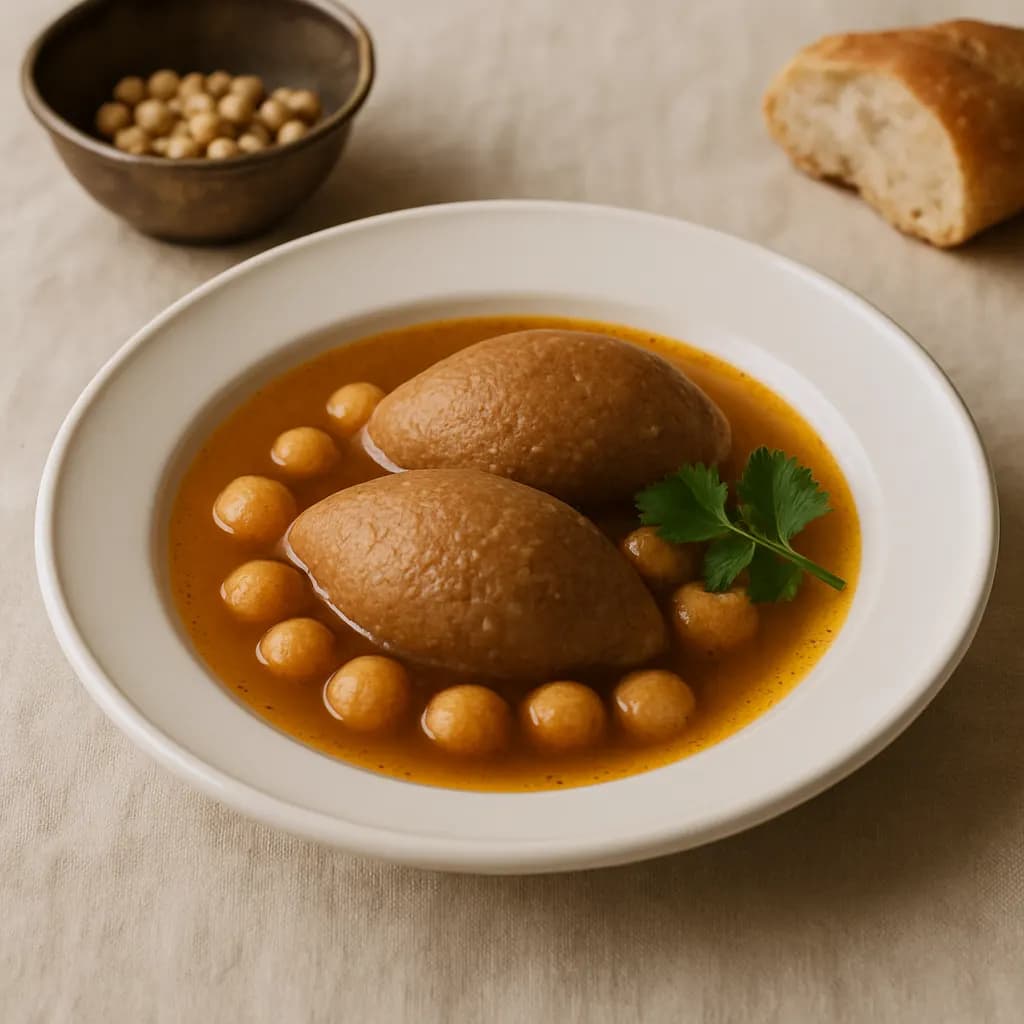
Analı Kızlı
yöreselA hearty Southern classic where large stuffed meatballs meet small bulgur meatballs in a sour broth; the name comes from the two types of meatballs.
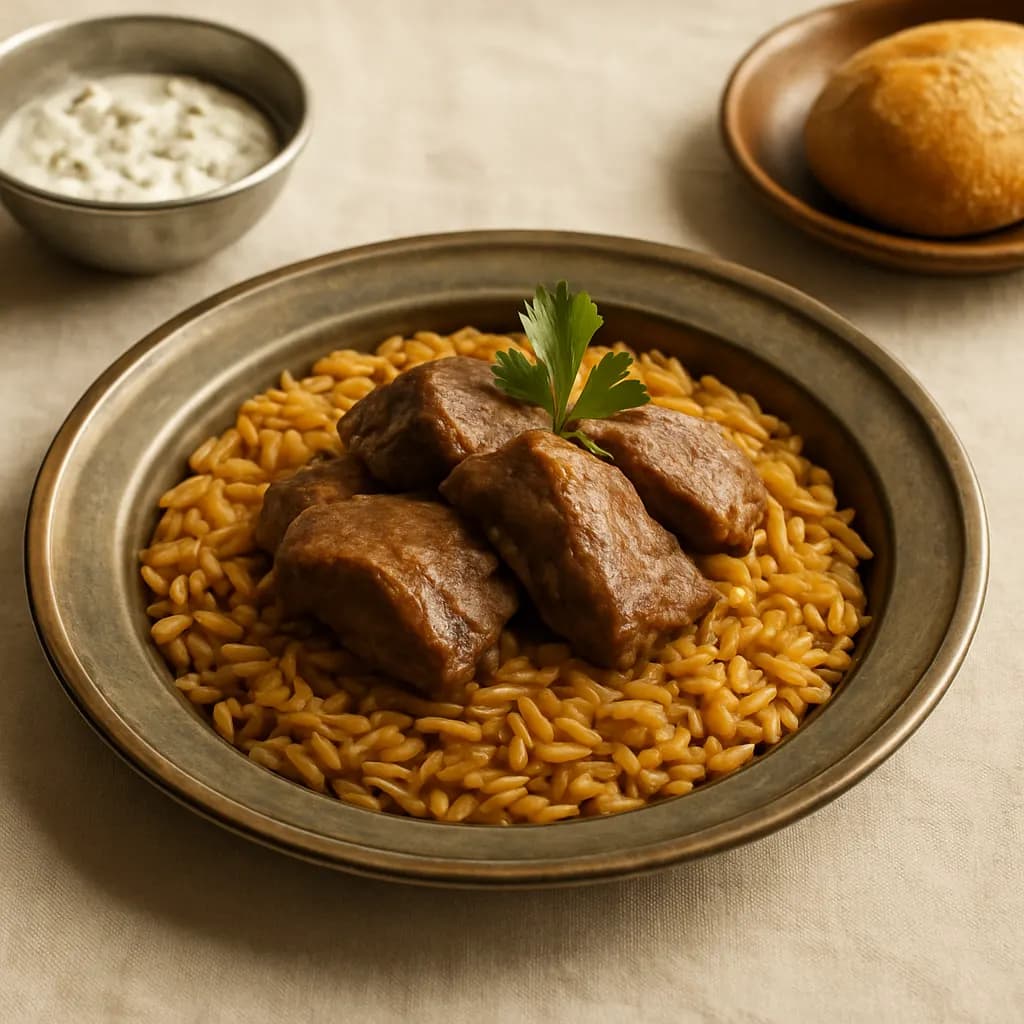
Ankara Tava
yöreselA classic dish named after the capital, where lamb is baked with orzo. It represents the cuisine of Ankara.
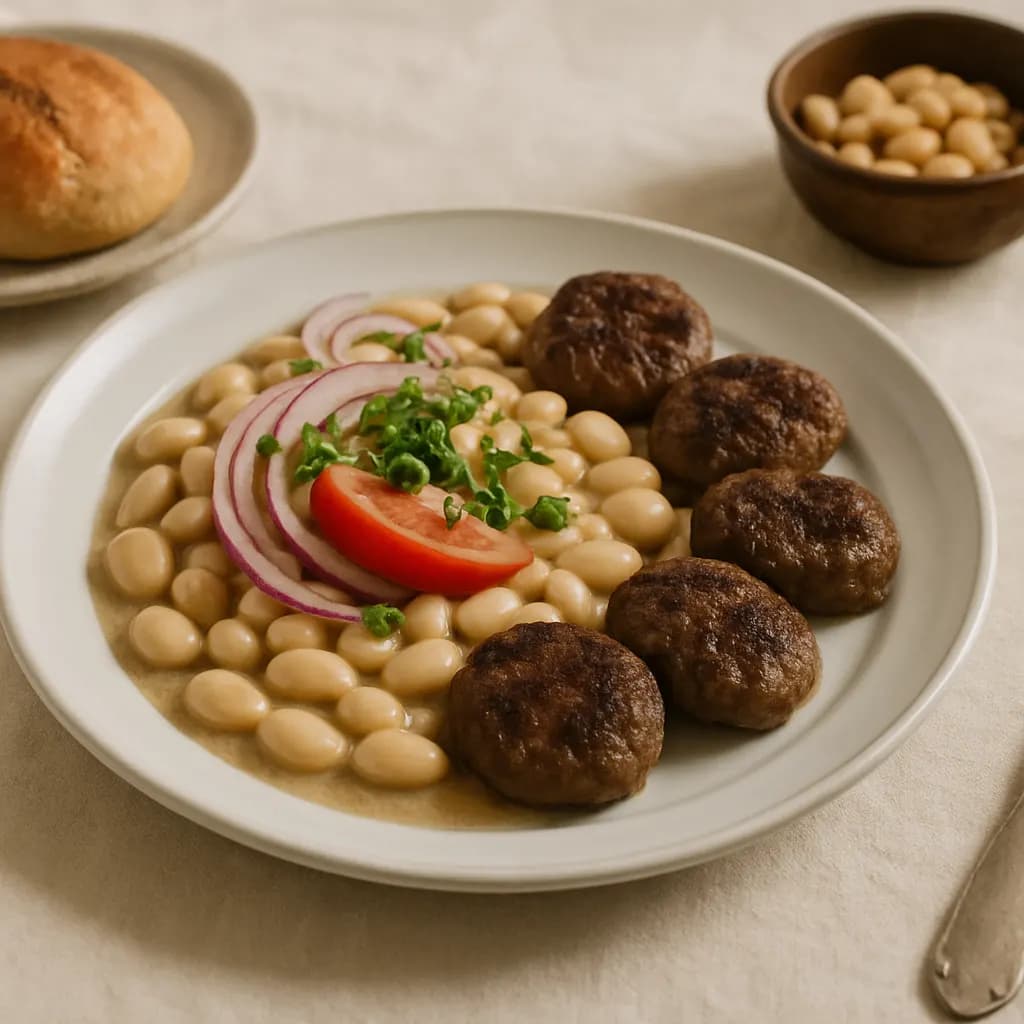
Antalya Piyaz(Antalya Piyazı)
yöreselA regional variation of piyaz where white beans are combined with tahini, distinct from the classic version. It is a traditional lunch dish served with meatballs in the area.
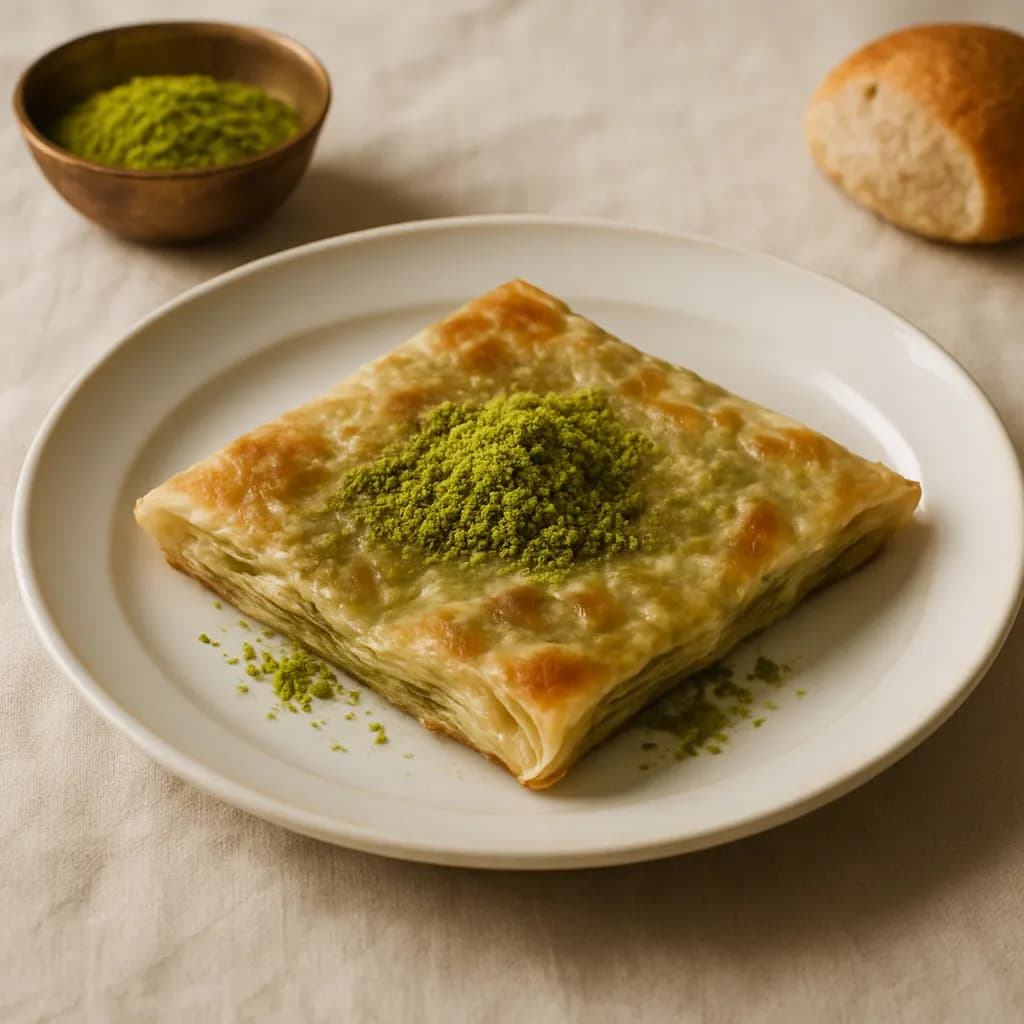
Antep Katmeri
yöreselA breakfast pastry made by folding thinly rolled dough with clotted cream and pistachios, then frying it on a griddle. It is a tradition to start the day with Katmer in Gaziantep.
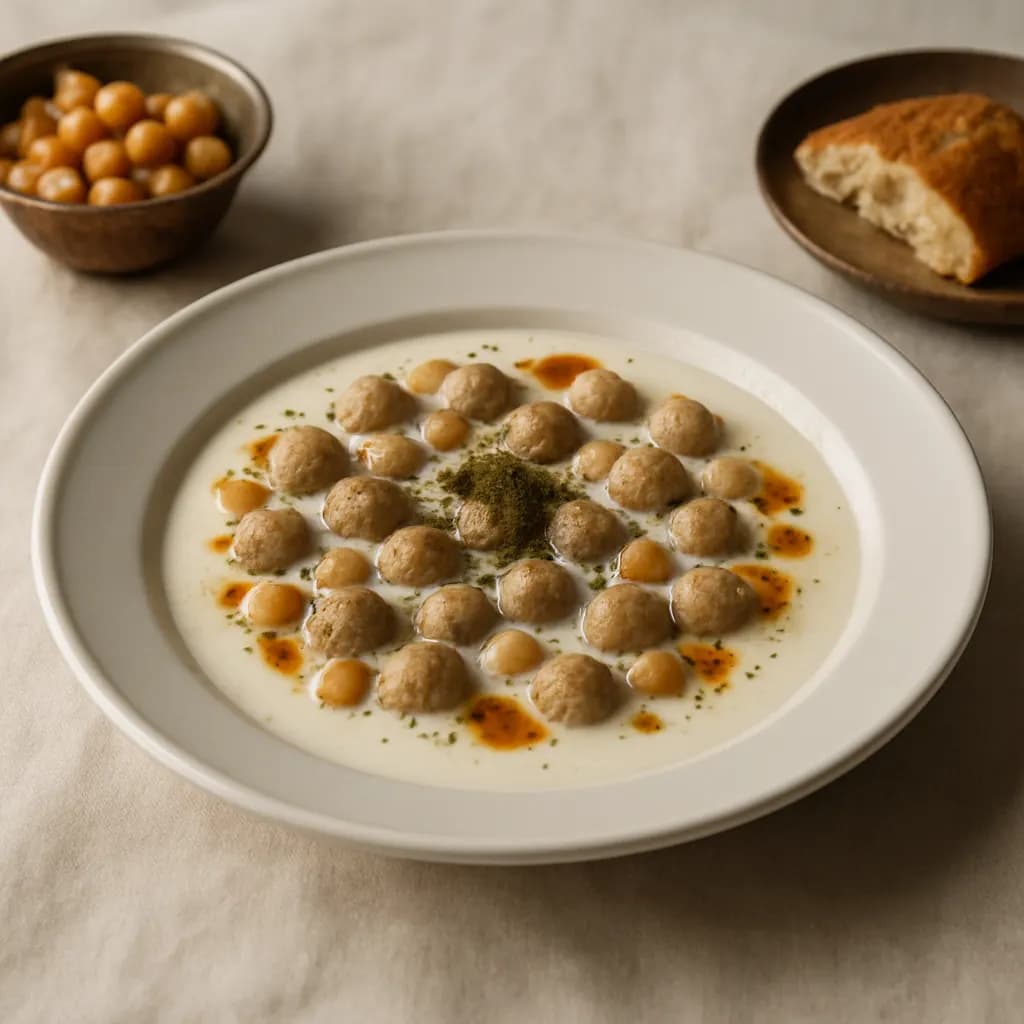
Antep Yuvarlaması
yöreselA festive dish where small meatballs made with rice combine with meat, chickpeas, and yogurt; the official local recipe documents the main structure.
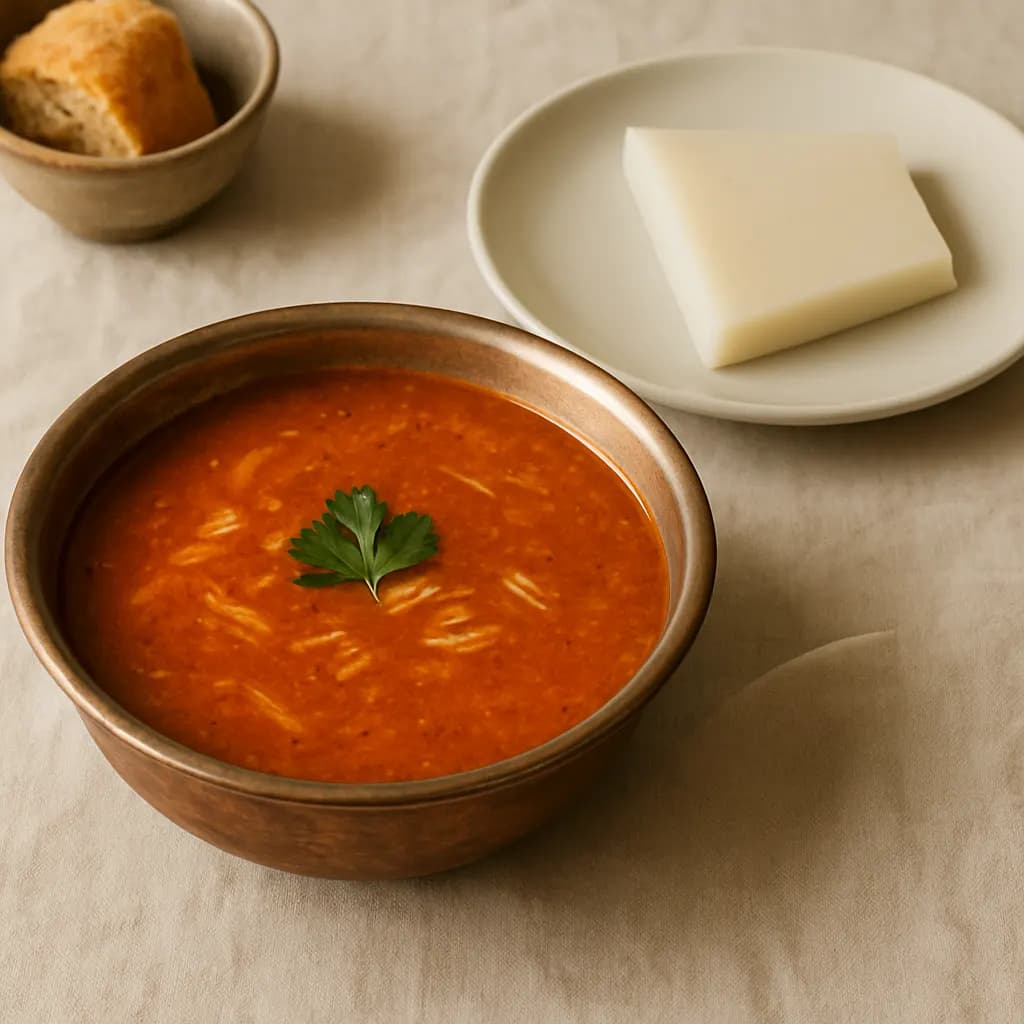
Arabaşı Soup(Arabaşı Çorbası)
yöreselA winter table arrangement where spicy chicken soup is served alongside a separately cooked and cooled dough; it is the name for both the soup and the way of eating it together.
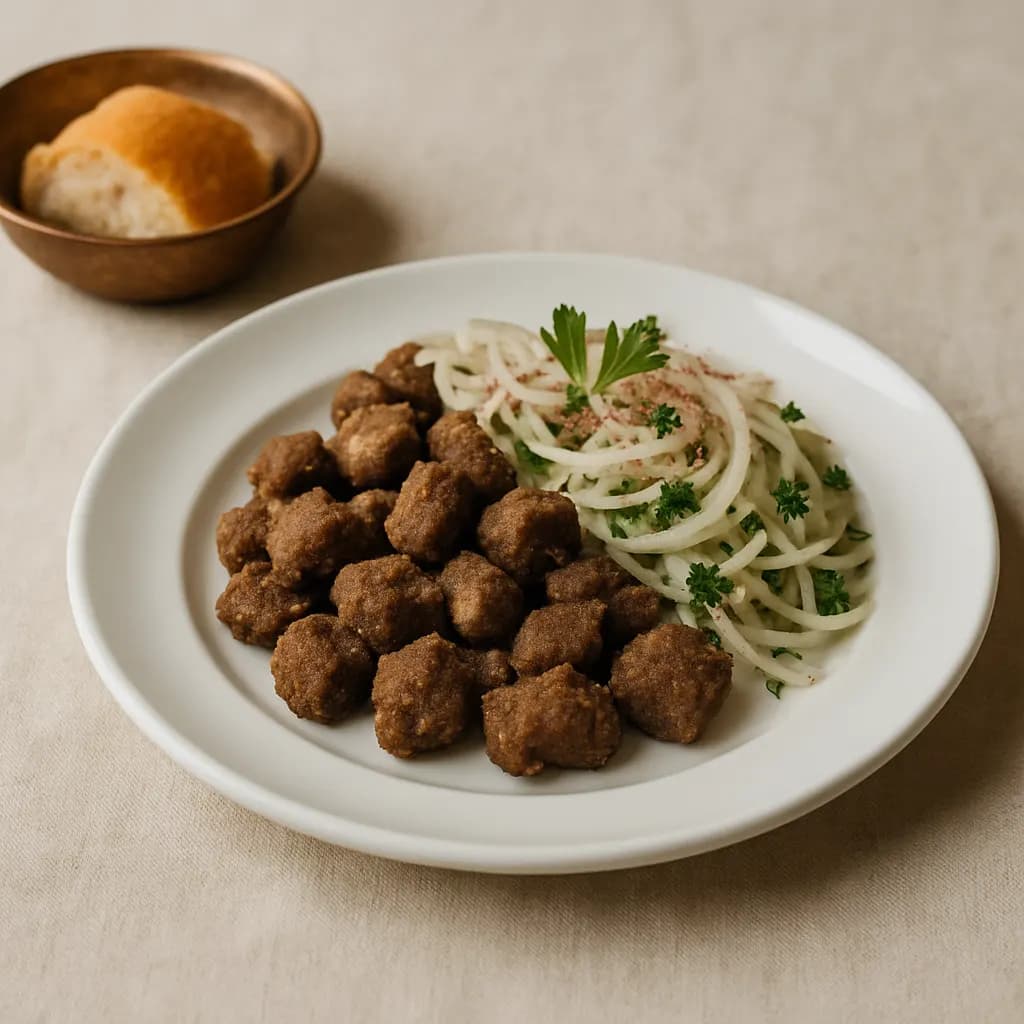
Albanian Liver(Arnavut Ciğeri)
yöreselA classic Istanbul meze consisting of small pieces of floured liver fried and served with onion salad; associated with Balkan migration heritage.
Avelok
yöreselThe avelok herb gathered around Bitlis in spring is cooked with chickpeas and bulgur; a dried version kept for winter is also common. The herb's own sourness is the measure of the dish.
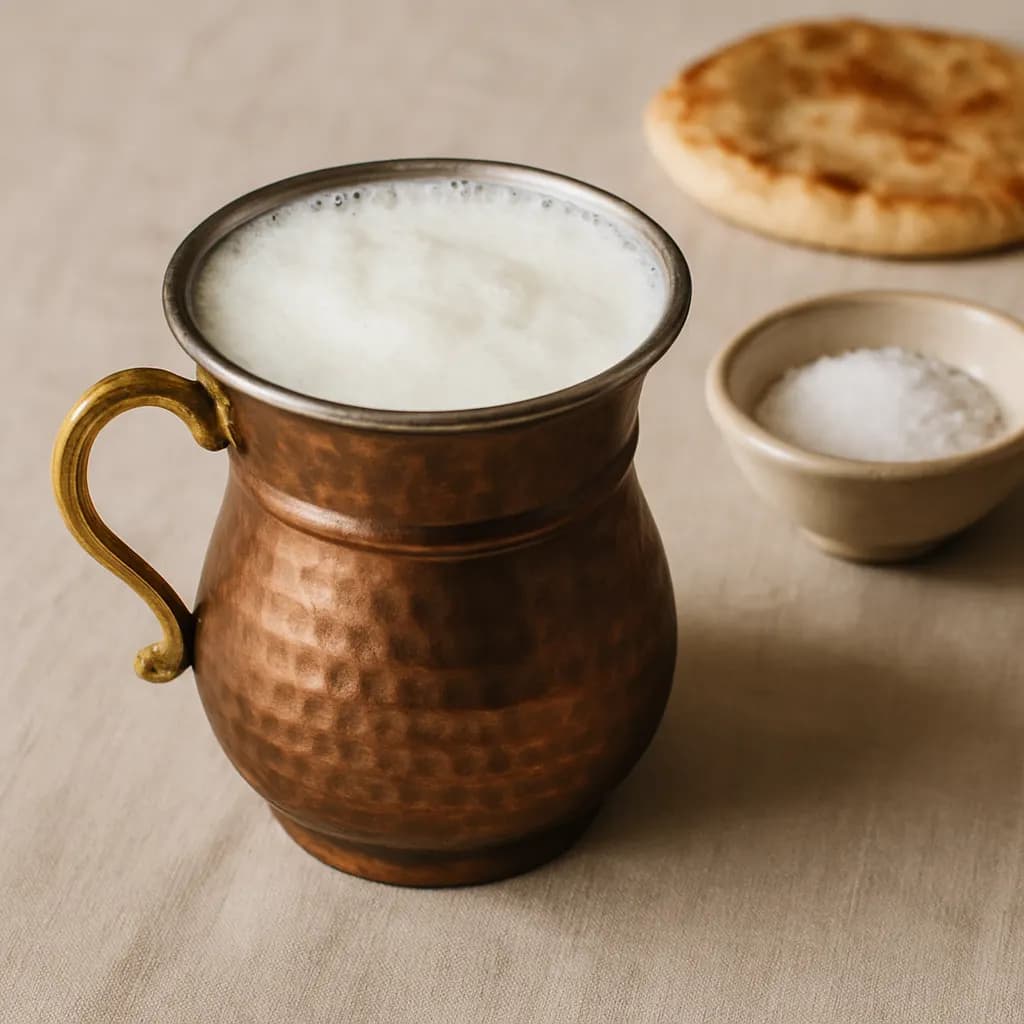
Ayran
klasikA drinkable form of yogurt; the process of making ayran is distinct and related to butter production, and blending does not create the same product.
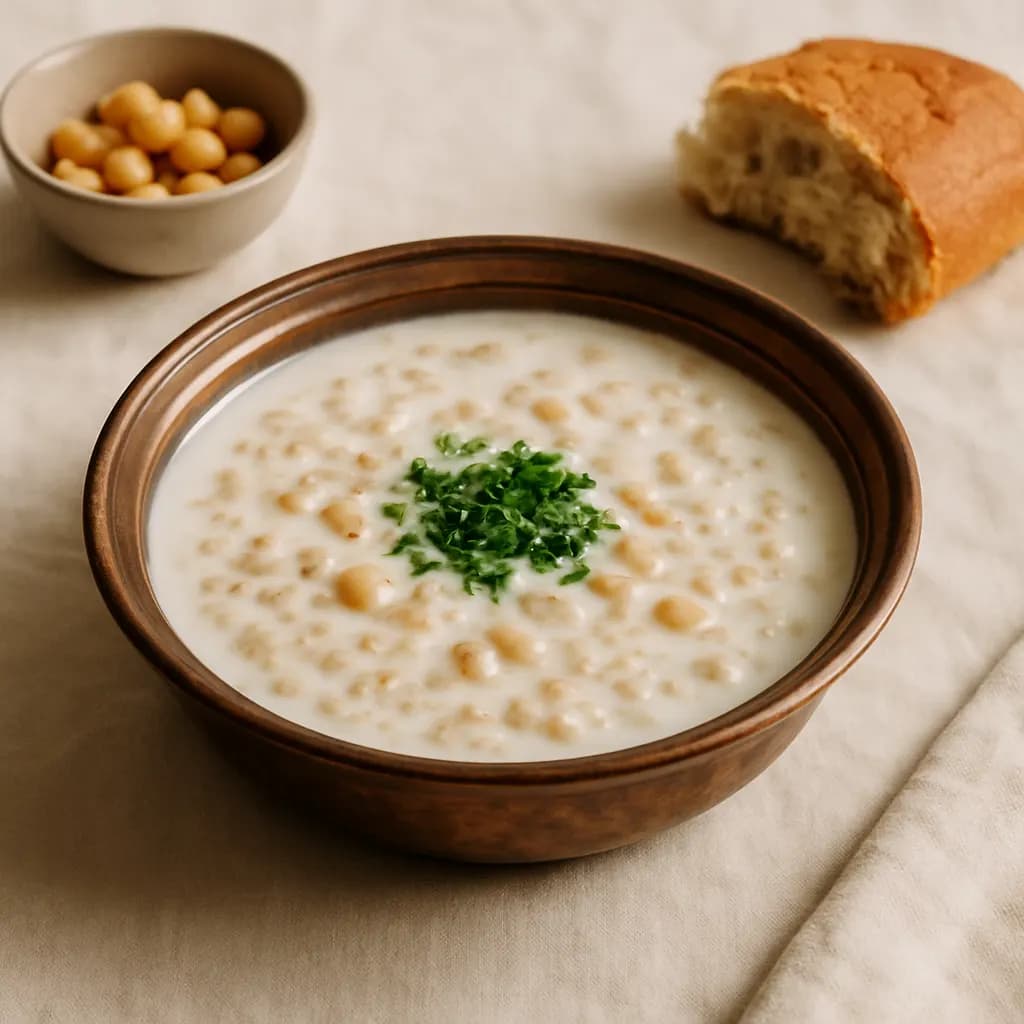
Ayran Aşı
yöreselA cold summer soup made with boiled wheat and chickpeas combined with cold yogurt; in some regions, the same name also refers to hot, herb-based dishes.
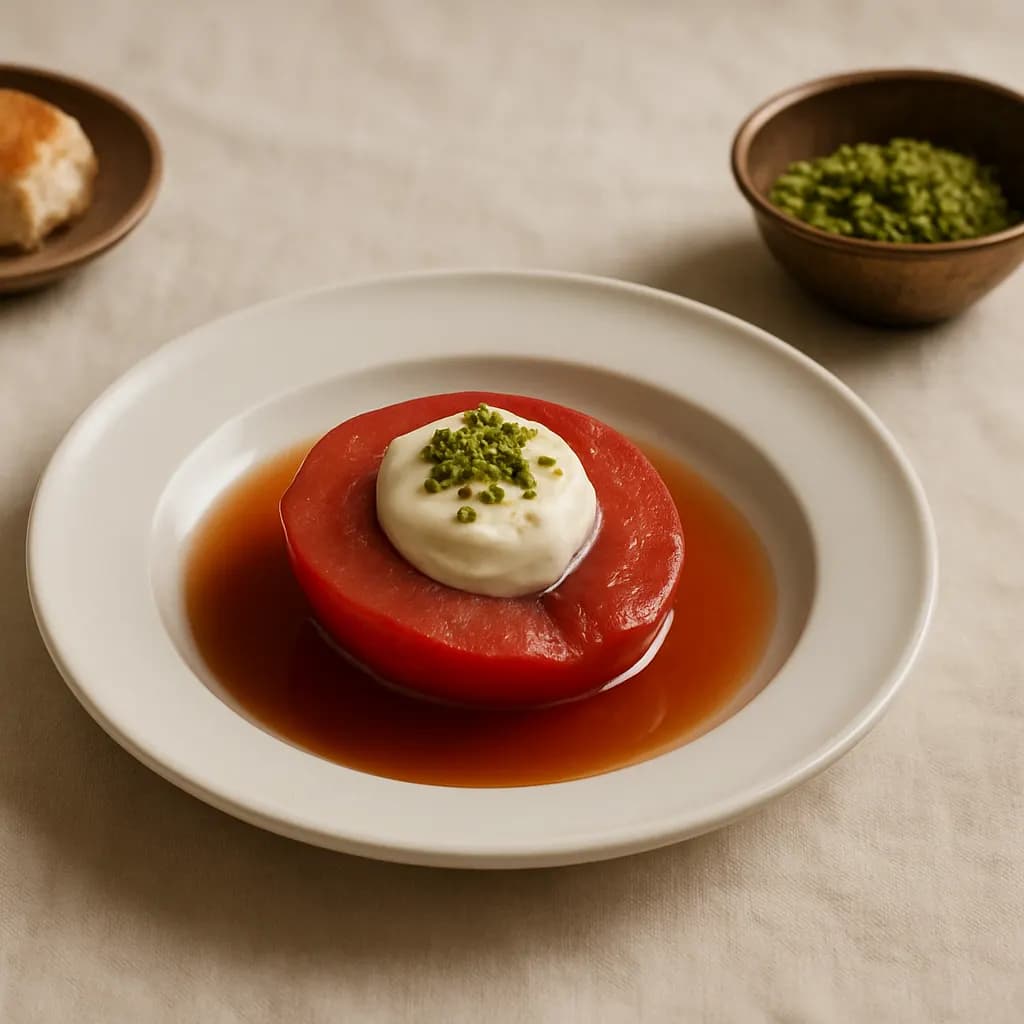
Quince Dessert(Ayva Tatlısı)
klasikA winter dessert where the tartness of quince softens through long and gentle cooking; the natural color does not develop the same redness in every fruit.
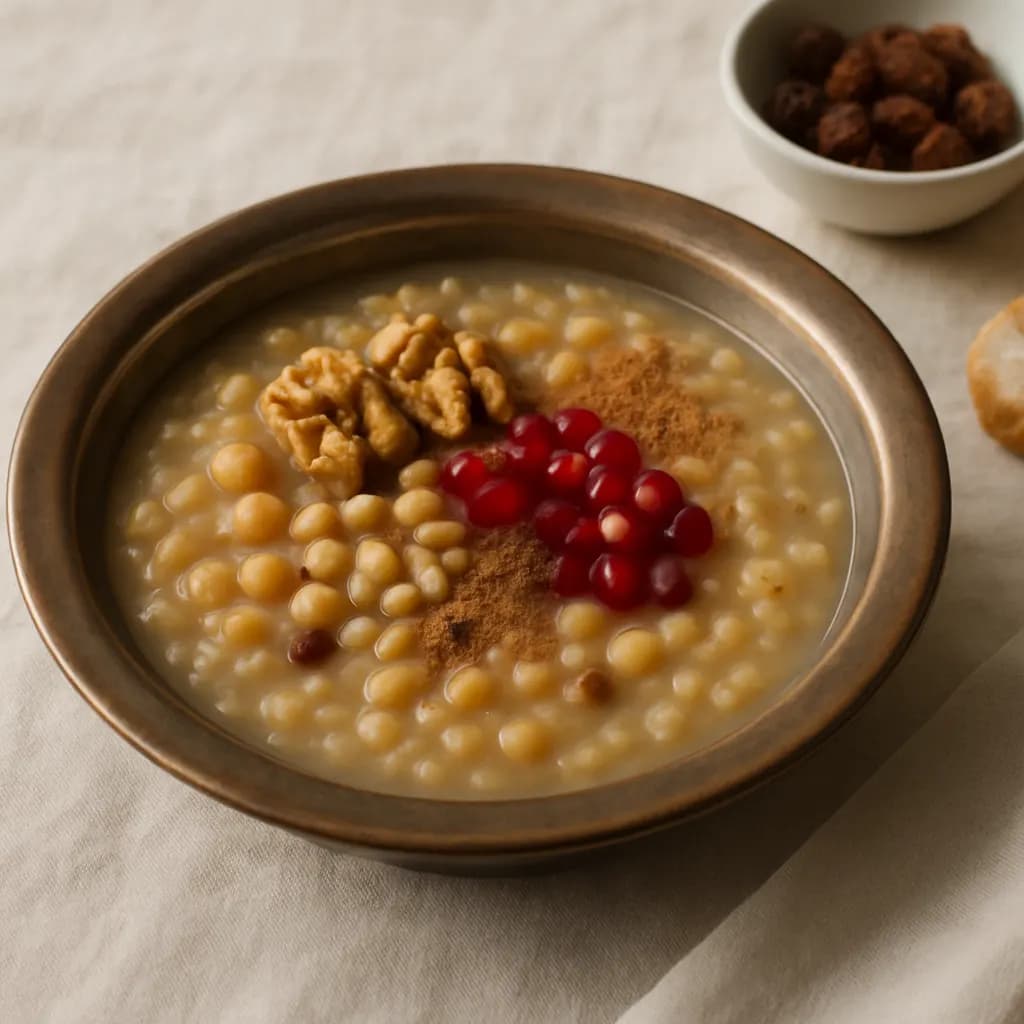
Ashure(Aşure)
klasikA ceremonial dessert made by cooking together wheat, legumes, and dried fruits, shared with neighbors. It symbolizes abundance and sharing, closely associated with the month of Muharram.
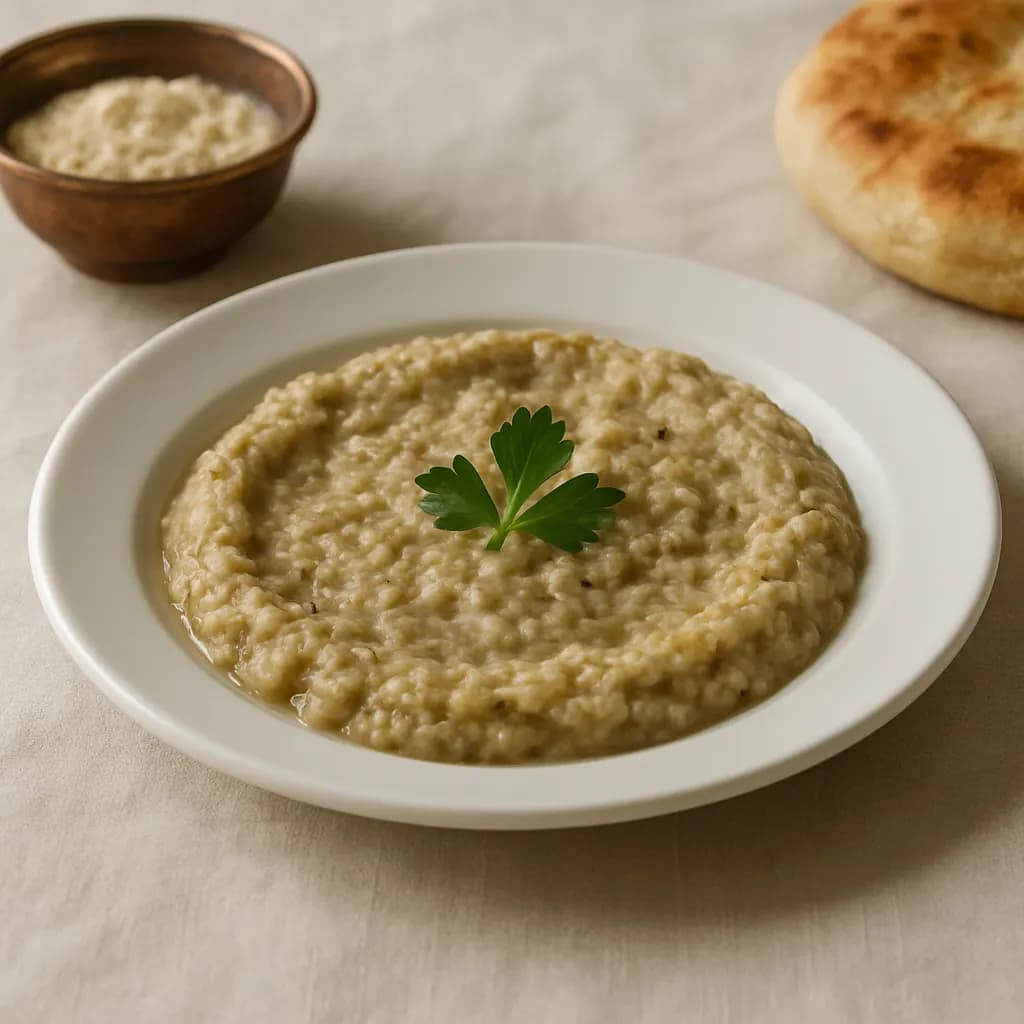
Baba Ghanoush(Babagannuş)
yöreselA Southeast Anatolian meze made from roasted eggplant blended with tahini, garlic, and lemon; the smoky aroma of roasting defines its identity.
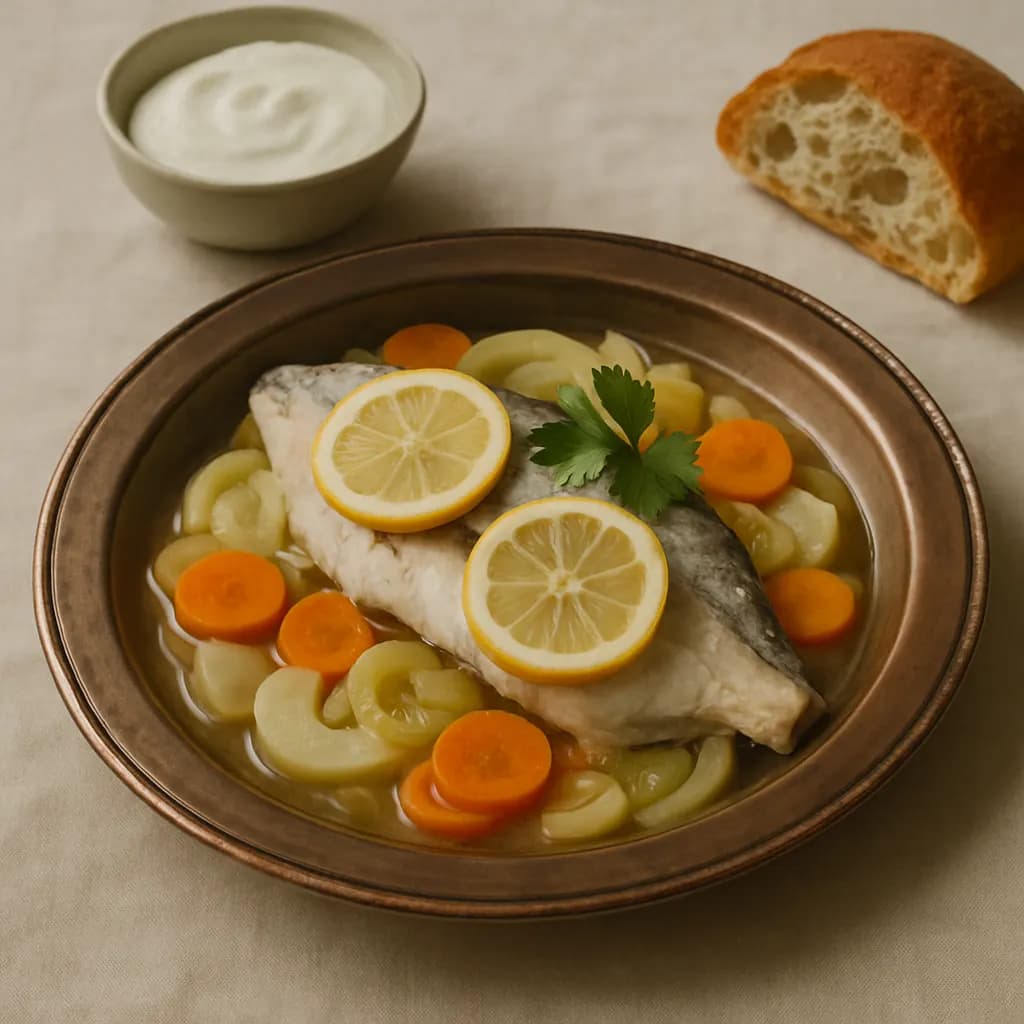
Steamed Fish(Balık Buğulama)
klasikA coastal classic where fish is cooked with steam and its own juices, without heavy sauces; freshness is the main determinant.
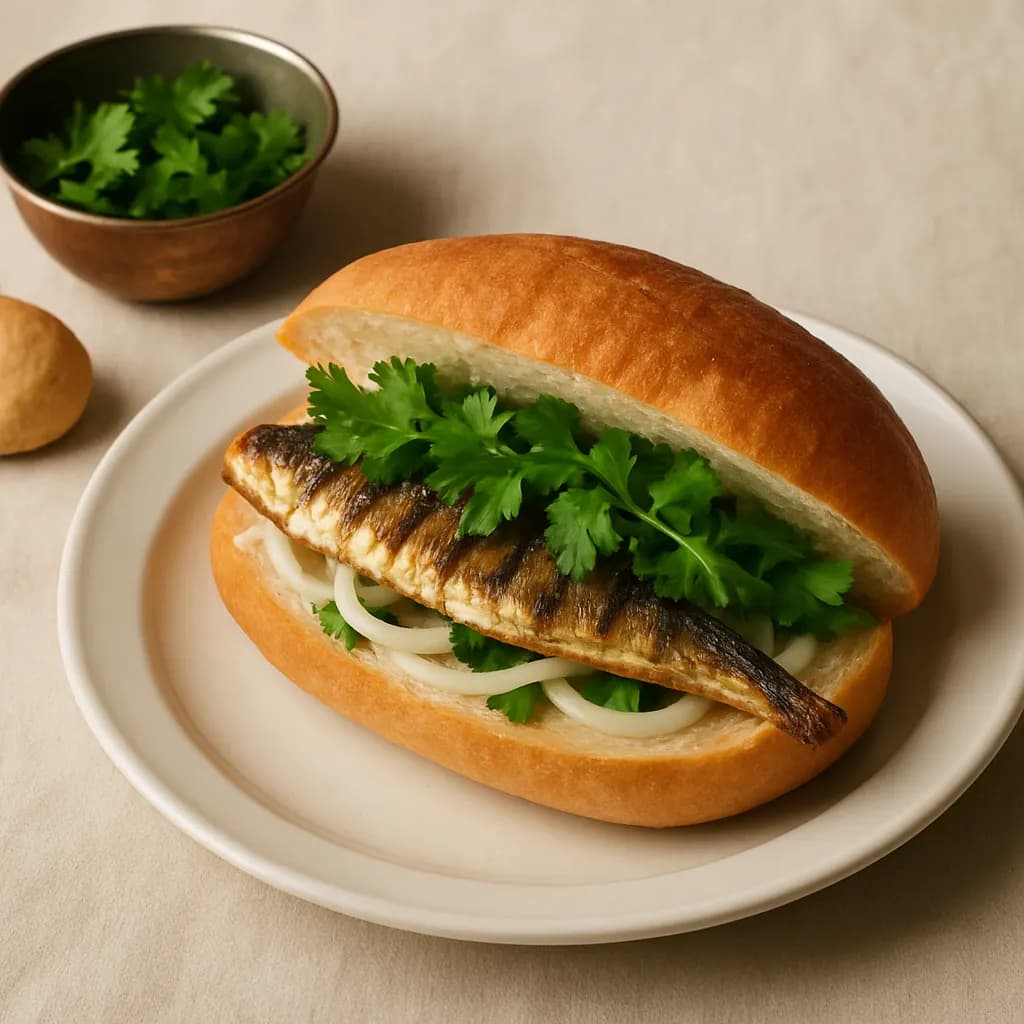
Fish Sandwich(Balık Ekmek)
klasikA symbol of the Istanbul shores; grilled fish served between bread with onions and greens. It is a port tradition associated with the boats of Eminönü.
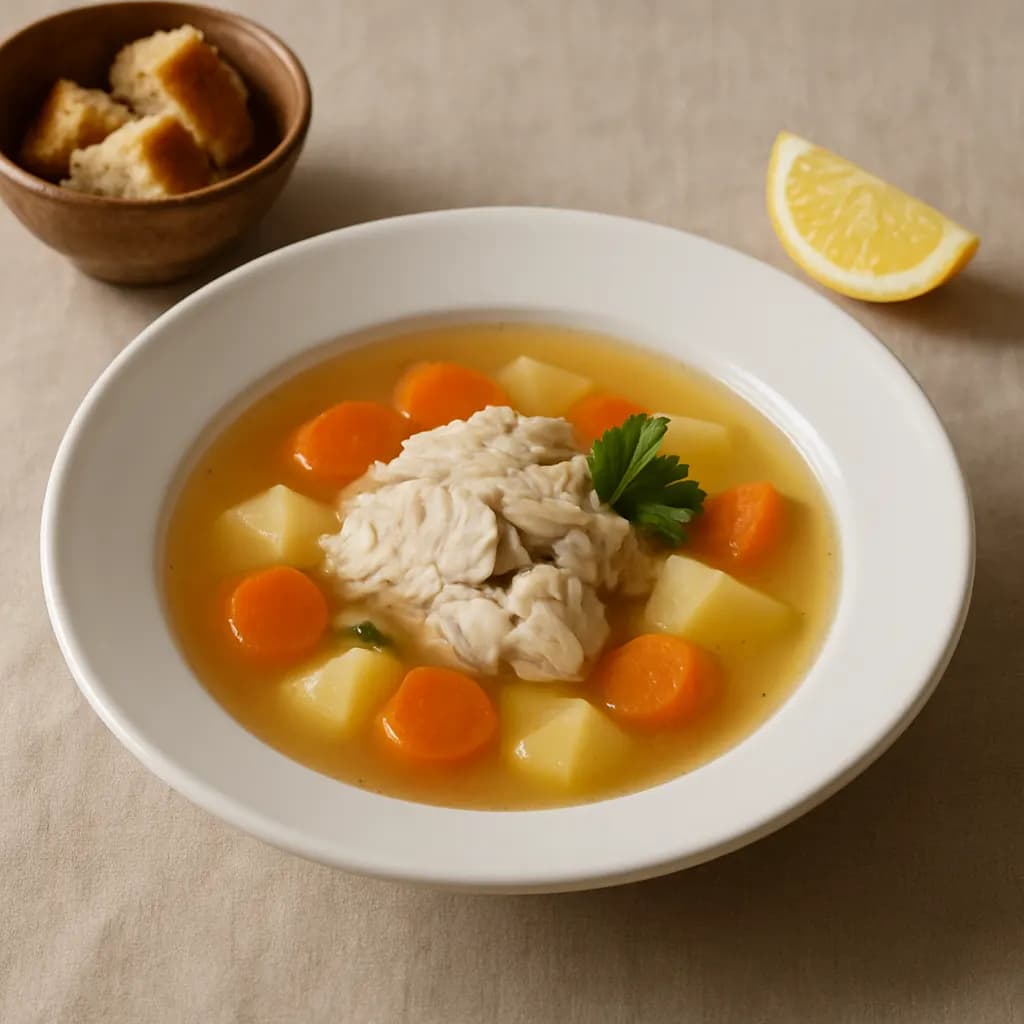
Fish Soup(Balık Çorbası)
klasikA coastal soup where white-fleshed fish is briefly cooked in a vegetable and lemon broth; it demonstrates that fish is not limited to frying and grilling.
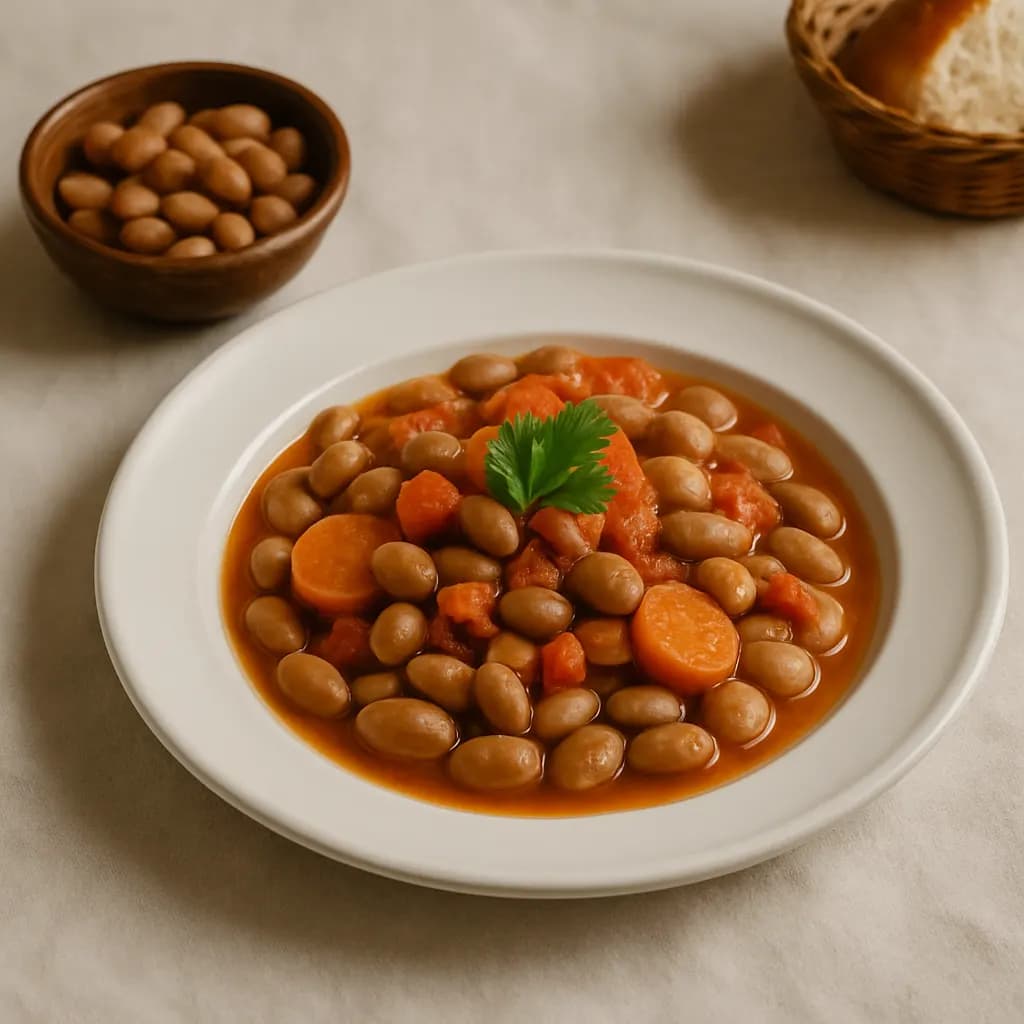
Barbunya Pilaki
klasikA beloved example of the pilaki tradition, made with fresh or dried kidney beans cooked in olive oil with onions, garlic, carrots, and tomatoes. It is served cold and is a classic of local eateries.
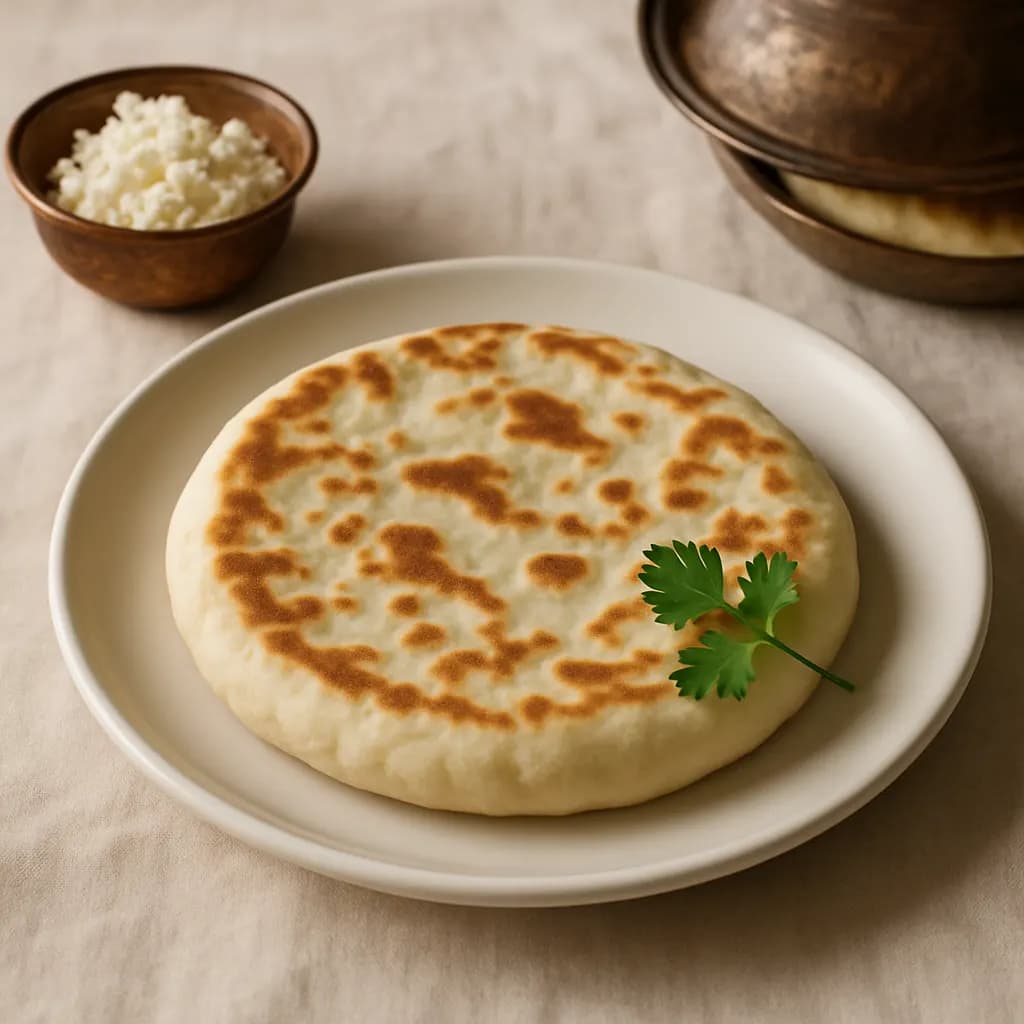
Bazlama
klasikA leavened flatbread that rises in a pan without the need for an oven; it is one of the quickest traditional breads to prepare.
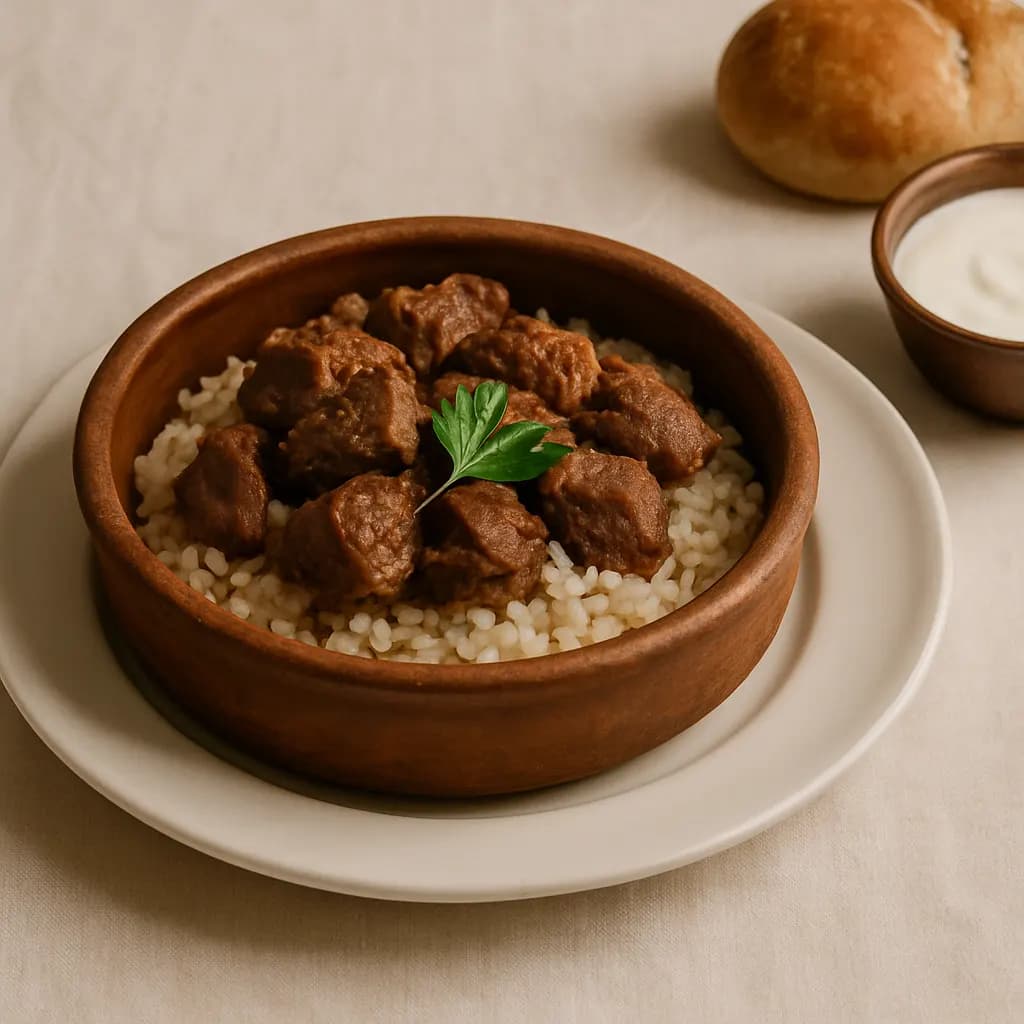
Beypazarı Stew(Beypazarı Güveci)
yöreselA dish from the Ankara-Beypazarı region where meat and rice are slowly cooked in a casserole; it is the second representative of the pilot city on Atlas.
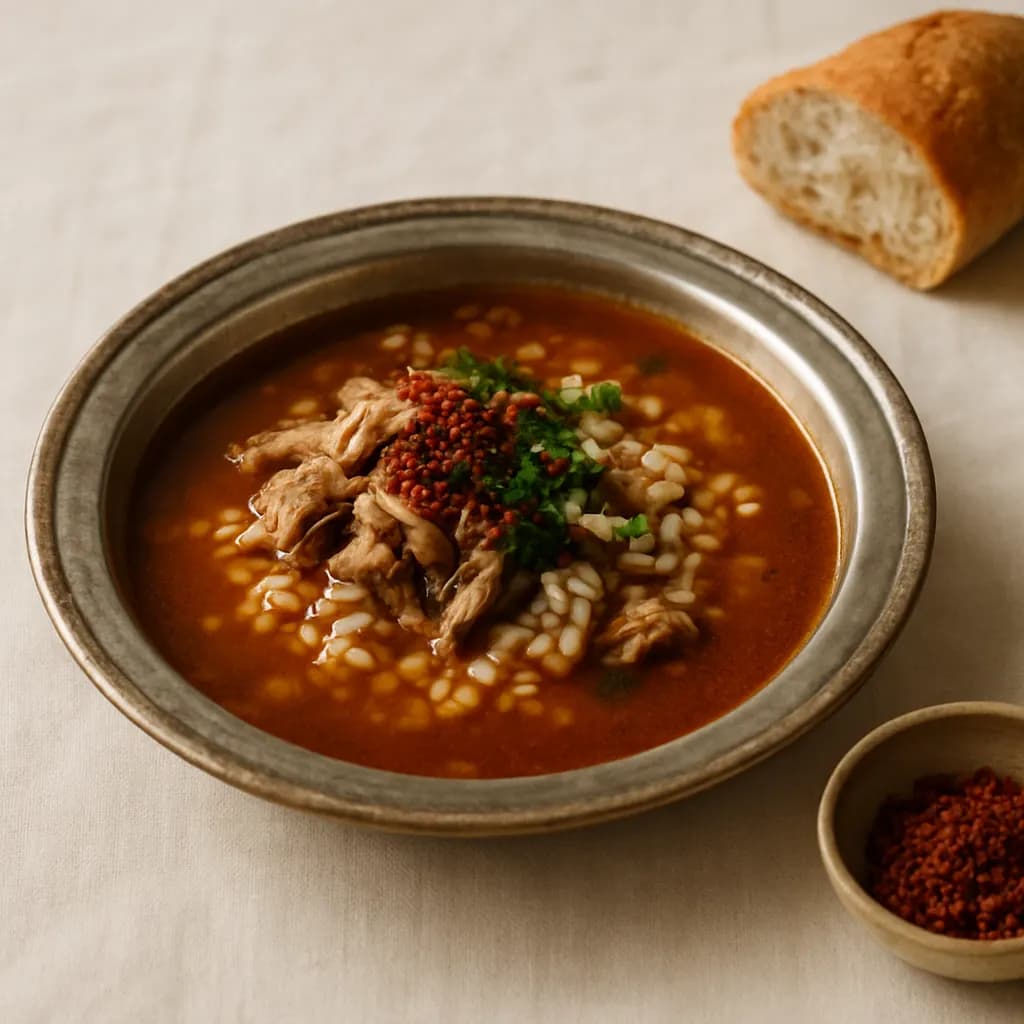
Beyran Soup(Beyran Çorbası)
yöreselA strong start to the mornings in Gaziantep: lamb shank cooked overnight meets boiled rice and plenty of garlic in a hot stone pot. It is a tradition to begin the day with spiciness.
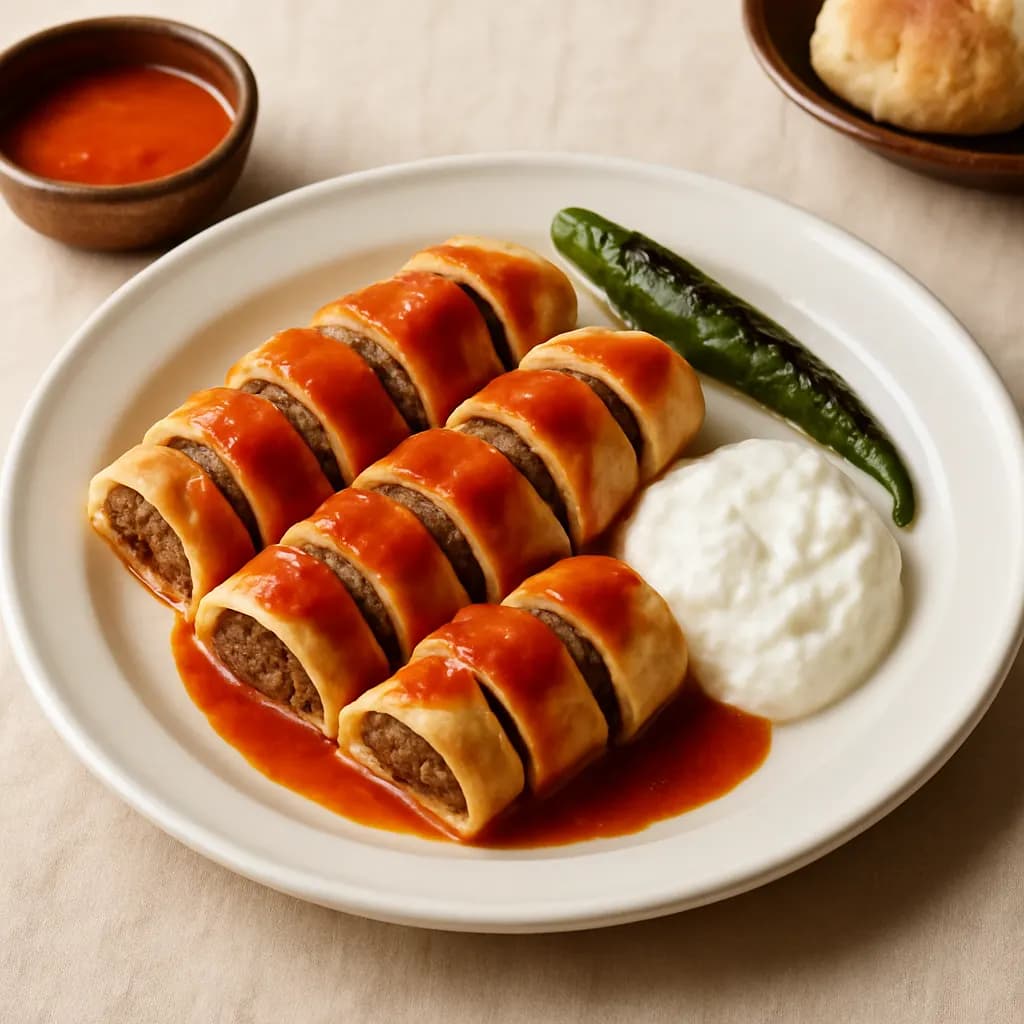
Beyti Kebab(Beyti Sarma)
modernA modern classic born in Istanbul: grilled minced meat wrapped in lavash and sliced, served with tomato sauce and yogurt. It takes its name from a restaurant tradition that became popular in the mid-20th century.
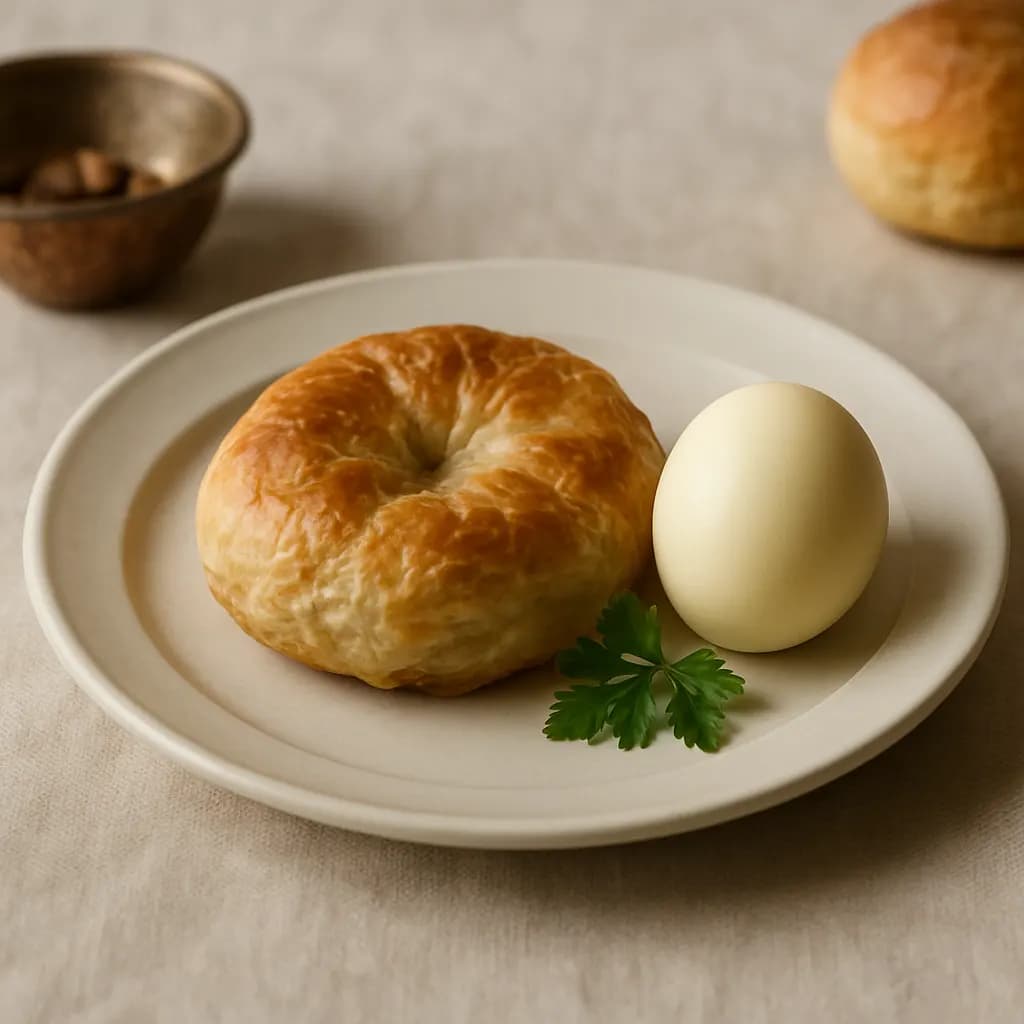
Boyoz
yöreselA baked product made from layered, fatty dough, closely associated with Izmir; it is linked to Sephardic culinary heritage and is eaten with boiled eggs.
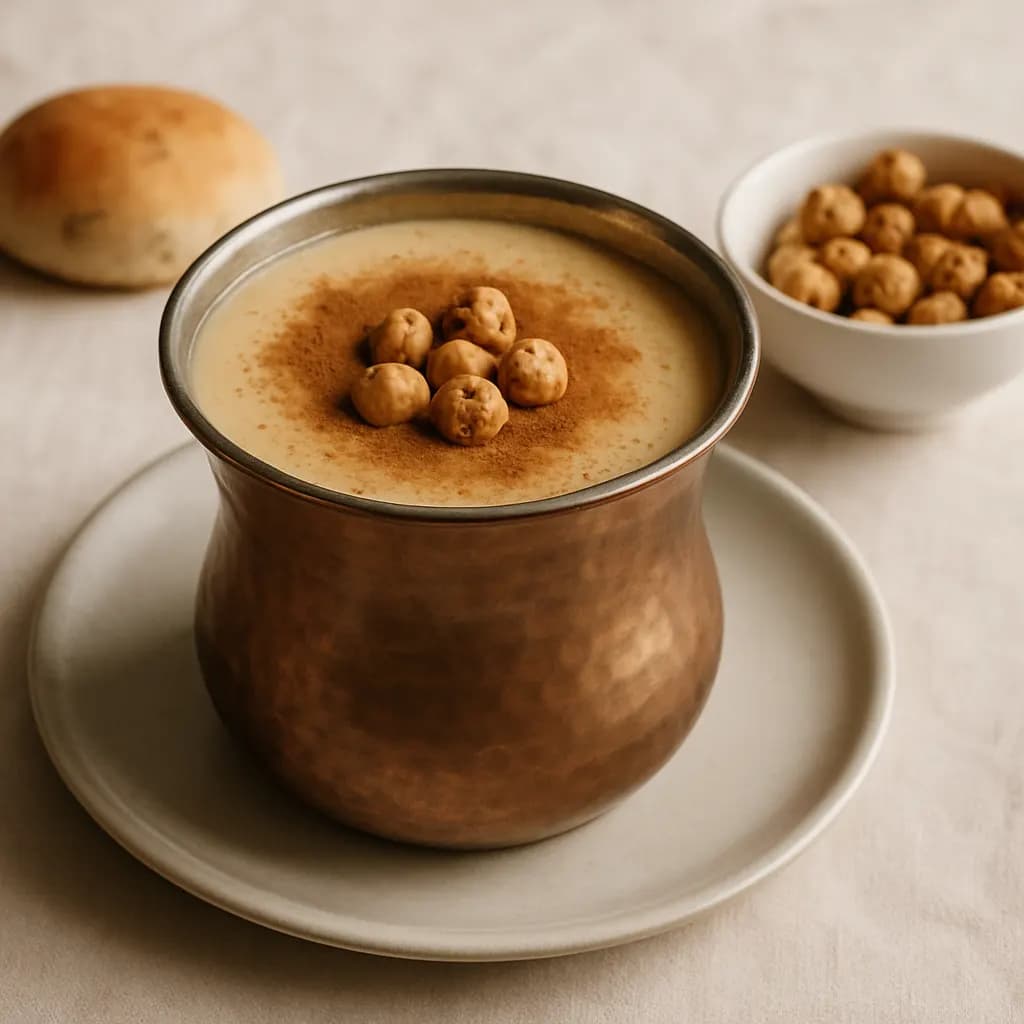
Boza
klasikA grain-based, slightly sour fermented winter drink; served with cinnamon and roasted chickpeas on top.
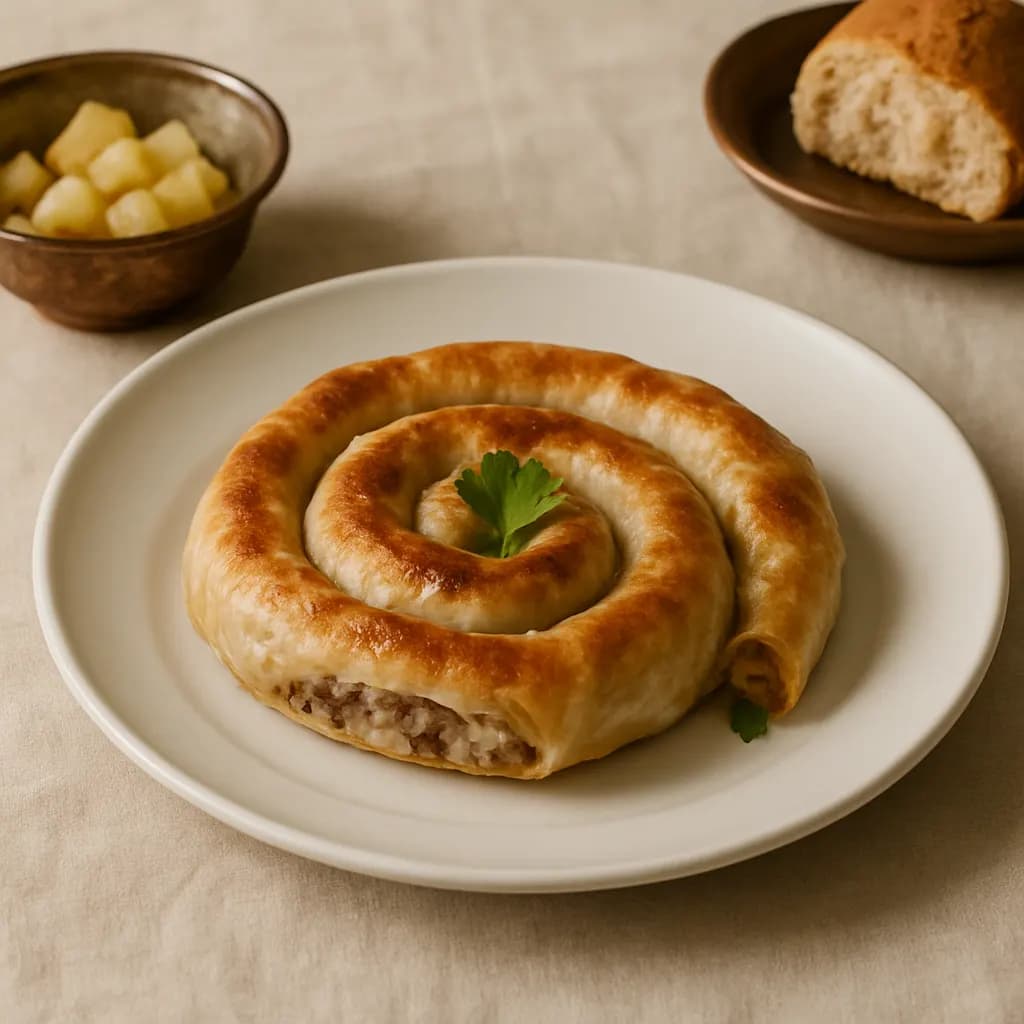
Bosnian Burek(Boşnak Böreği)
yöreselA pastry from Balkan immigrant cuisine that combines stretched dough with a filling of minced meat and potatoes; it is baked in a rotating tray.
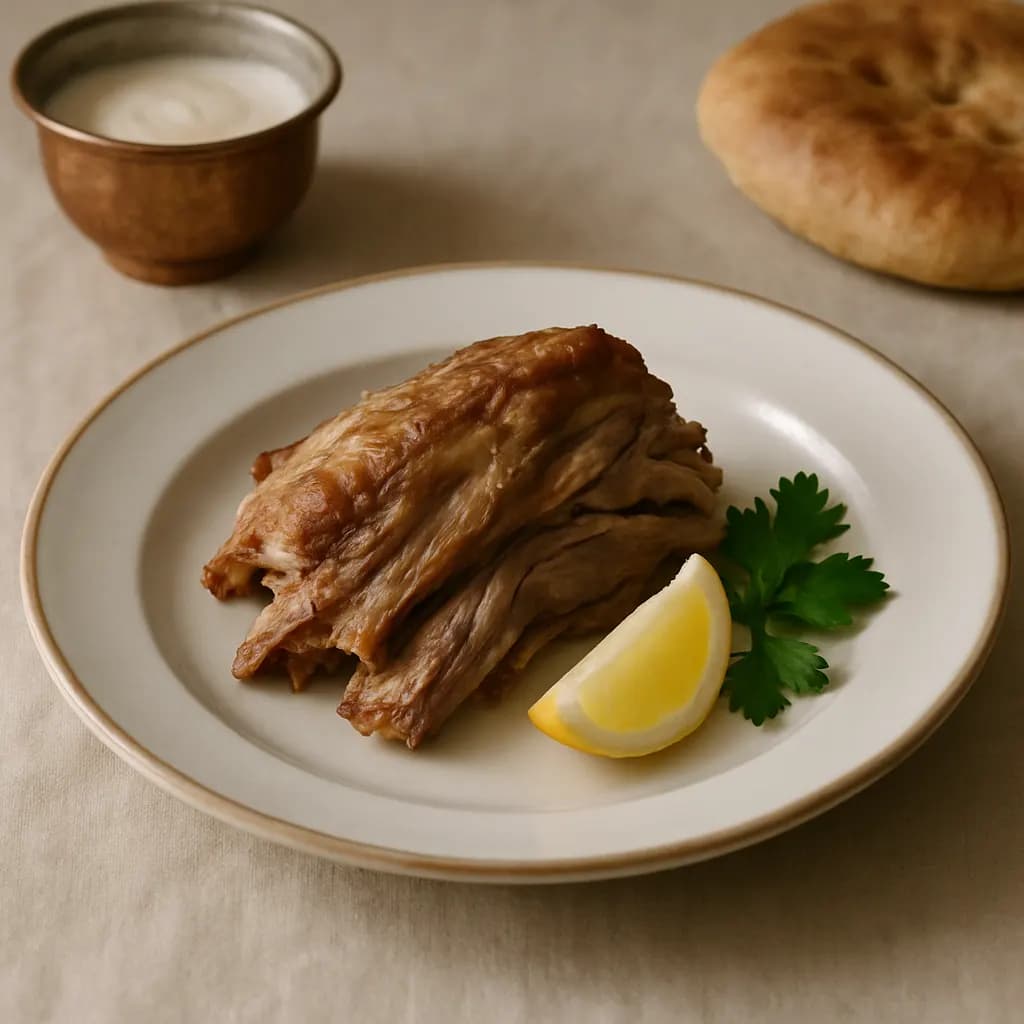
Biryani(Büryan)
yöreselA version of lamb cooked in a pit, associated with Siirt and Bitlis; it is a tradition that runs out by lunchtime, originating from a morning tradesmen custom.
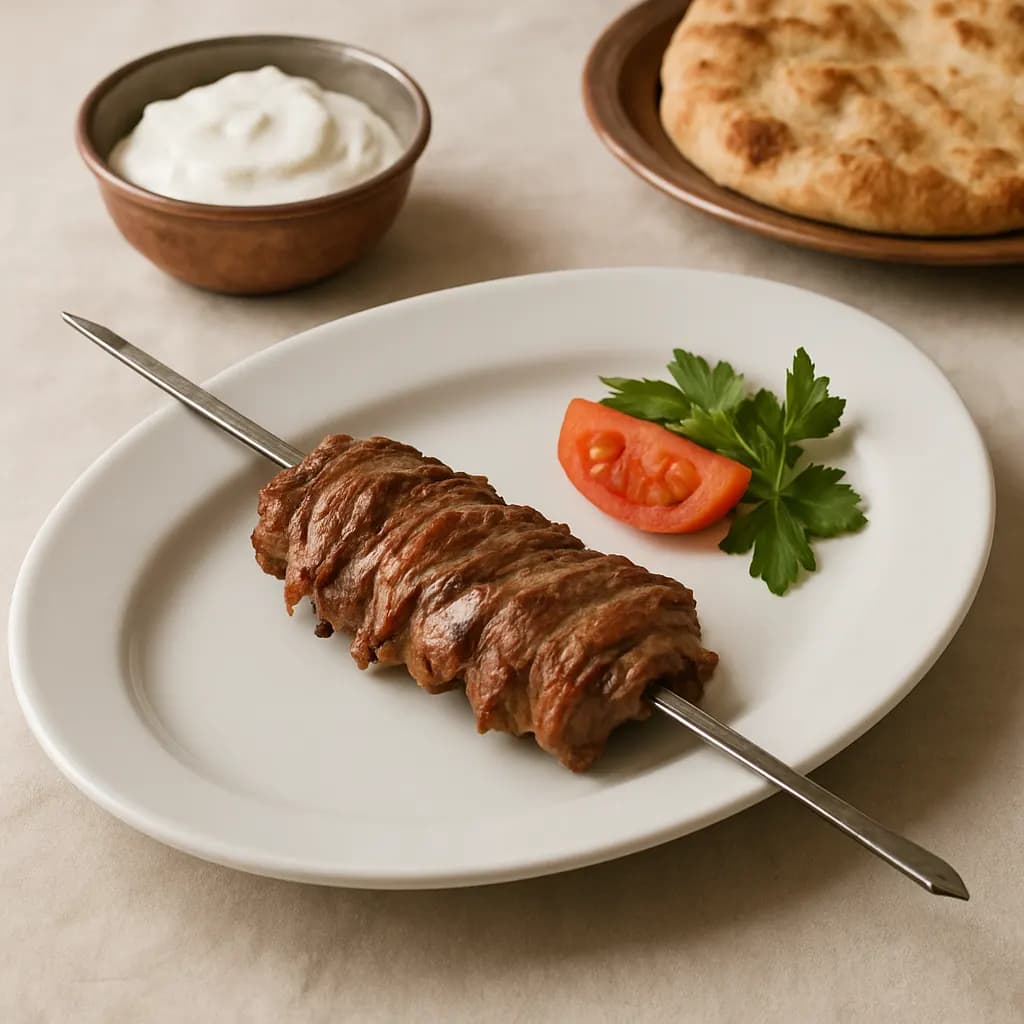
Cag Kebab(Cağ Kebabı)
yöreselA lamb kebab from the Erzurum region, cooked over wood fire on a horizontal skewer; slices are served cut with small skewers called 'cag'. It has a geographical indication.
Civil Cheese(Civil Peyniri)
yöreselAn Erzurum cheese made from skimmed milk and pulled open into fine strands; also known as cecil. It is eaten at the breakfast table and alongside dried curd. It carries a geographical indication.
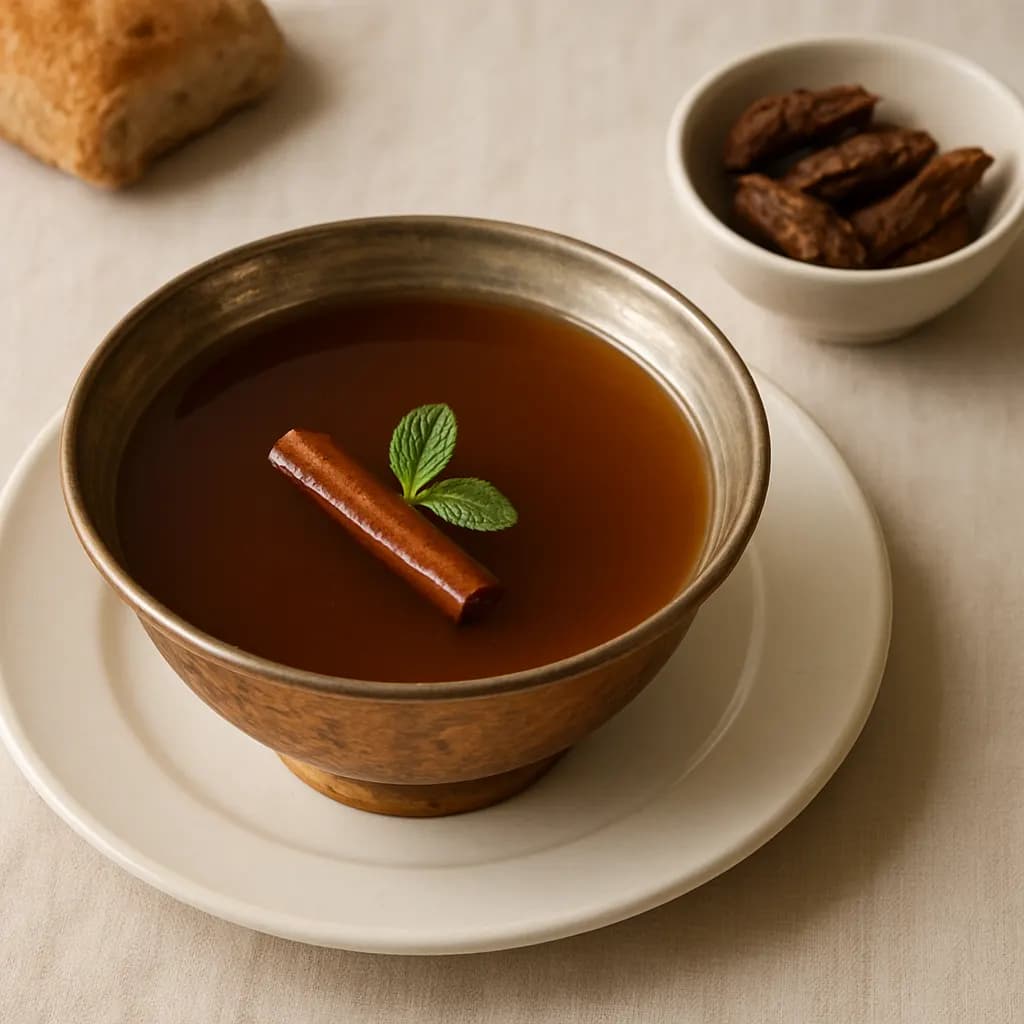
Tamarind Sherbet(Demirhindi Şerbeti)
klasikAn example of a sherbet where sour fruit is balanced with sugar and measured spices; not every spice mixture is a secret recipe of the palace.
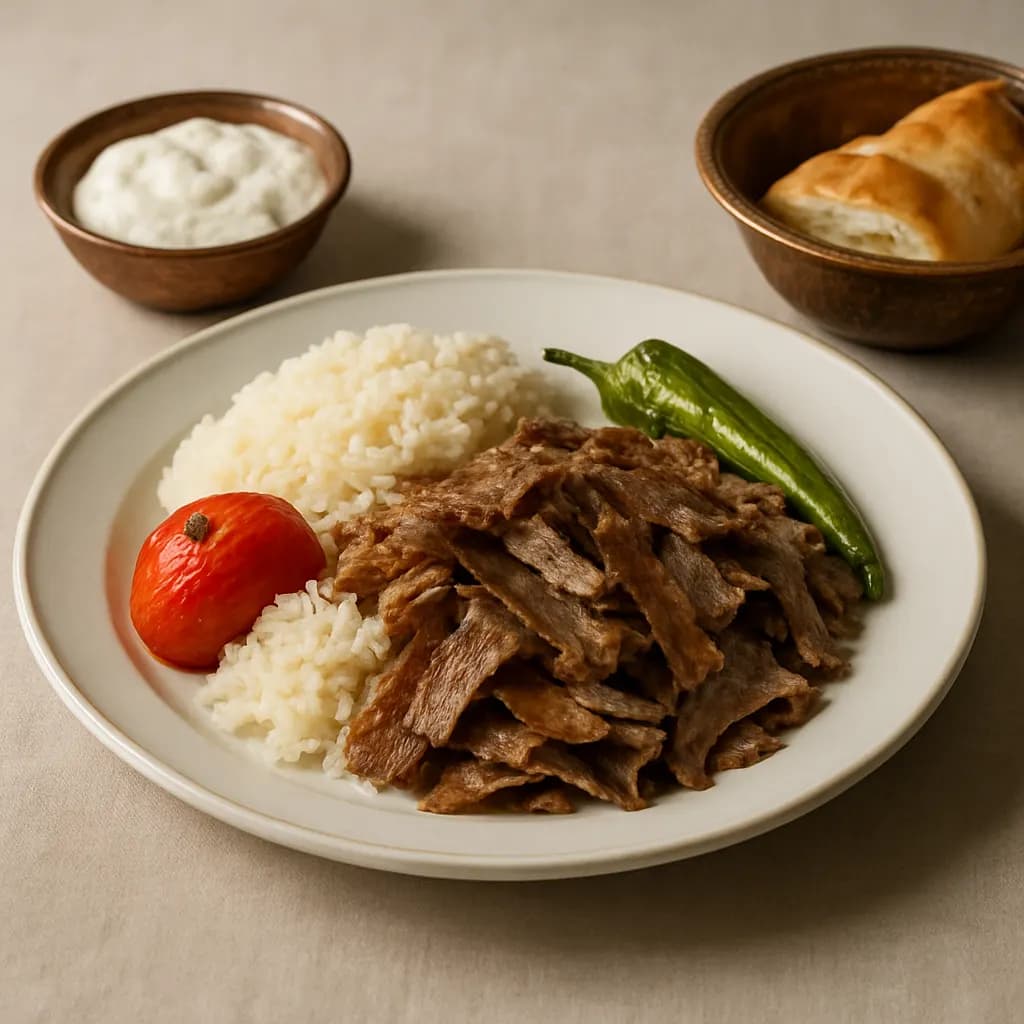
Döner
klasikA skillful preparation of meat cooked in layers on a vertical rotating skewer, sliced thinly from the outside; it is the basis for presentations like İskender and dürüm.
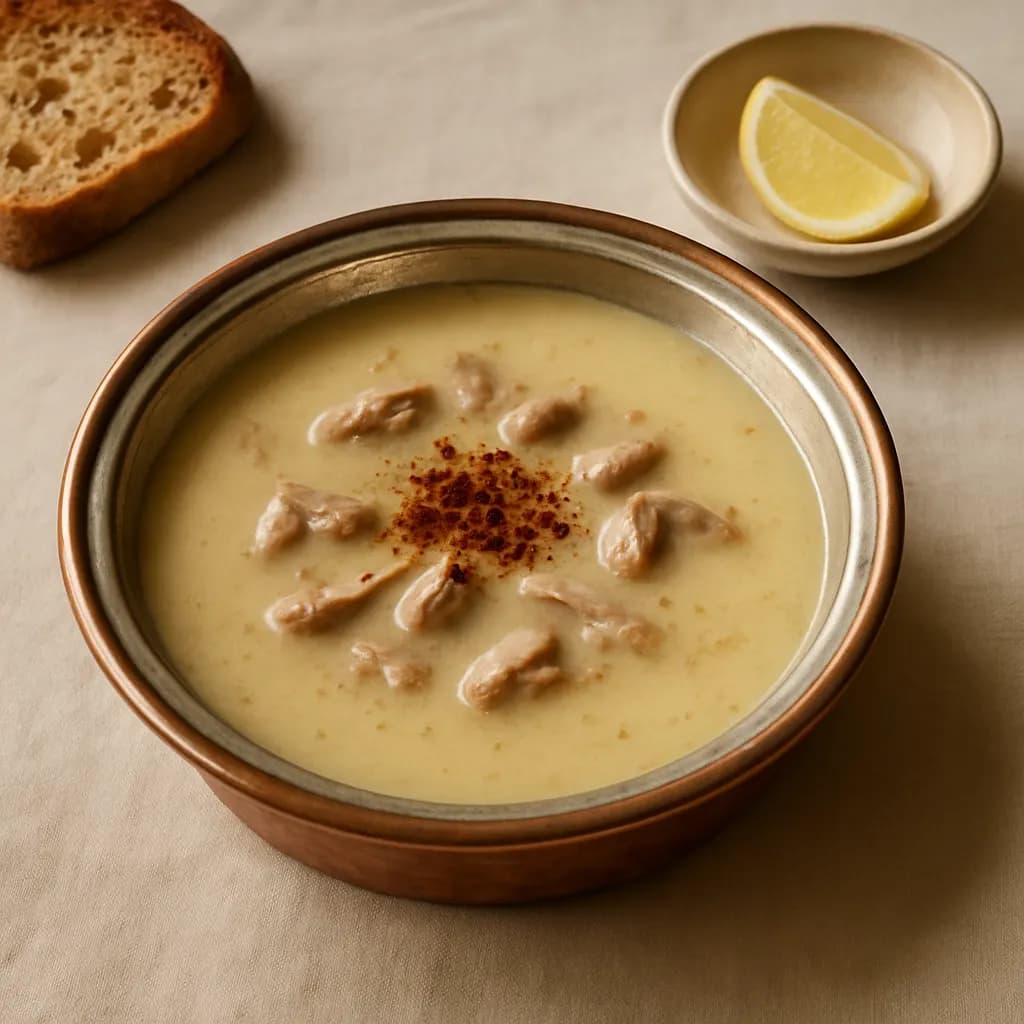
Wedding Soup(Düğün Çorbası)
klasikA ceremonial soup made with bone broth thickened with a lemony egg mixture; its name may refer to different ingredients depending on the region.
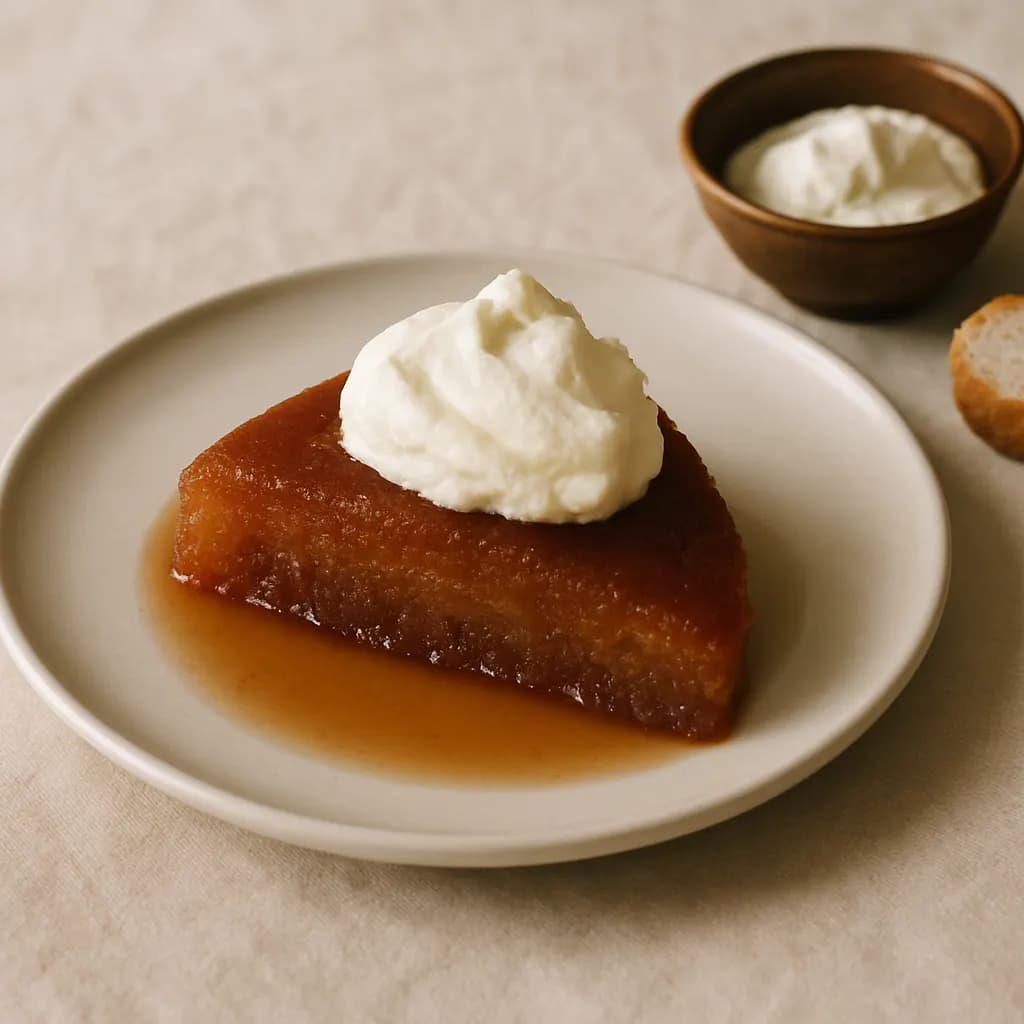
Ekmek Kadayıfı
klasikA dessert made from a special porous bread base soaked in syrup and served with clotted cream; it is associated with Afyon clotted cream.
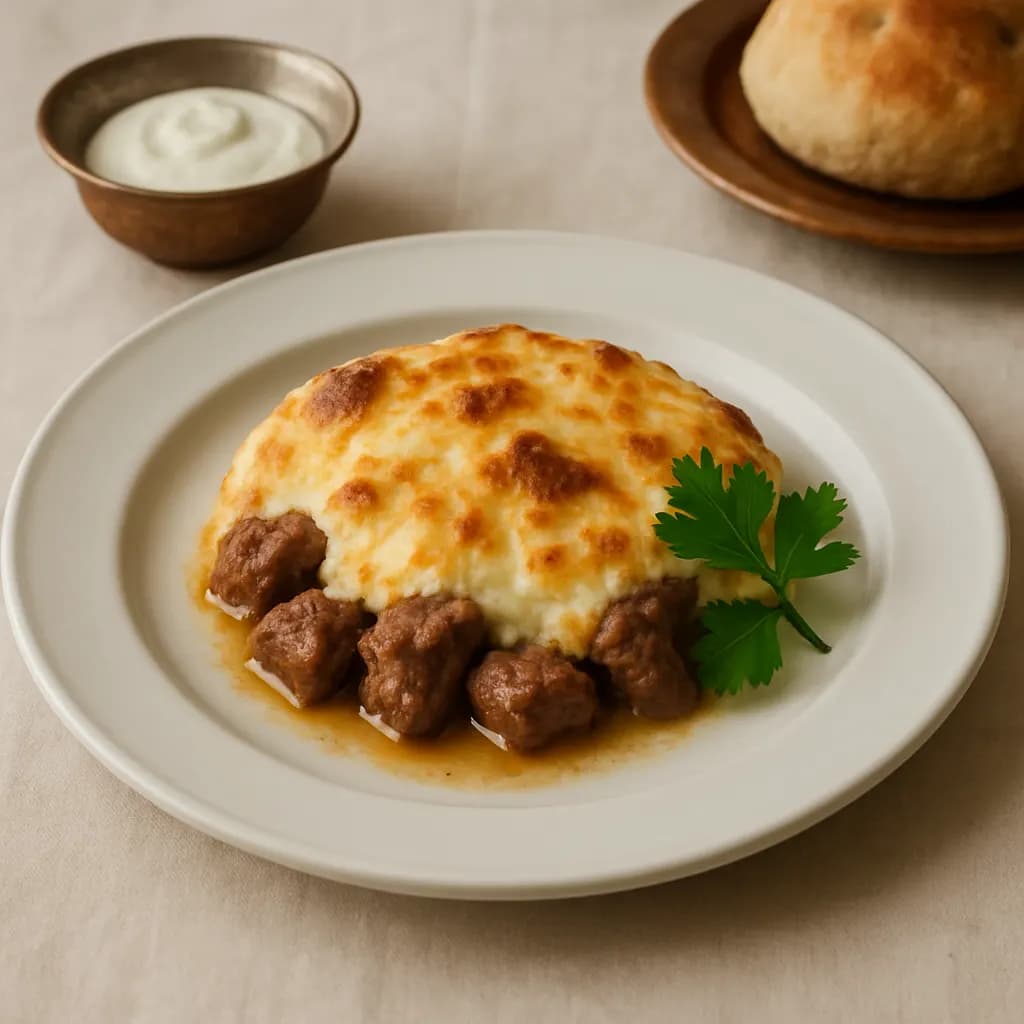
Elbasan Tava
yöreselA classic Istanbul dish of Balkan origin, where meat is baked with a mixture of yogurt and eggs on top.
Erzincan Tulum Cheese(Erzincan Tulum Peyniri)
yöreselA hard, sharp cheese made from the highland milk of the Savak herders and ripened in a skin. As it matures it crumbles and its scent deepens. It carries a geographical indication.
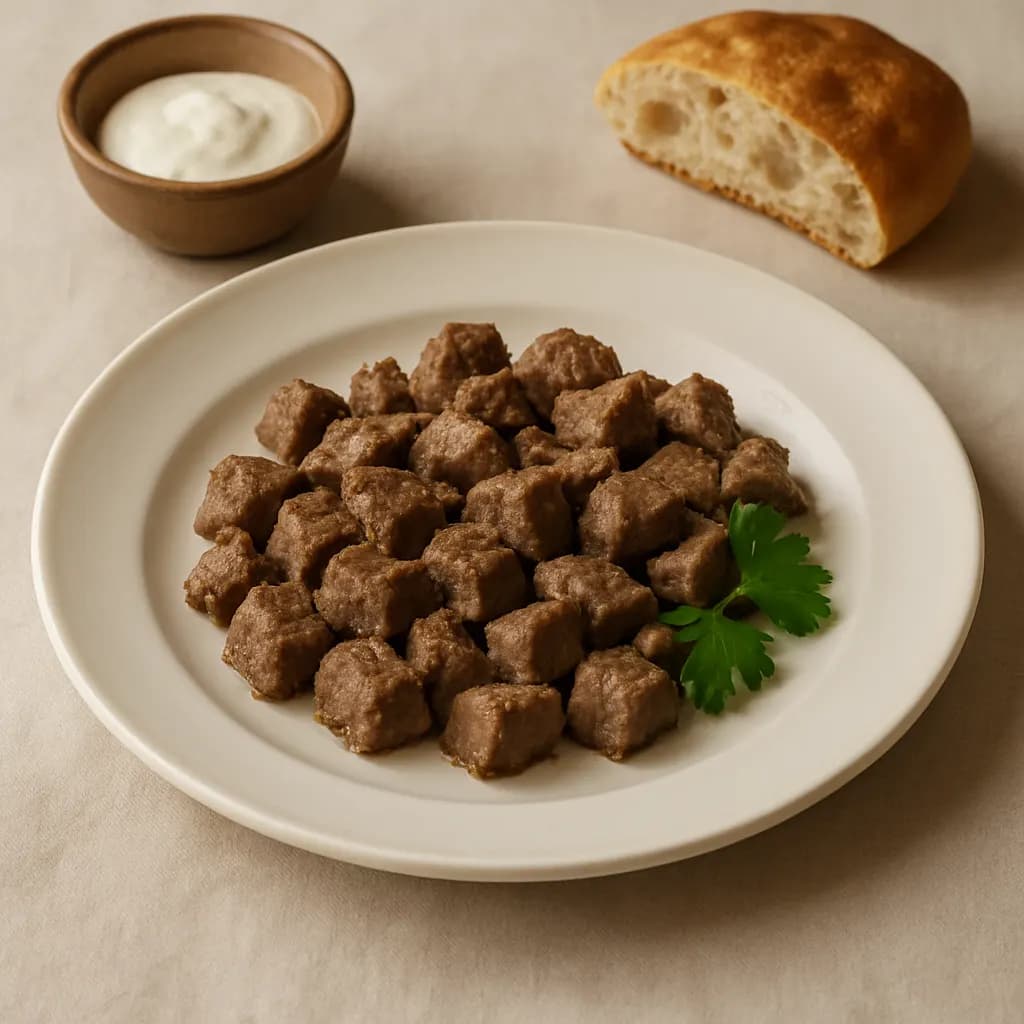
Et Kavurma
klasikCooking meat in its own fat; fresh sautéed meat for immediate consumption is treated separately from production for preservation.
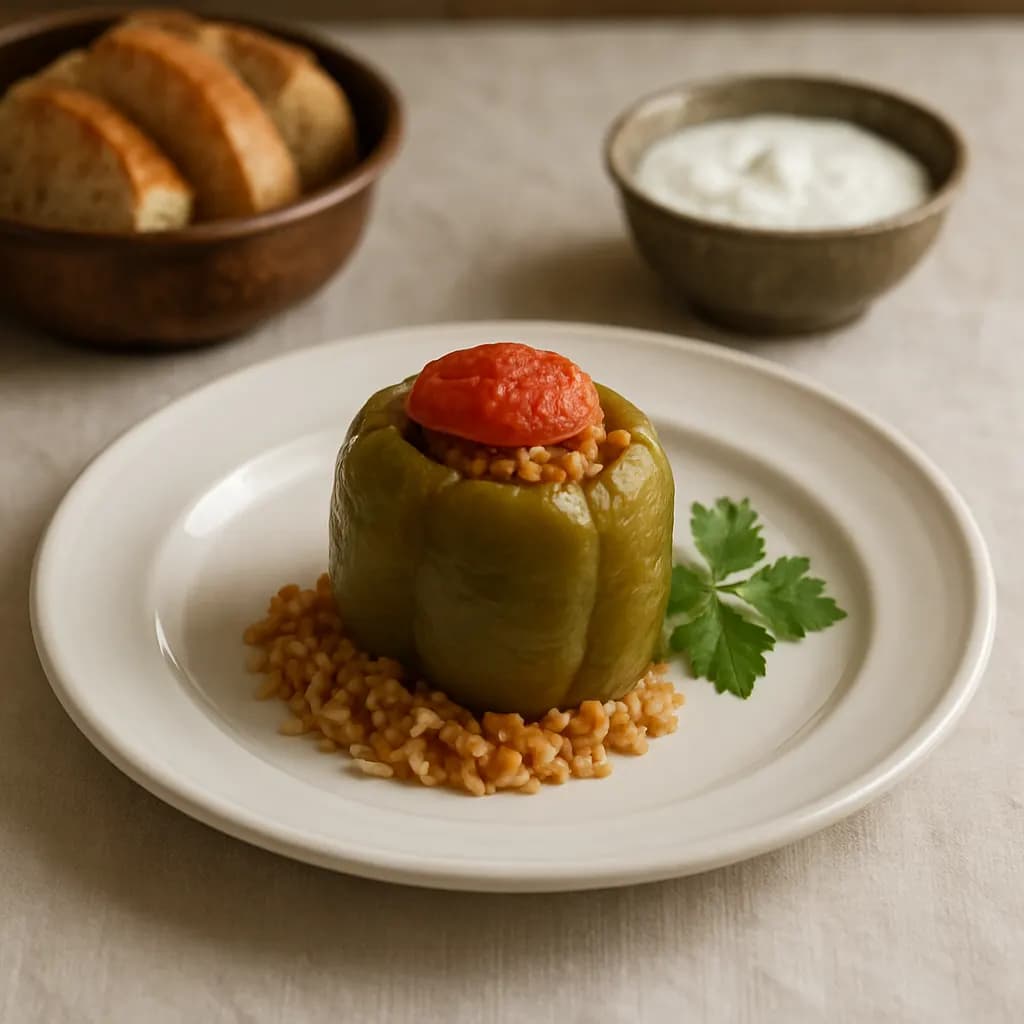
Stuffed Peppers(Etli Biber Dolması)
klasikThe aroma of the peppers permeates while cooking; the vegetable is not just a vessel, but a part of the flavor.
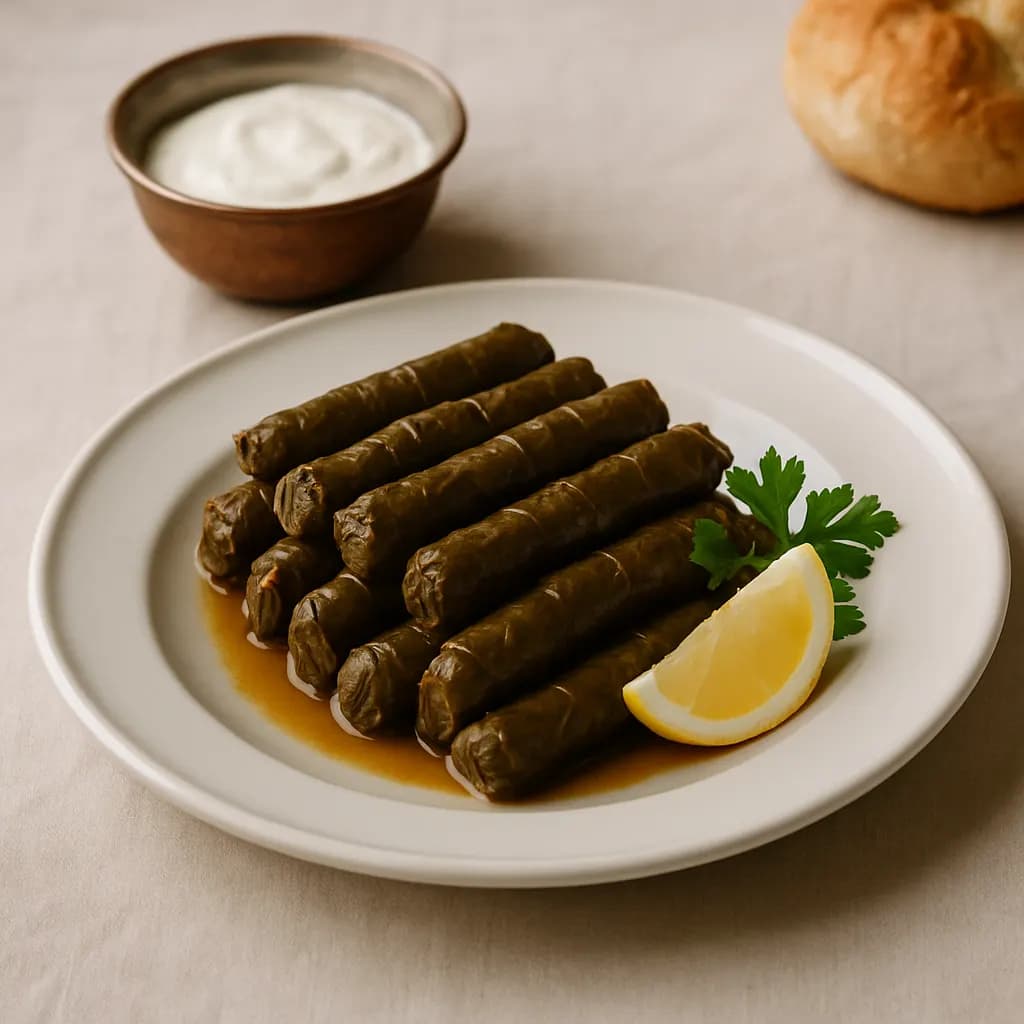
Stuffed Grape Leaves with Meat(Etli Yaprak Sarma)
klasikIt establishes a table arrangement centered around meat broth and yogurt, warmer than olive oil-based stuffed leaves; the raw filling cooks together.
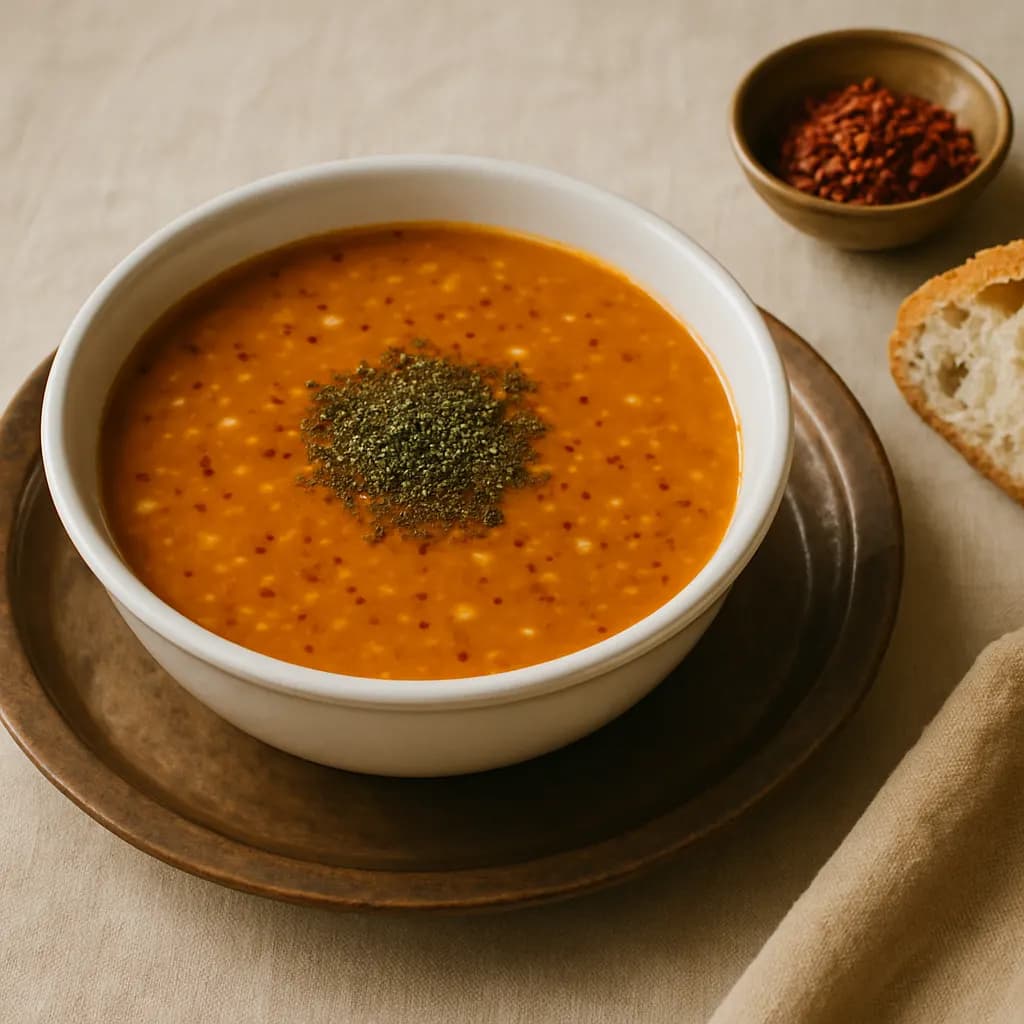
Ezogelin Soup(Ezogelin Çorbası)
yöreselA soup made with lentils, bulgur, and rice, combined with mint and butter infused with red pepper. It carries a strong folk tale connecting its name to the story of Ezo Gelin from the Gaziantep region.
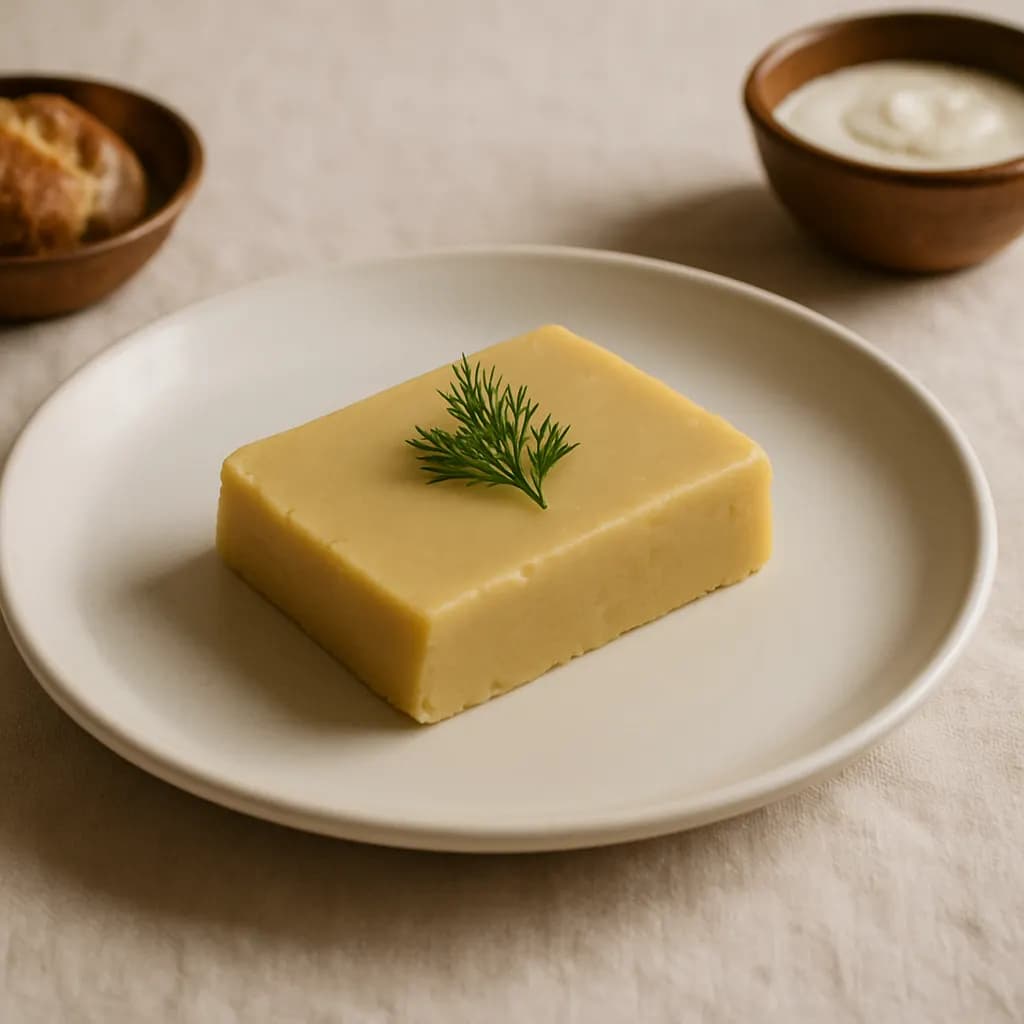
Fava
klasikA cold mezze made from cooked and mashed dried fava beans, served with dill.
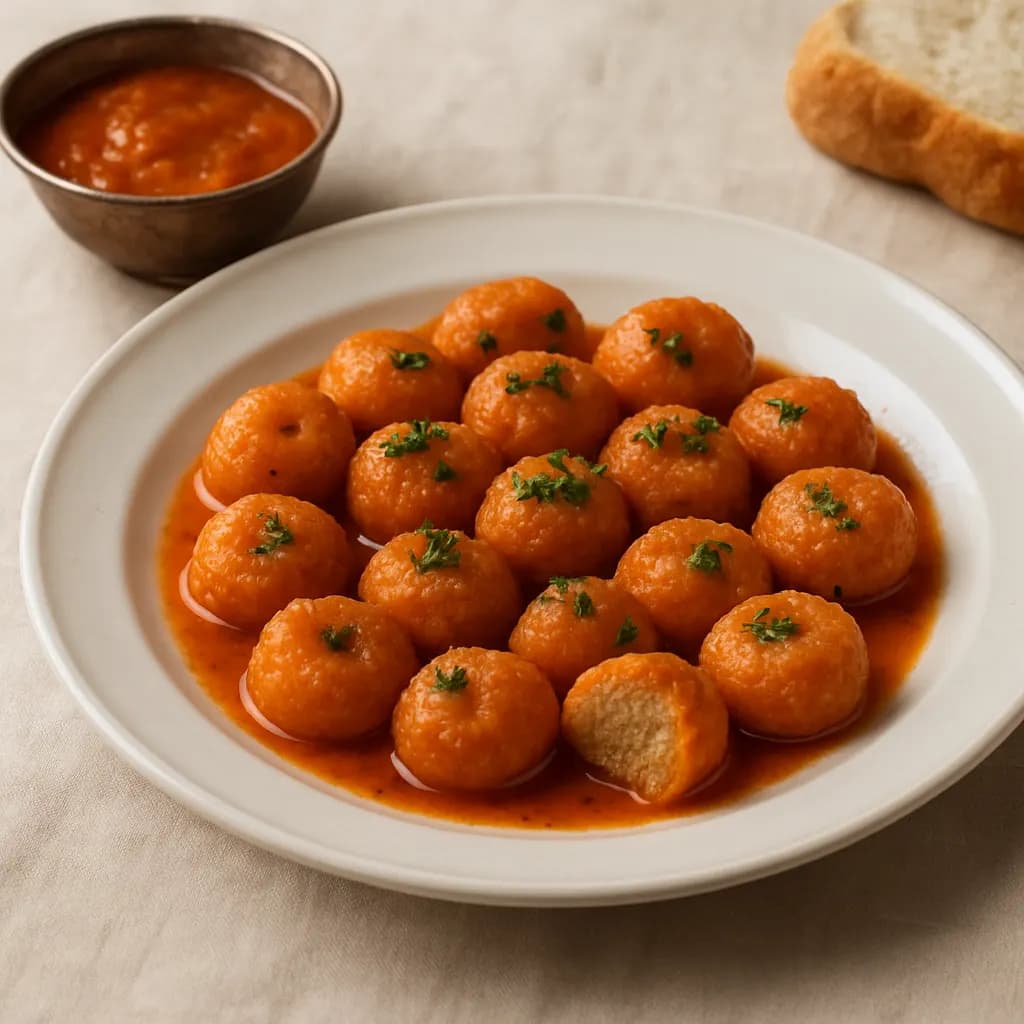
Fellah Kofte(Fellah Köftesi)
yöreselA Mediterranean dish made of bulgur meatballs complemented with a garlic and tangy tomato sauce, without meat.
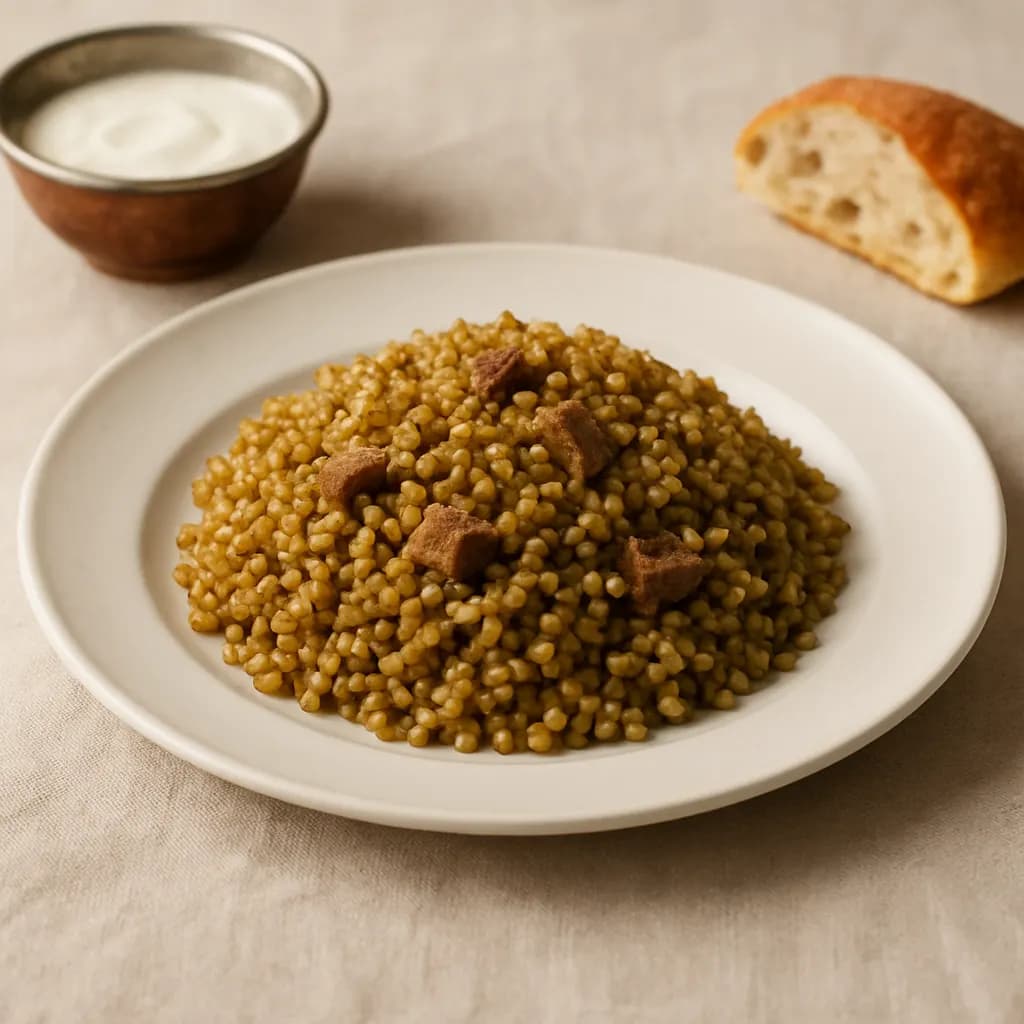
Firik Pilaf(Firik Pilavı)
yöreselA Southeast Anatolian pilaf where the smoky aroma of firik distinguishes it from regular bulgur; firik pilafs are recorded in the inventory of Gaziantep.
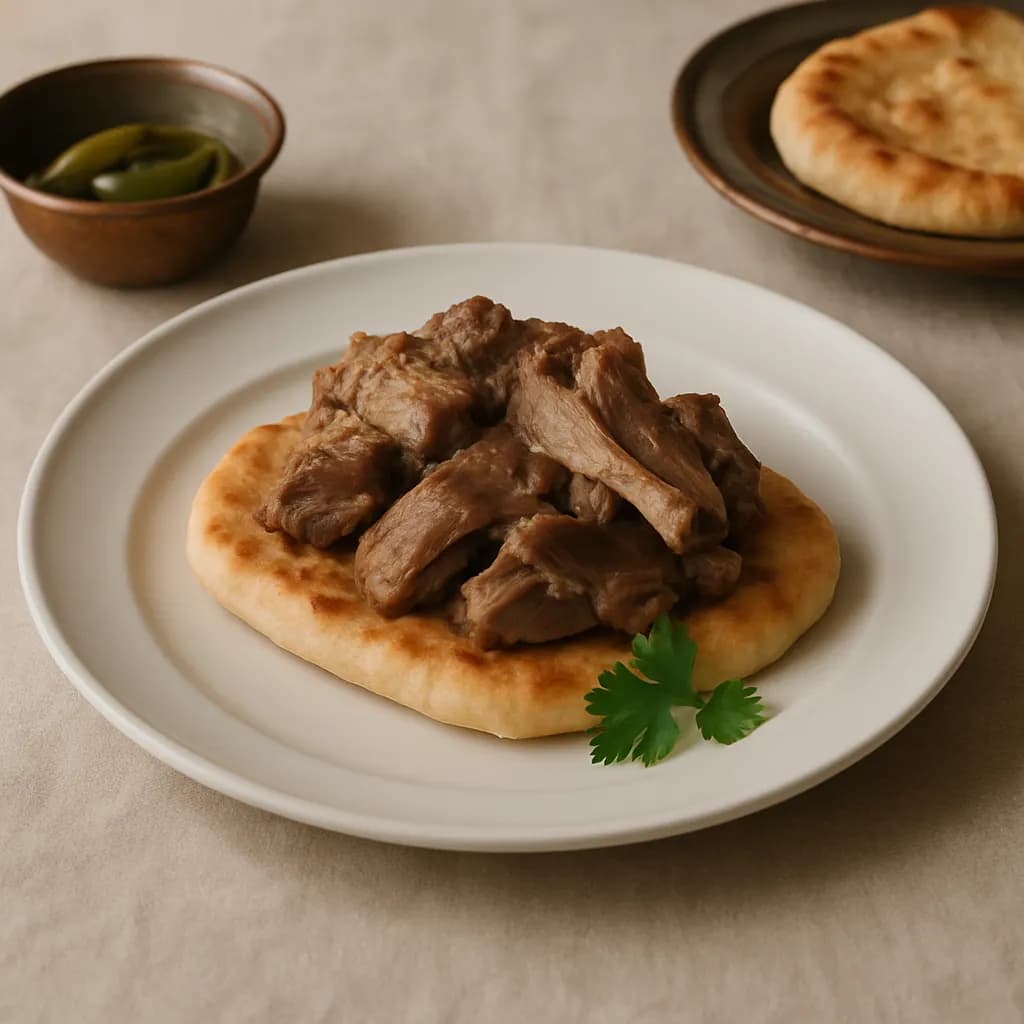
Oven Kebab(Fırın Kebabı)
yöreselA kebab that is synonymous with Konya, made from lamb meat cooked slowly in a stone oven in its own fat; served on bread.
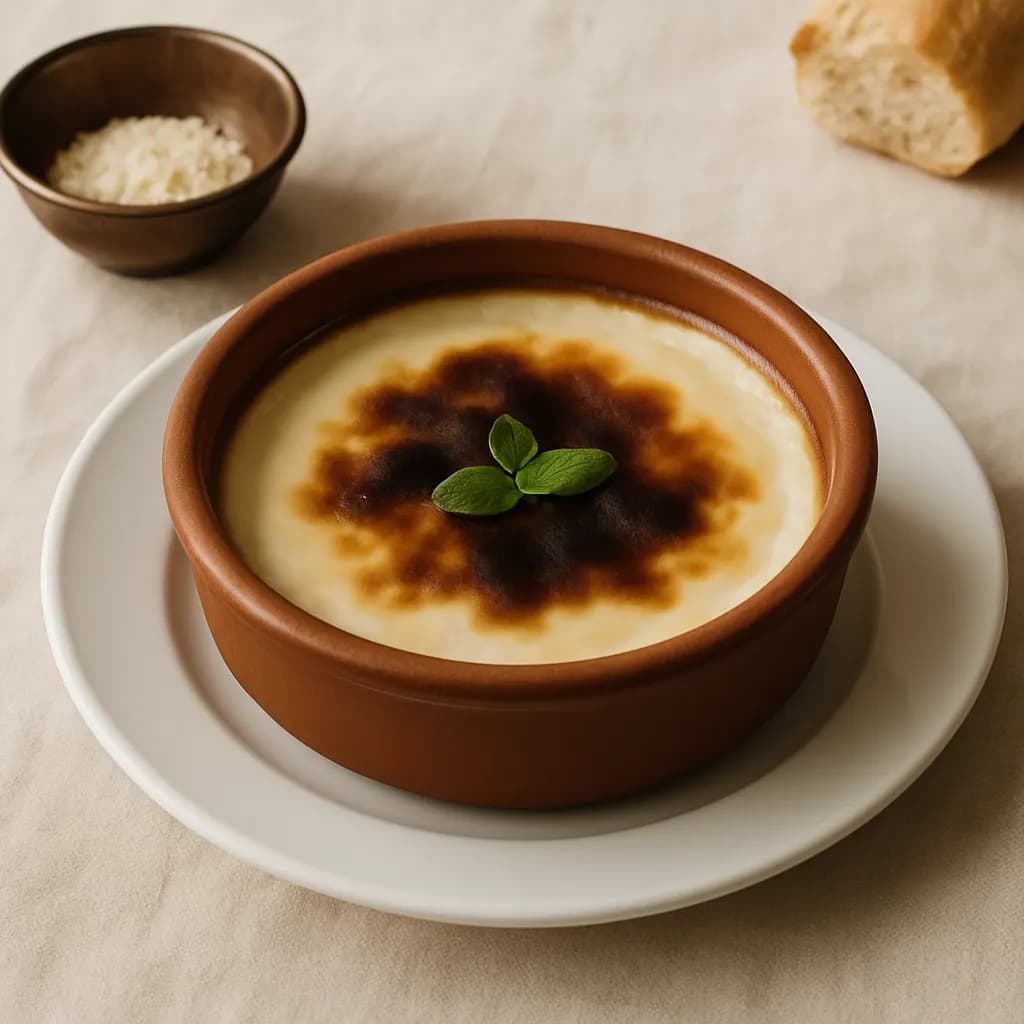
Baked Rice Pudding(Fırın Sütlaç)
klasikA classic milk dessert made by cooking rice and milk over low heat and then baking in a casserole until the top is browned.
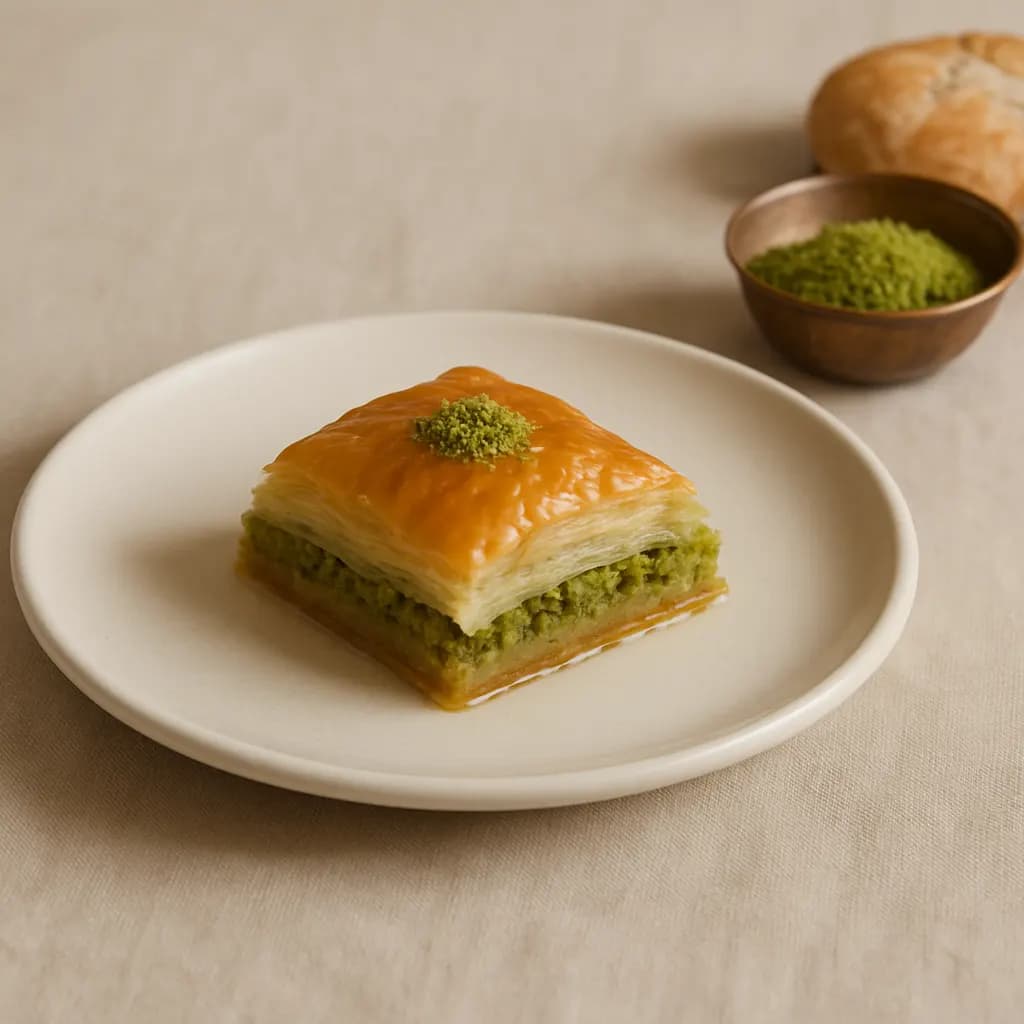
Gaziantep Baklava(Gaziantep Baklavası)
klasikA sweet architecture made with nearly forty layers of thin pastry, pistachios, and clarified butter. Gaziantep Baklava was the first Turkish product to receive EU geographical indication registration (2013).
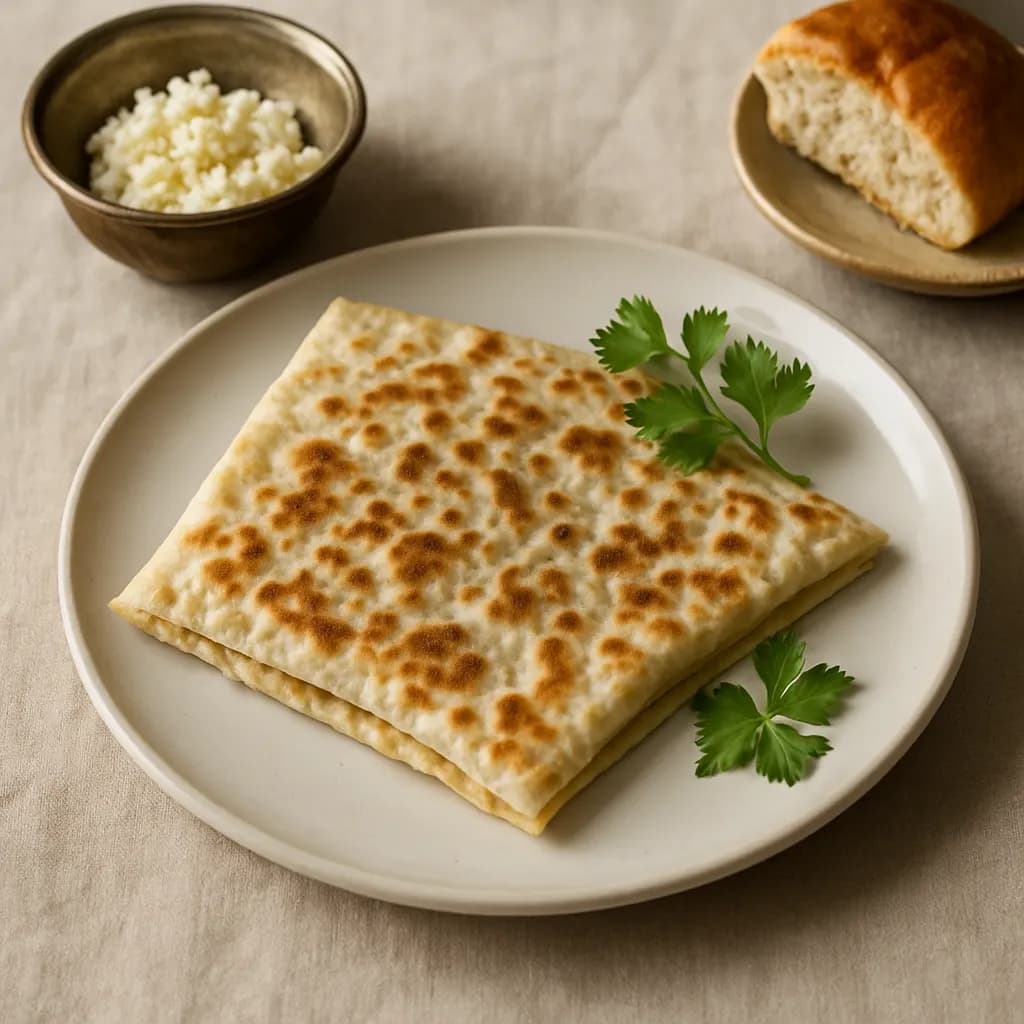
Gözleme
klasikA village and market tradition where thin dough cooked on a griddle is filled with cheese, potatoes, or spinach.
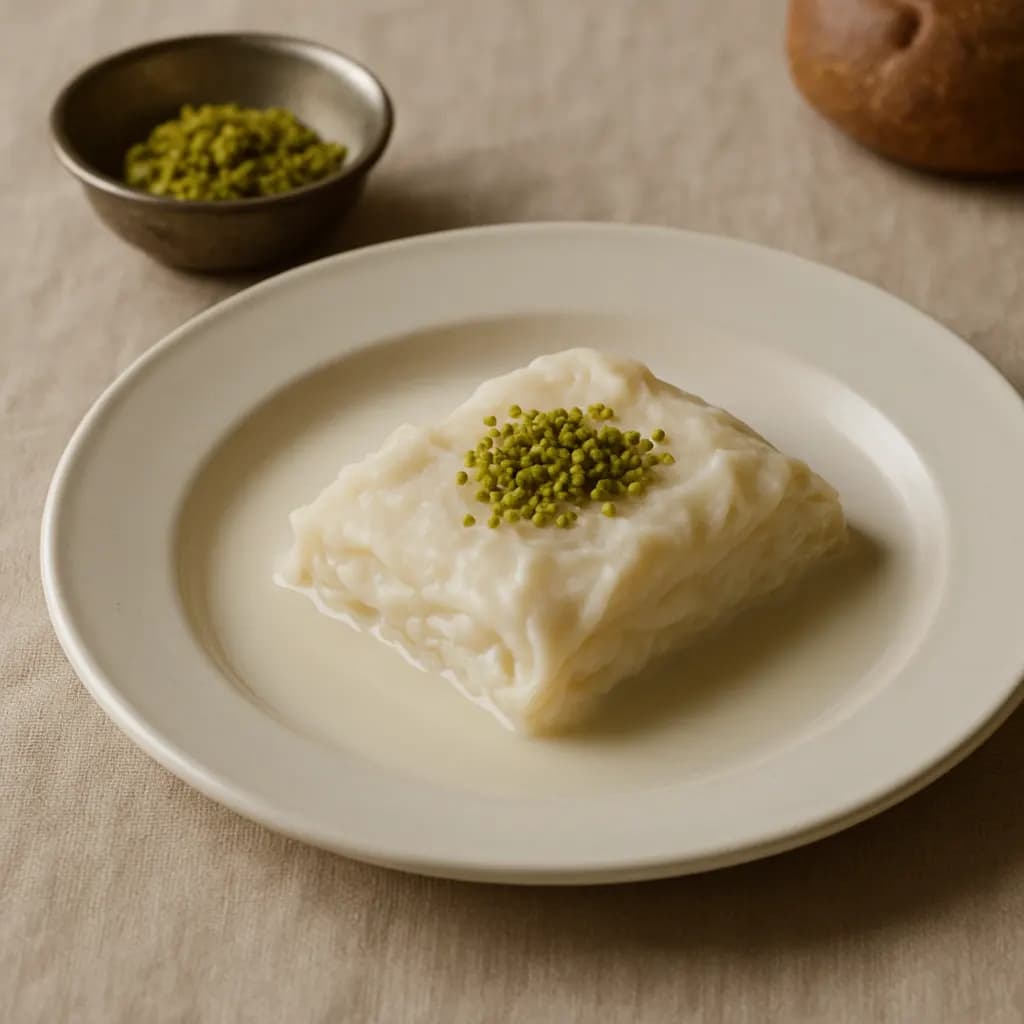
Güllaç
klasikA dessert made of thin starch leaves softened in warm milk, particularly associated with Ramadan tables; it is also noted in the Niğde cuisine as a rolled version.
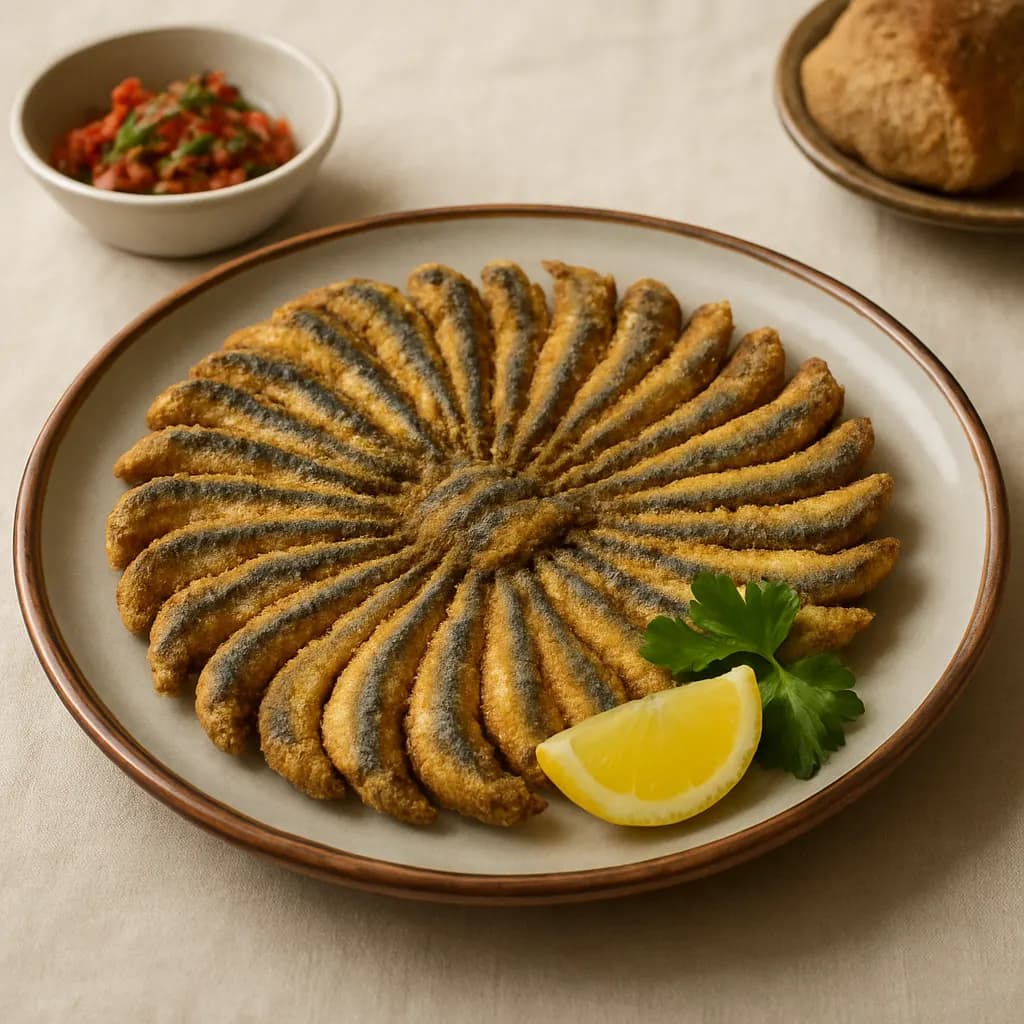
Fried Anchovies(Hamsi Tava)
yöreselFried anchovies, a symbol of winter in the Black Sea region, are coated in cornmeal and fried in a pan, arranged in a circular pattern. When in season, they are the main attraction on local tables.
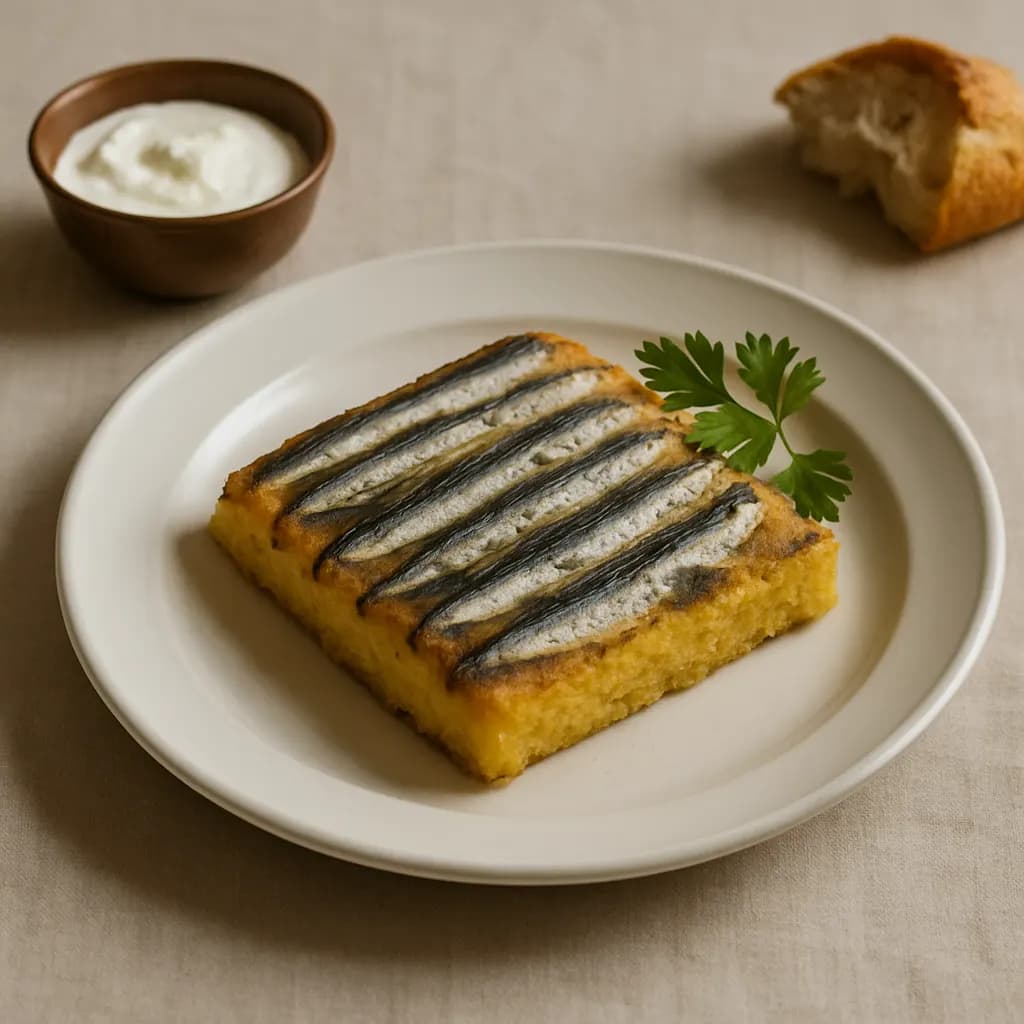
Hamsikoli(Hamsiköy Usulü Hamsikoli)
yöreselA Black Sea baked dish that combines anchovies, greens, and cornmeal; a local form where fish meets bread.
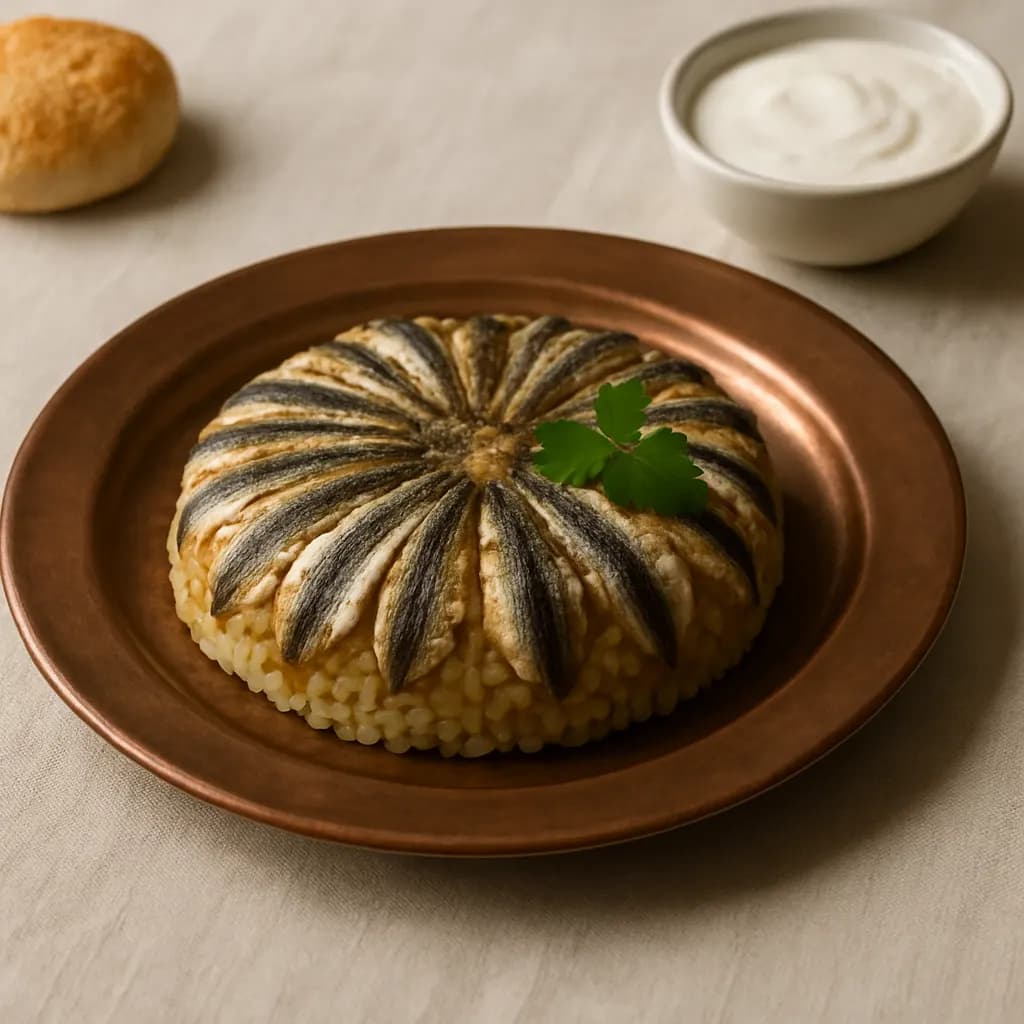
Hamsili Pilaf(Hamsili Pilav)
yöreselA baked rice dish from the Black Sea region where anchovies form an edible crust around the rice; this structure is documented in Rize.
Harput Kofte(Harput Köftesi)
yöreselThe soured kofte of the Elazig-Harput tradition: small balls kneaded from fine bulgur and minced meat are boiled in broth and soured with pomegranate molasses or tomato paste. It is a dish of wedding and holiday tables.
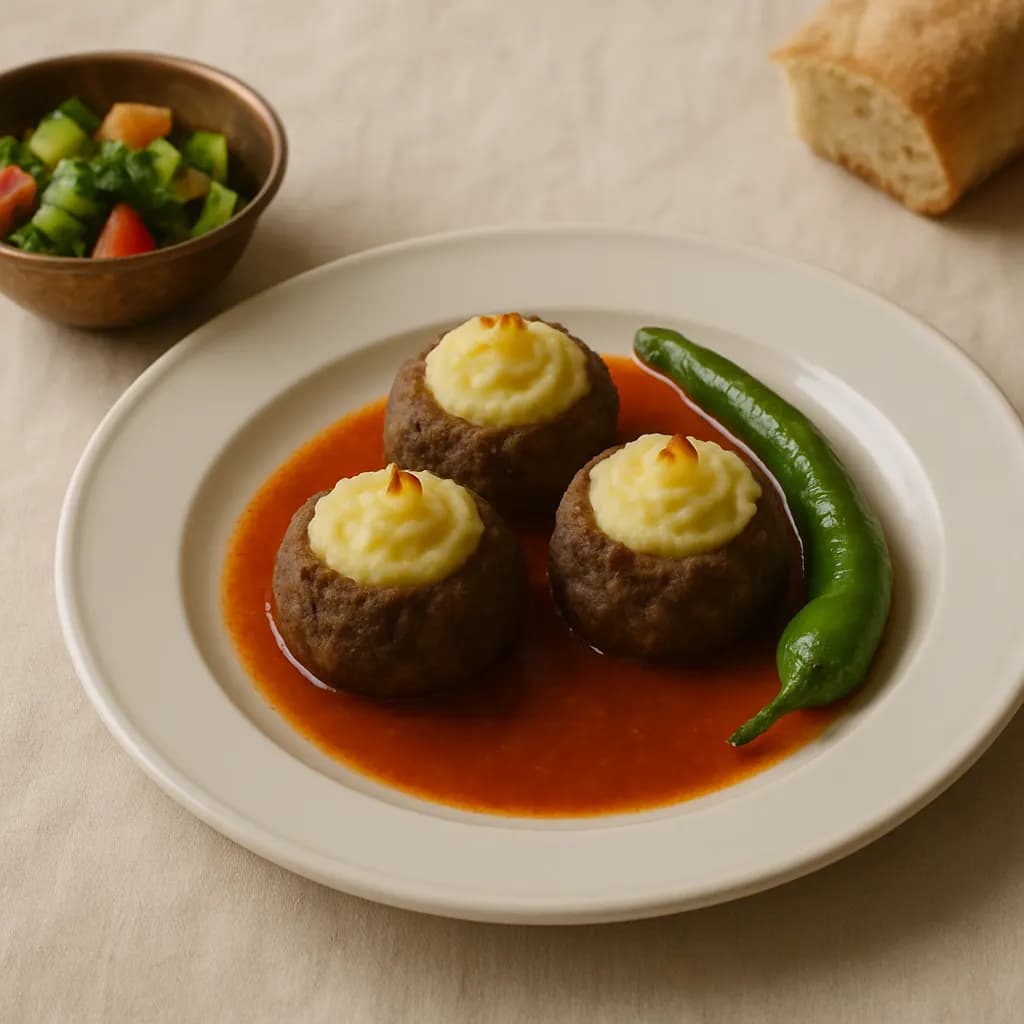
Hasanpaşa Meatballs(Hasanpaşa Köftesi)
klasikA baked meatball filled with mashed potatoes; it is one of the classic showpieces of the home table.
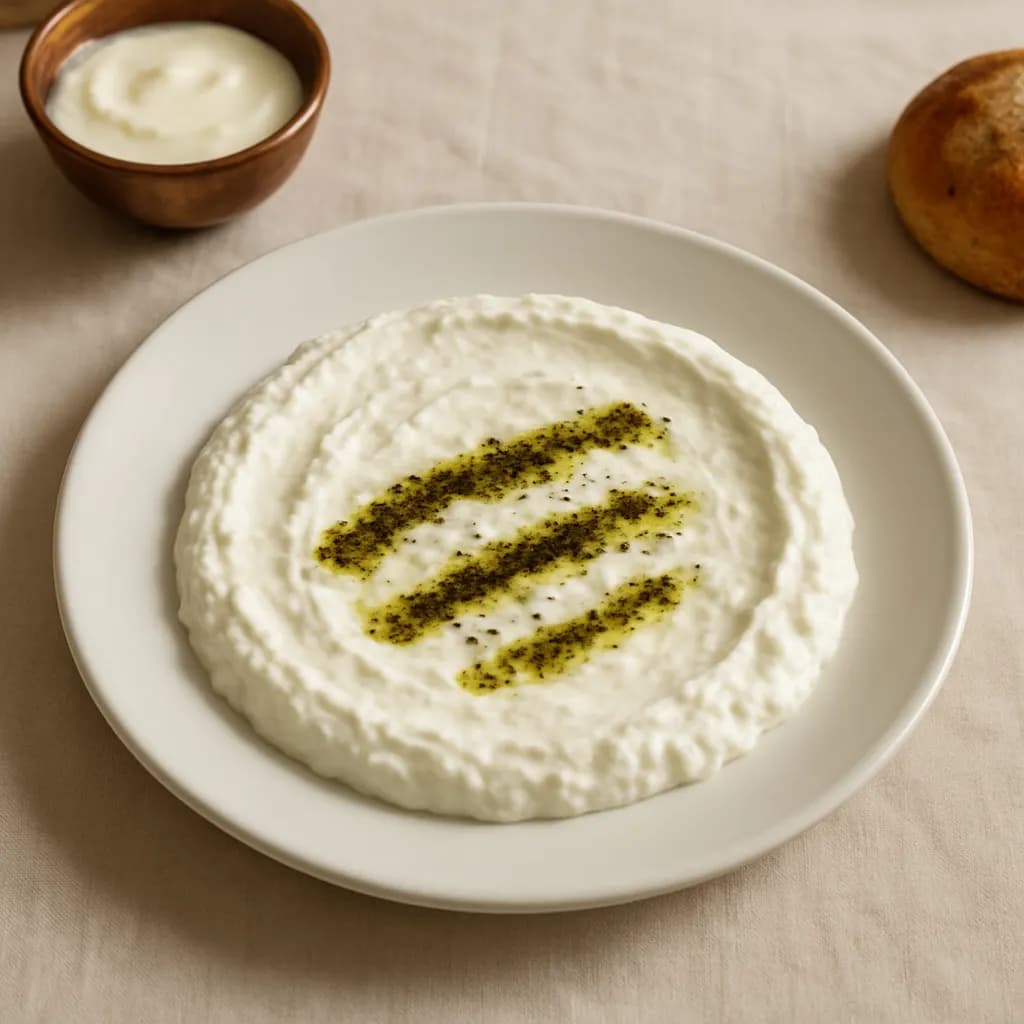
Haydari
klasikA thick meze made from strained yogurt, cheese, and heated oil with mint; it retains its shape on the plate.
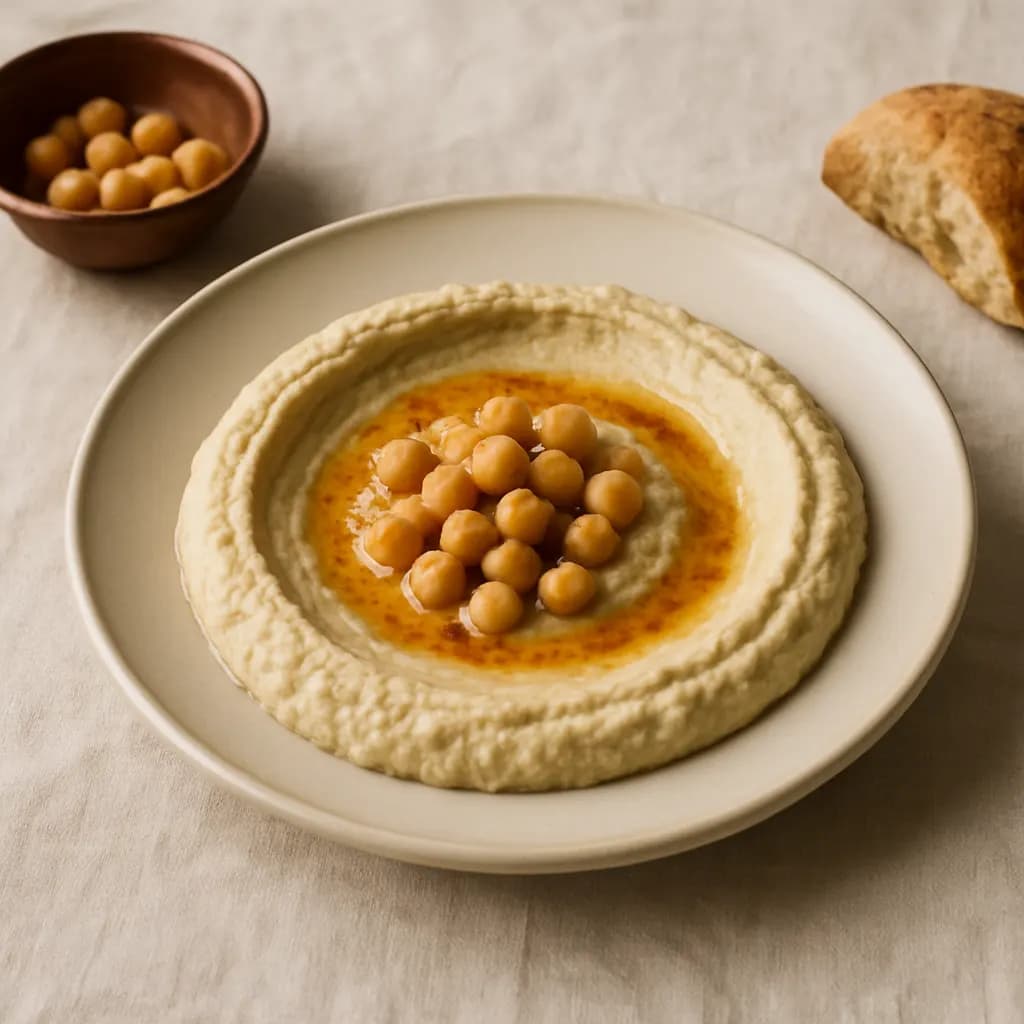
Hummus(Humus)
klasikA common family of chickpeas, tahini, and lemon that transcends regional boundaries; in southern Turkey, it is also served warm and with butter.
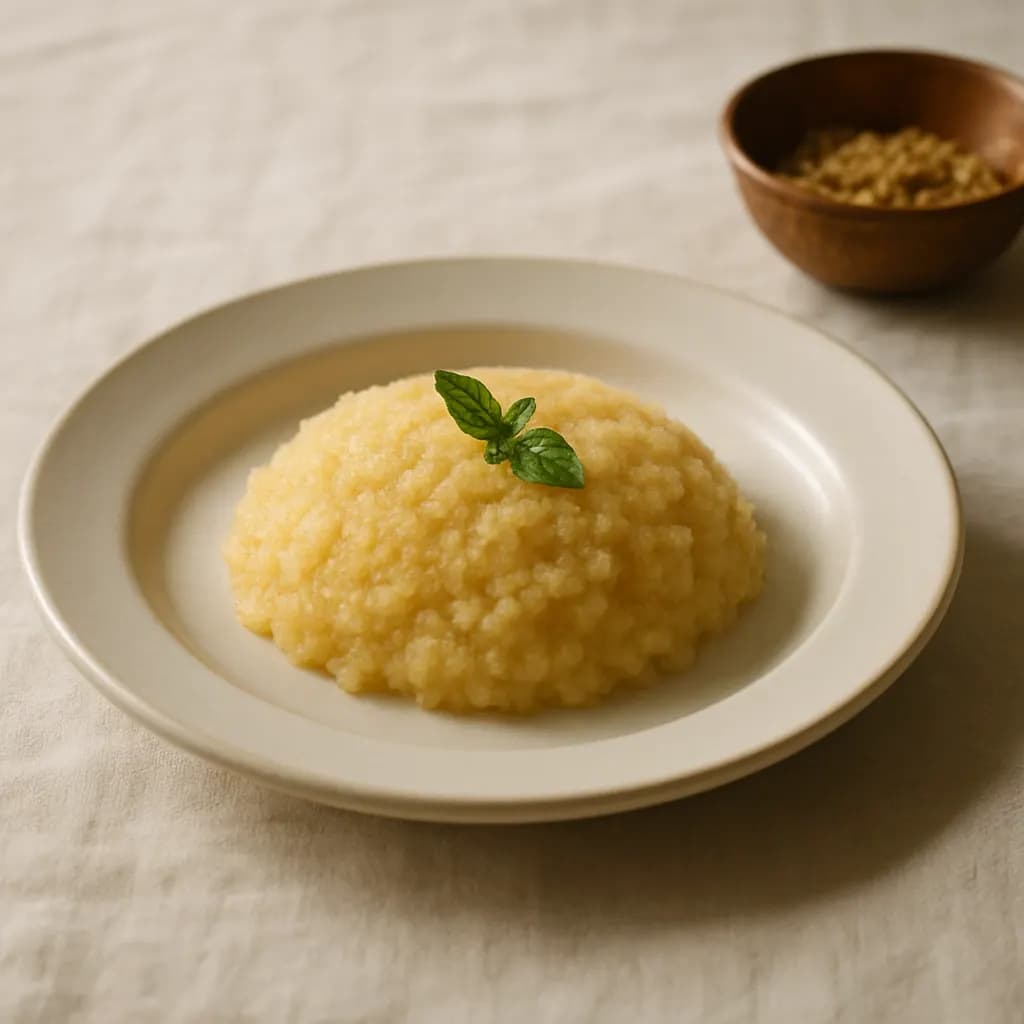
Höşmerim
yöreselA sweet made from unsalted fresh cheese cooked with semolina and sugar; the same name is given to different sweets in various regions, with the Balıkesir family being one of them.
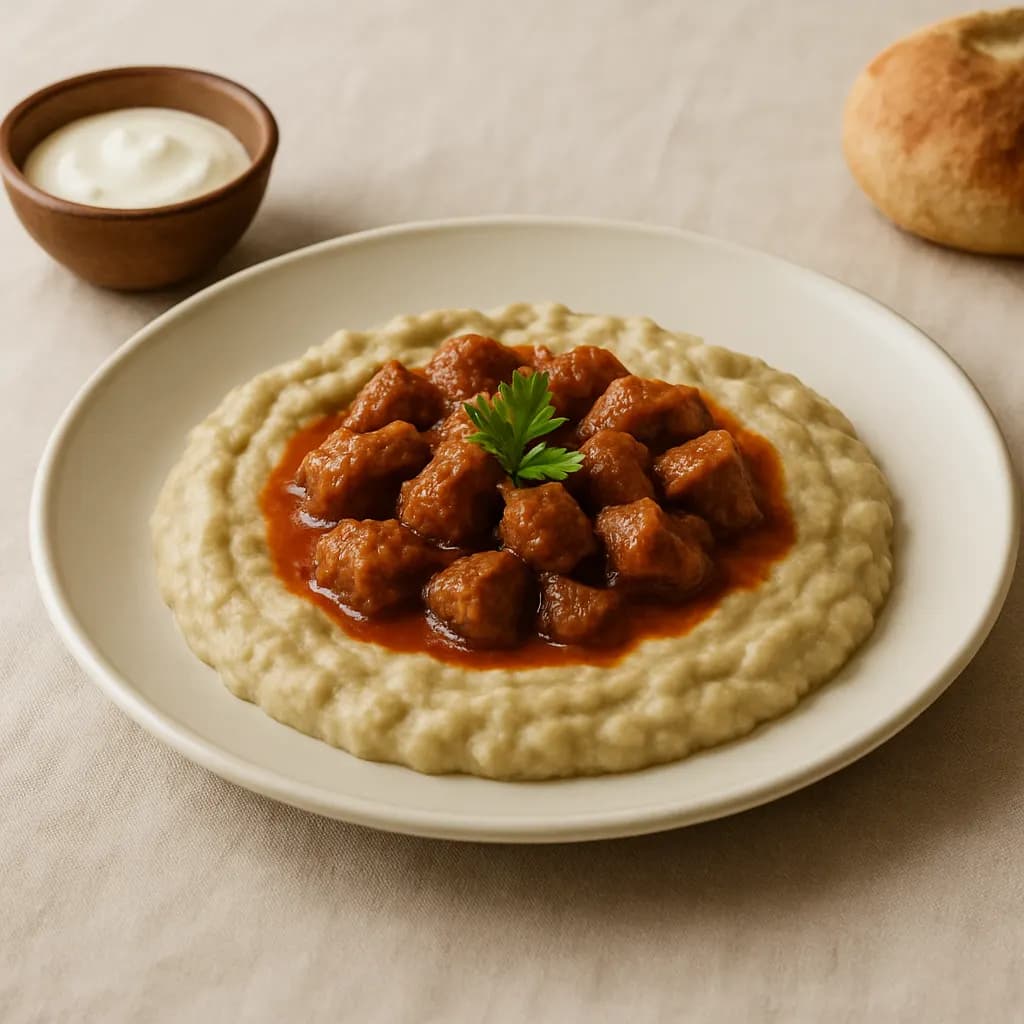
Hünkar Beğendi(Hünkâr Beğendi)
klasikA classic associated with Ottoman palace cuisine, it consists of a puree made from roasted eggplant, butter, flour, and cheese, topped with lamb stew.
Hingel(Hıngel)
yöreselThe large manti of Eastern Anatolia: dough parcels filled with minced meat are boiled and served under garlic yoghurt and browned butter. Smallness is not the measure here; the parcel is large and the dough left thick.
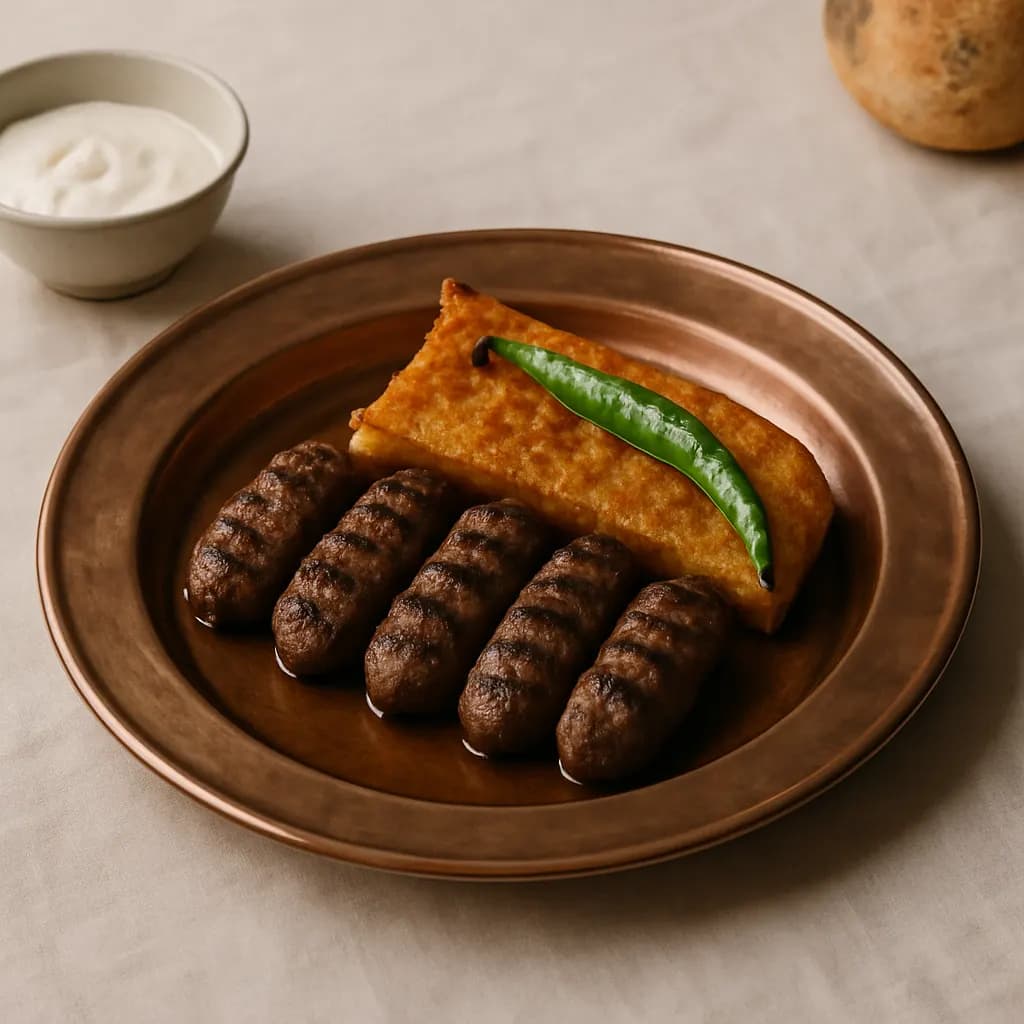
Islama Kofte(Islama Köfte)
yöreselA tradition from Sakarya-Adapazarı: meatballs served with bread soaked in meat broth and fried with peppers.
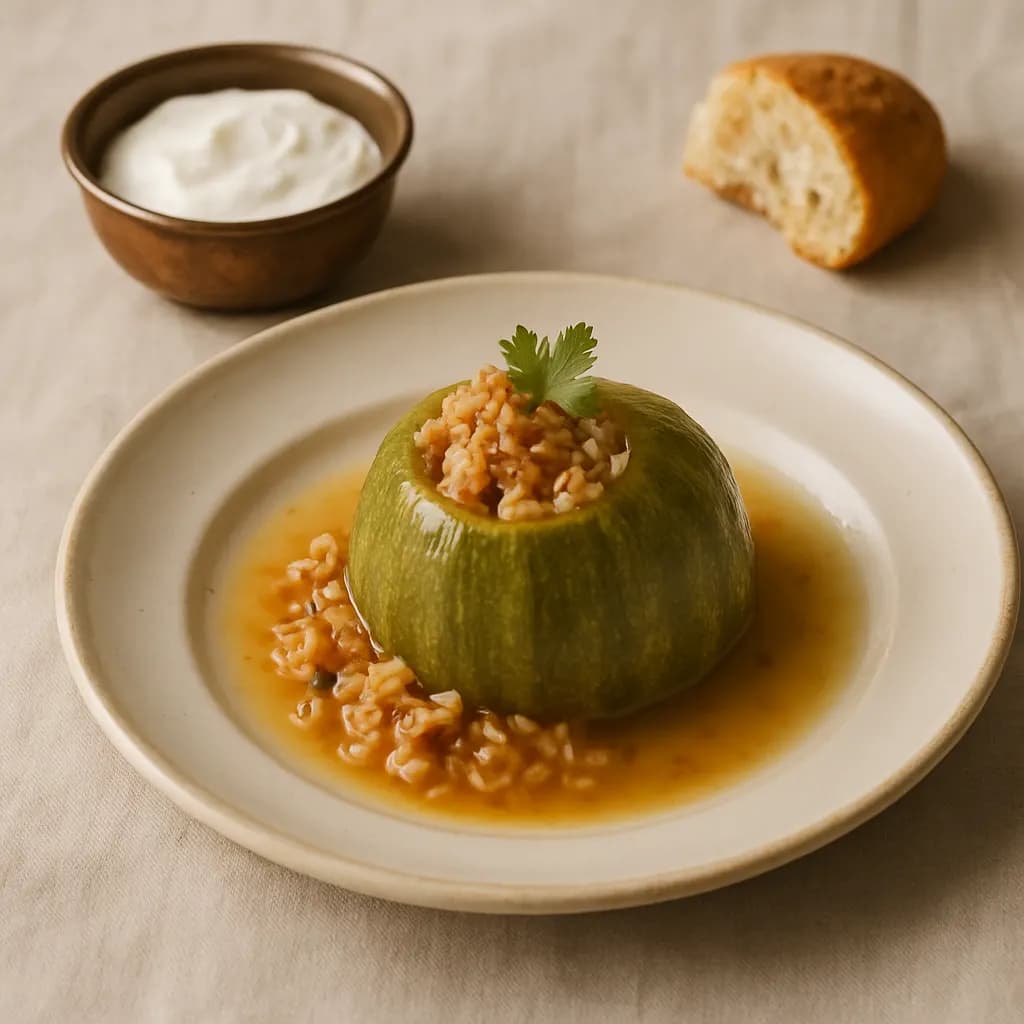
Stuffed Zucchini(Kabak Dolması)
klasikHollowed zucchini filled with rice or bulgur and cooked in a little water; a delicate member of the stuffed dish table in summer.
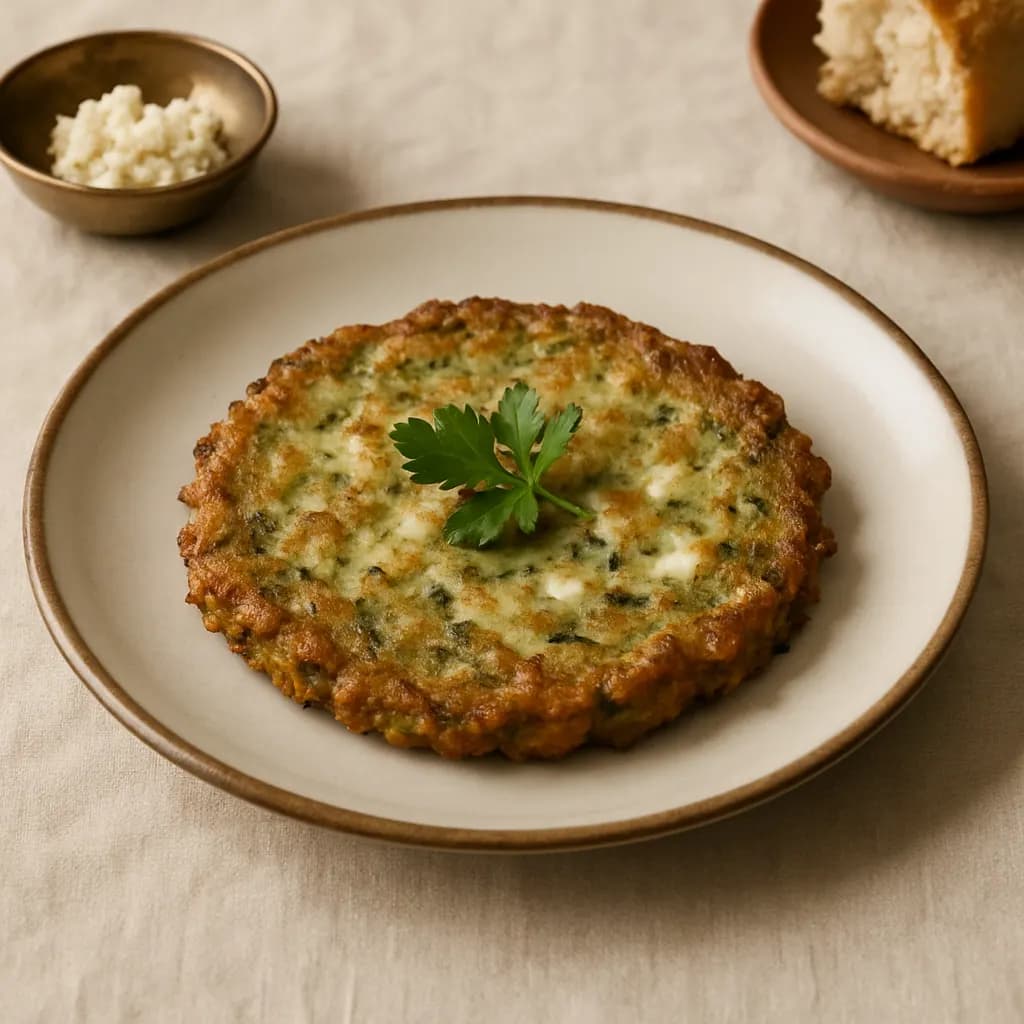
Zucchini Fritters(Kabak Mücveri)
klasikA classic pan-fried dish where squeezed zucchini gains a thin crispy crust with herbs and cheese; adding more flour is not the shortcut to good fritters.
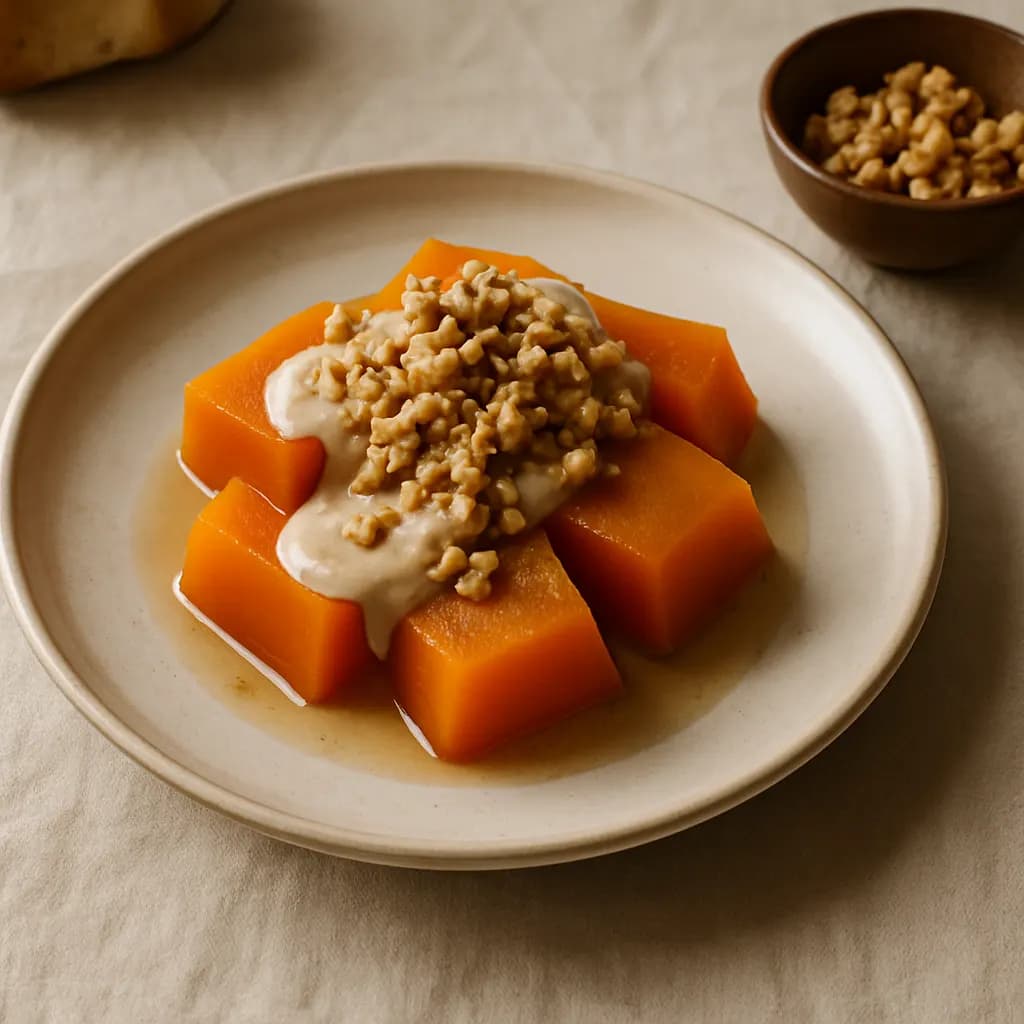
Pumpkin Dessert(Kabak Tatlısı)
klasikA simple winter dessert made from pumpkin softened in its own juice with sugar; it is commonly served with tahini and walnuts.
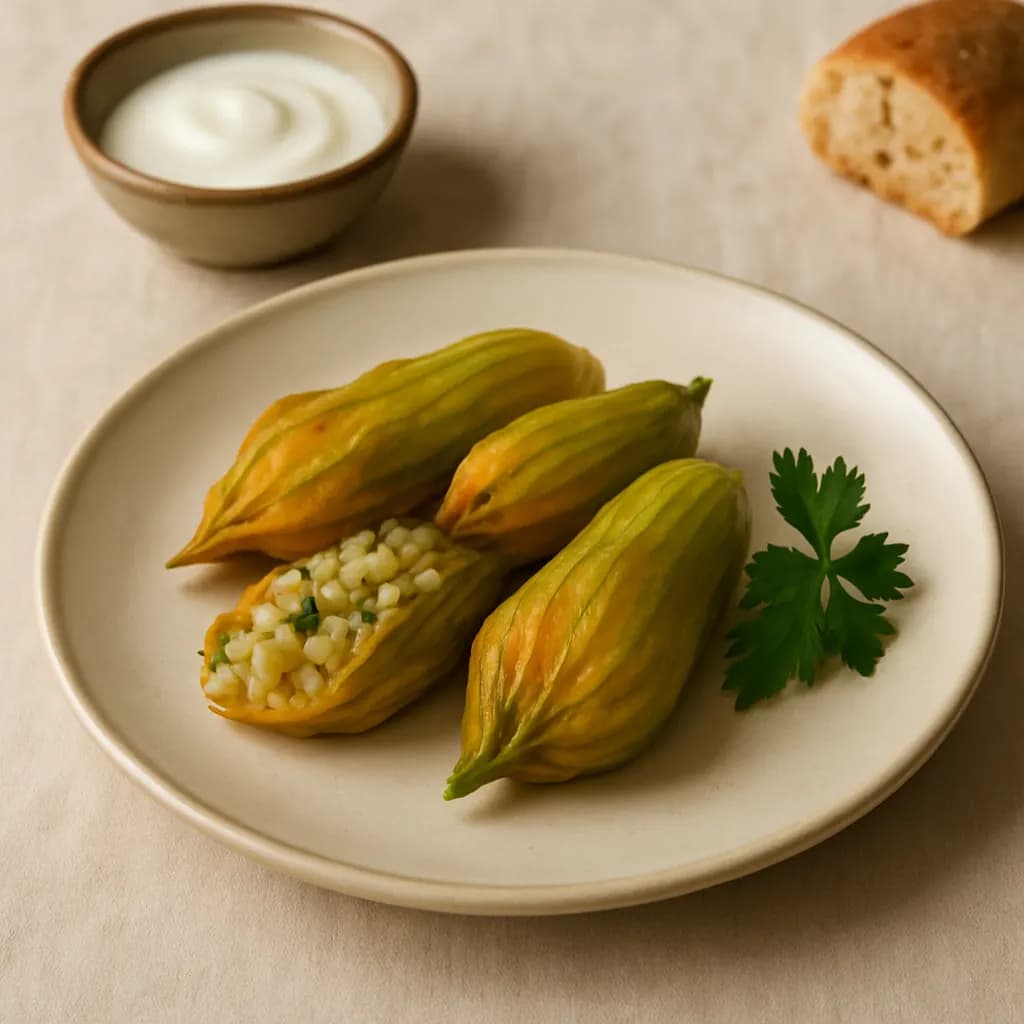
Stuffed Zucchini Flowers(Kabak Çiçeği Dolması)
yöreselA seasonal Aegean dish that respects the fragility of the flower; it is essential not to overpower its aroma.
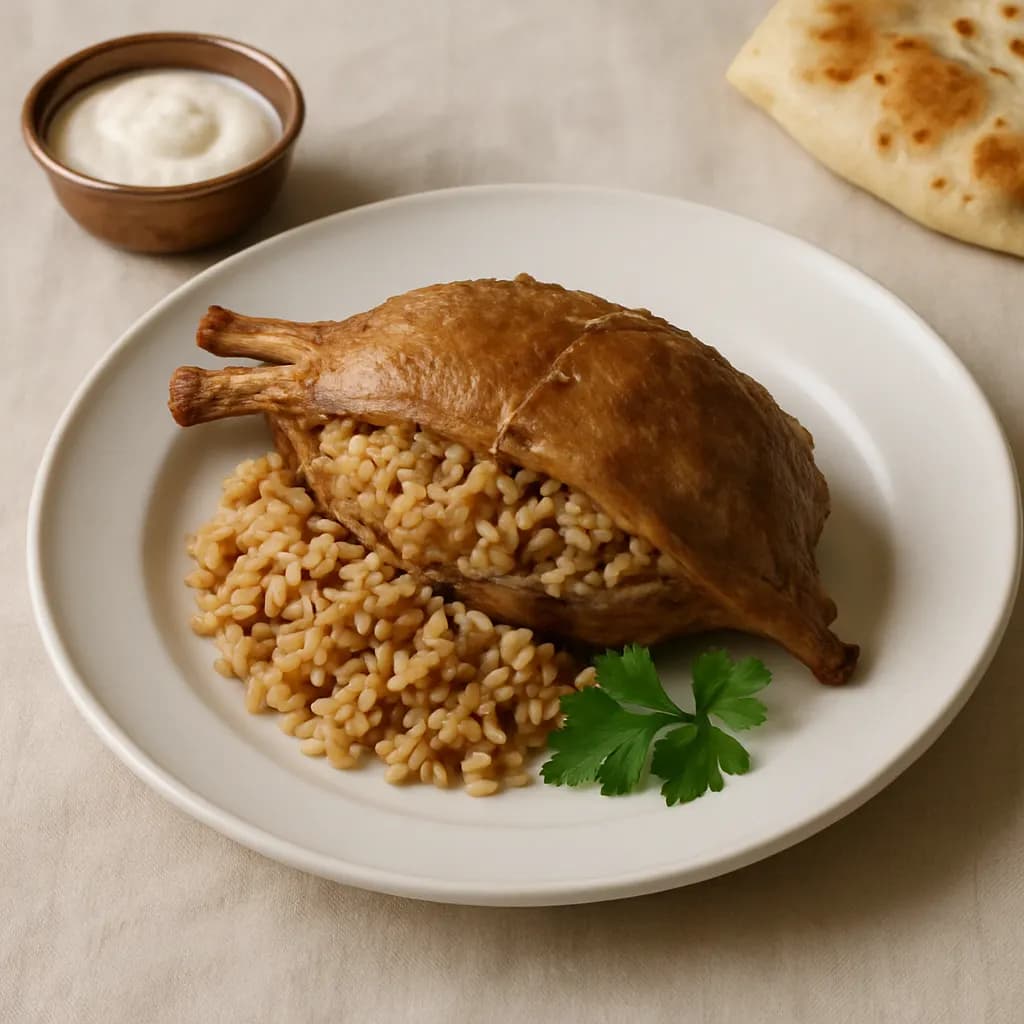
Stuffed Ribs(Kaburga Dolması)
yöreselA feast dish from Southeastern Turkey where the rib cavity is filled with rice and cooked for a long time.
Stuffed Kadayif(Kadayıf Dolması)
yöreselThe ceremonial sweet of Erzurum: shredded kadayif is wrapped around walnut, dipped in egg, fried and then taken into syrup. It carries a geographical indication.
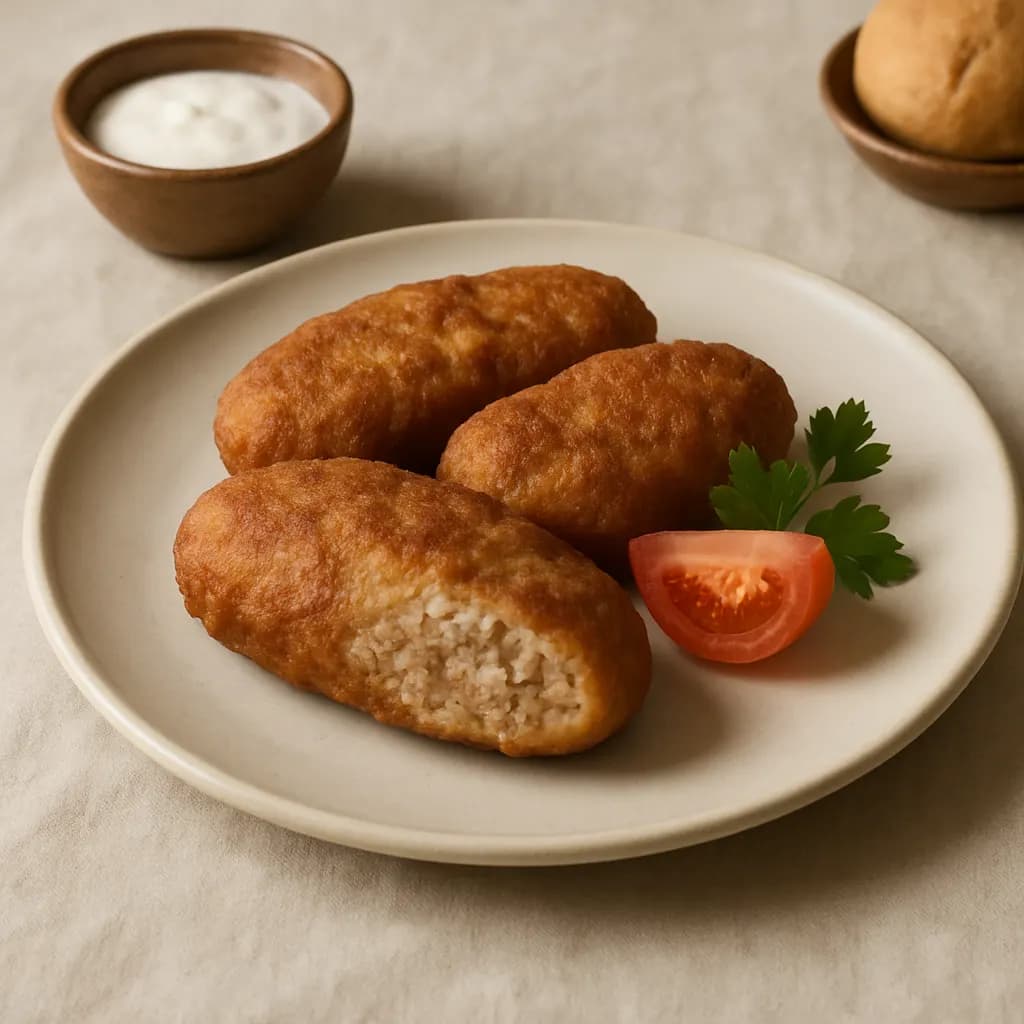
Kadınbudu Kofte(Kadınbudu Köfte)
klasikA nostalgic meatball where the soft texture of partially roasted minced meat mixed with cooked rice is balanced by a fried egg-coated exterior.
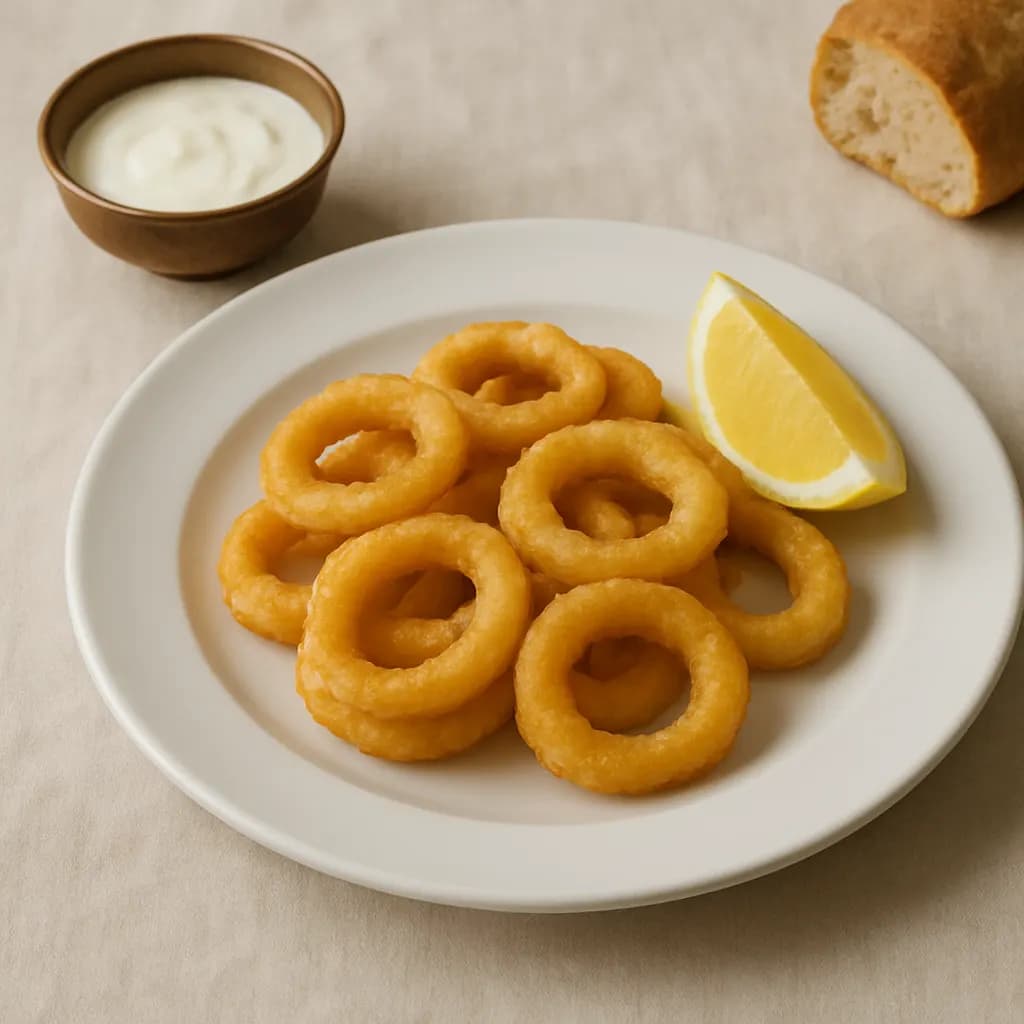
Fried Calamari(Kalamar Tava)
klasikQuick frying of cleaned squid rings; long cooking makes them tough.
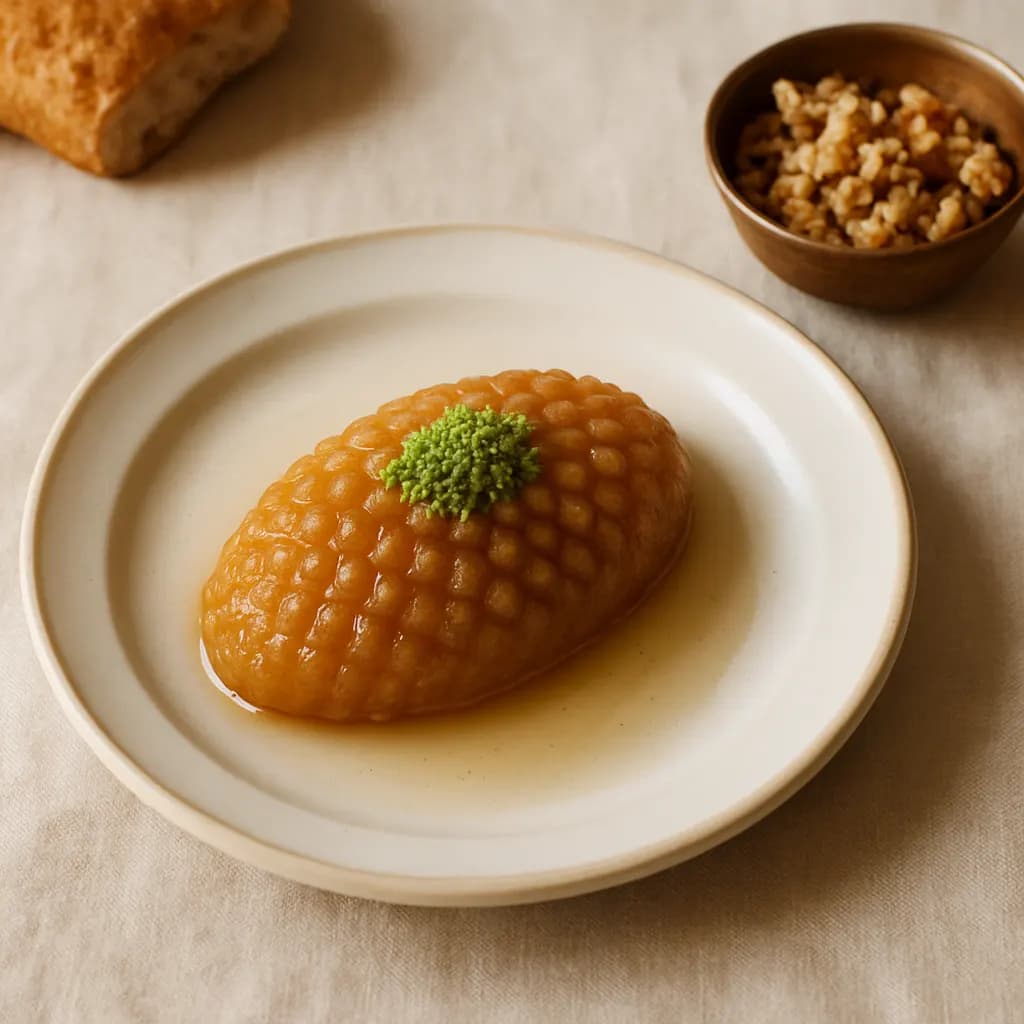
Kalburabastı
klasikA small syrup-soaked pastry, often filled with walnuts, with a surface patterned using a sieve; the pattern allows syrup to seep in.
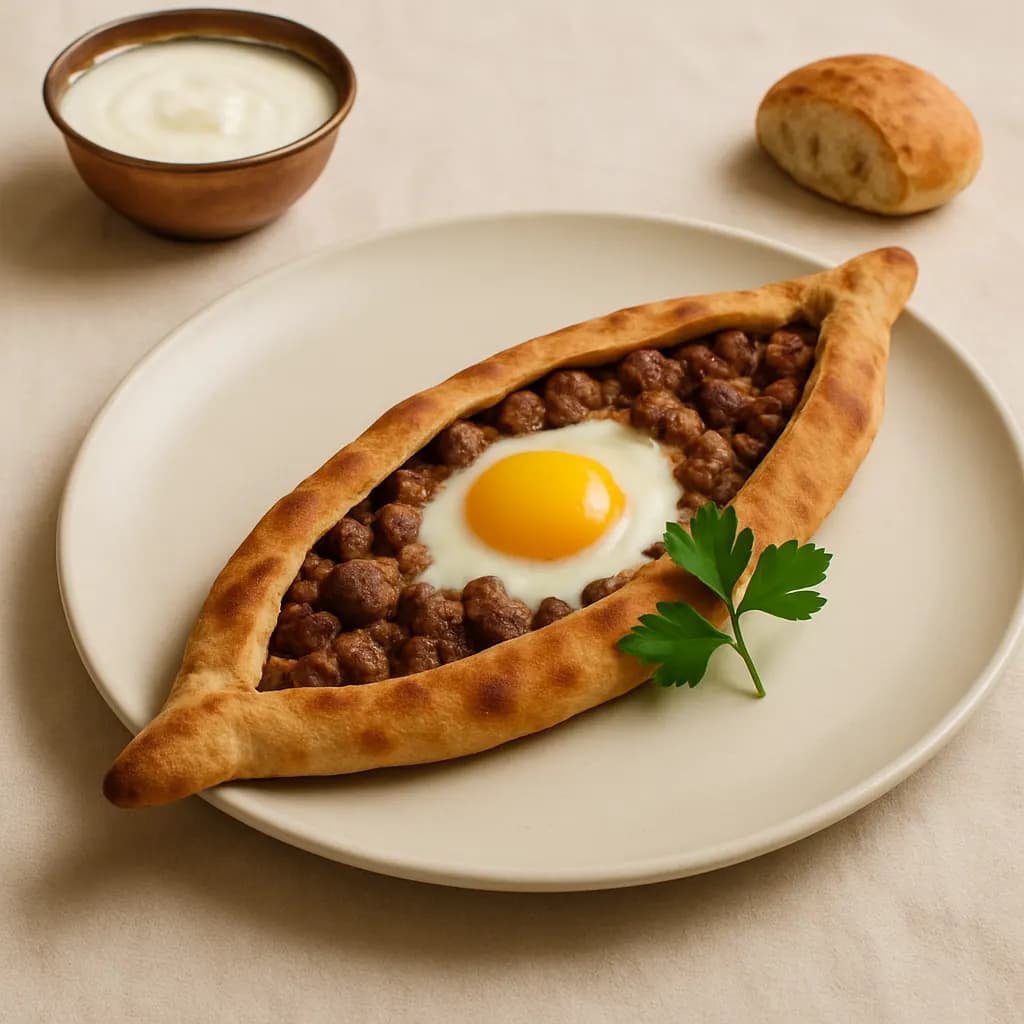
Black Sea Pide(Karadeniz Pidesi)
yöreselThe long, closed or open pide of the Black Sea baking tradition is known for its varieties with meat, cheese, and egg. Wood-fired ovens and dough mastery are key elements.
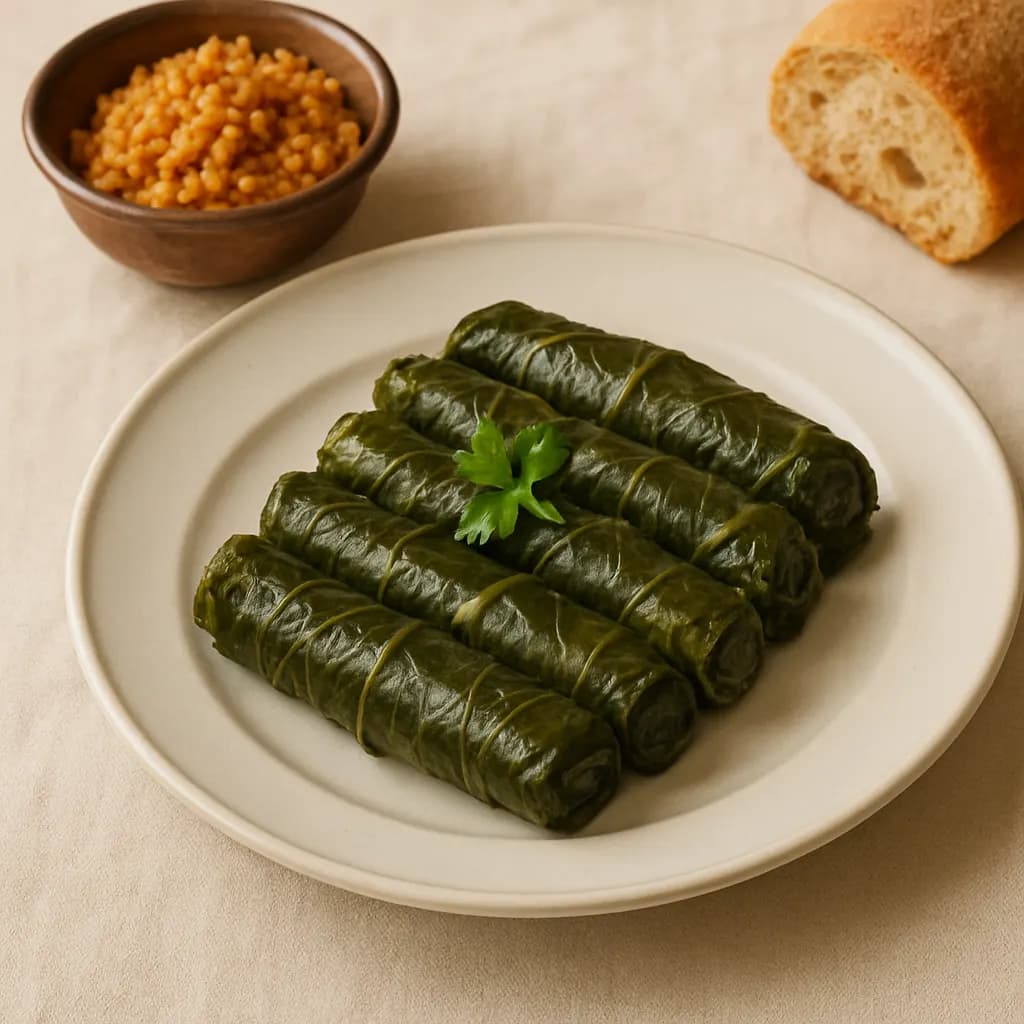
Black Cabbage Roll(Karalahana Sarması)
yöreselA roll made with black cabbage leaves from the Black Sea region, typically filled with corn and bulgur.
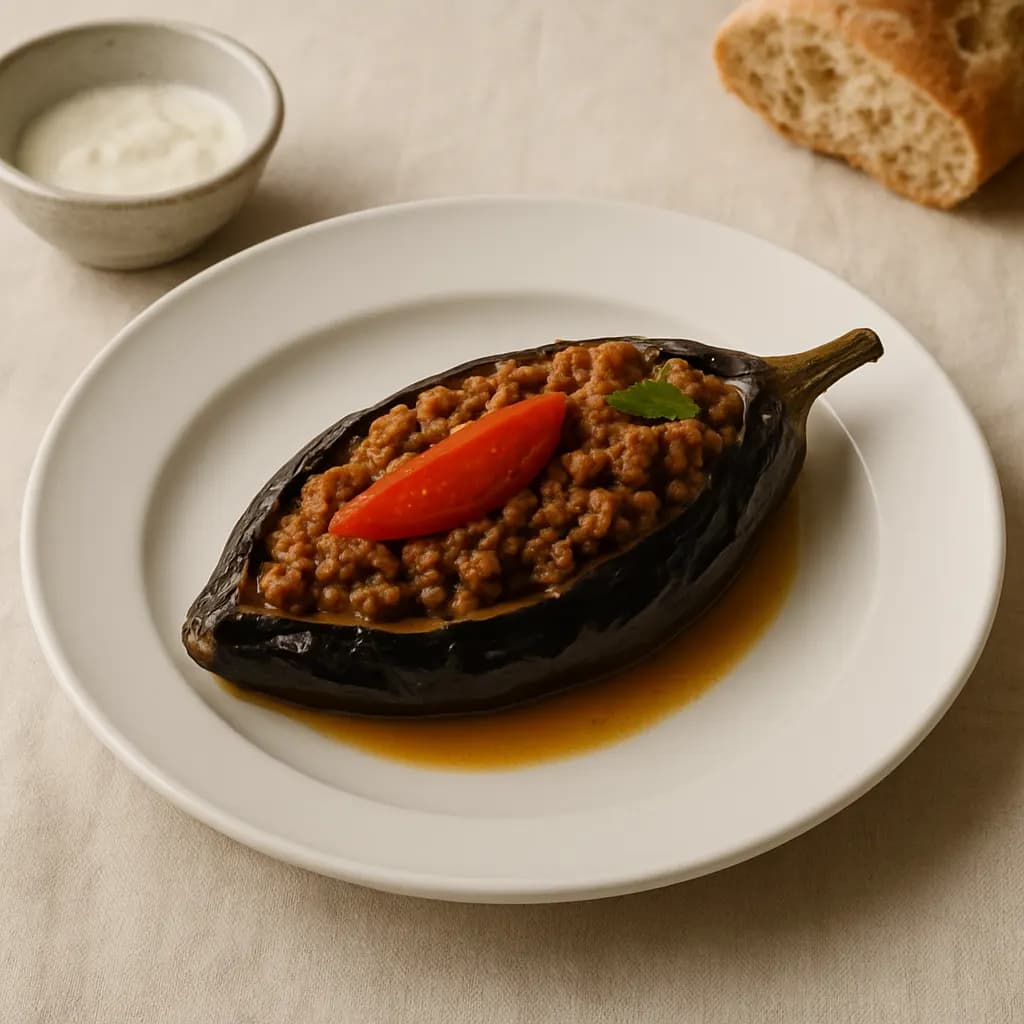
Karnıyarık
klasikA summer classic that shares the same eggplant shape as İmambayıldı but is distinguished by its minced meat filling and hot serving.
Kars Gruyere(Kars Gravyeri)
yöreselThe product of a Swiss-style hard cheese tradition that settled in Kars at the end of the 19th century; large wheels ripen for months and the cut shows large eyes. It carries a geographical indication.
Kars Piti(Kars Pitisi)
yöreselA Kars dish of lamb, chickpeas and tail fat cooked for hours in small earthenware pots; a tradition shared with Caucasian cooking. The broth is taken into a separate bowl and the meat eaten over bread.
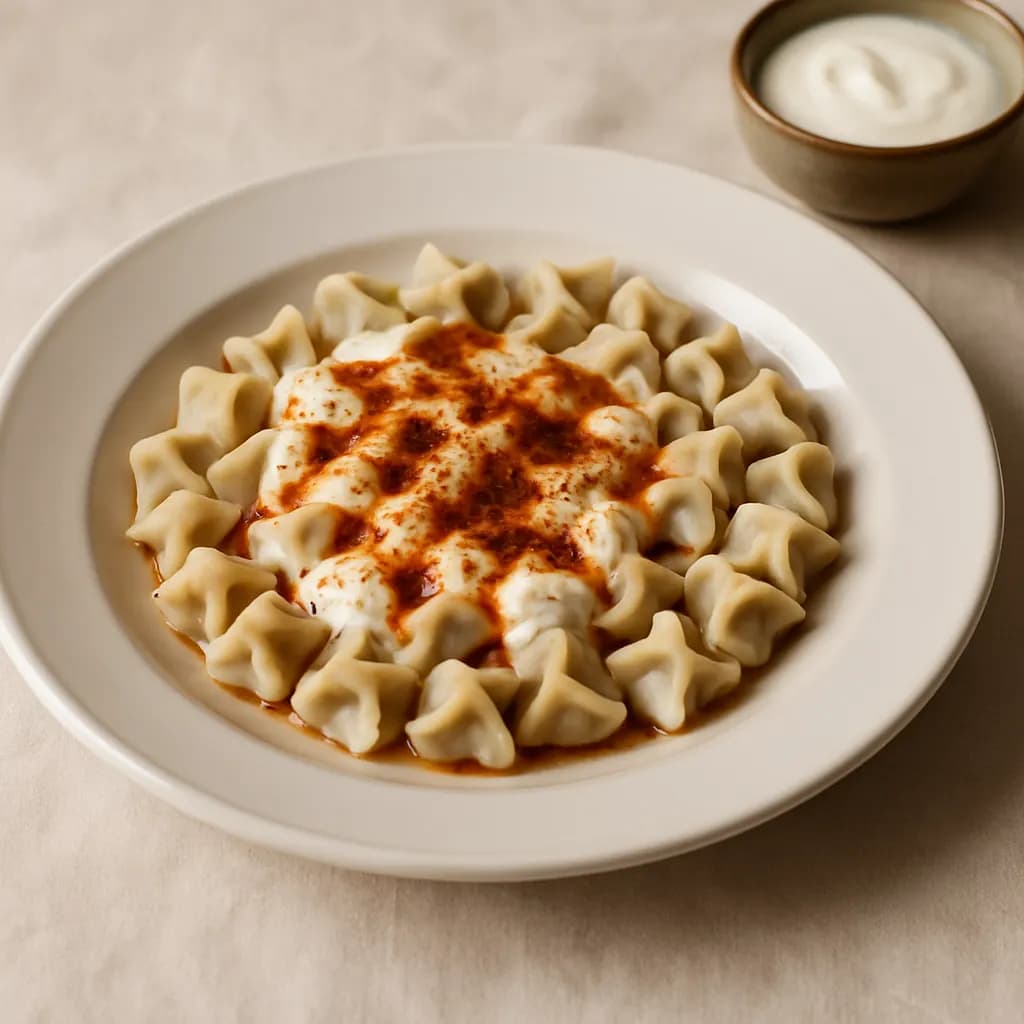
Kayseri Manti(Kayseri Mantısı)
yöreselSmall dumplings filled with minced meat are boiled and served with yogurt and hot sauce. In Kayseri tradition, the small size of the manti is considered a measure of skill.
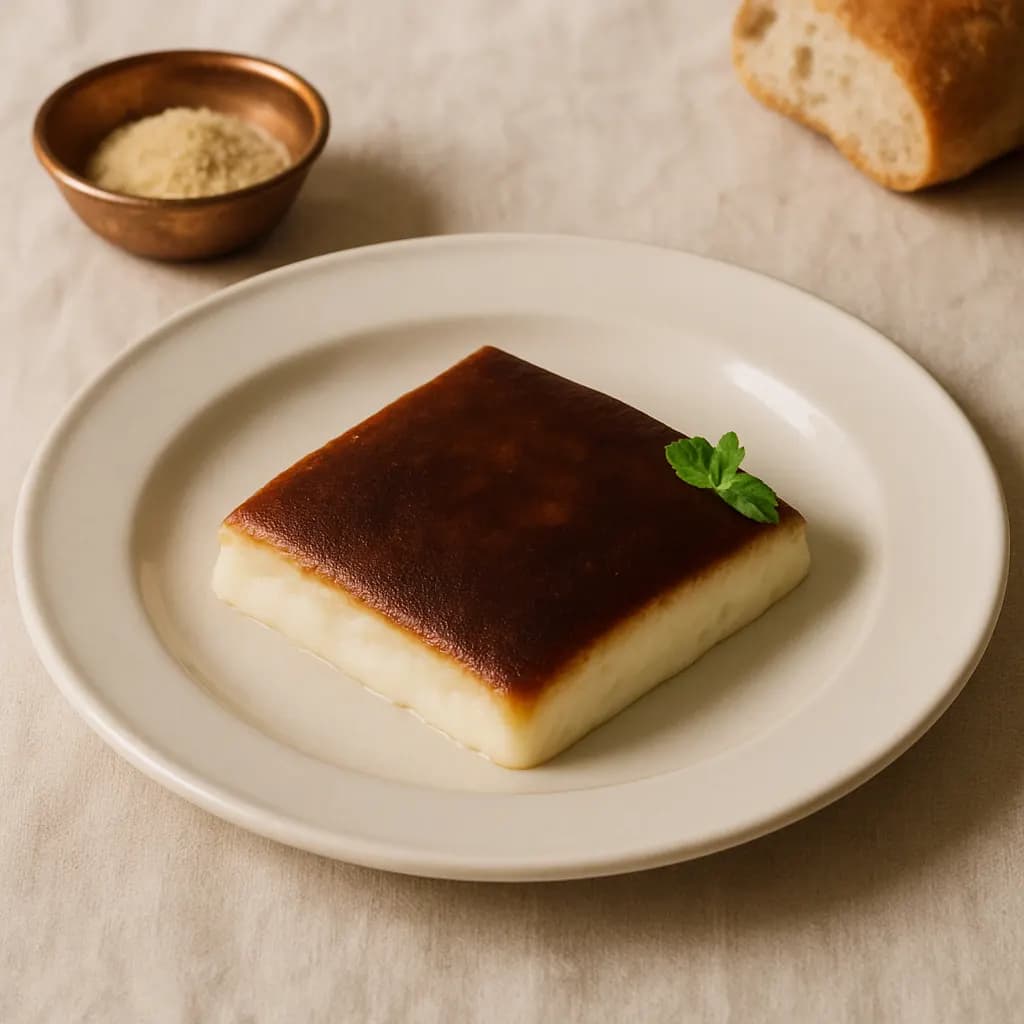
Kazandibi
klasikA milk dessert with palace origins, created by intentionally caramelizing the bottom of the pudding; it has evolved from the tradition of chicken breast pudding.
Keledos(Keledoş)
yöreselA winter dish in which dried cabbage or chard, chickpeas, bulgur and preserved meat are cooked together for a long time; garlic yoghurt and hot fat are poured over it. It is a record shared by the tables of Van and Mus.
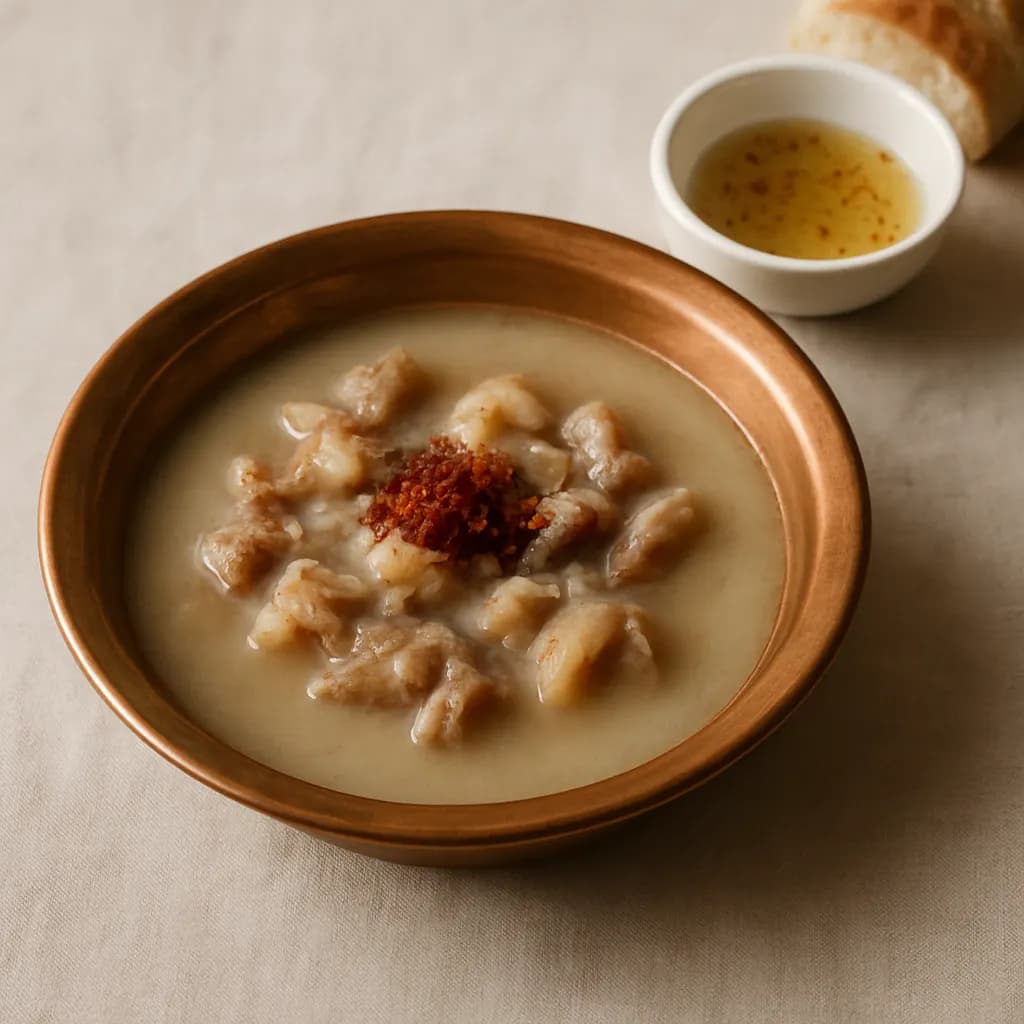
Head and Feet Soup(Kelle Paça Çorbası)
klasikA broth made from the long cooking of head and foot meats, consumed with garlic vinegar; it is a classic of the night and morning culture.
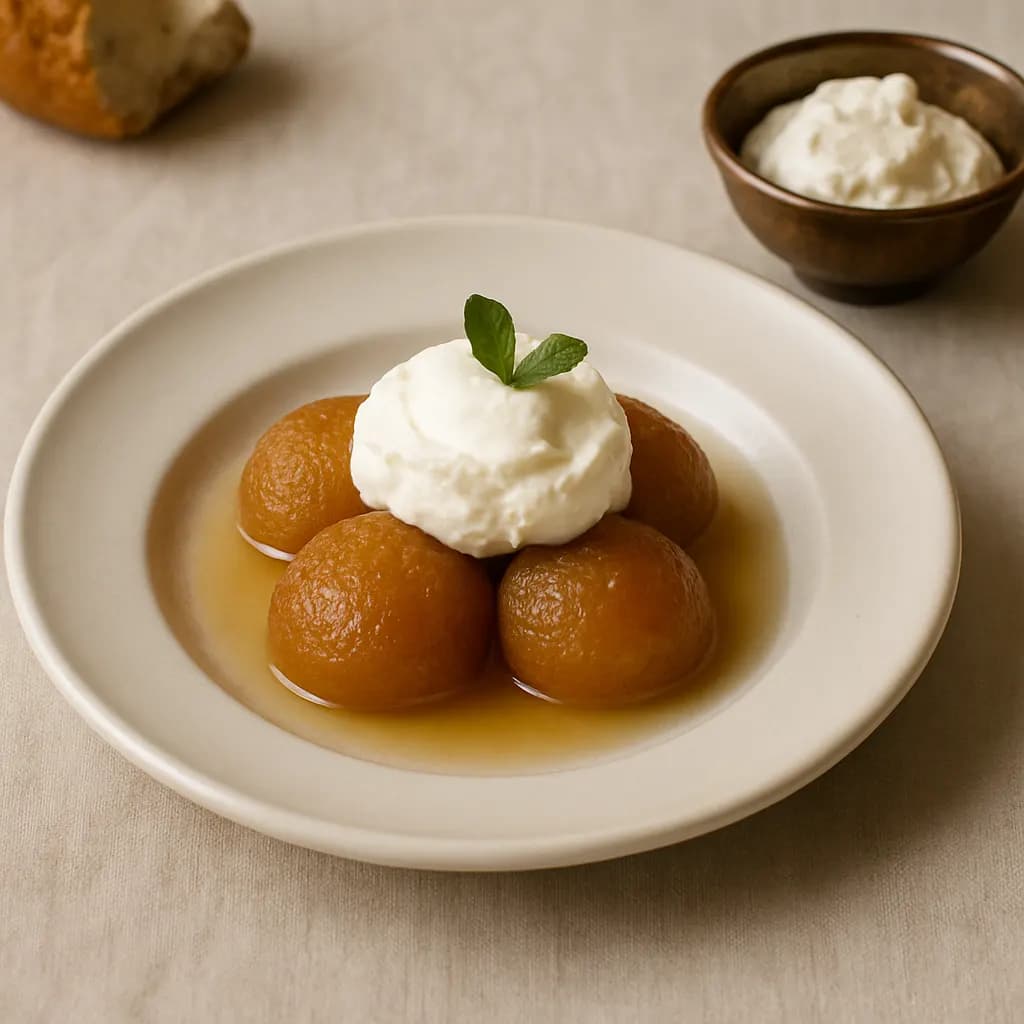
Kemalpaşa Dessert(Kemalpaşa Tatlısı)
yöreselKemalpaşa Dessert from Bursa-Mustafakemalpaşa is made from cheese dough that is dried and cooked in syrup; it is topped with clotted cream.
Kete
yöreselA pastry of the Erzurum and Kars region: a filling of flour roasted in butter is spread over the dough, rolled up and baked on a griddle or in the oven. It is the classic of tea time and of food taken on the road.
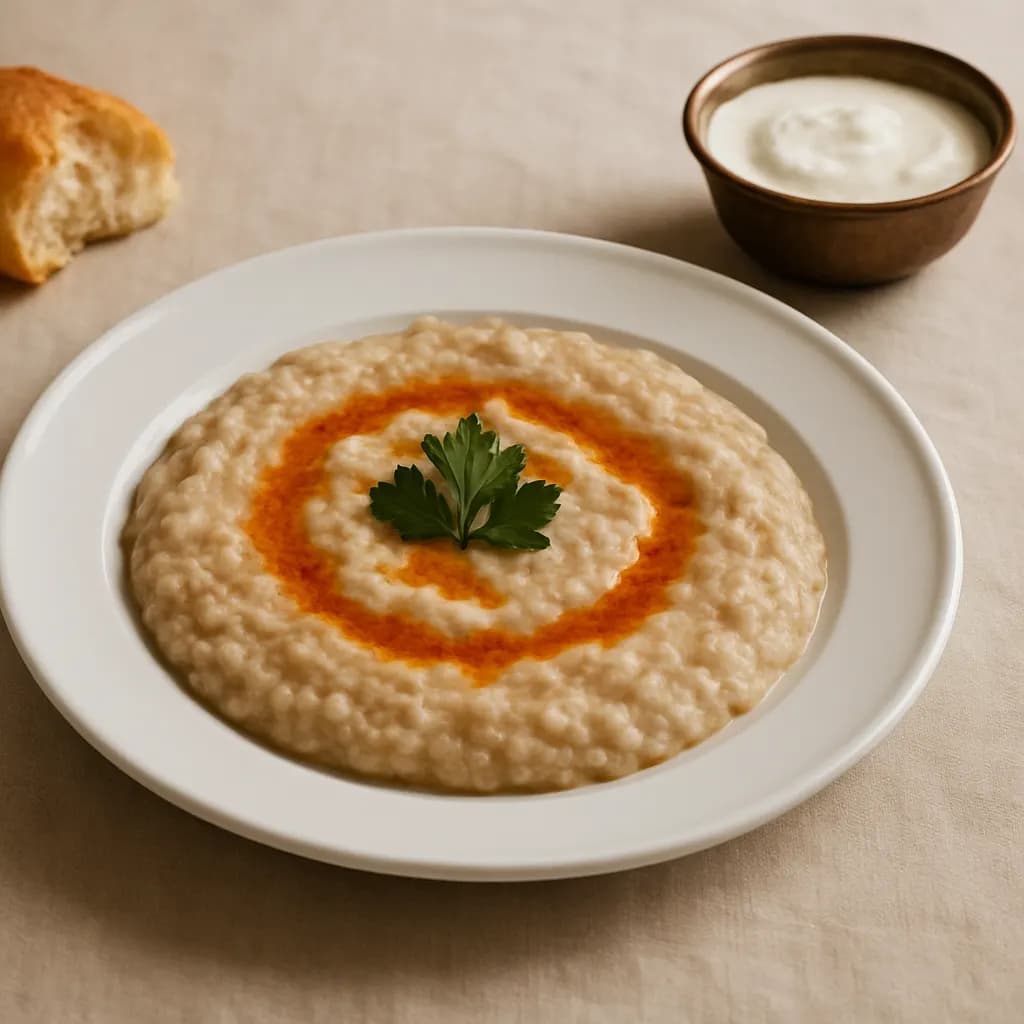
Keskek(Keşkek)
klasikA ceremonial dish made by pounding wheat and meat together for hours; it symbolizes weddings and communal work. It was registered in the UNESCO Intangible Cultural Heritage List in 2011.
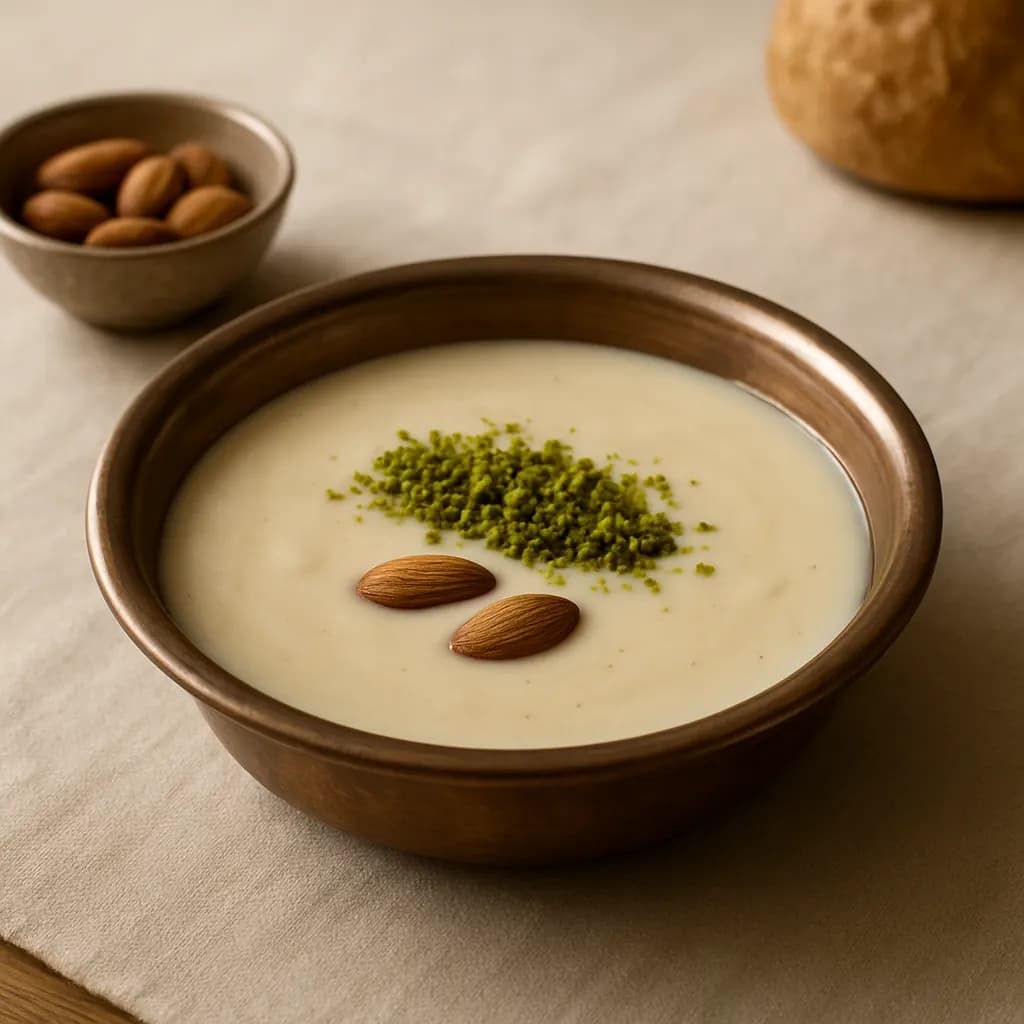
Keshkul(Keşkül)
klasikA milk-based dessert with almonds; the proportion of nuts and the fineness of grinding determine its character.
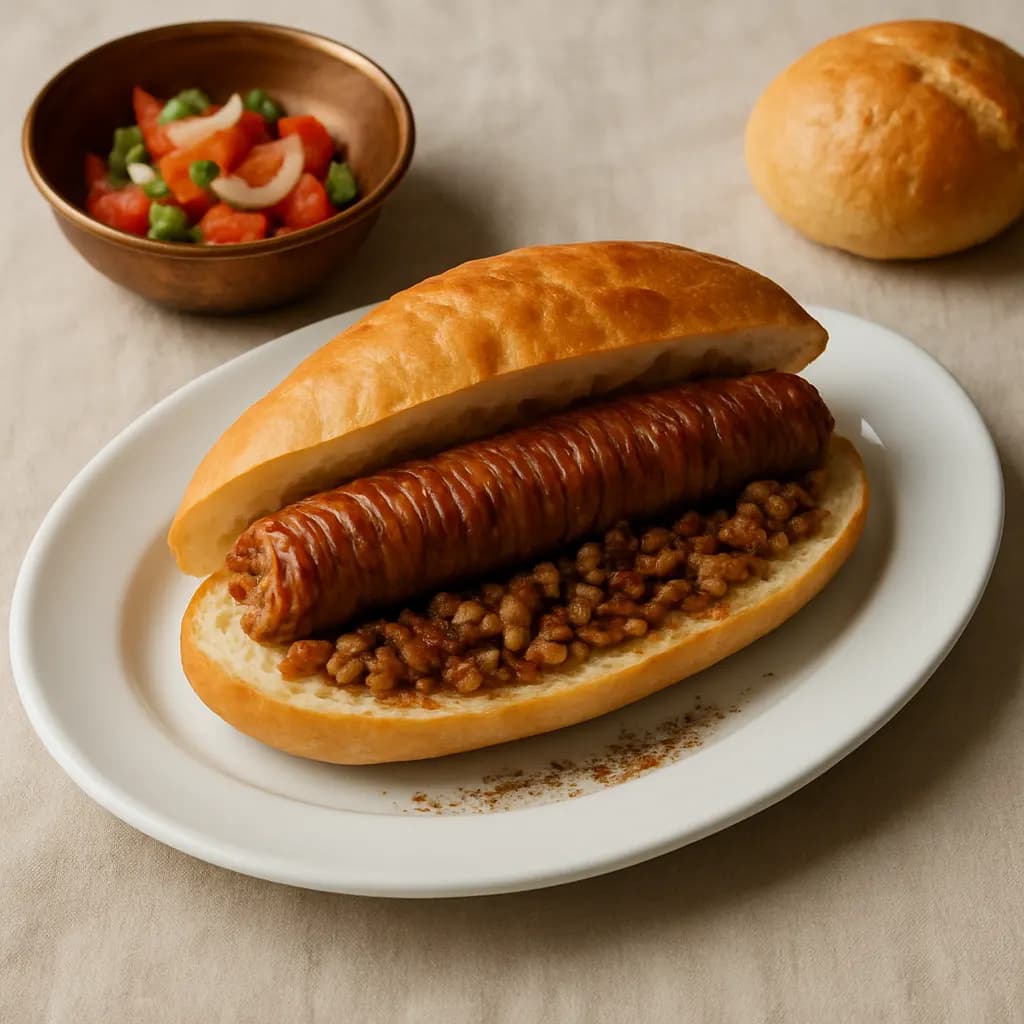
Kokoreç
klasikA nighttime classic made from lamb intestines grilled on a skewer and sautéed with oregano and red pepper flakes, served in bread. It represents the pinnacle of offal mastery on the street.
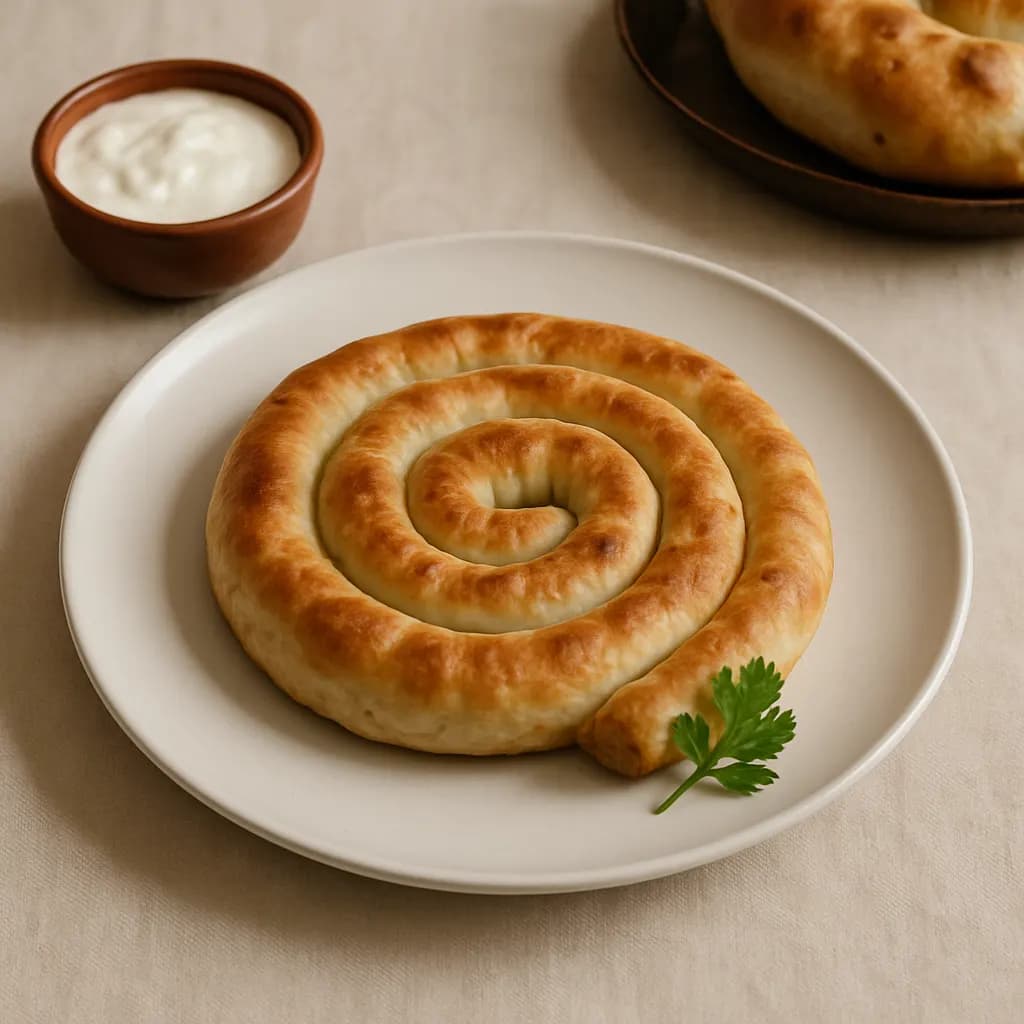
Kol Borek(Kol Böreği)
klasikA baked pastry made of filled dough twisted into long rolls on a tray; common fillings include cheese, potatoes, and minced meat.
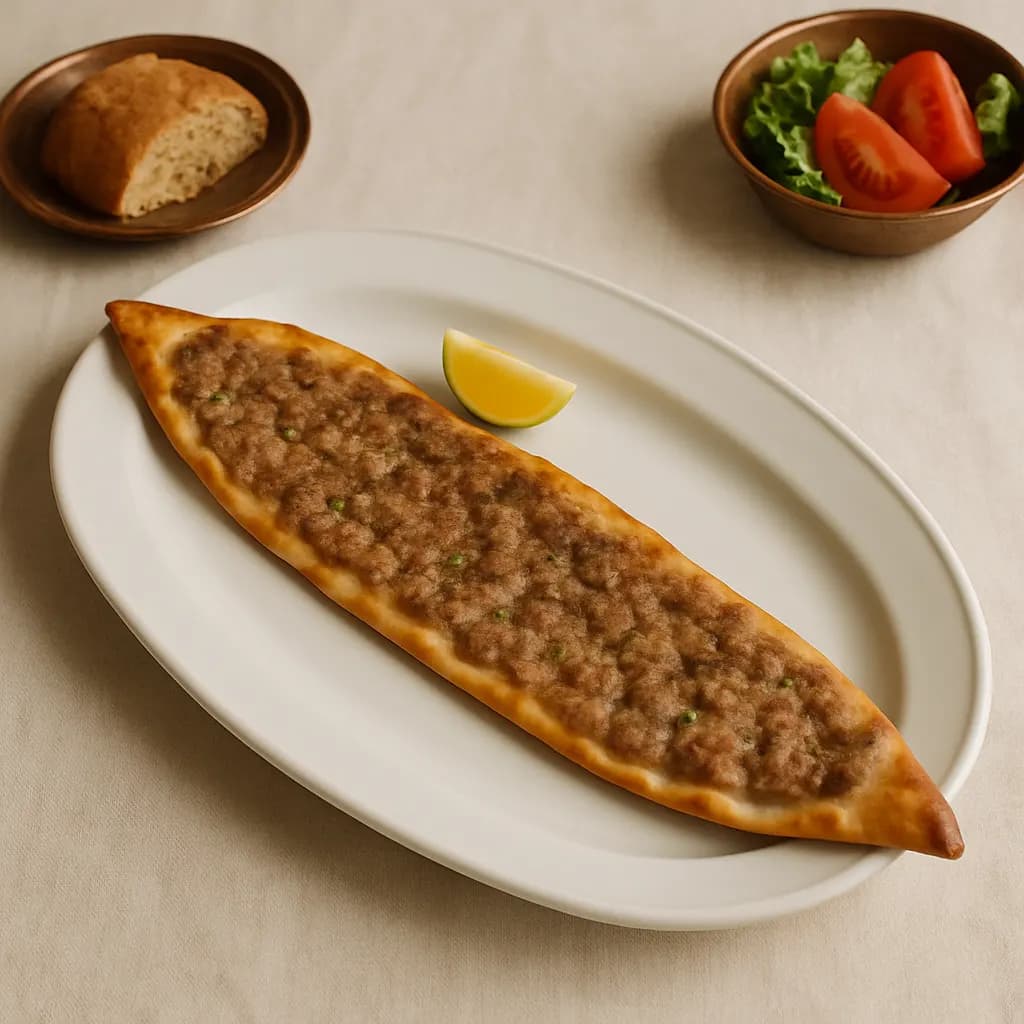
Konya Etli Ekmek(Konya Etli Ekmeği)
yöreselA Konya classic where minced meat filling is spread over long, thin dough and baked in a wood-fired oven; unlike lahmacun, the dough is distinct and the filling is simple.
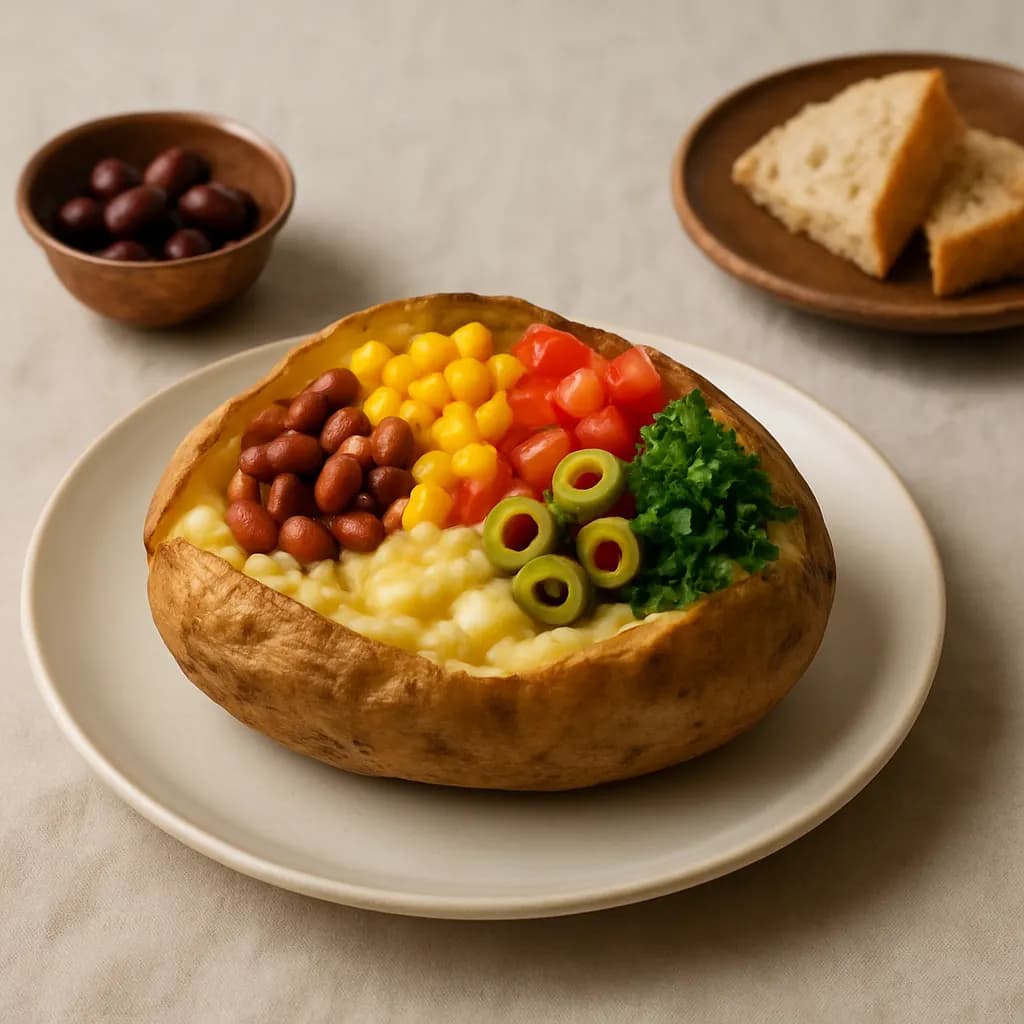
Kumpir
modernBaked potato that is softened over coals, mashed with butter and cheese, and filled with a variety of rich toppings; a modern street classic associated with the Ortaköy waterfront.
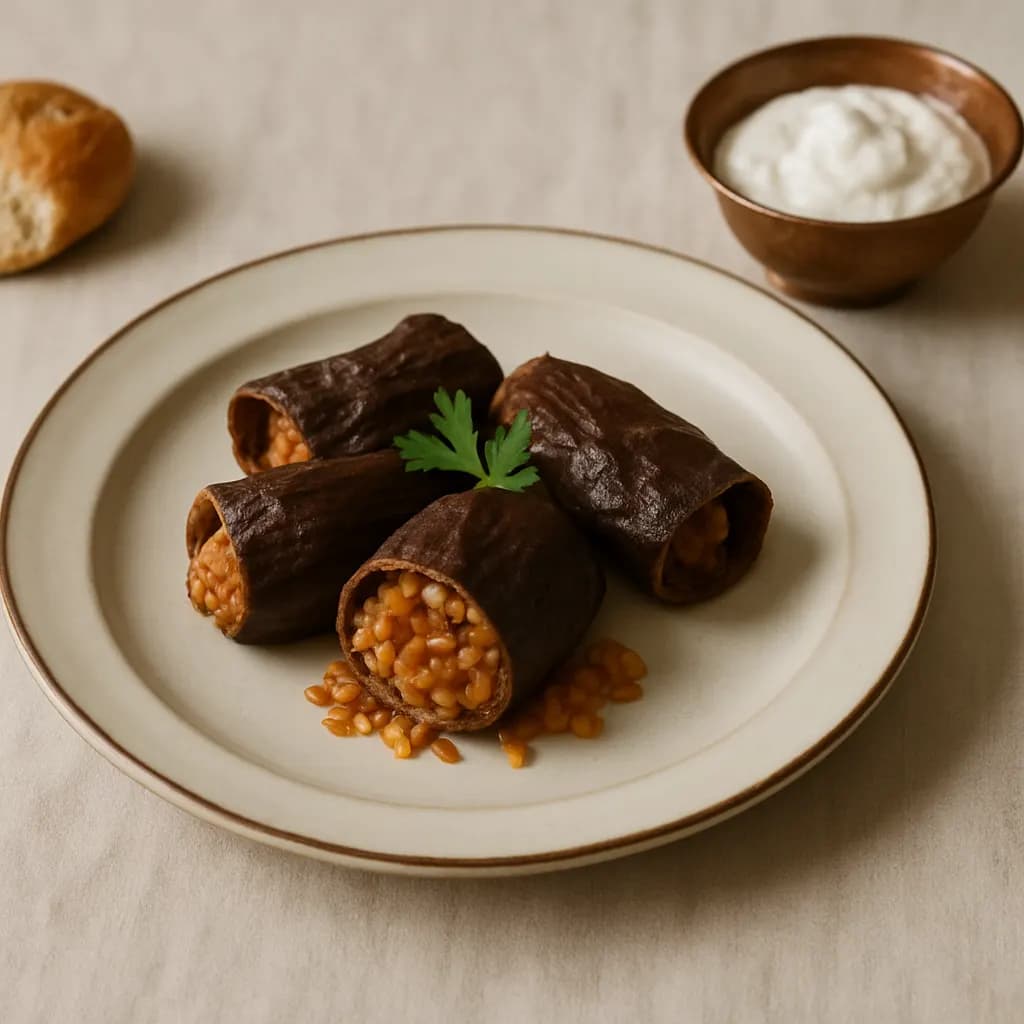
Stuffed Dried Eggplant(Kuru Patlıcan Dolması)
yöreselA Southeastern classic where drying summer vegetables brings them into winter cuisine; the aroma of dried eggplant differs from that of fresh.
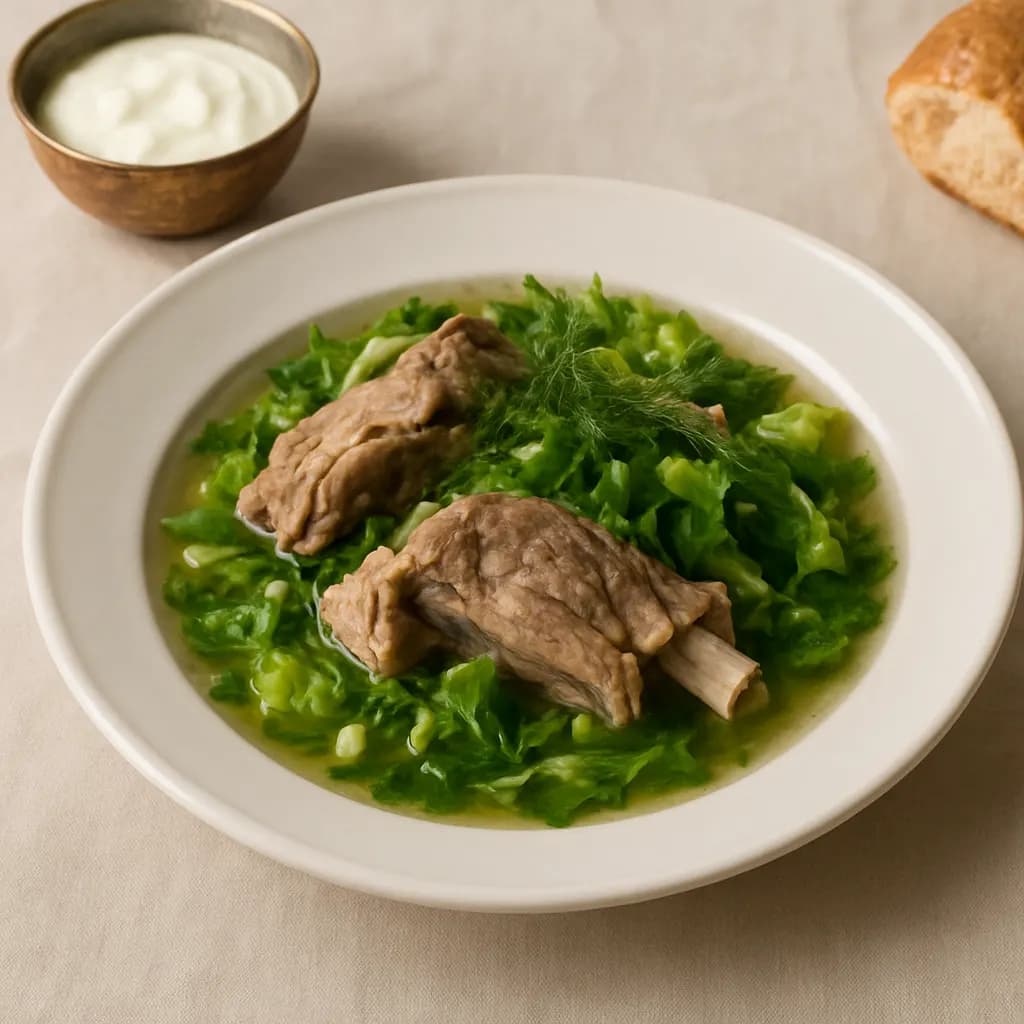
Lamb Kapama(Kuzu Kapama)
klasikA spring dish where lamb is cooked in a covered pot with green onions, lettuce, and dill; the goal is not a thick sauce, but a clear broth with herbal aromas.
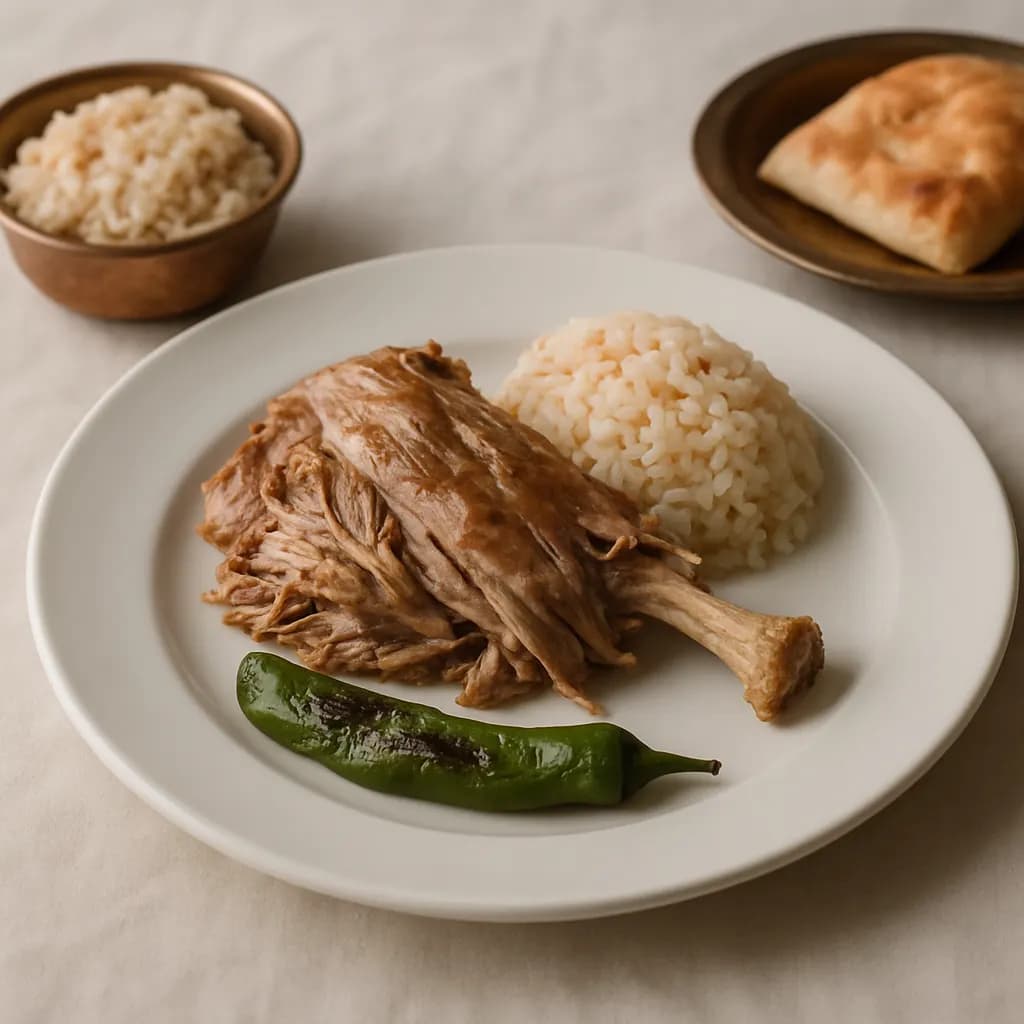
Lamb Tandır(Kuzu Tandır)
klasikA classic Anatolian dish where lamb is cooked for hours in a closed tandır oven in its own juices, resulting in tender, shredded meat. It is served with rice and roasted peppers.
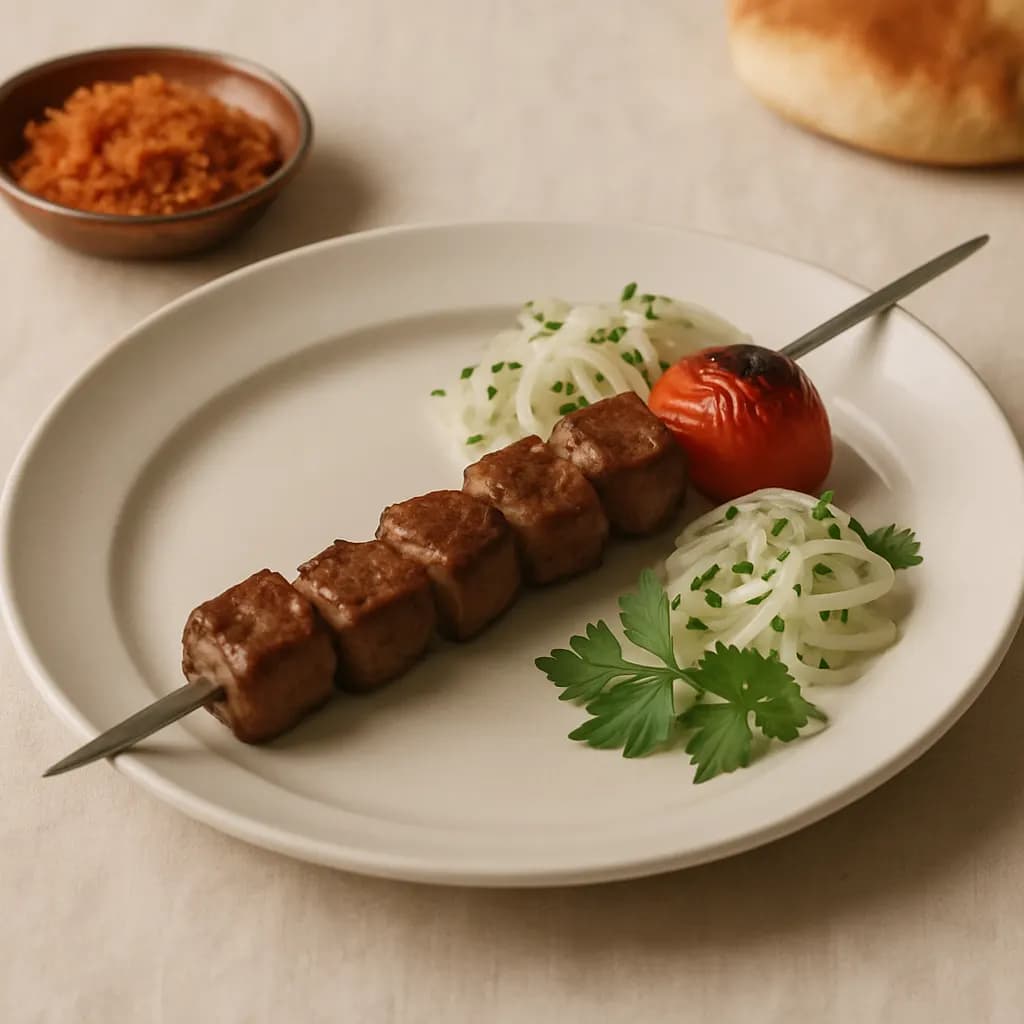
Lamb Shish Kebab(Kuzu Şiş)
klasikA kebab made of tender lamb cubes marinated simply and grilled over indirect heat; mastery lies not in the ingredients but in understanding the meat and fire.
Paper Kebab(Kâğıt Kebabı)
yöreselThe Malatya way: lamb, tomato, pepper and onion are wrapped in greaseproof paper and baked in their own steam. The paper holds the juices, so no separate sauce is added.
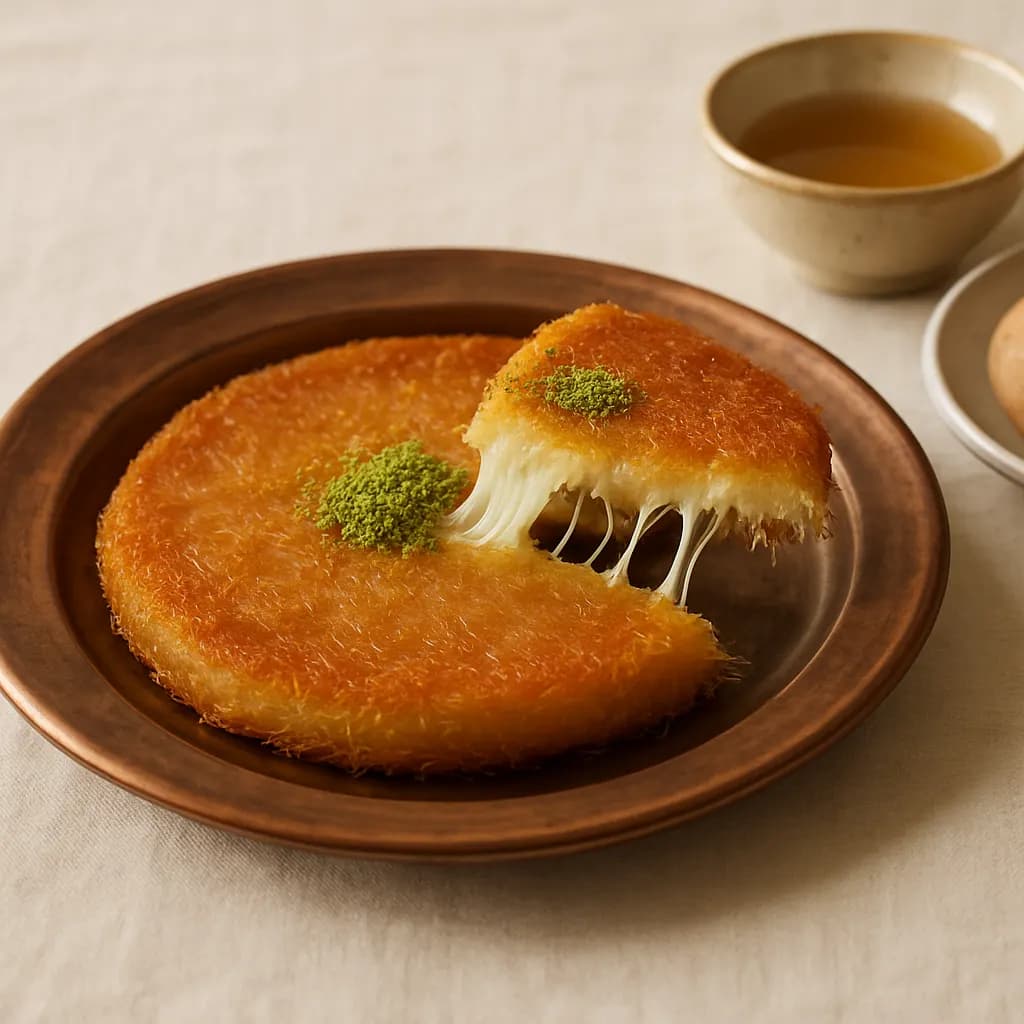
Künefe
yöreselA classic from Hatay and Southeastern Turkey, made by placing unsalted fresh cheese between strands of shredded pastry, fried on both sides and served with hot syrup. The stretching of the cheese is a testament to skill.
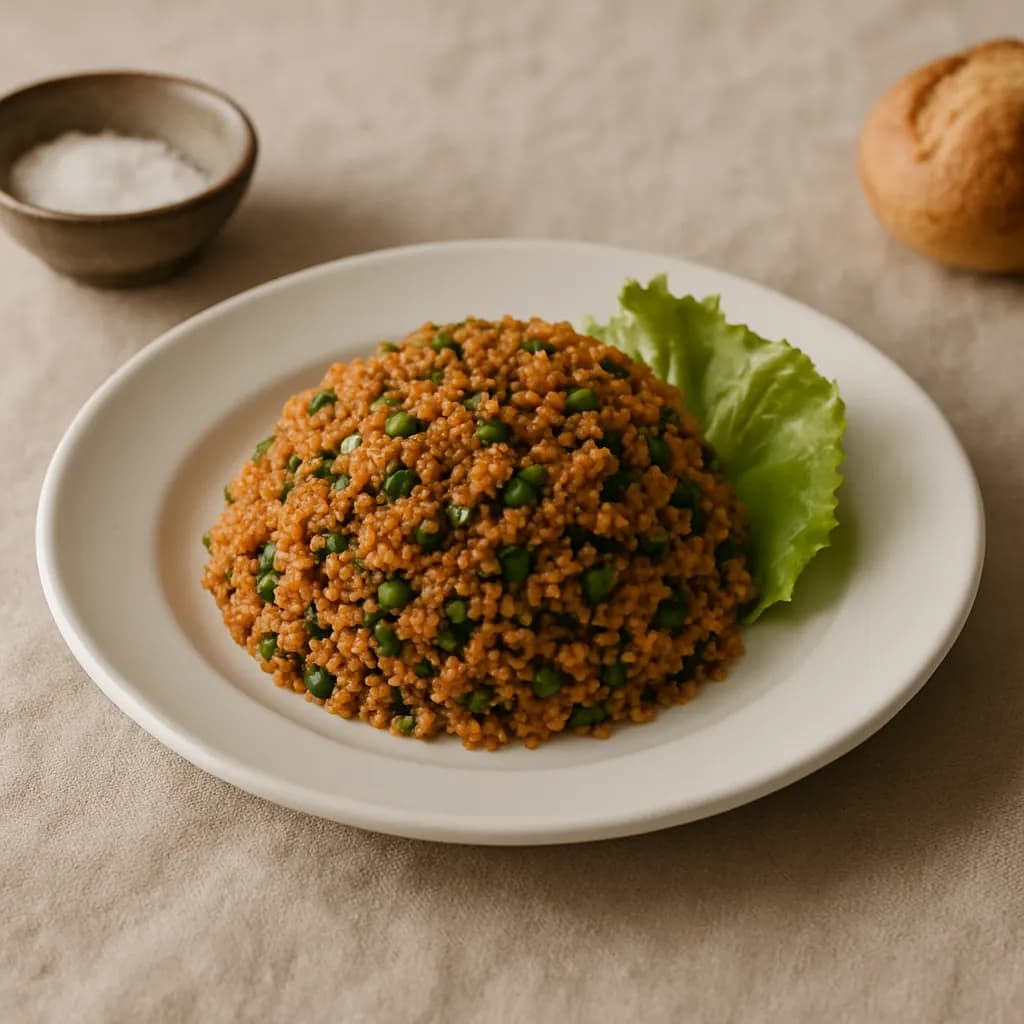
Kısır
klasikA table dish made with fine bulgur mixed with tomato paste, sourness, and greens; it should not be considered as small as a salad.
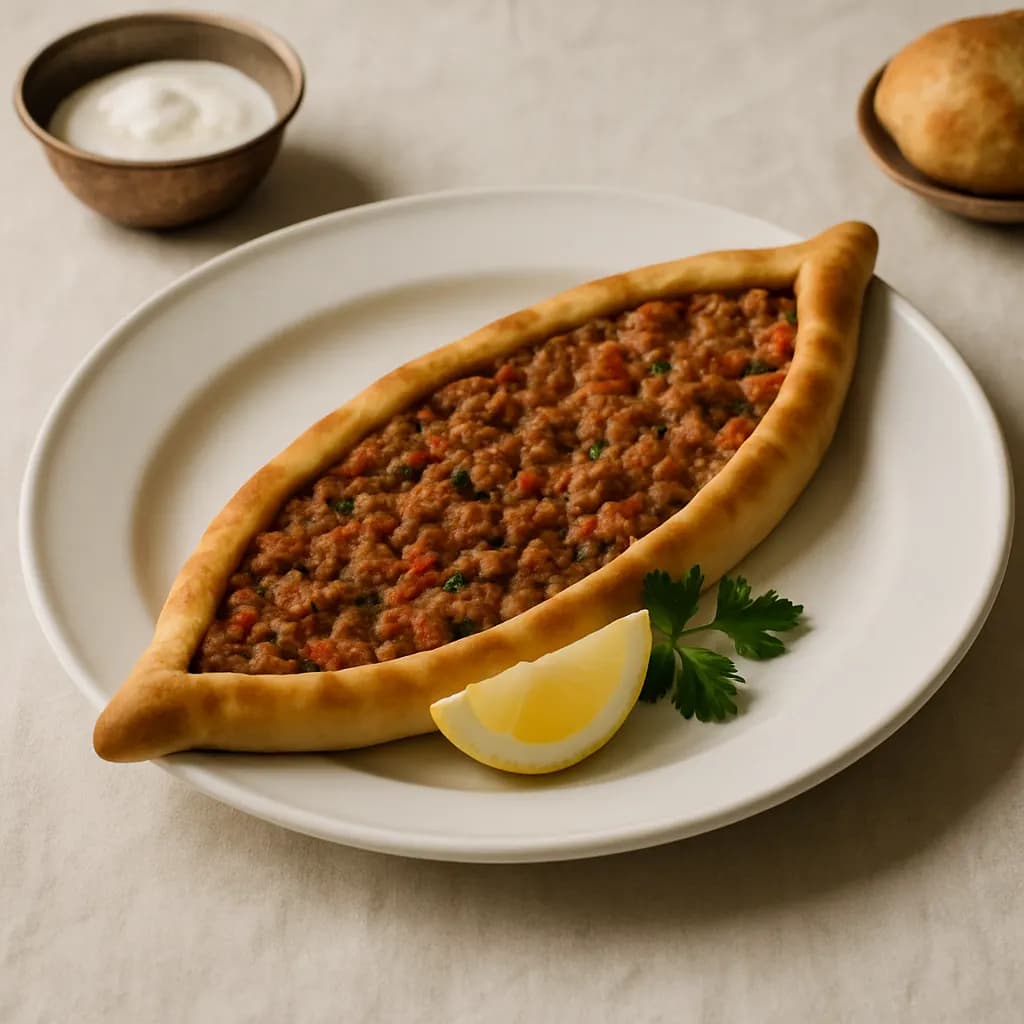
Minced Meat Pide(Kıymalı Pide)
klasikA pide made with yeast dough and baked open with a filling of finely chopped vegetables and meat; Bafra closed pide and Konya etliekmeği are separate varieties.
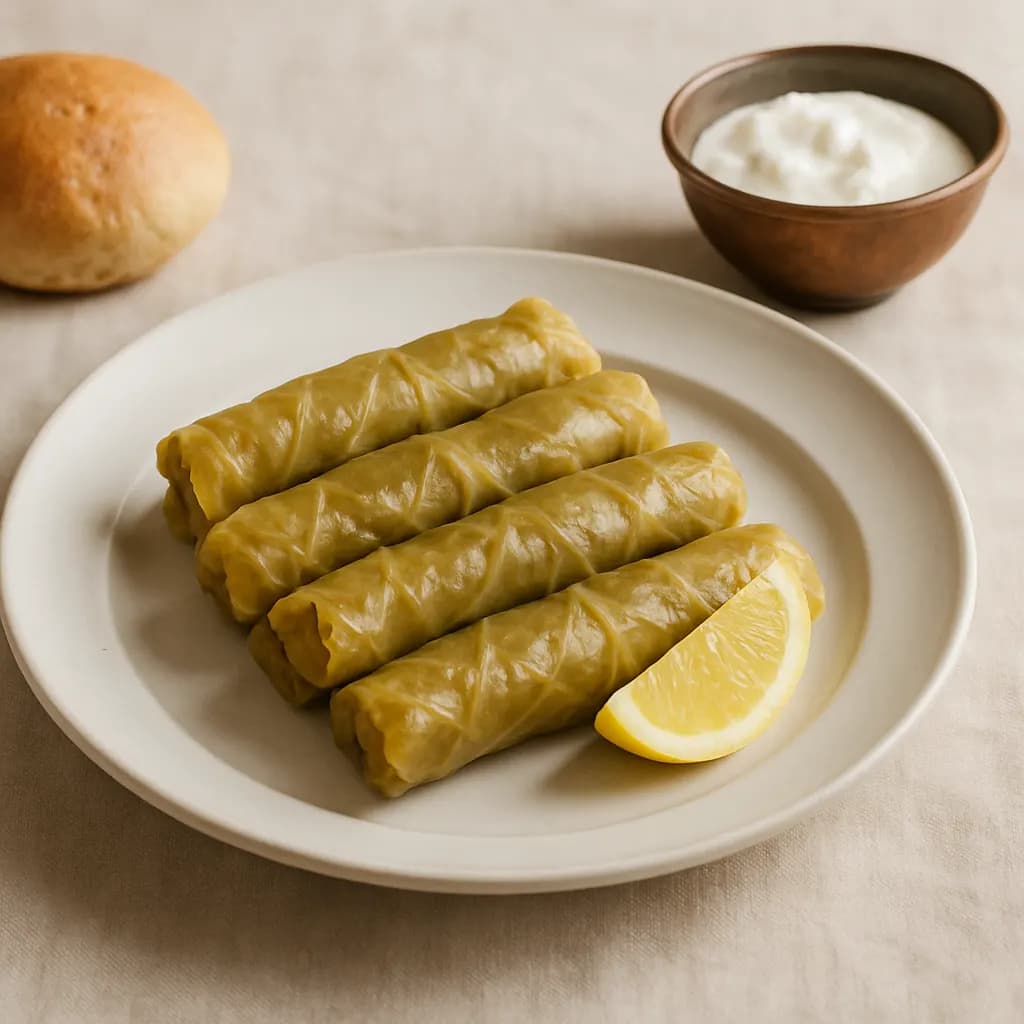
Stuffed Cabbage(Lahana Sarması)
klasikThe stuffed cabbage carries the large, soft, and sweet character of winter leaves; the version with kale is read as a separate family.
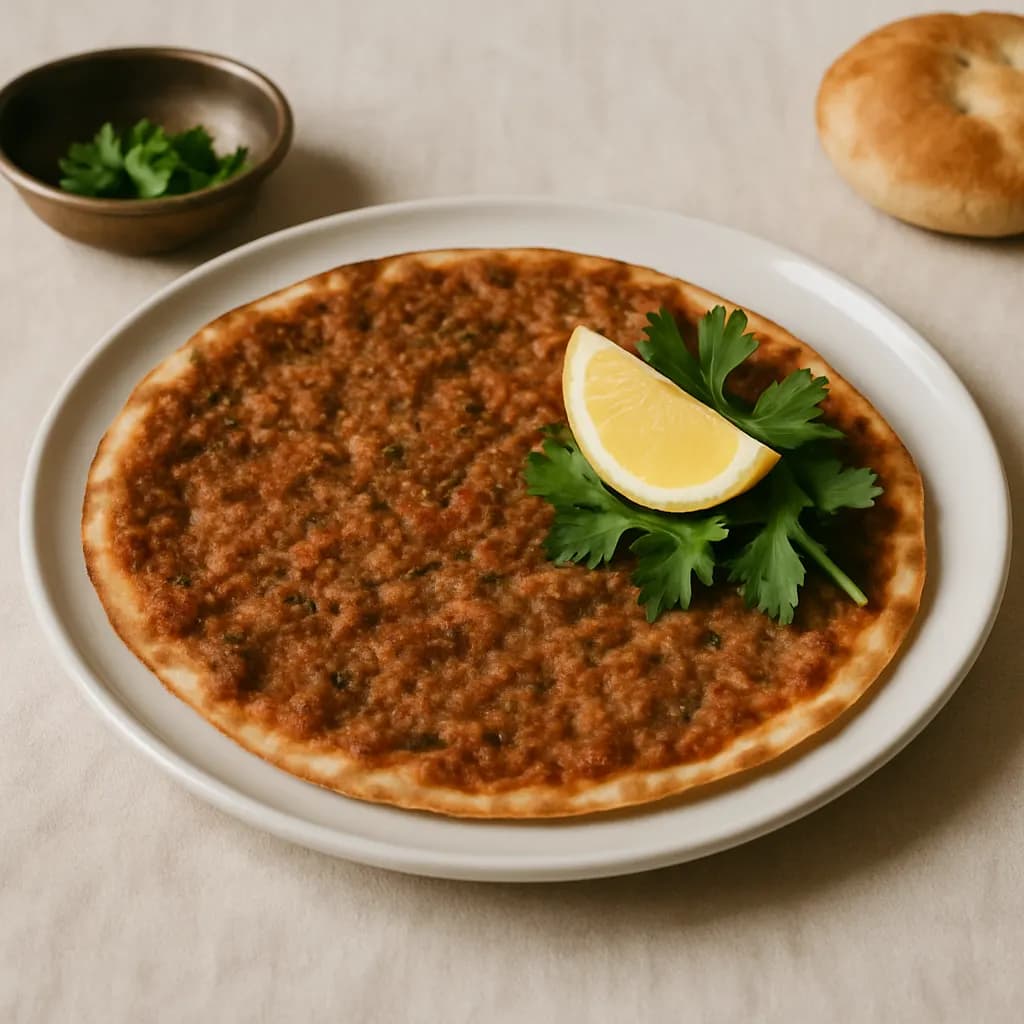
Lahmacun
klasikA Southeast Asian classic made by spreading a mixture of minced meat, peppers, and spices on thin dough and baking it in a stone oven for a few minutes. It is eaten rolled with parsley and lemon.
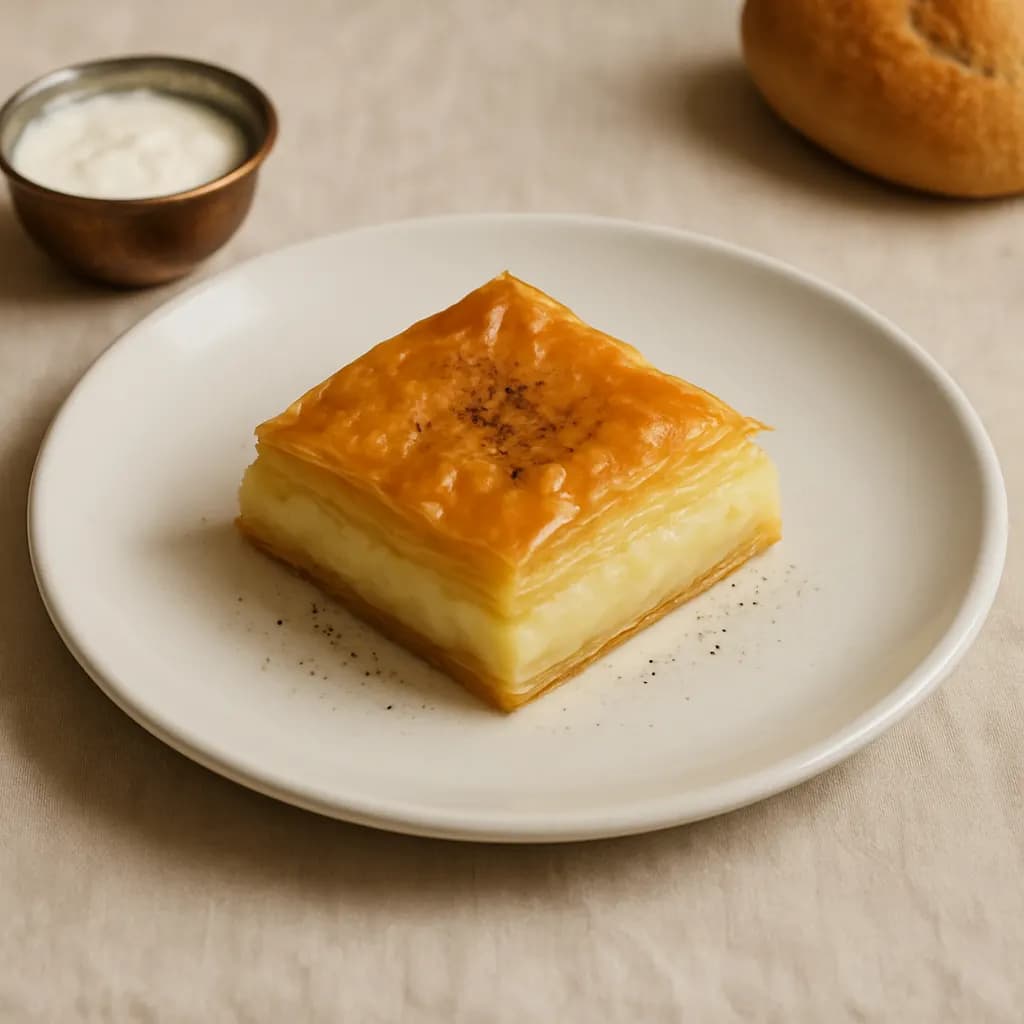
Laz Borek(Laz Böreği)
yöreselAlthough it is called a pastry, it is a dessert with milk pudding; it represents Rize's place in special occasions, and its origins are not definitively dated.
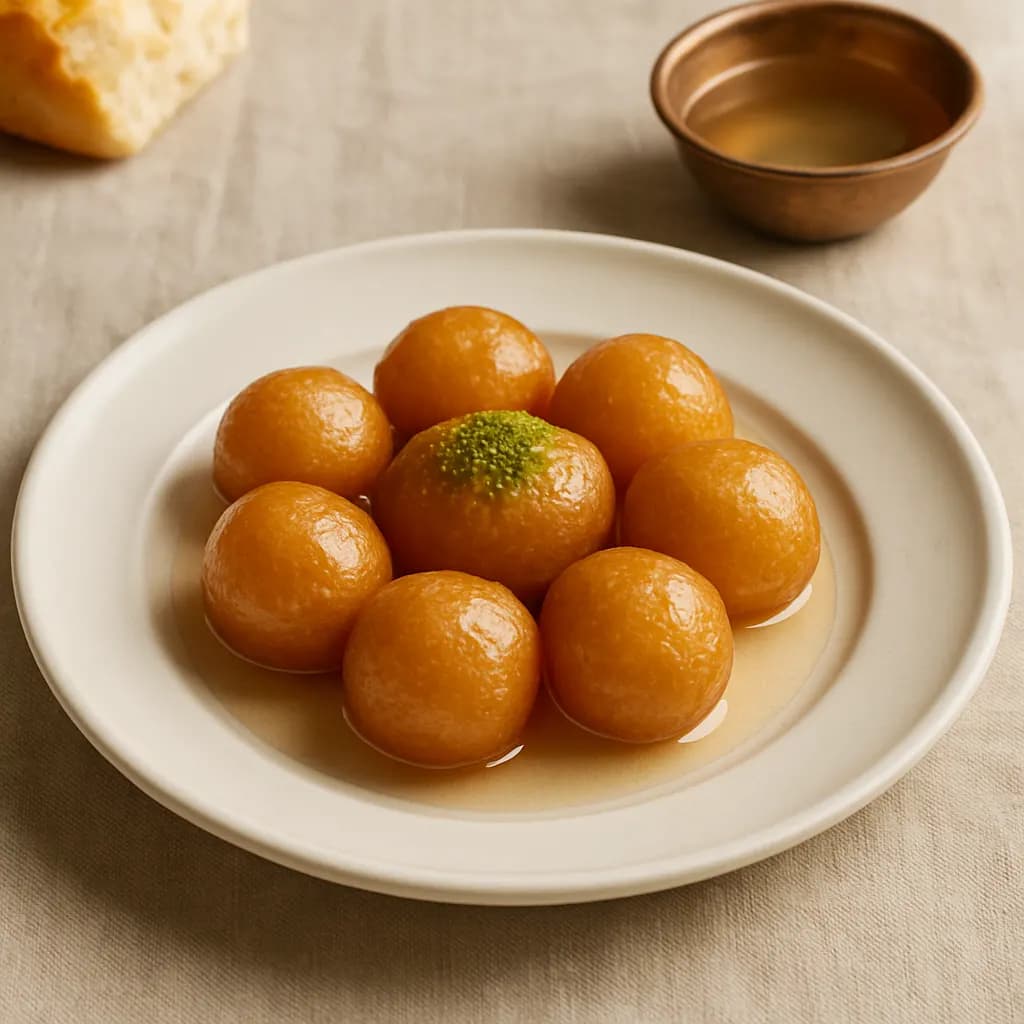
Lokma
klasikA sweet made of fried dough balls soaked in syrup; a street tradition in Izmir.
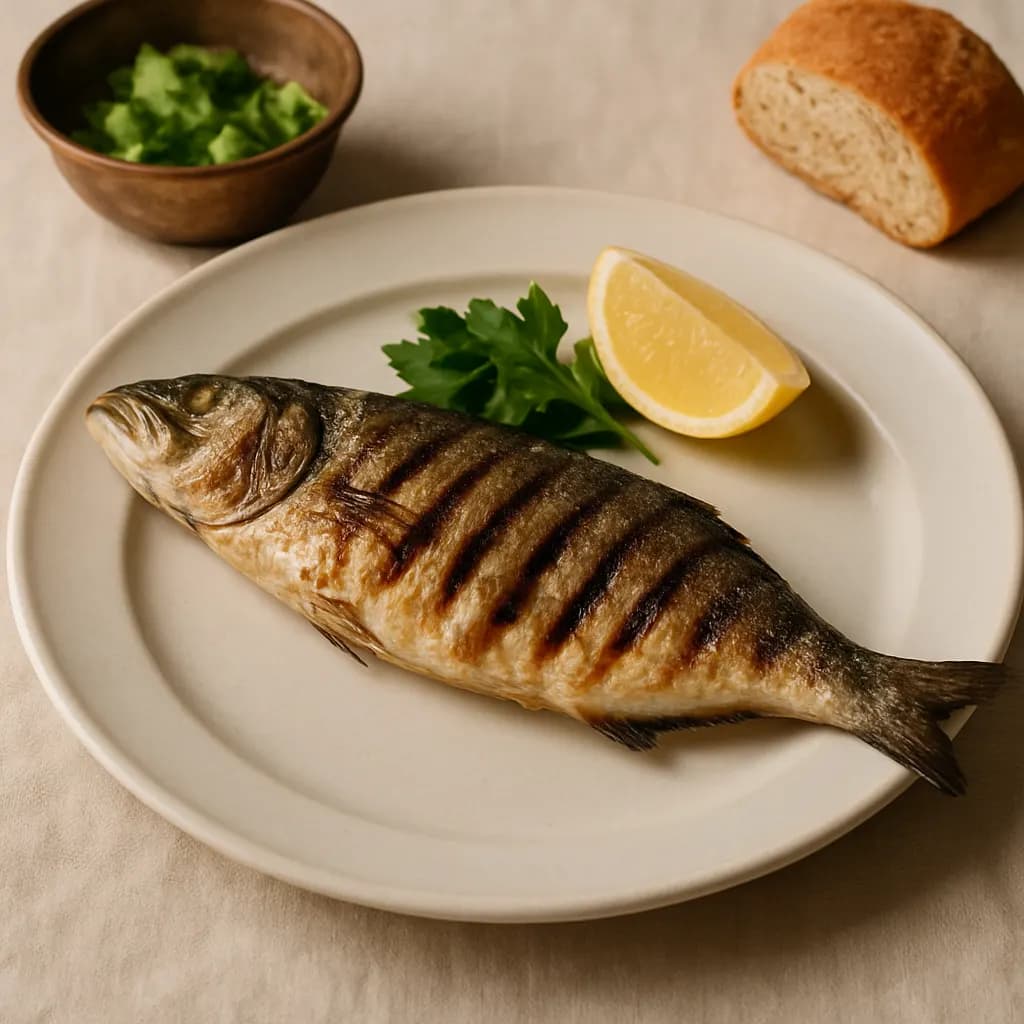
Grilled Bluefish(Lüfer Izgara)
klasikThe esteemed fish of the Bosphorus is grilled over a controlled strong fire; its season is autumn.
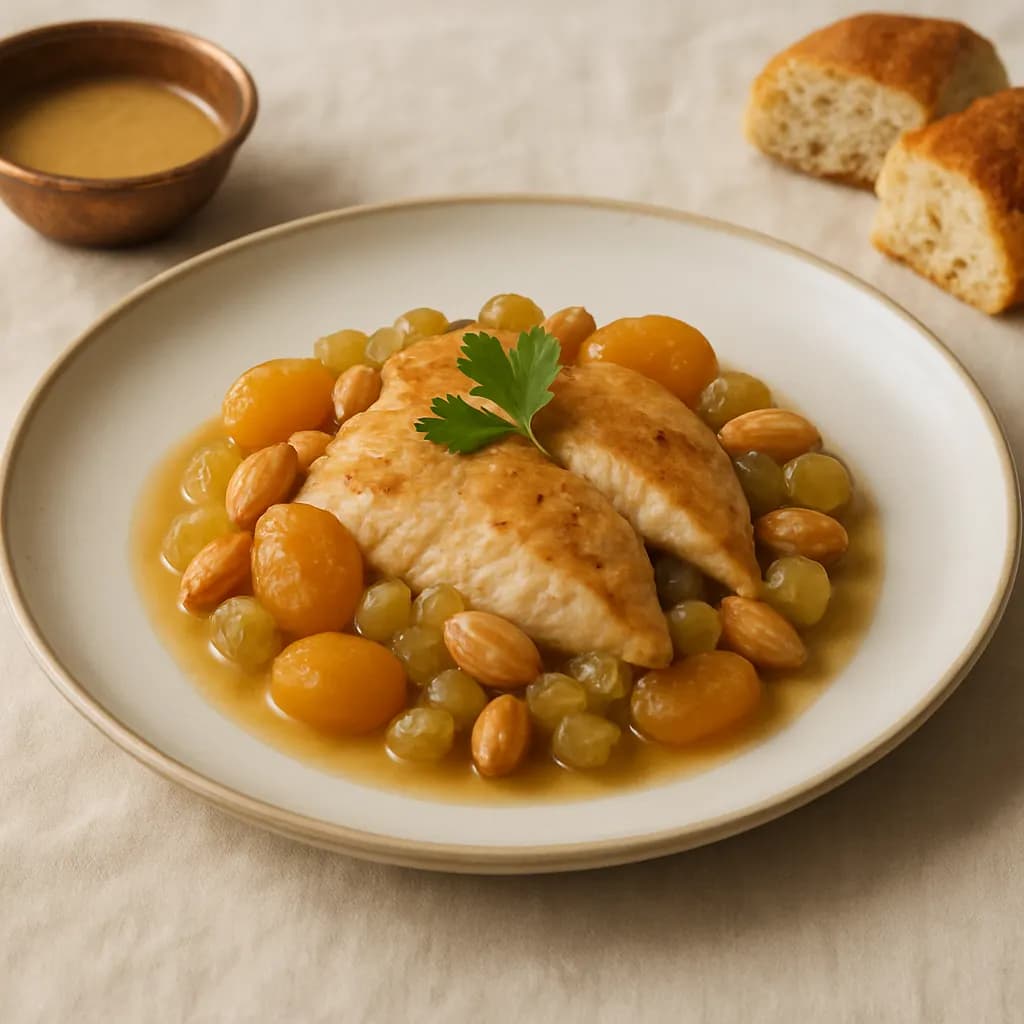
Mahmudiye
klasikA sweet-salty Ottoman dish made with chicken cooked with apricot, grape, almond, and honey; it carries on the palace kitchen's tradition of fruity meat dishes.
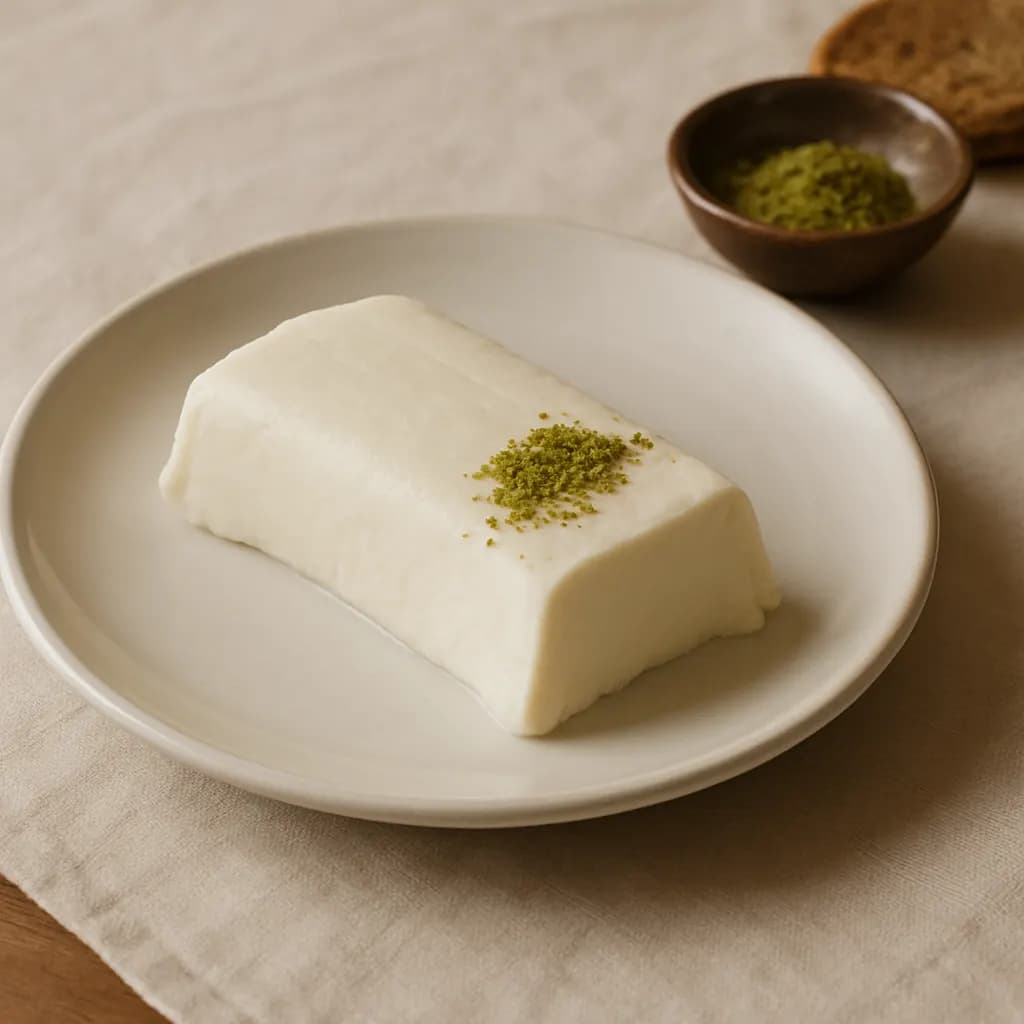
Maraş Ice Cream(Maraş Dondurması)
yöreselA certified heritage of Kahramanmaraş, characterized by a stretchy texture achieved by beating milk and salep; it can be cut with a knife.
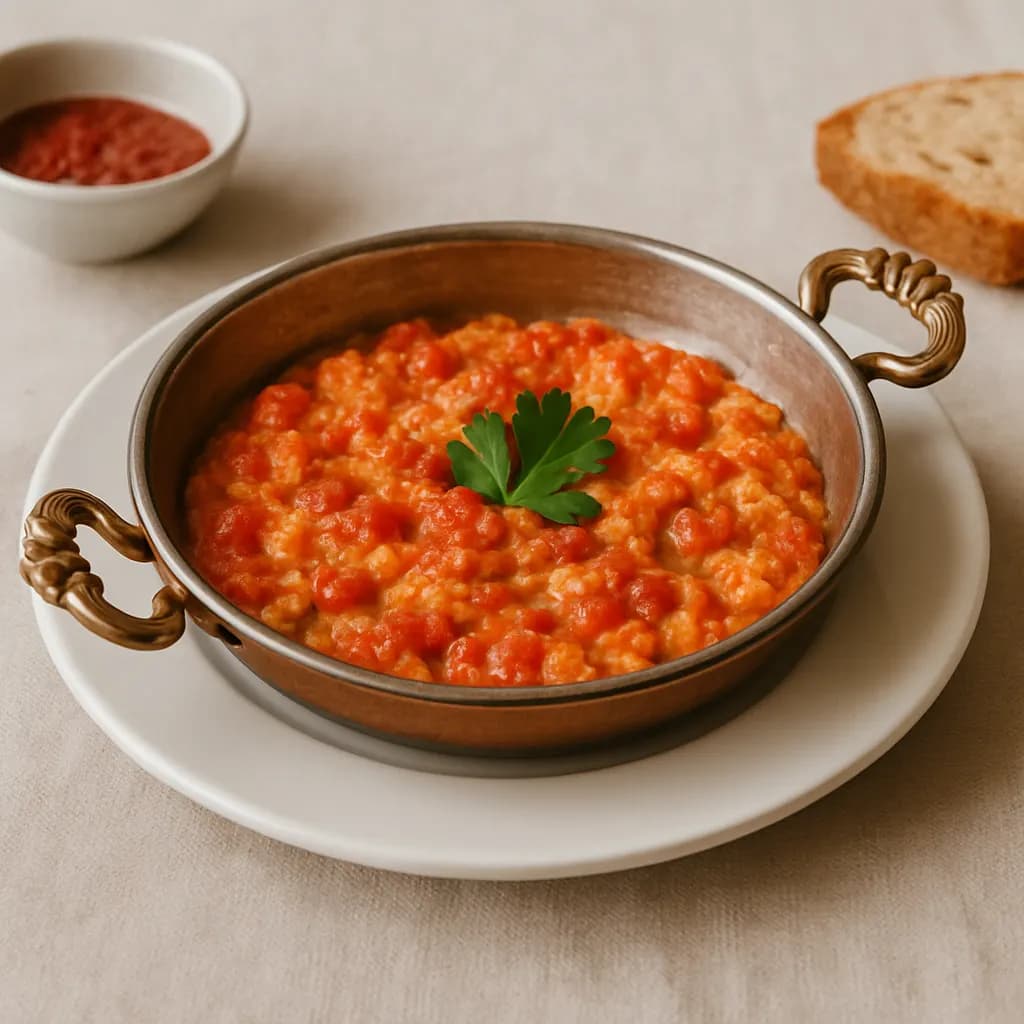
Menemen
klasikA breakfast classic where tomatoes, peppers, and eggs are cooked together; the debate over the inclusion of onions cannot be reduced to a single historical truth.
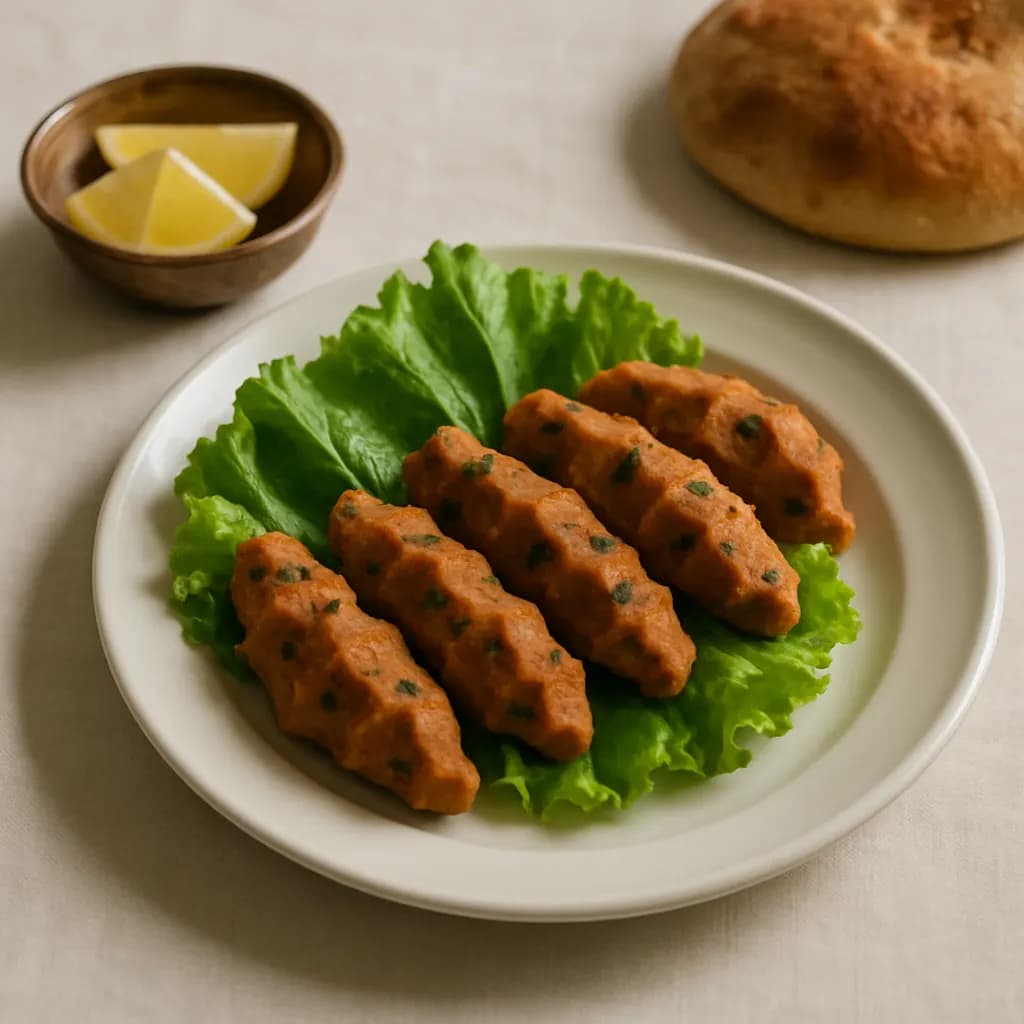
Lentil Kebab(Mercimek Köftesi)
klasikA meatless kebab made from legumes and grains, typically eaten by hand with lettuce leaves.
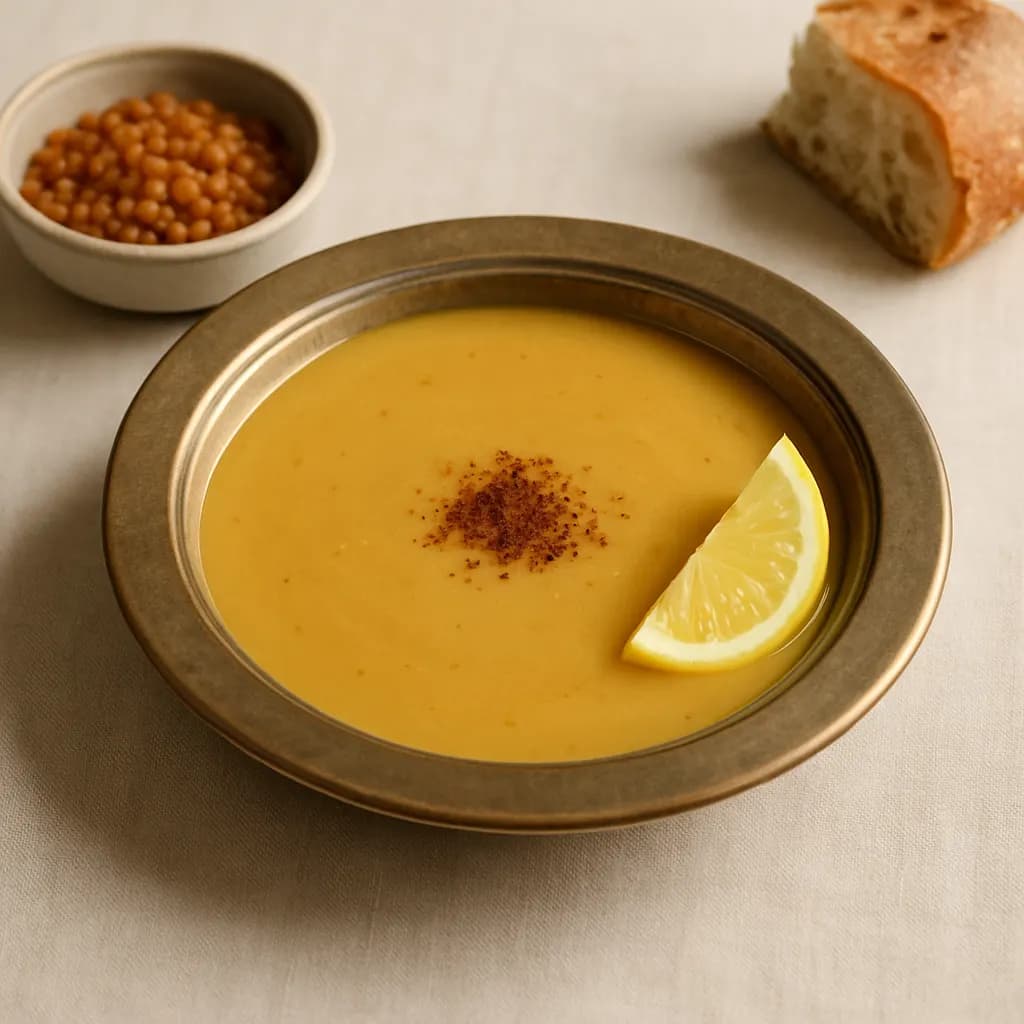
Lentil Soup(Mercimek Çorbası)
klasikA daily classic made from red lentils cooked with onion and carrot, finished with lemon. It is a common starter on tables across Turkey.
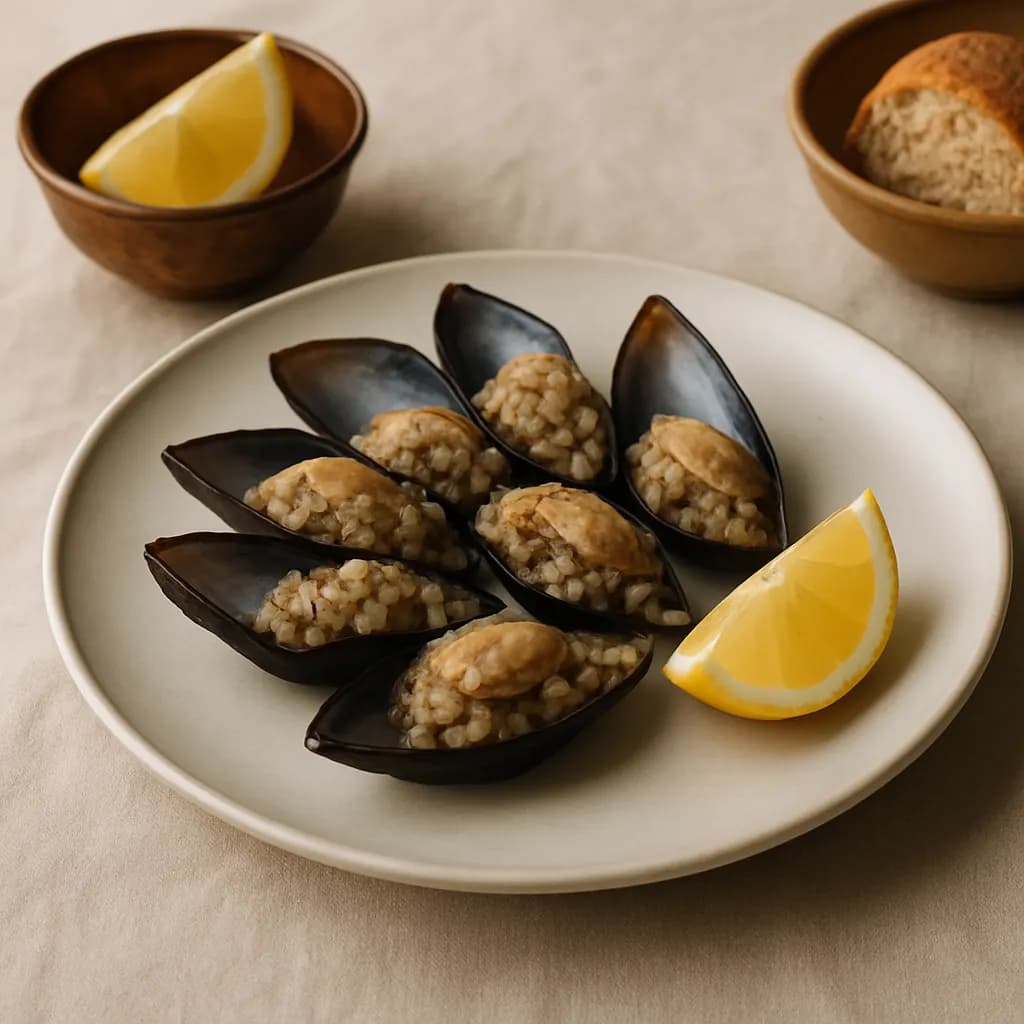
Stuffed Mussels(Midye Dolma)
klasikA classic of the coastal streets, stuffed mussels filled with rice are typically enjoyed with lemon; they are closely associated with the stalls of Izmir and Istanbul.
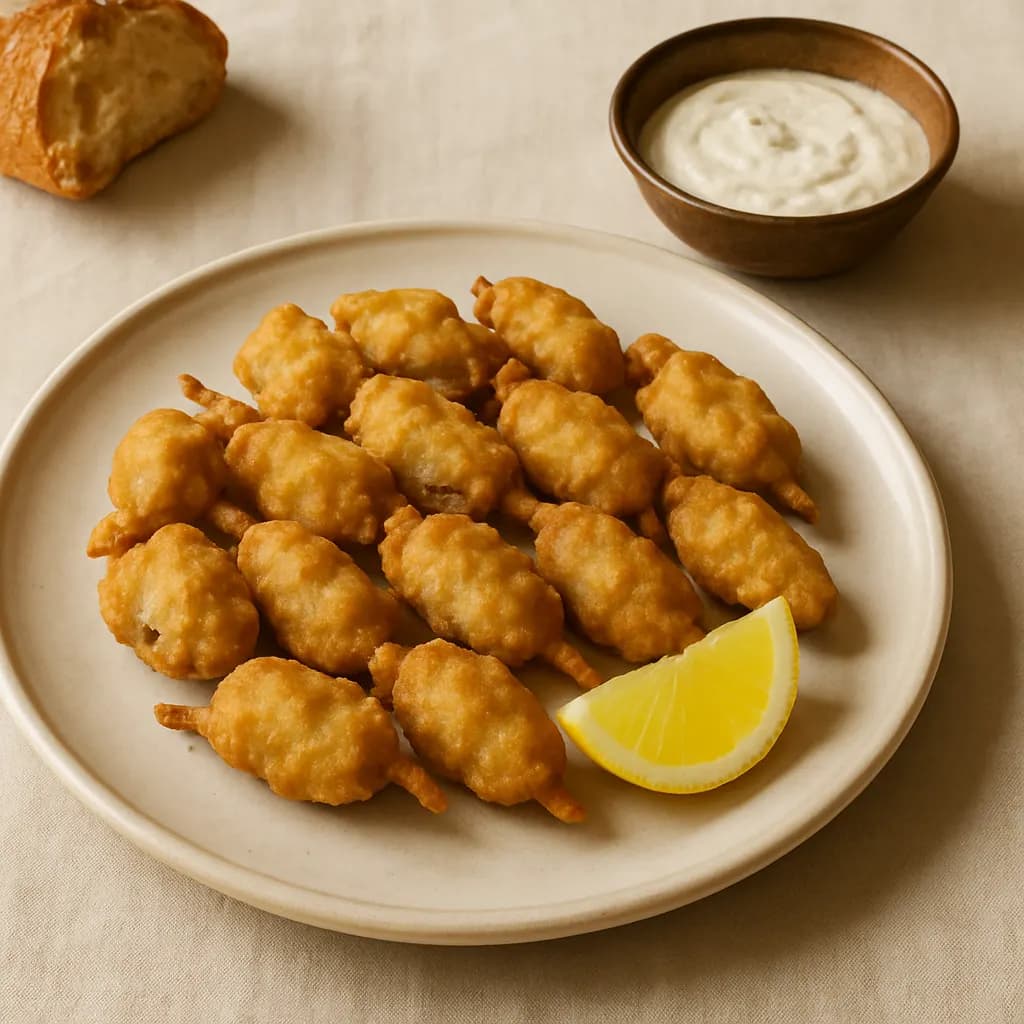
Fried Mussels(Midye Tava)
klasikMussels coated in a thin batter and fried, served with tarator sauce; a classic of coastal taverns.
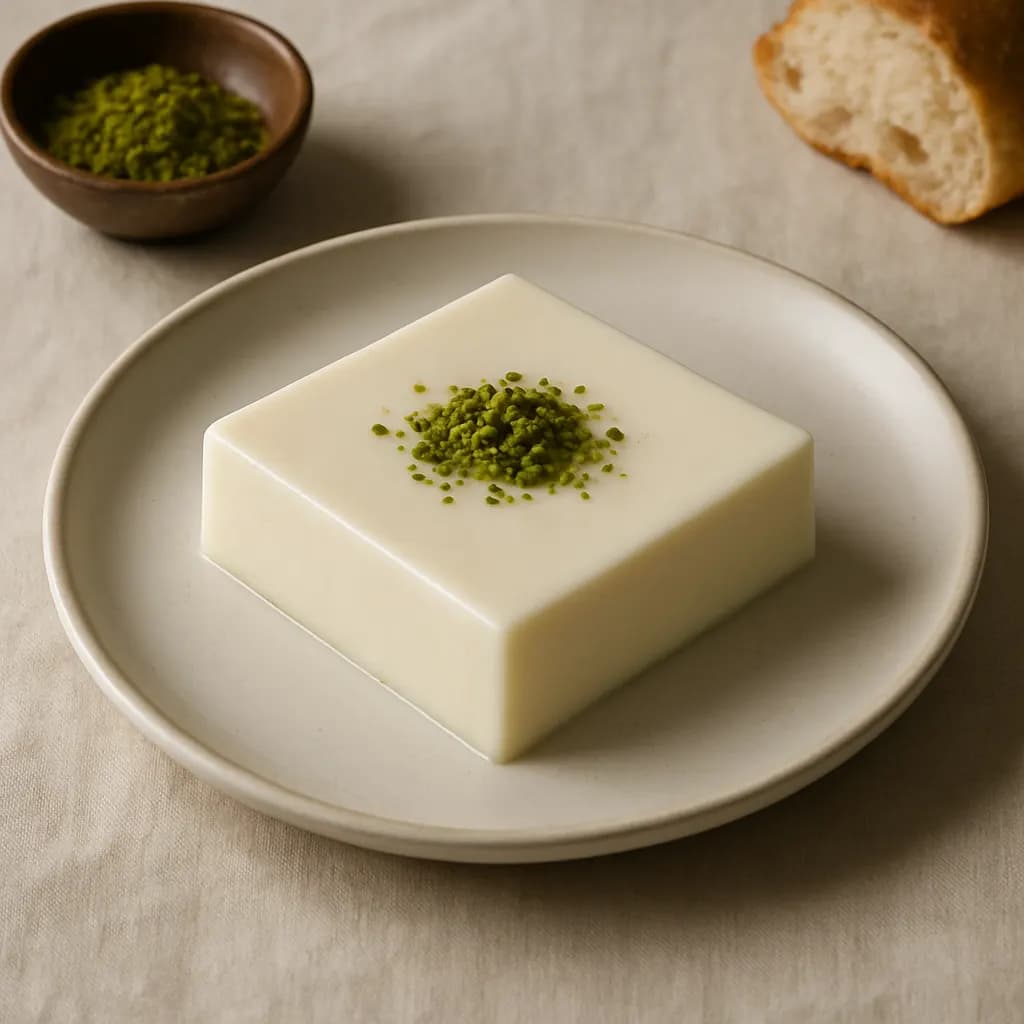
Mahalabi(Muhallebi)
klasikA spoon dessert that presents the taste of milk in its pure form; in the mastic variety, a very small amount of mastic is used.
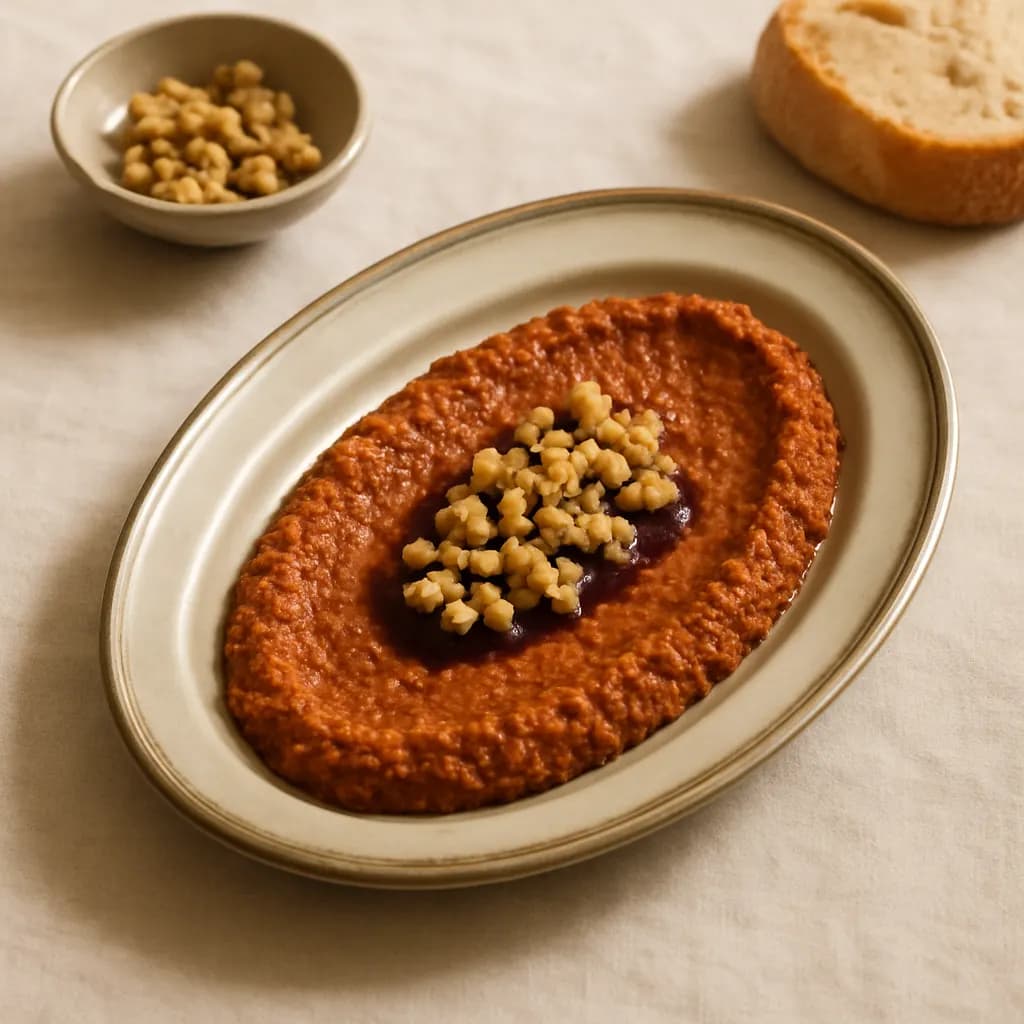
Muhammara
yöreselA thick mezze from Hatay-Aleppo made with walnuts, pepper paste, and bread crumbs; it is a close relative of the breakfast spread acuka.
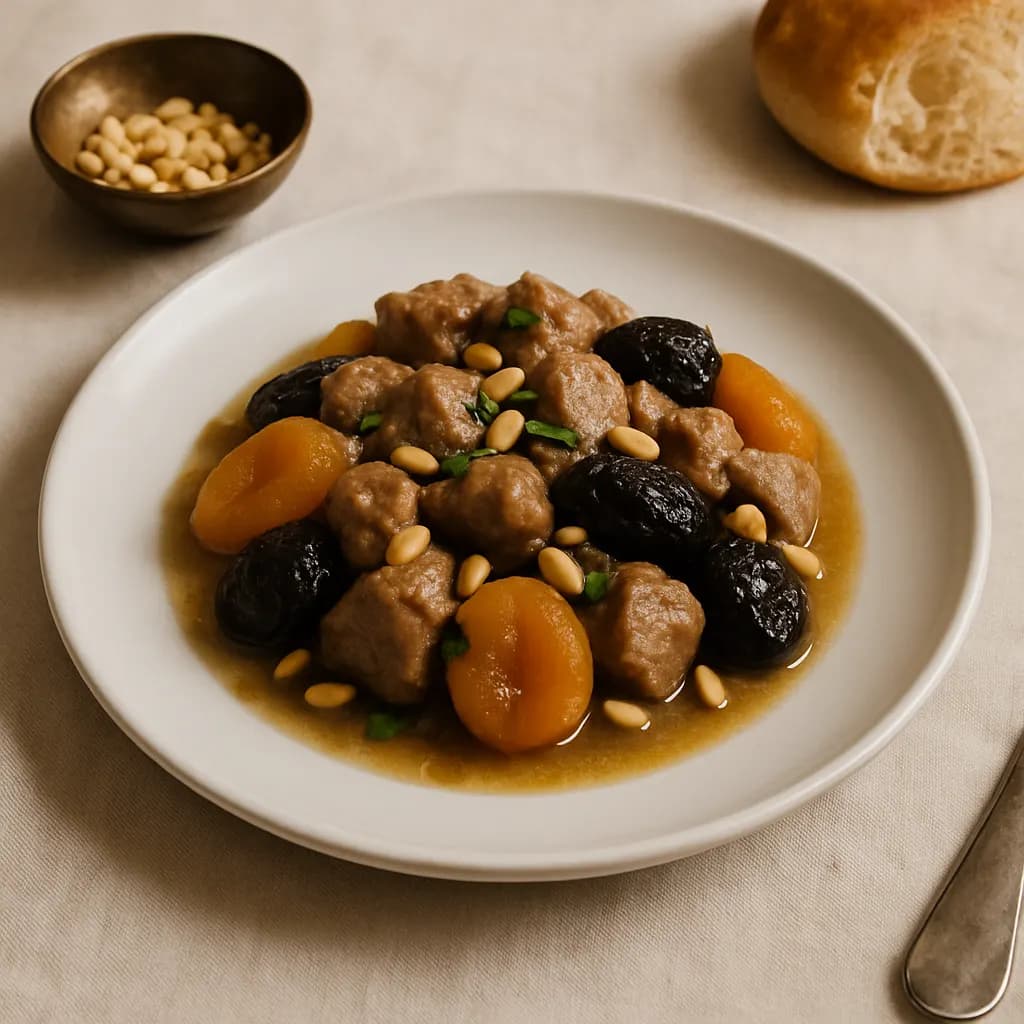
Mutancana
klasikA historical palace dish that combines meat, dried fruits, and nuts with a balance of honey; it is a relative of Mahmudiye.
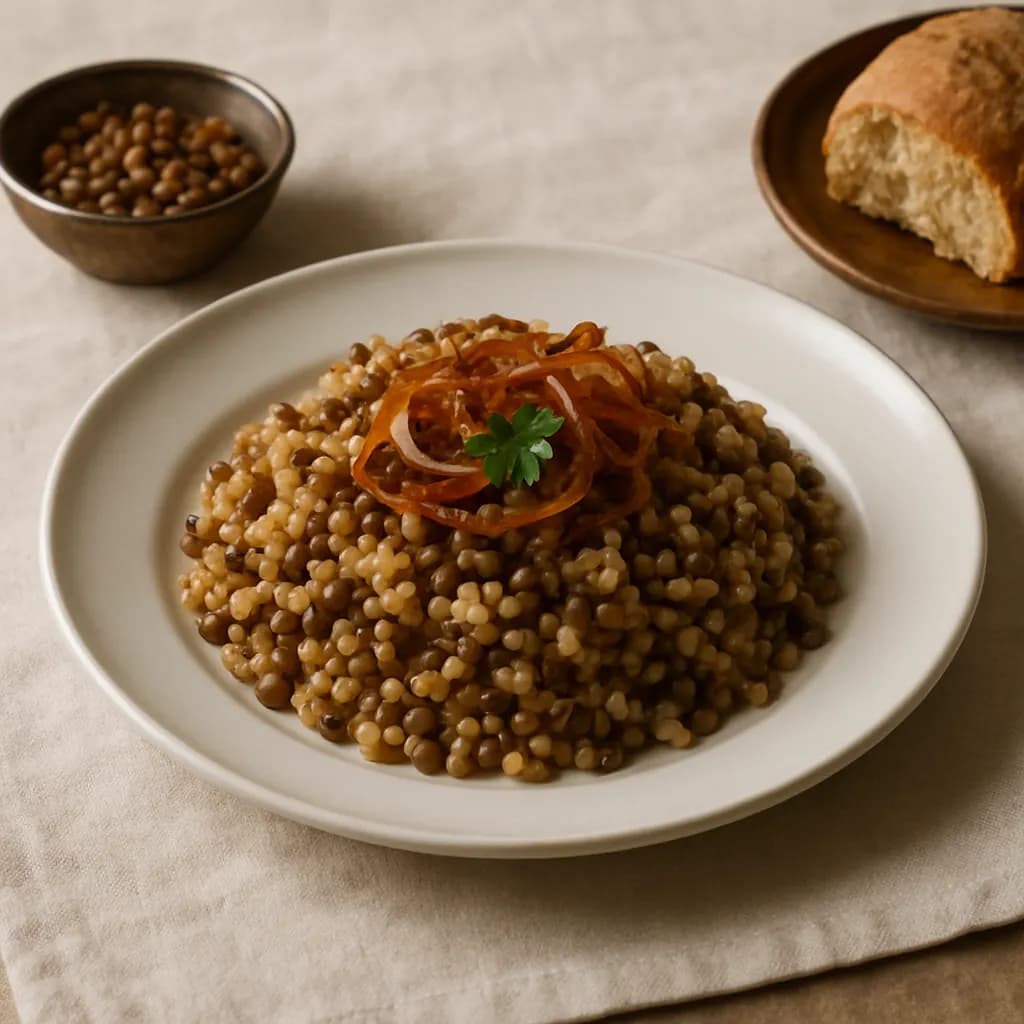
Muceddere(Müceddere)
yöreselA combination of lentils, grains, and roasted onions; a hearty, meatless rice dish from the Southeast region.
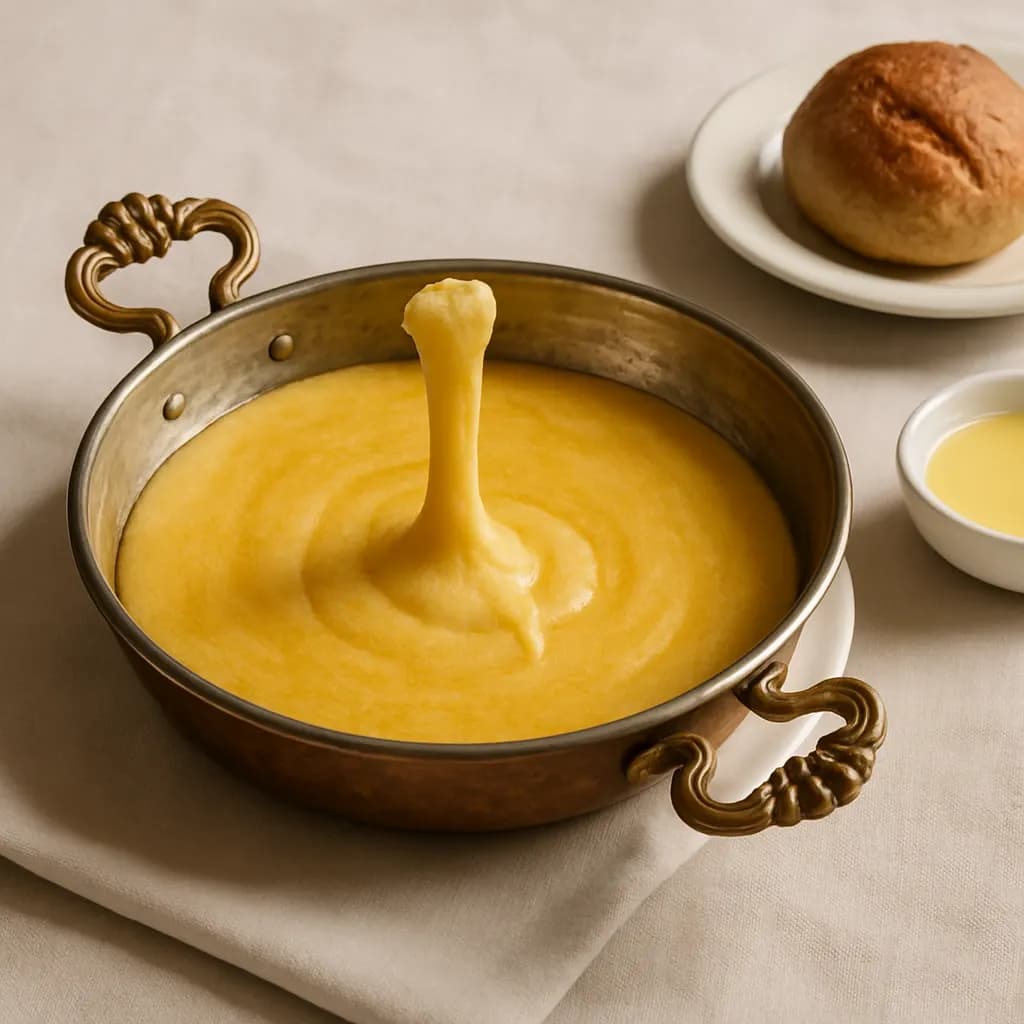
Mıhlama
yöreselA classic breakfast dish from the Eastern Black Sea region, made with cornmeal, butter, and stringy fresh cheese cooked in a copper pan. The quality of the mountain butter is essential to the dish.
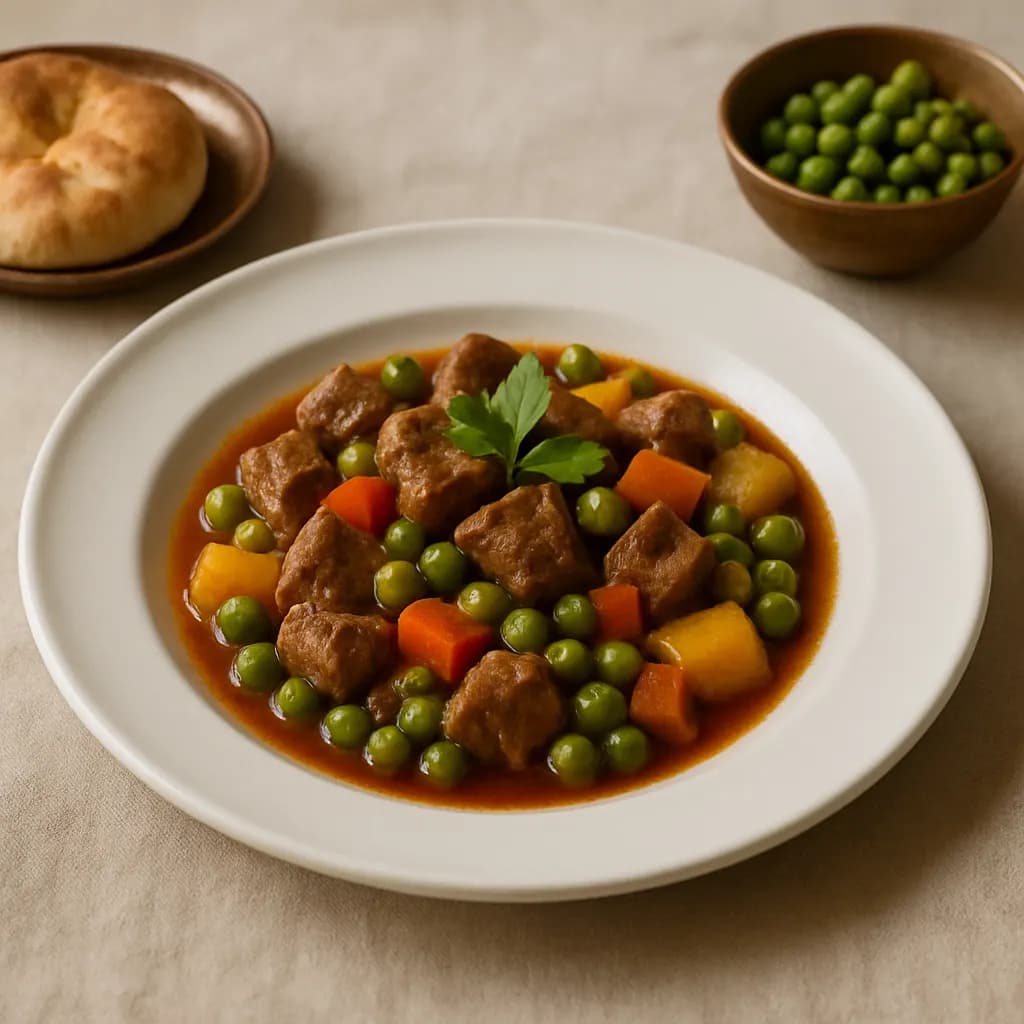
Forest Kebab(Orman Kebabı)
modernA contemporary restaurant classic that combines meat, peas, and root vegetables; a historical connection to game hunting cannot be established from its name.
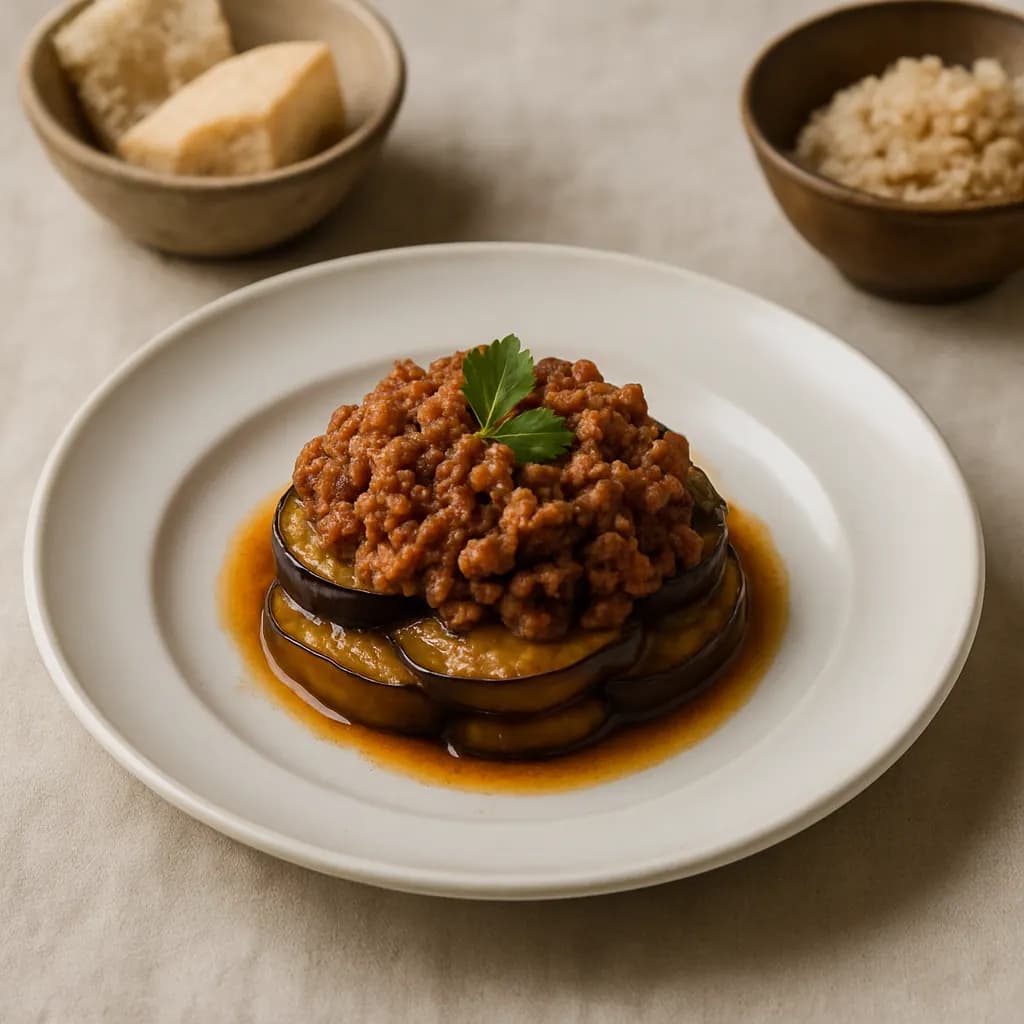
Oturtma
klasikA home-cooked dish where minced meat is placed on top of vegetable slices and cooked; the version with eggplant is the most common.
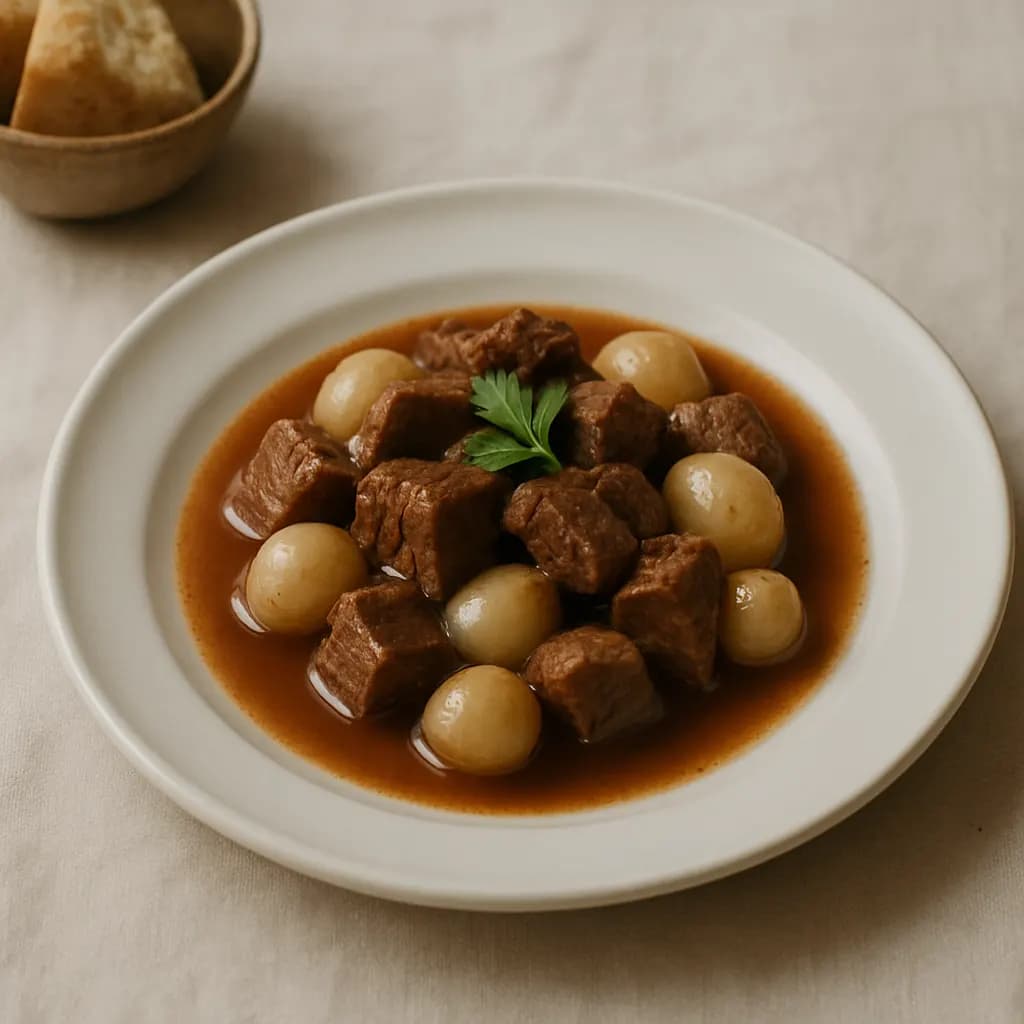
Papaz Yahnisi
klasikA historical stew defined by pearl onions, garlic, and vinegar; the name is old but does not refer to a single unchanging list of ingredients.
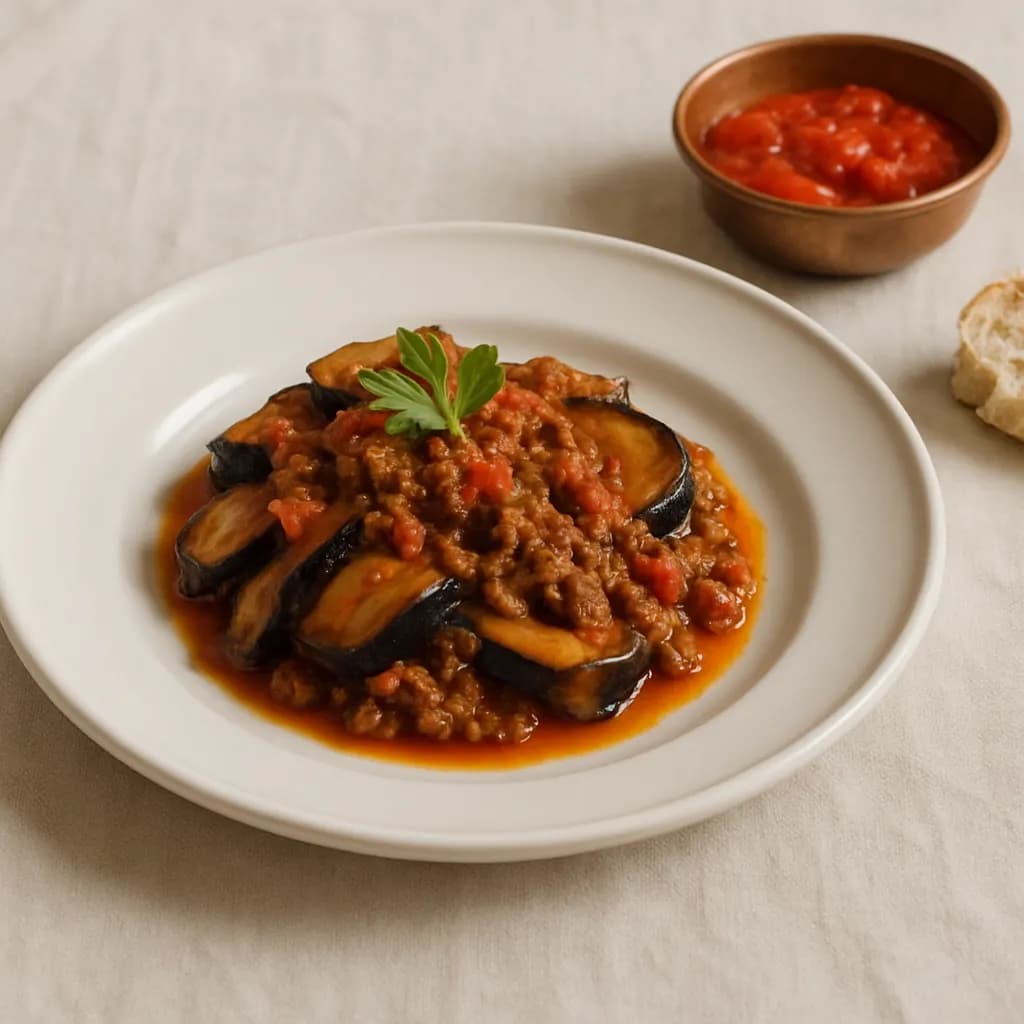
Eggplant Moussaka(Patlıcan Musakka)
klasikA summer classic where fried eggplant meets minced meat in tomato sauce, cooked in a pot or baked in the oven.
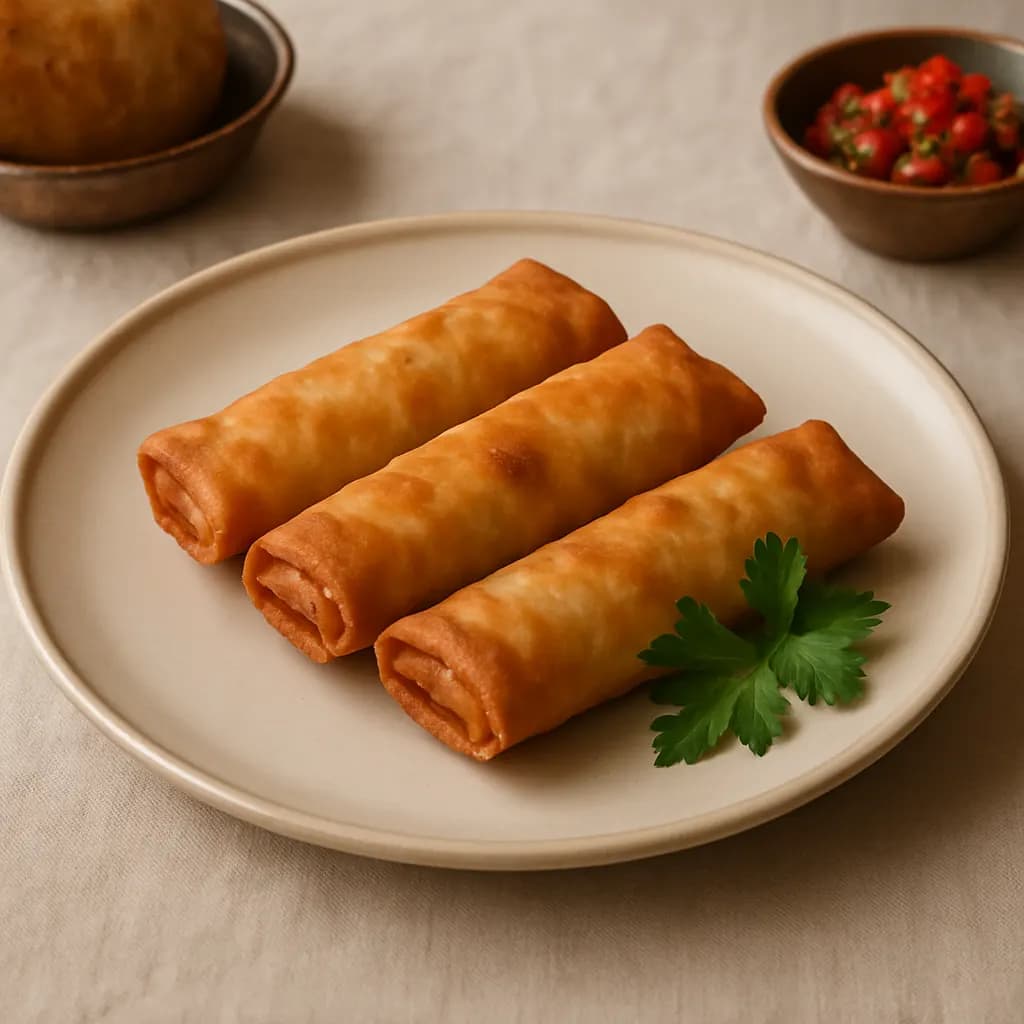
Pachanga Borek(Paçanga Böreği)
klasikA fried pastry from Istanbul filled with pastirma, cheese, and peppers.
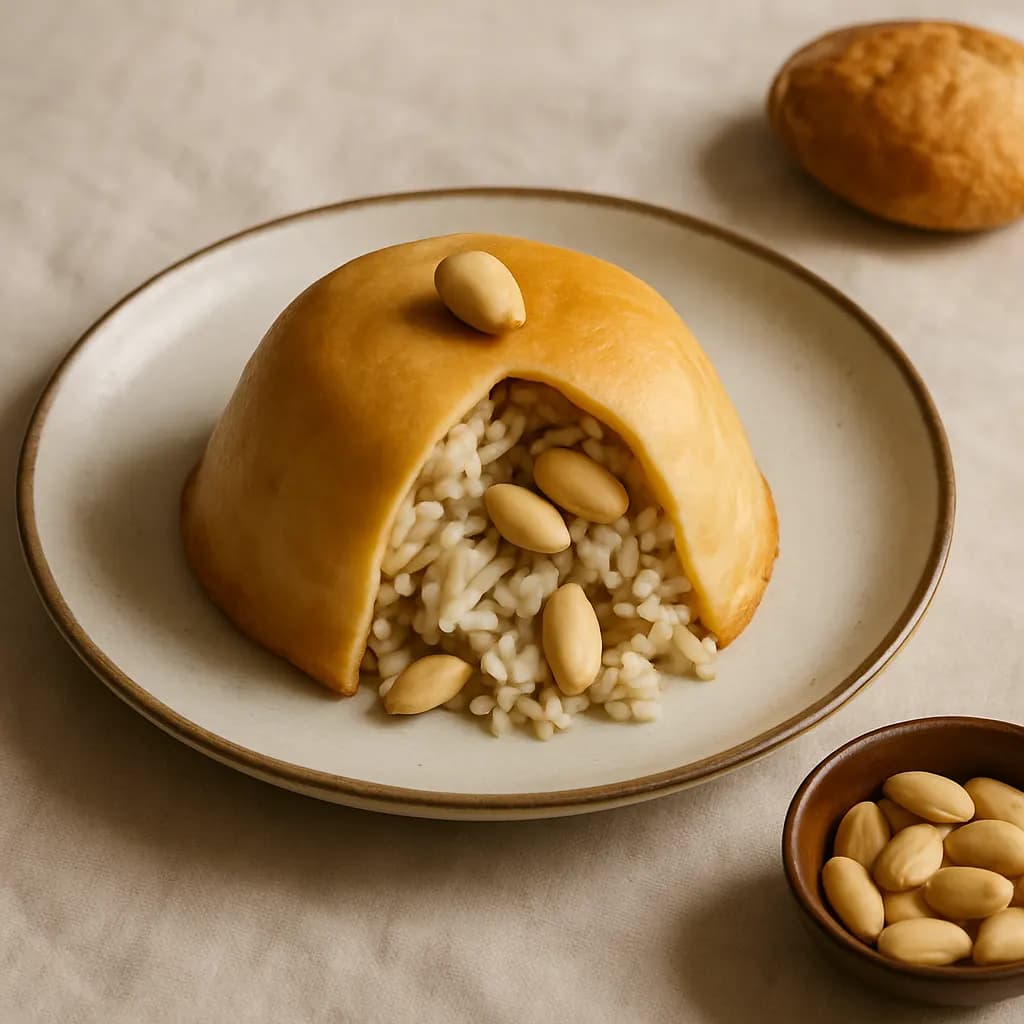
Perde Pilaf(Perde Pilavı)
yöreselA wedding dish from the Siirt region; a baked rice pilaf with almonds and chicken, enclosed in a thin pastry. Its closed form symbolizes abundance.
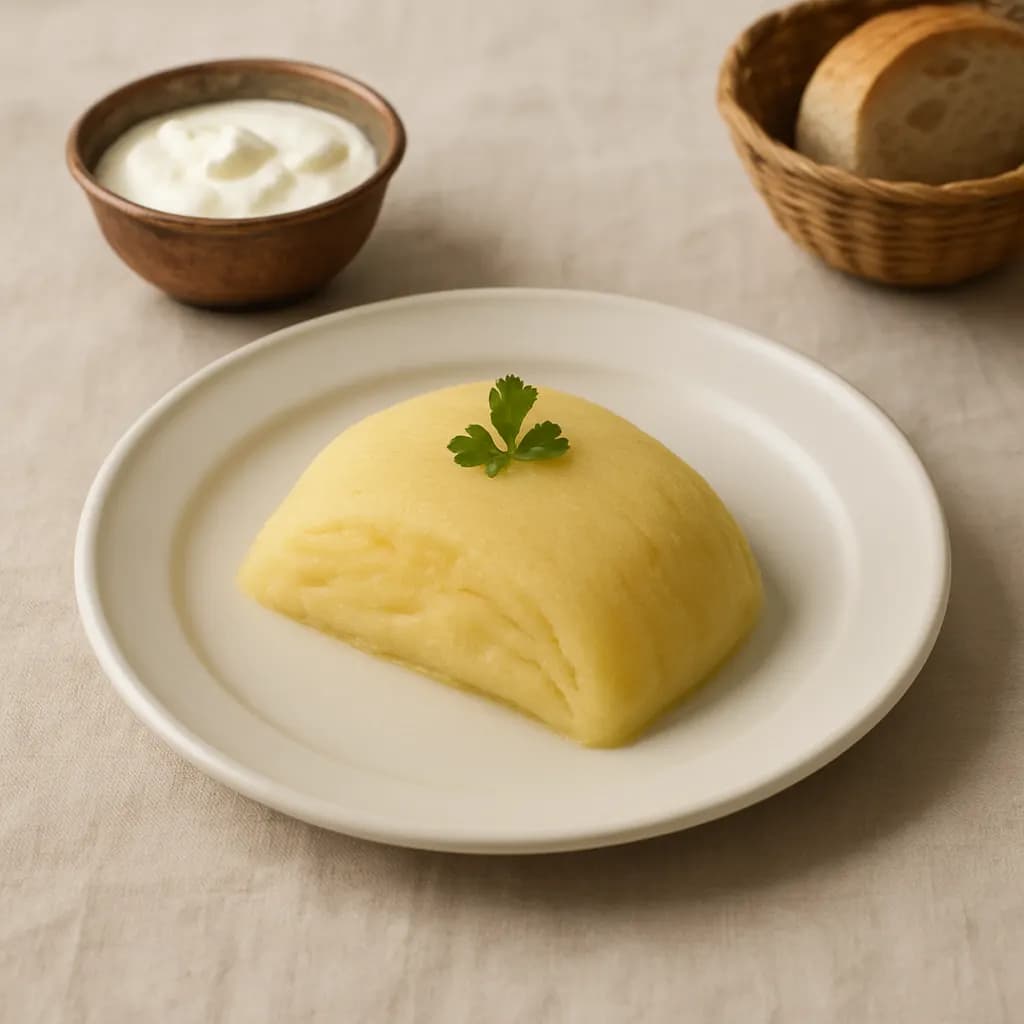
Cheese Halva(Peynir Helvası)
yöreselA Marmara dessert made by cooking fresh unsalted cheese with semolina; it is particularly strong in Tekirdağ and Çanakkale regions.
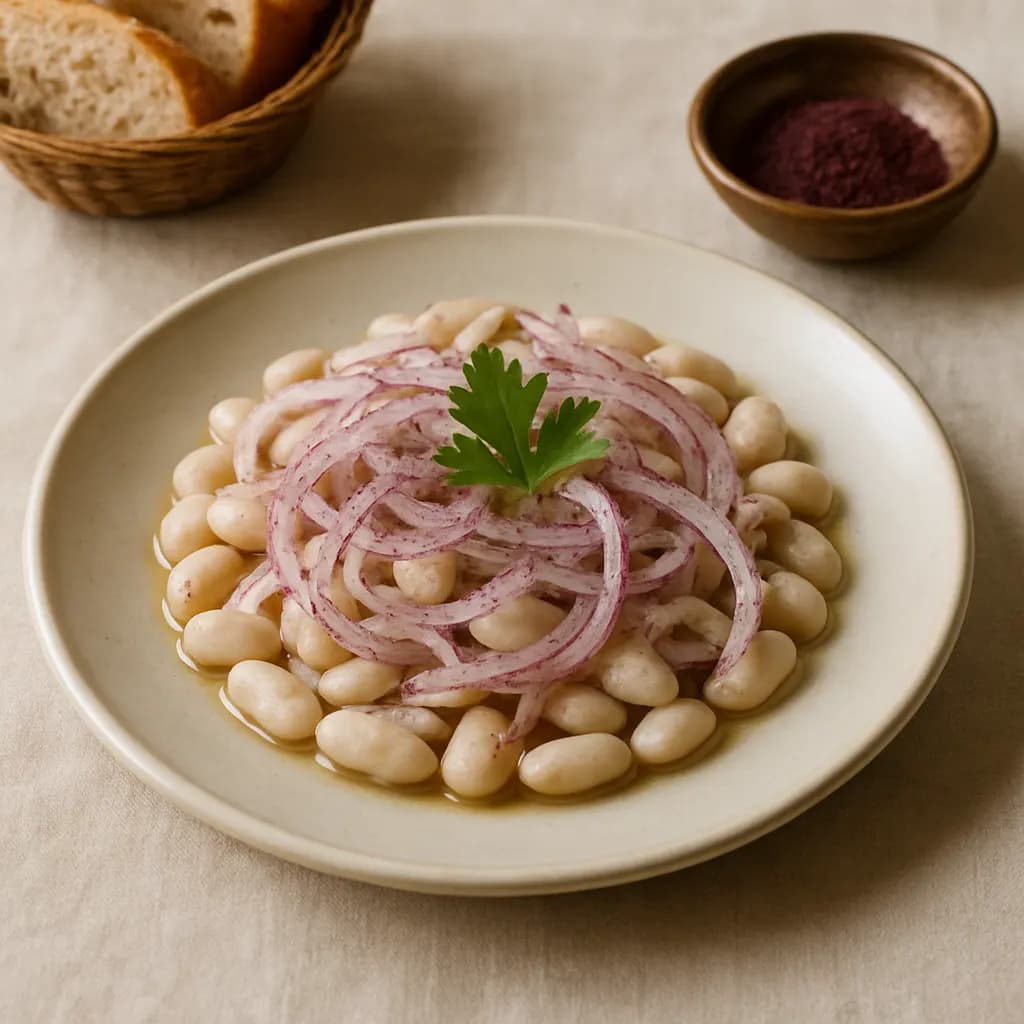
Piyaz
klasikA salad-meze made from boiled dried beans, onions, sumac, and olive oil; the tahini version from Antalya is a distinct variation.
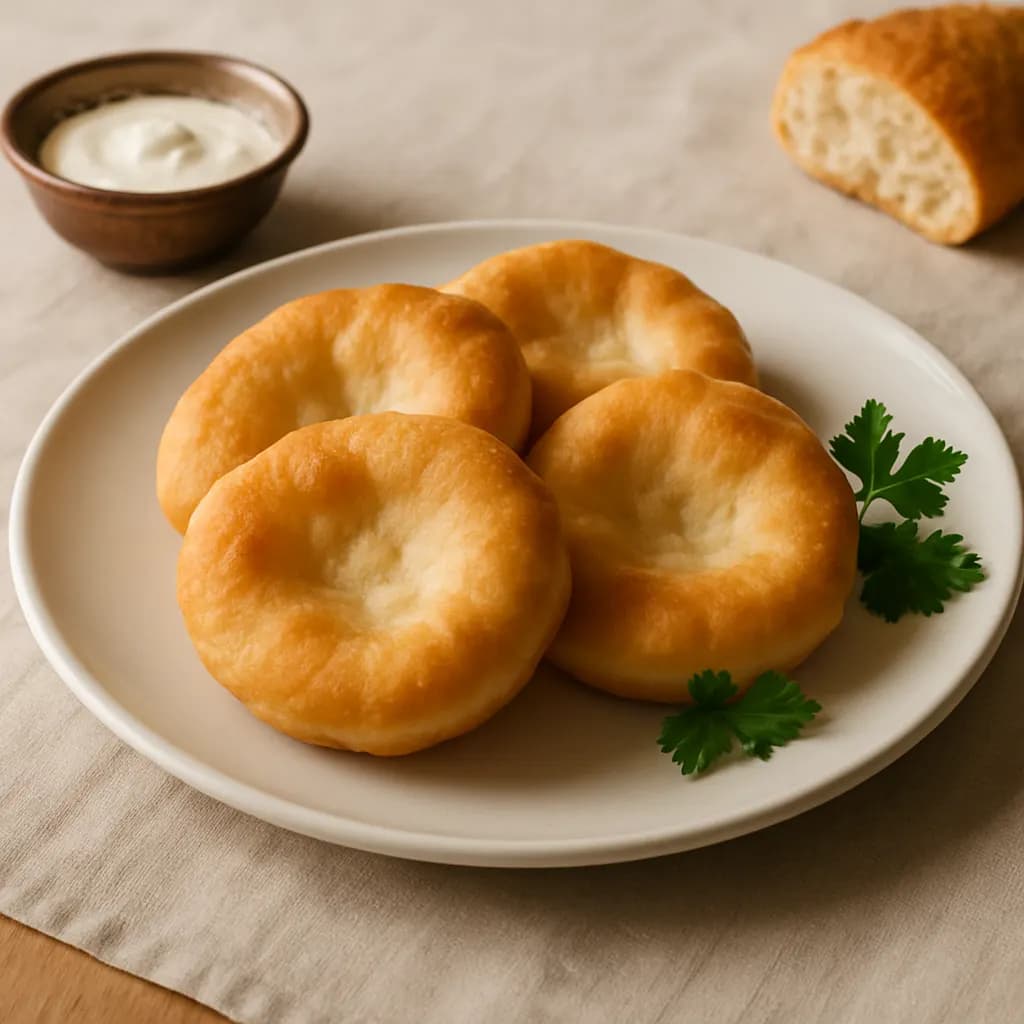
Pisi(Pişi)
klasikA fried dough made from yeast dough that puffs up in hot oil, commonly served at shared breakfast and snack tables.
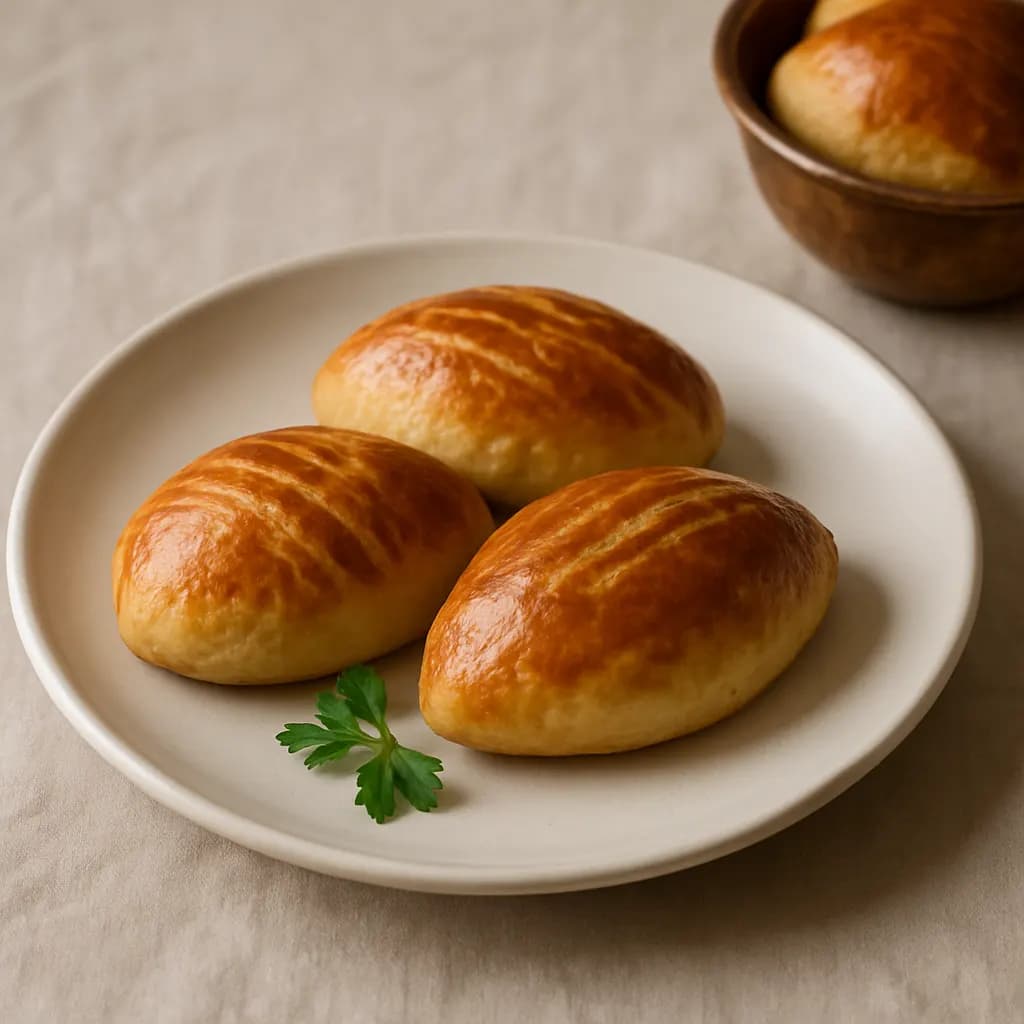
Pogaca(Poğaça)
klasikA small baked dough family, either leavened or unleavened, filled with cheese, potatoes, or olives; a common companion to breakfast, as popular as simit.
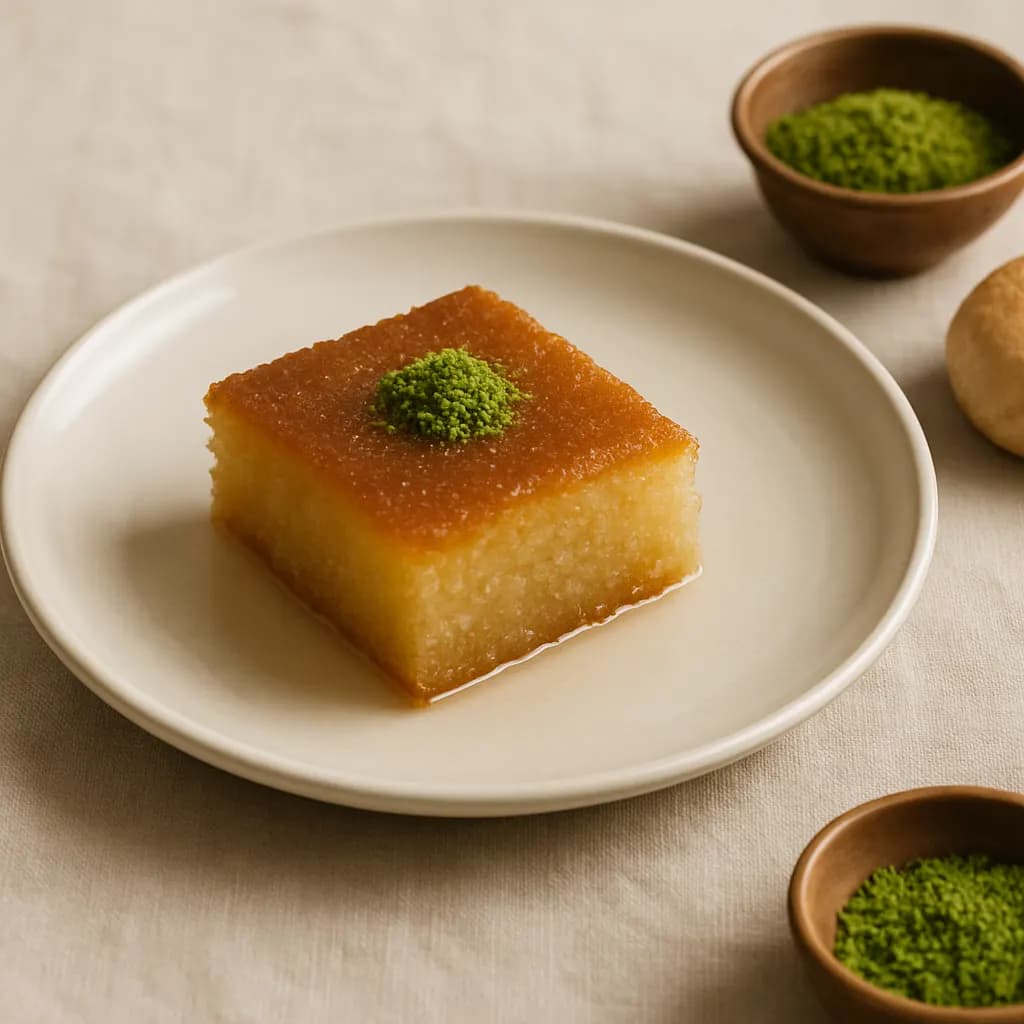
Revani
klasikA baked dessert that carries syrup thanks to its semolina body; explaining its name through campaign stories alone does not constitute a historical document.
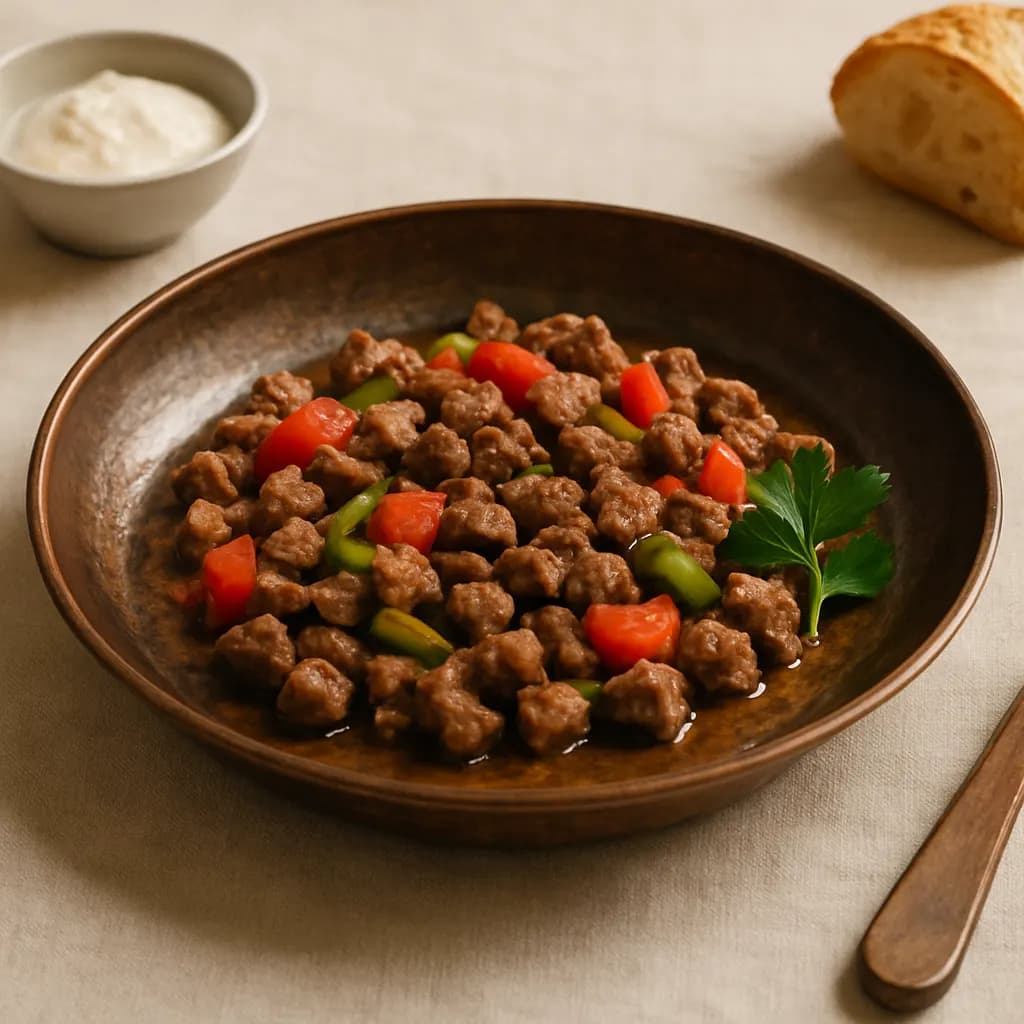
Sac Kavurma
klasikSmall pieces of meat are quickly sautéed with peppers and tomatoes on a thin iron plate; served at the table with the plate.
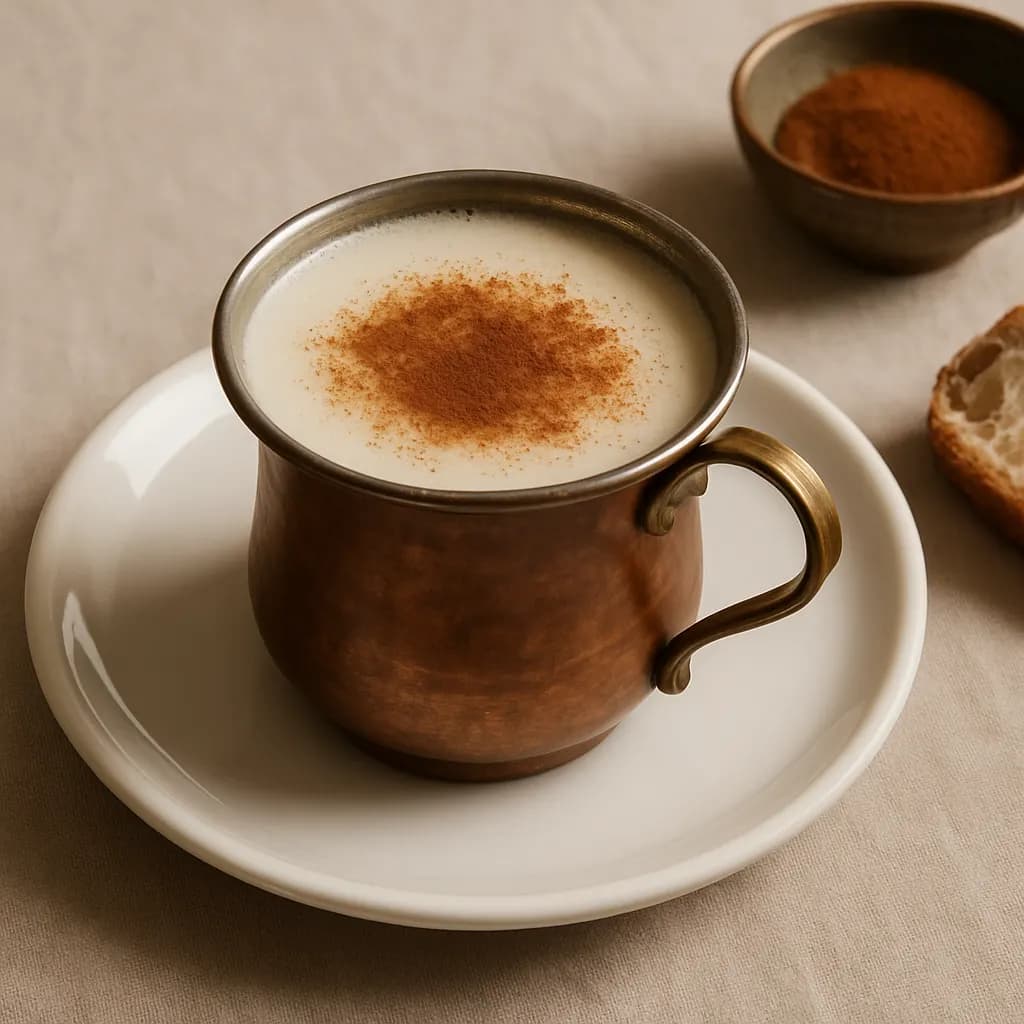
Salep
klasikA winter drink made by thickening hot milk with pure salep; powdered mixes are not the same product.
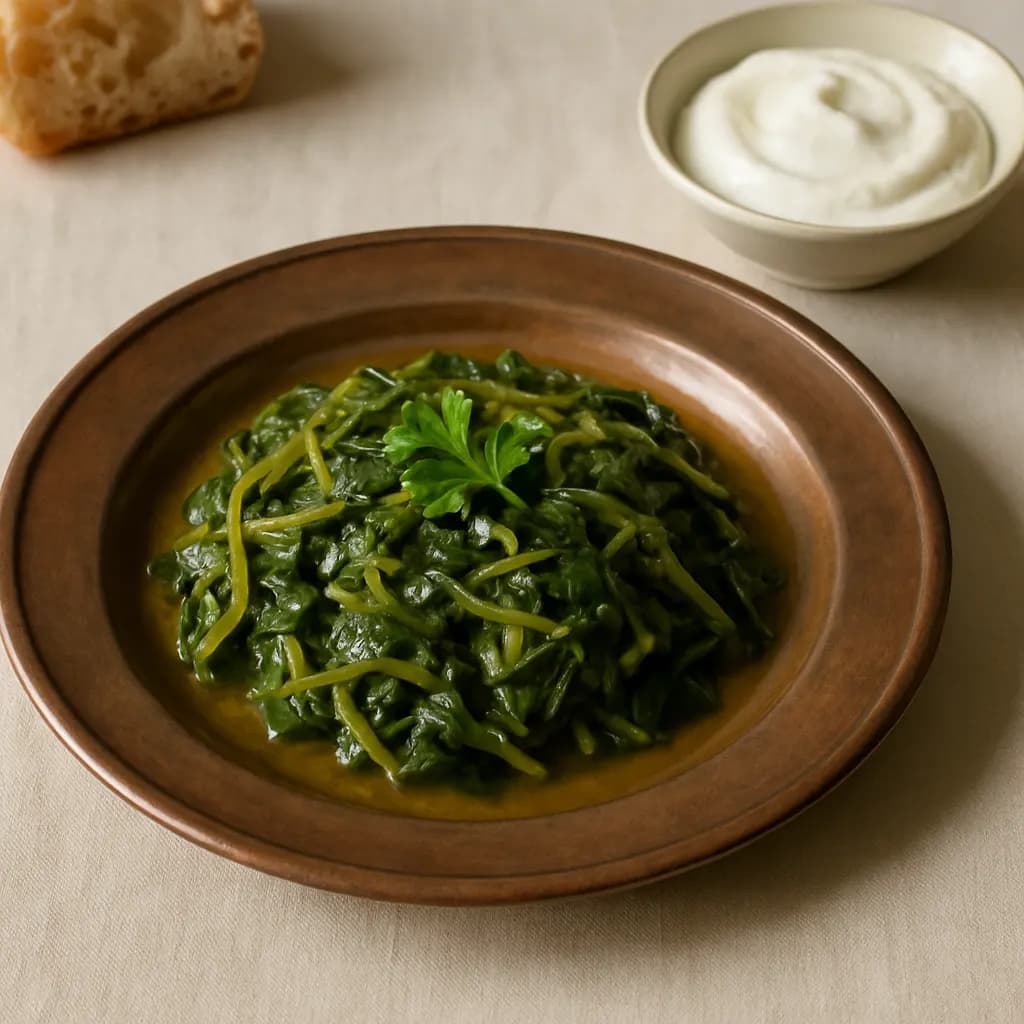
Purslane Stew(Semizotu Yemeği)
klasikA light summer dish made with purslane and served with a small amount of rice and yogurt.
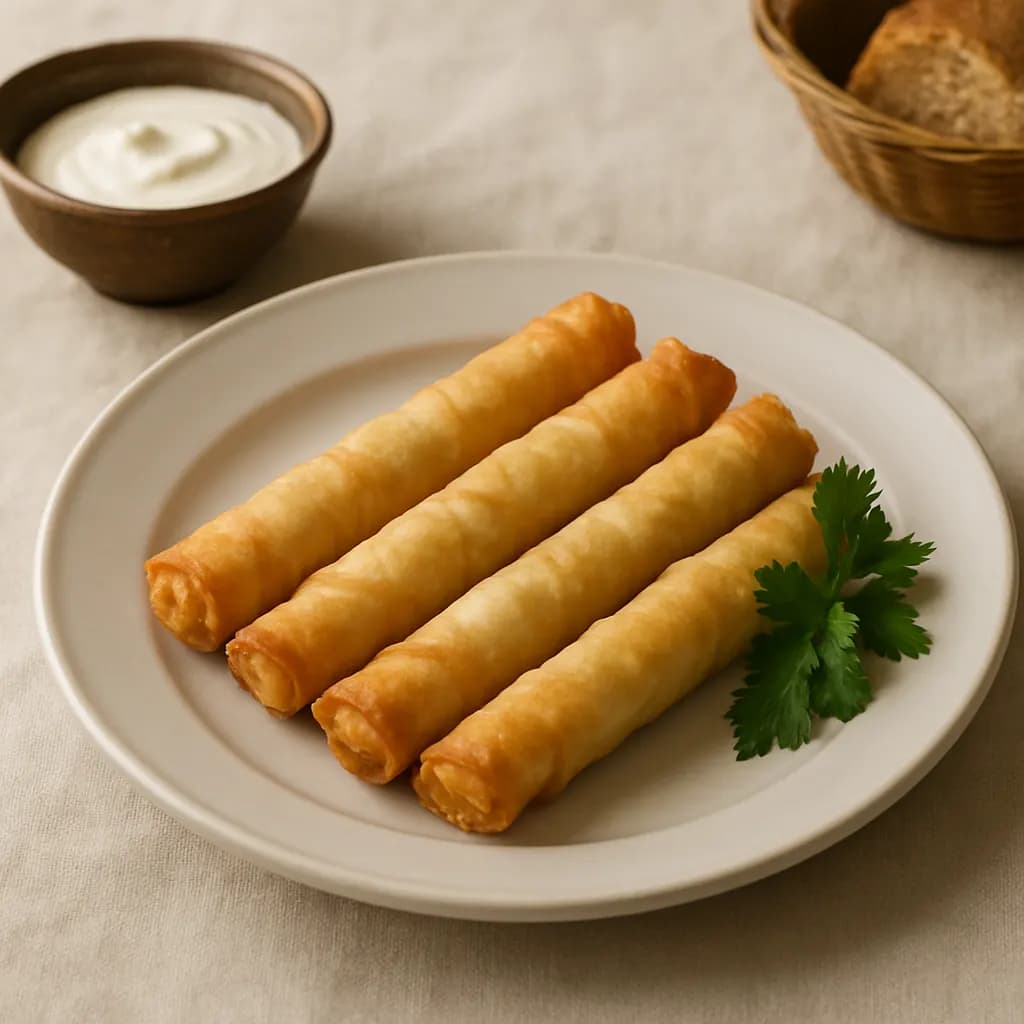
Cigarette Börek(Sigara Böreği)
klasikA crispy pastry made of thin dough rolls, usually filled with cheese, that is a staple on tables.
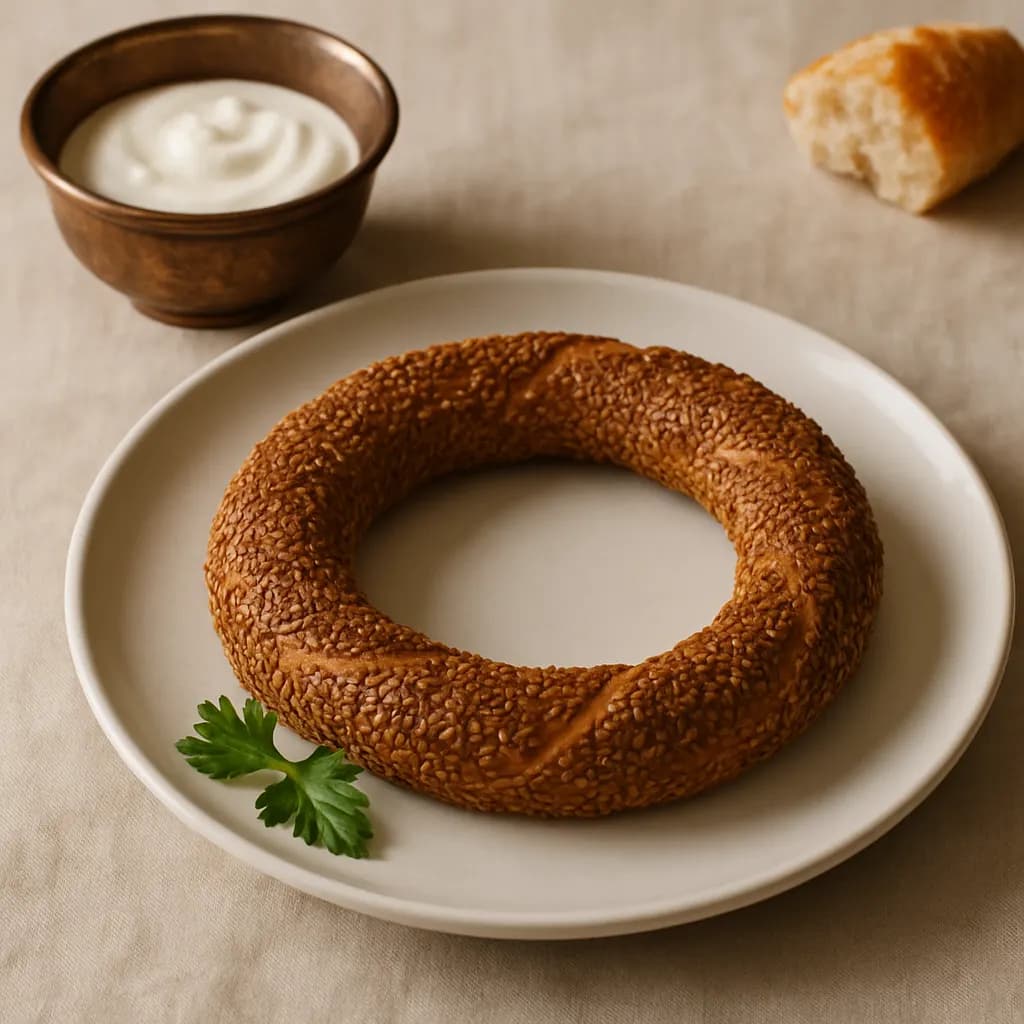
Simit
klasikA ring-shaped bread dipped in molasses and coated with sesame seeds, baked in a stone oven; it has been a staple of street breakfasts for centuries. In Istanbul, it is called simit, while in Izmir, it is known as gevrek.
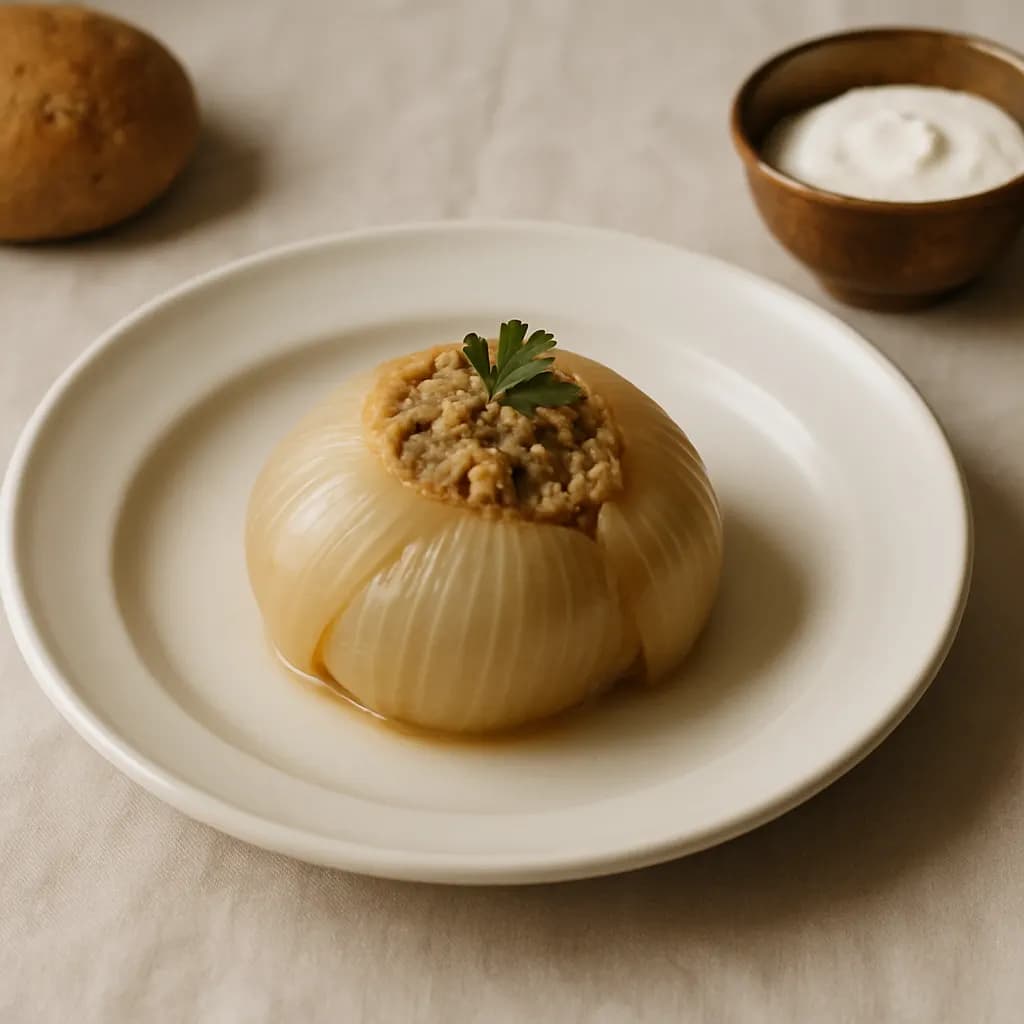
Stuffed Onions(Soğan Dolması)
yöreselA winter dish known for its labor-intensive preparation, where softened onion layers are wrapped around a filling.
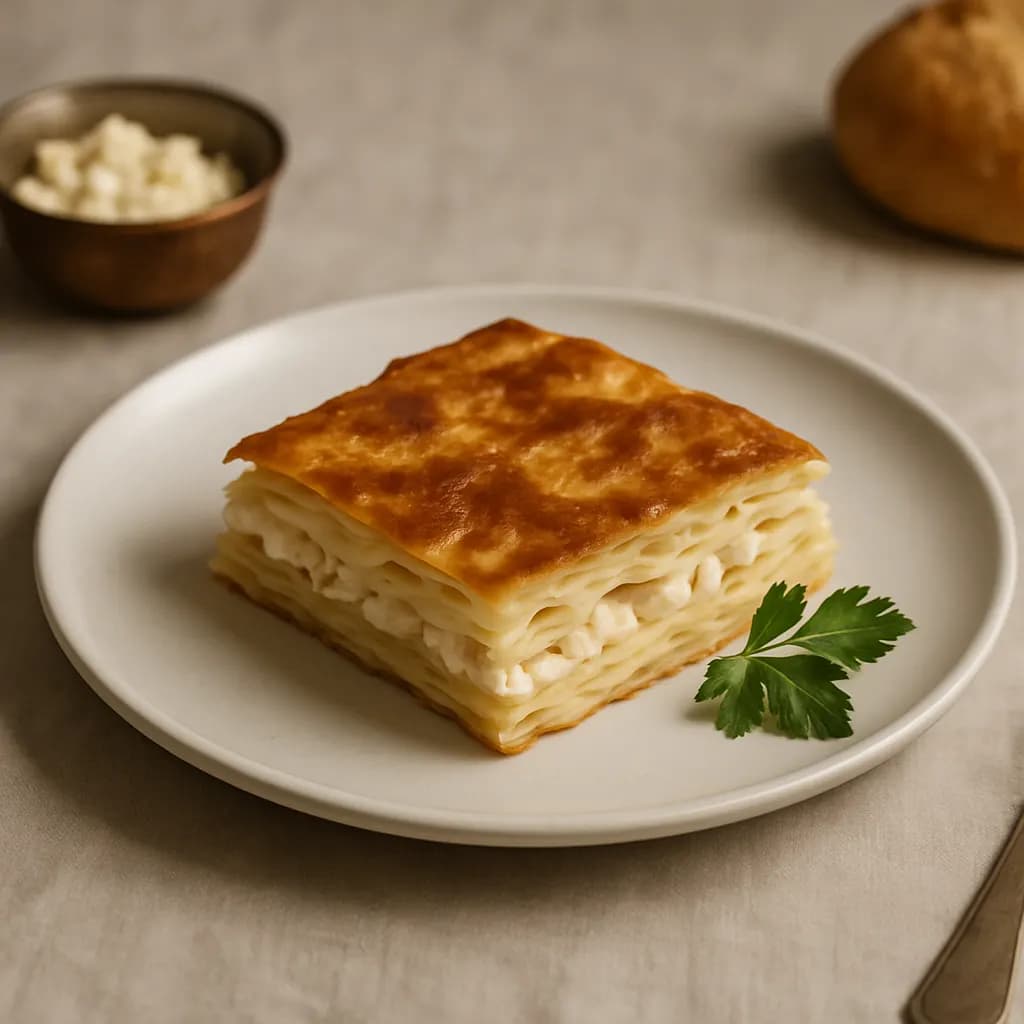
Su Böreği
klasikA labor-intensive pastry made by boiling layers of dough and then baking them with butter. It can be filled with cheese or minced meat and is a centerpiece on festive tables.
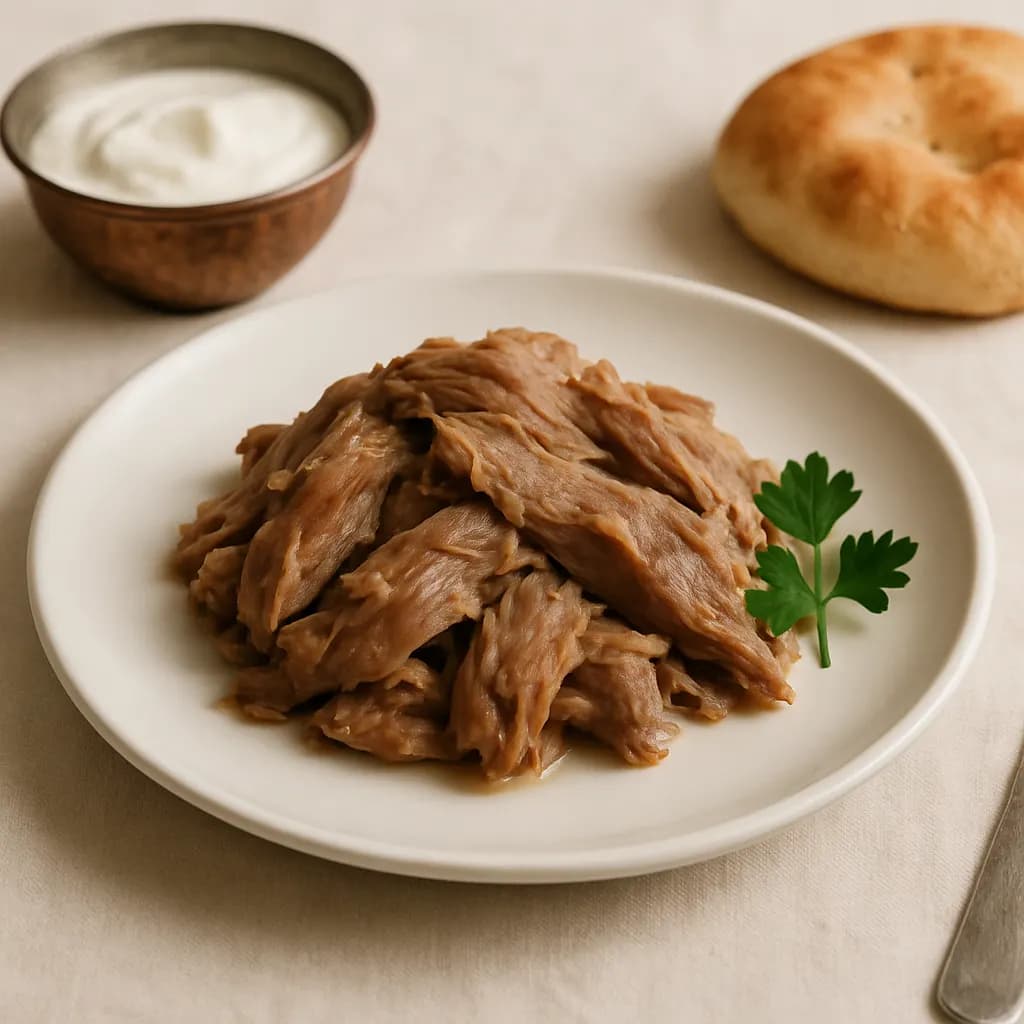
Tandoori Kebab(Tandır Kebabı)
klasikA type of meat that becomes tender over a long period in a closed and high-temperature tandoor; it is the traditional form of lamb tandoor outside the oven.
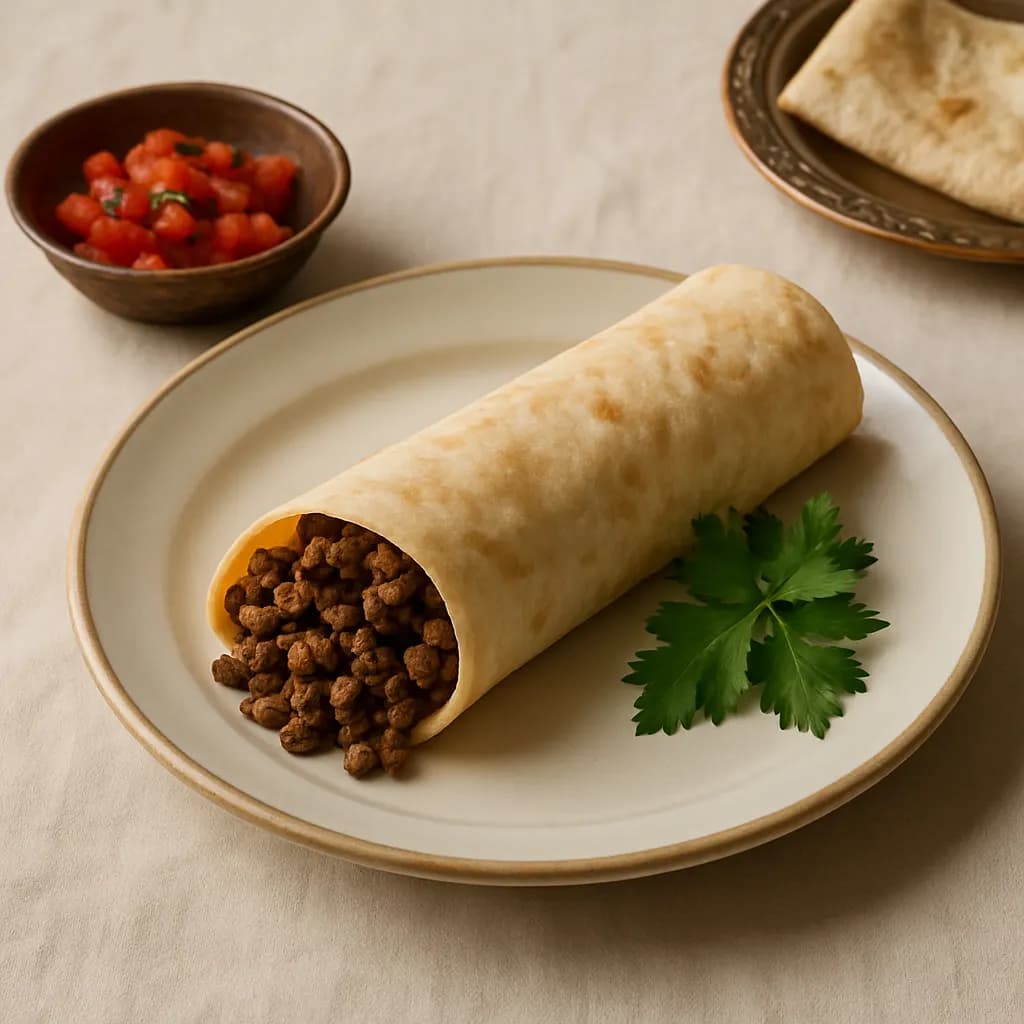
Tantuni
yöreselOriginating from Mersin; finely chopped meat quickly stir-fried on a griddle and wrapped in lavash. The heat of the oil and griddle sets the rhythm of street food flavor.
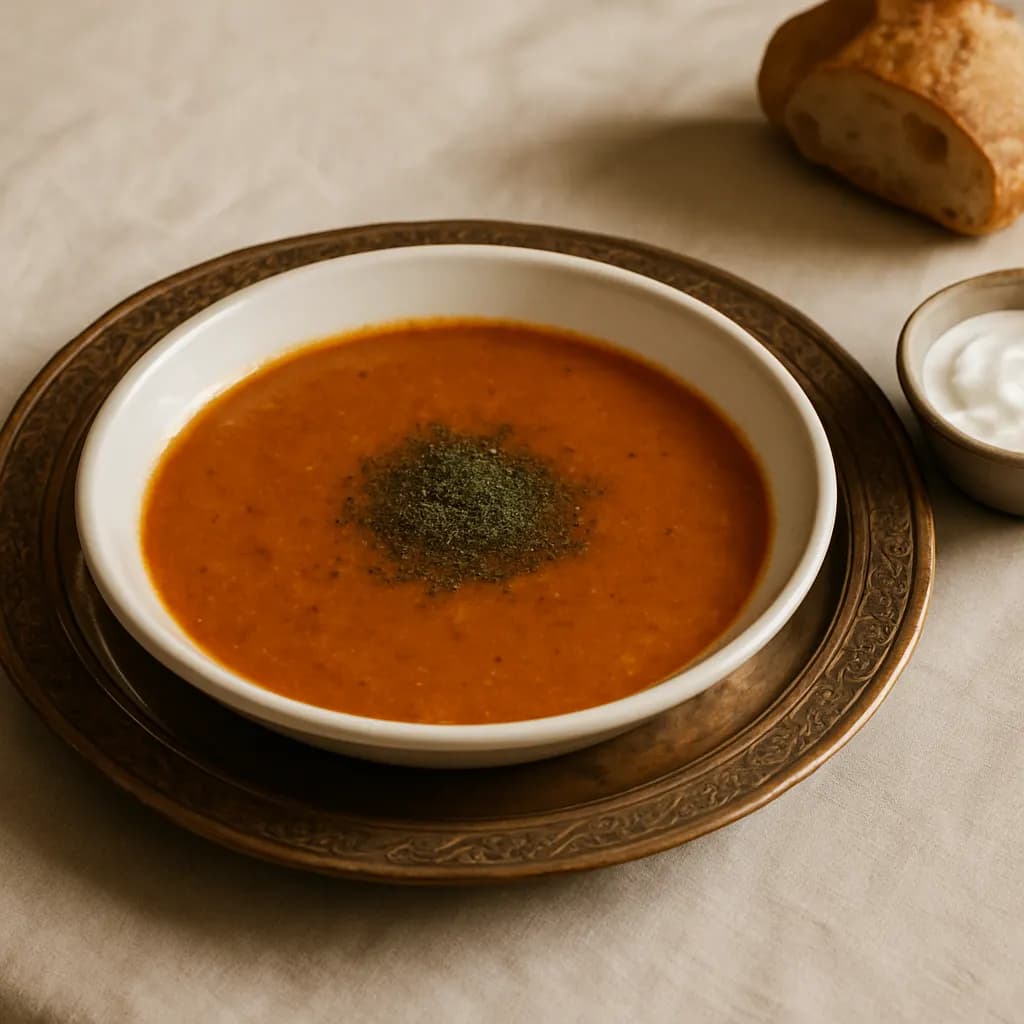
Tarhana Soup(Tarhana Çorbası)
klasikA soup made from tarhana, which is obtained by fermenting and drying yogurt, flour, and vegetables. It is one of the oldest ready soup traditions of Anatolia.
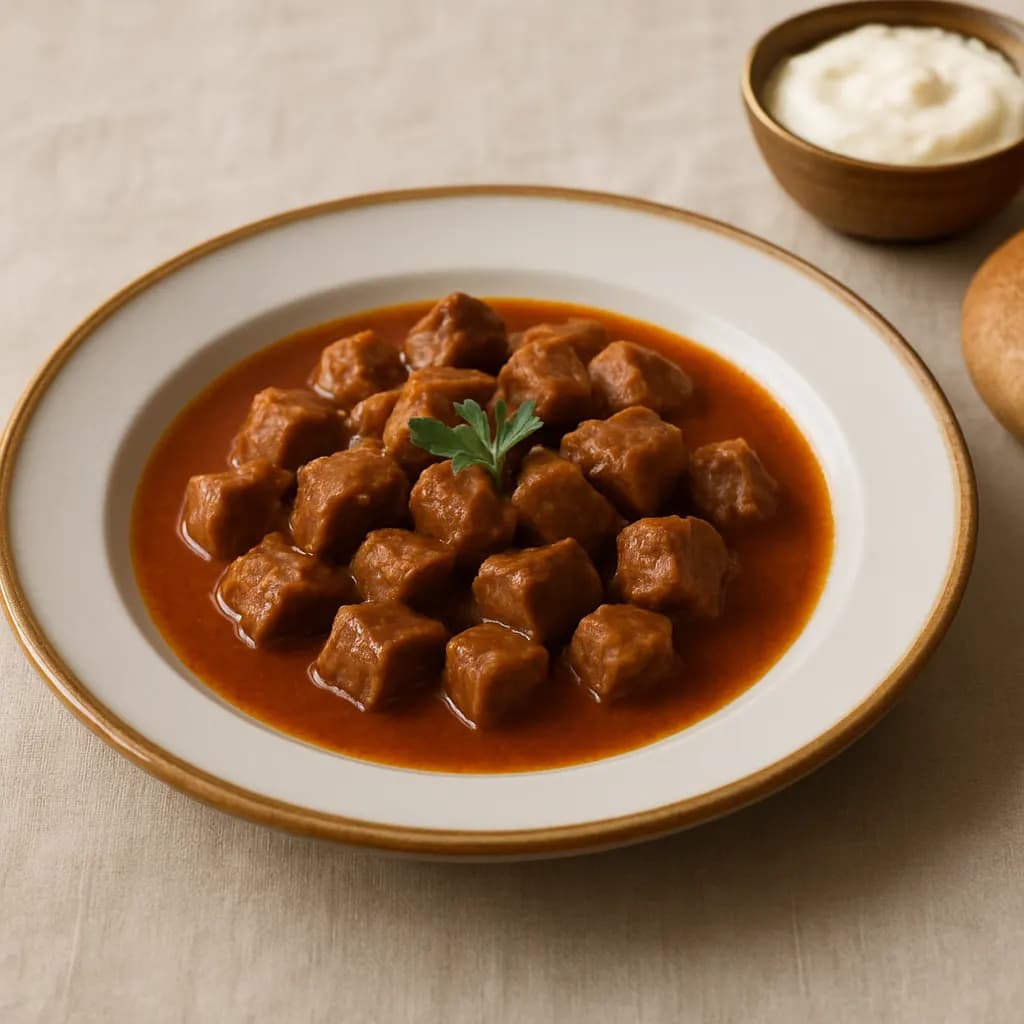
Tas Kebab(Tas Kebabı)
klasikDespite its name, it is not grilled; it is a pot classic that starts with the meat's own juices and is completed with a little liquid. It is an example of the continuity of the name mentioned in the 1844 edition of Melceü't-Tabbâhîn.
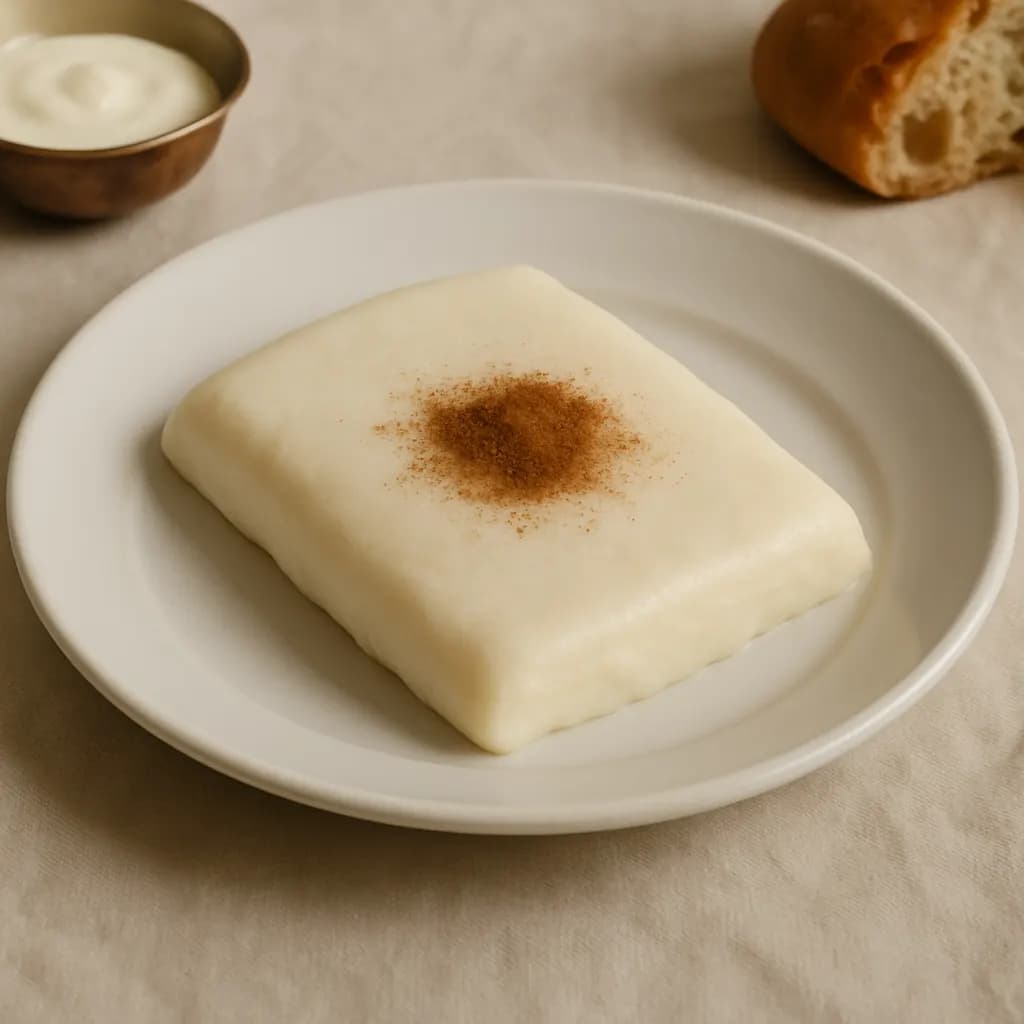
Tavukgöğsü
klasikA palace-origin dessert made with finely shredded chicken fibers incorporated into a milky structure; it is distinguished from a similar dish called 'yalancı tavukgöğsü' which is meatless.
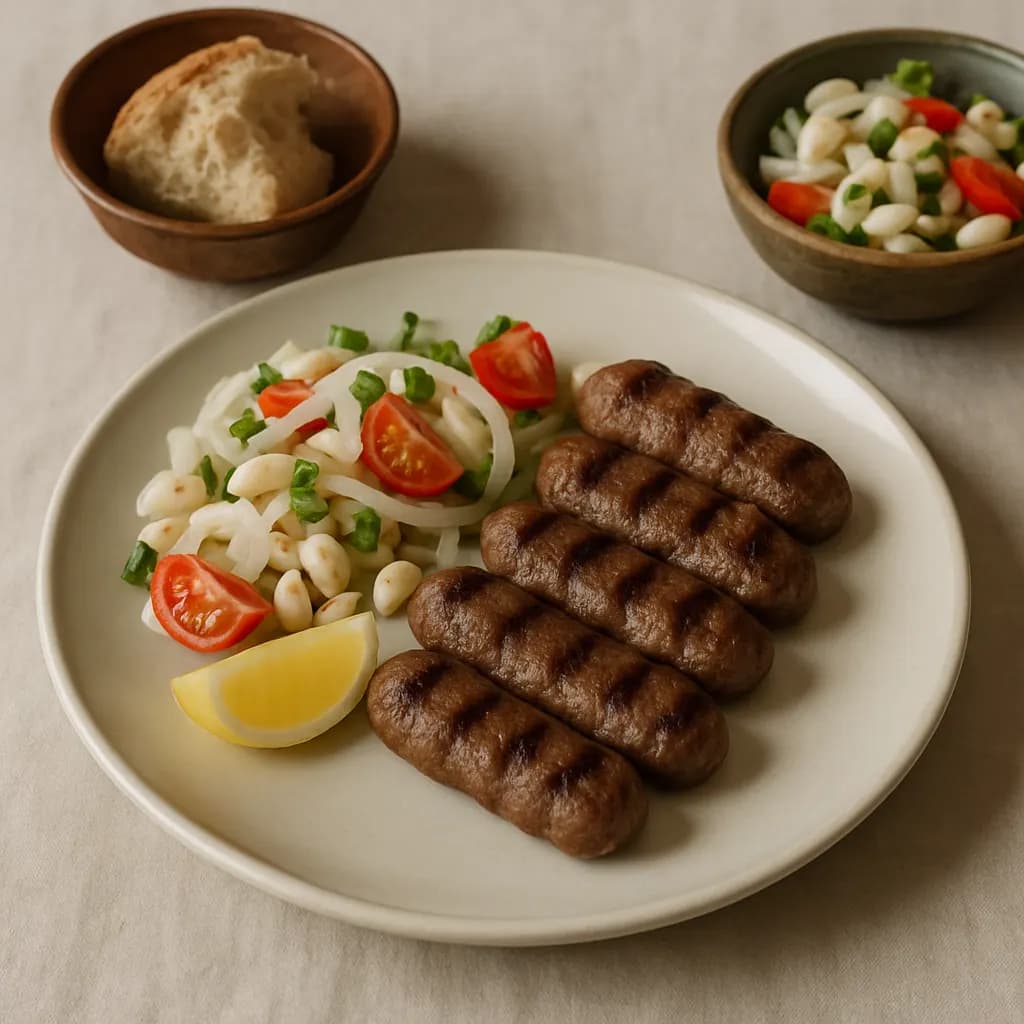
Tekirdağ Meatballs(Tekirdağ Köftesi)
yöreselA long, small-shaped meatball from Thrace, known for its unique filling and serving tradition; often served with piyaz.
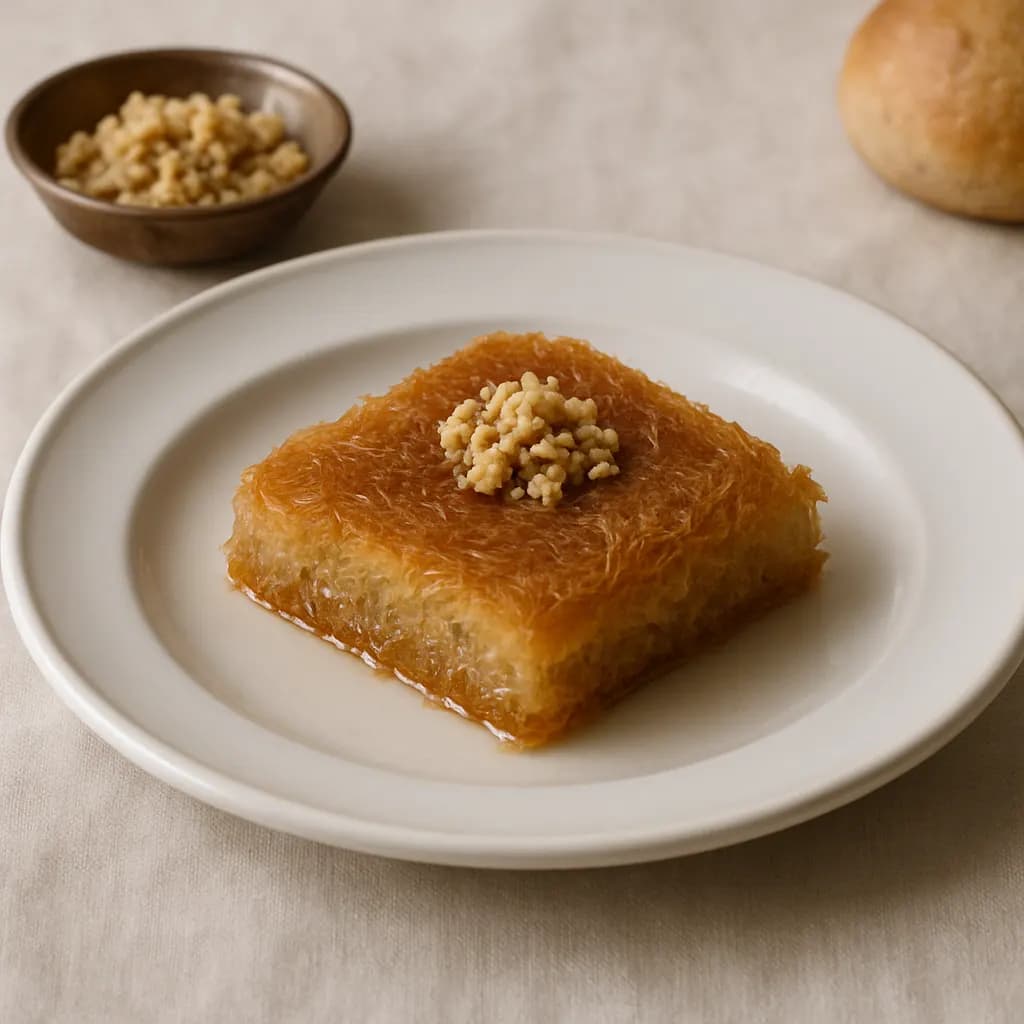
Tel Kadayıf Dessert(Tel Kadayıf Tatlısı)
klasikA walnut tray dessert where the air and oil trapped between the strands maintain texture even after syrup is added.
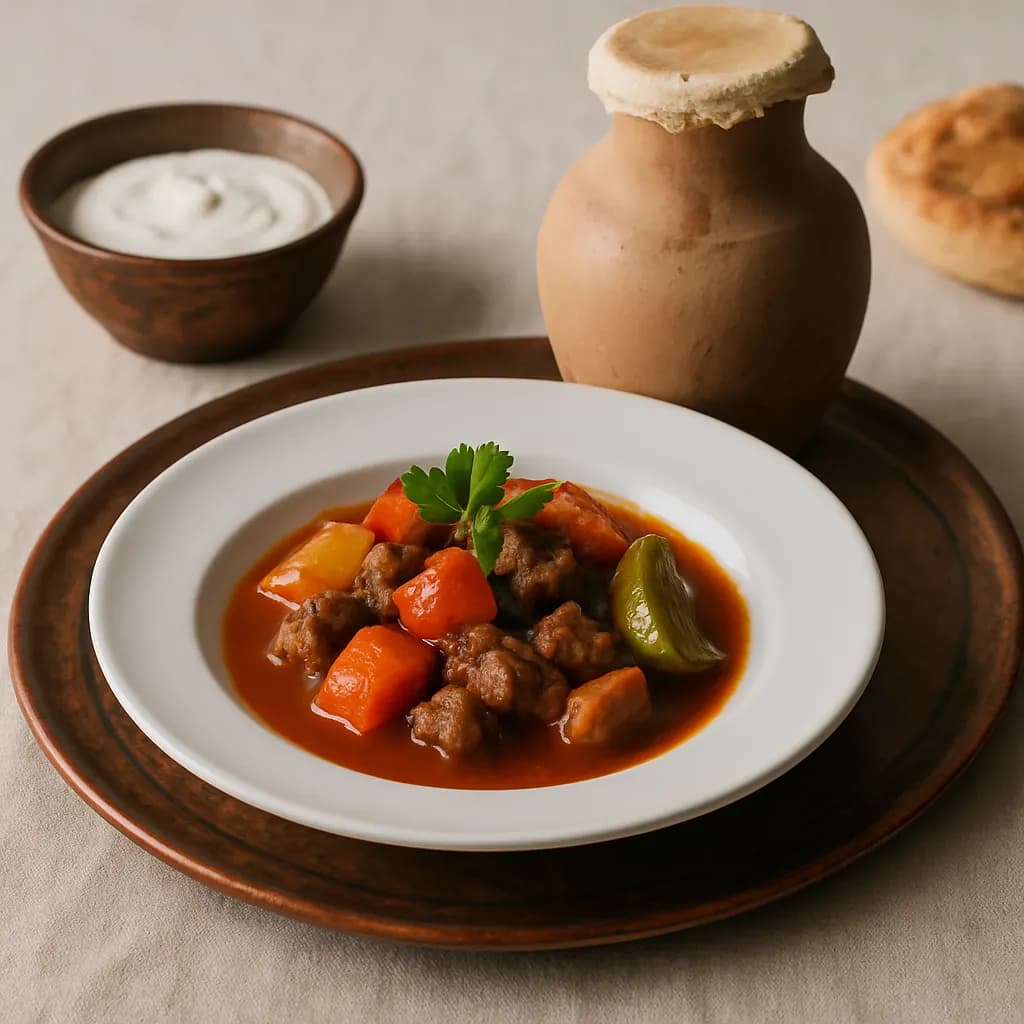
Testi Kebab(Testi Kebabı)
yöreselA showy dish from the Cappadocia region, where meat and vegetables are cooked in a sealed clay pot over embers. The pot is broken open at the table.
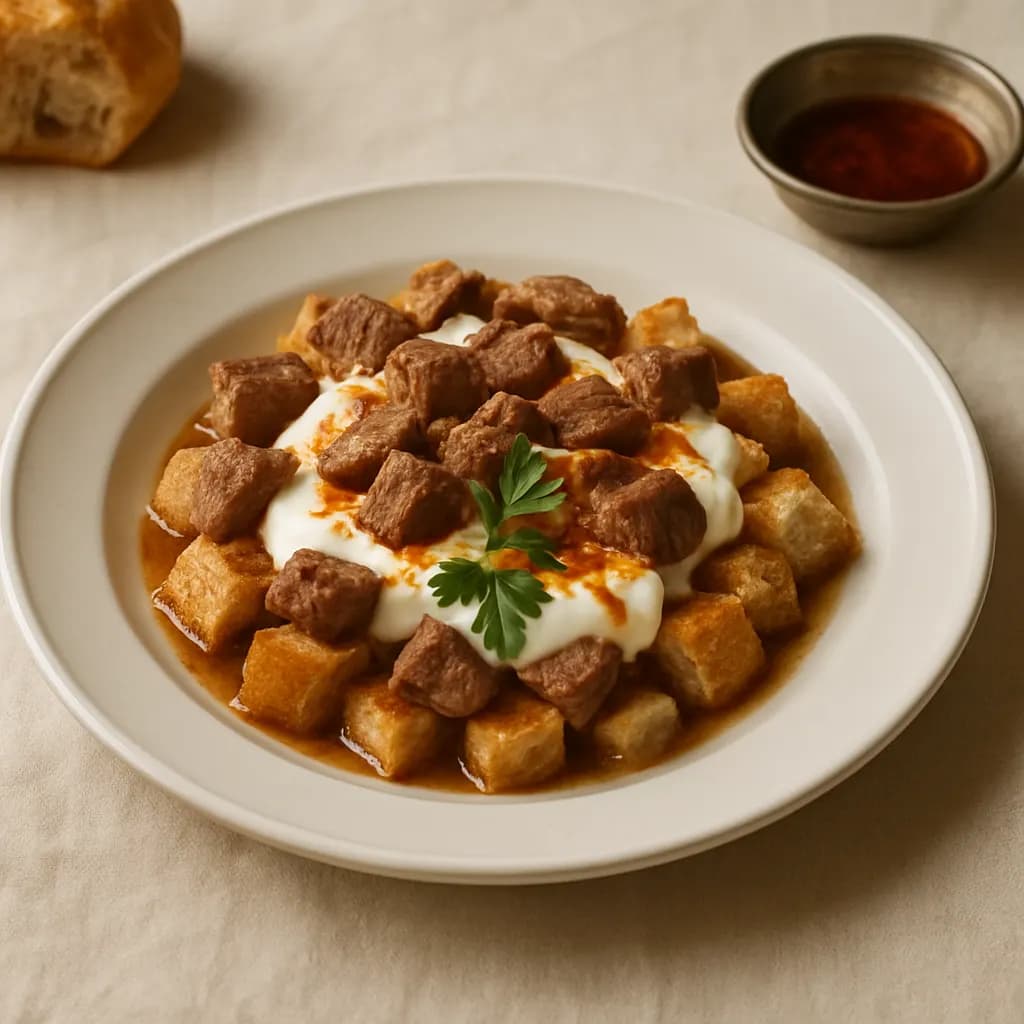
Tirit
klasikA dish that transforms stale bread into a main course with meat broth, yogurt, and spiced oil; it cannot be tied to a single city or type of meat.
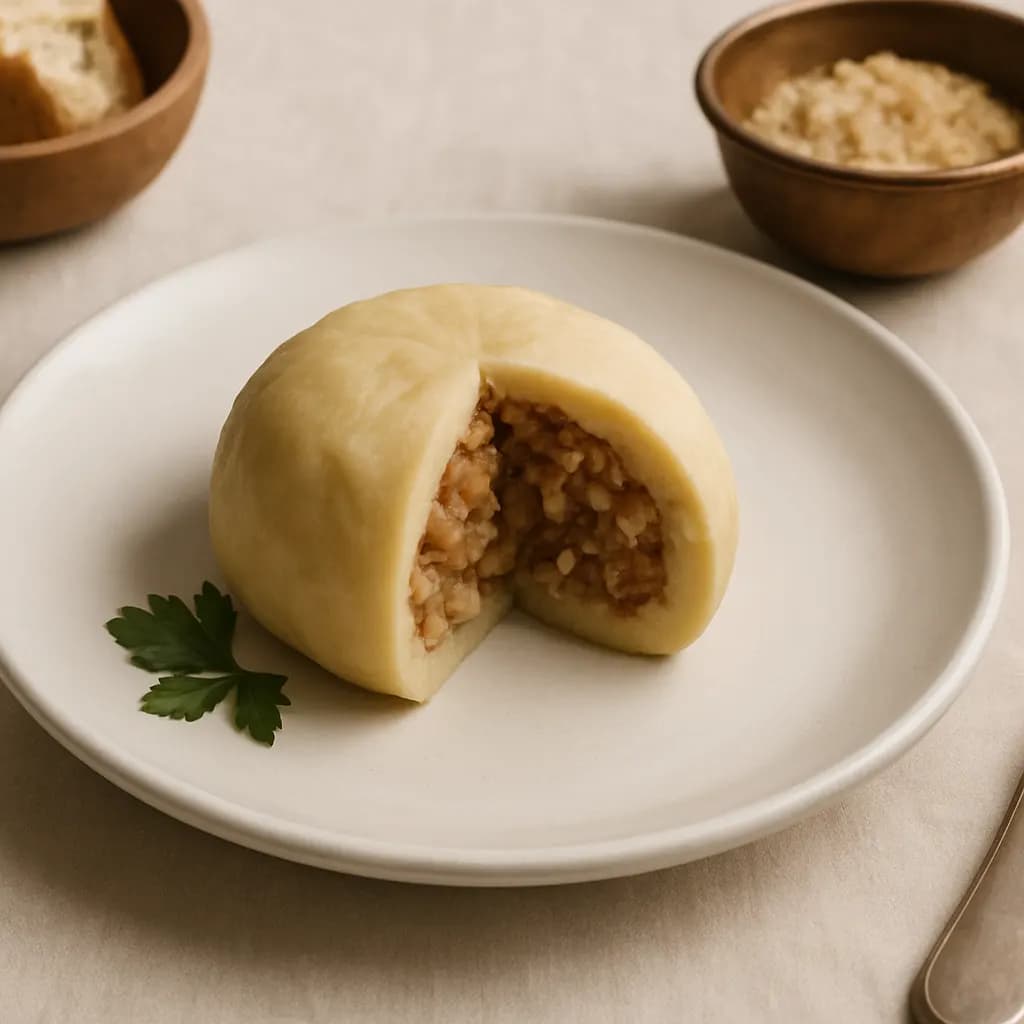
Topik
yöreselA known example of Istanbul Armenian culinary heritage: a cold appetizer filled with tahini, onions, and spices, encased in chickpea and potato skin.
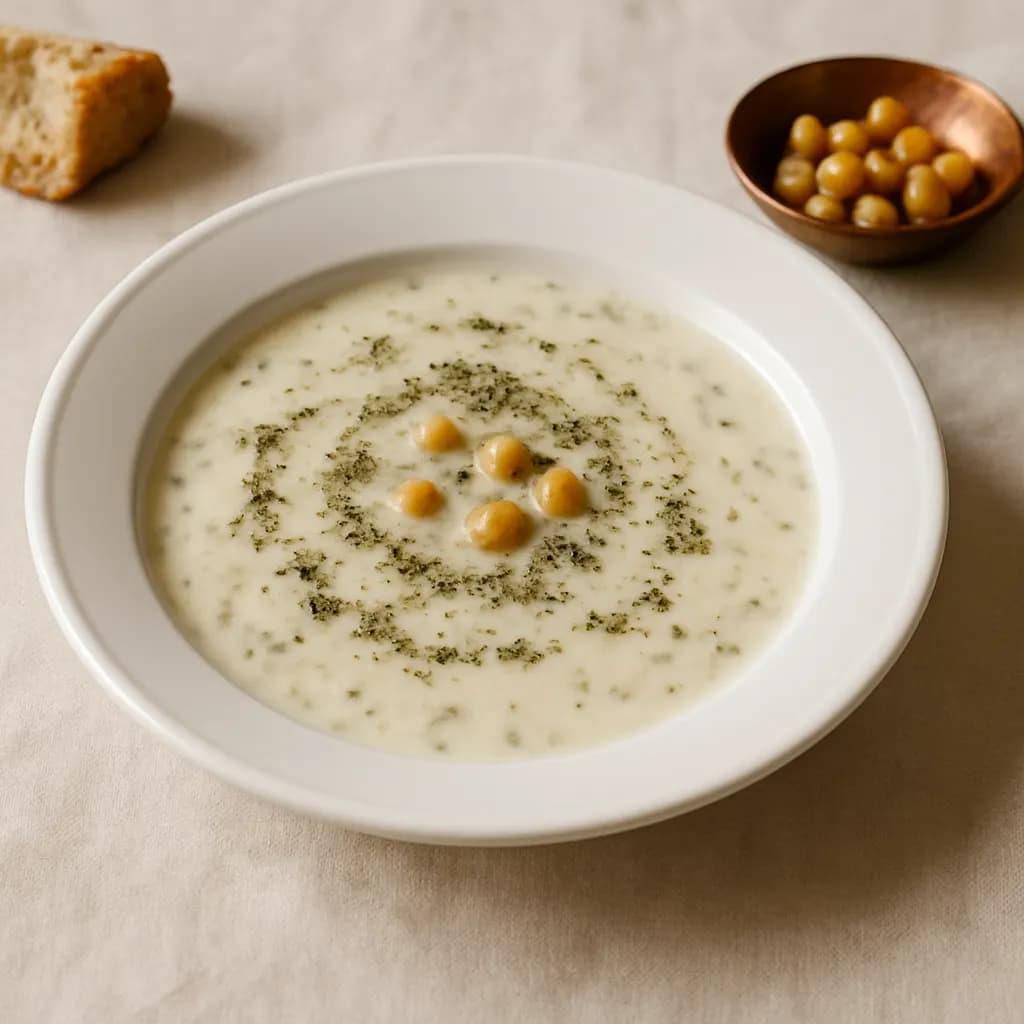
Toyga Soup(Toyga Çorbası)
yöreselA soup from Central Anatolia made with yogurt, grains, and often chickpeas; it is a regional relative of yayla soup.
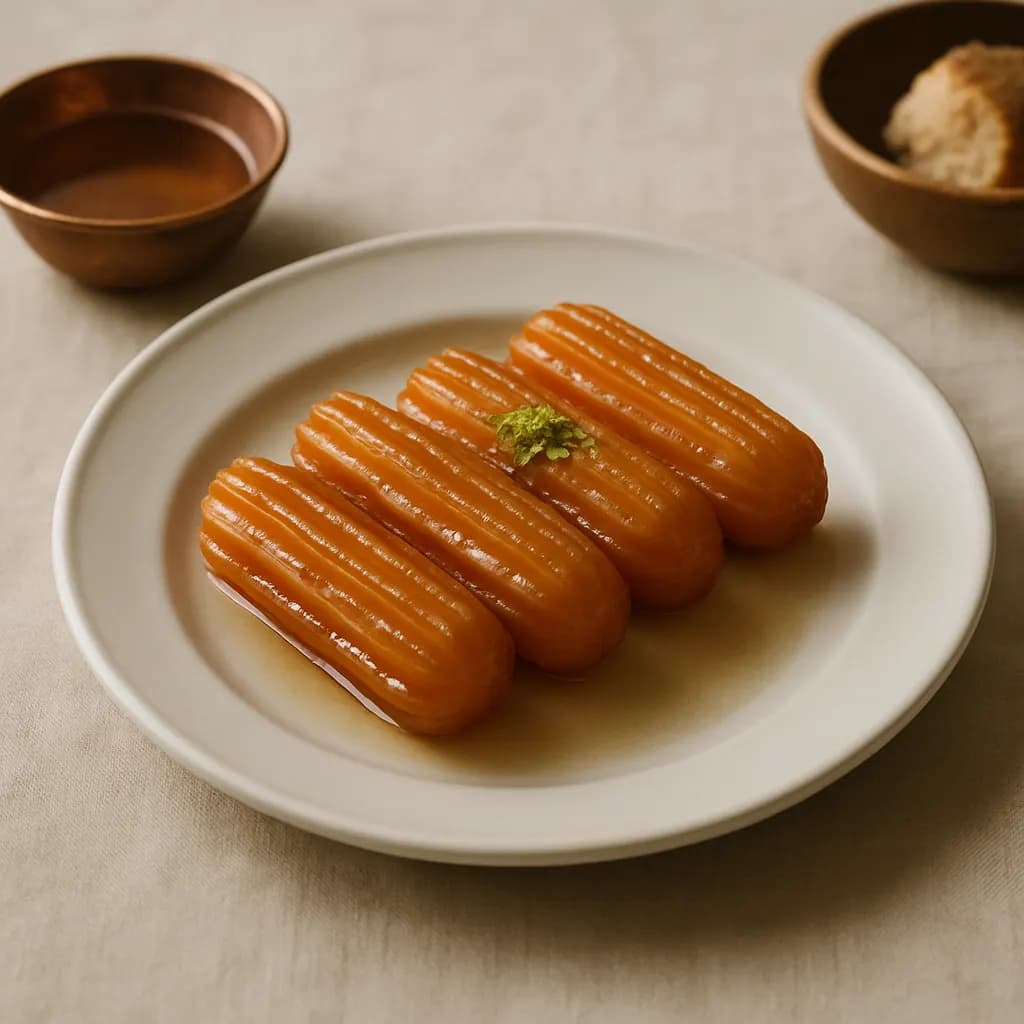
Tulumba(Tulumba Tatlısı)
klasikA crispy, syrup-soaked dessert made by frying dough that is piped through a star-shaped nozzle and hardened with cold syrup.
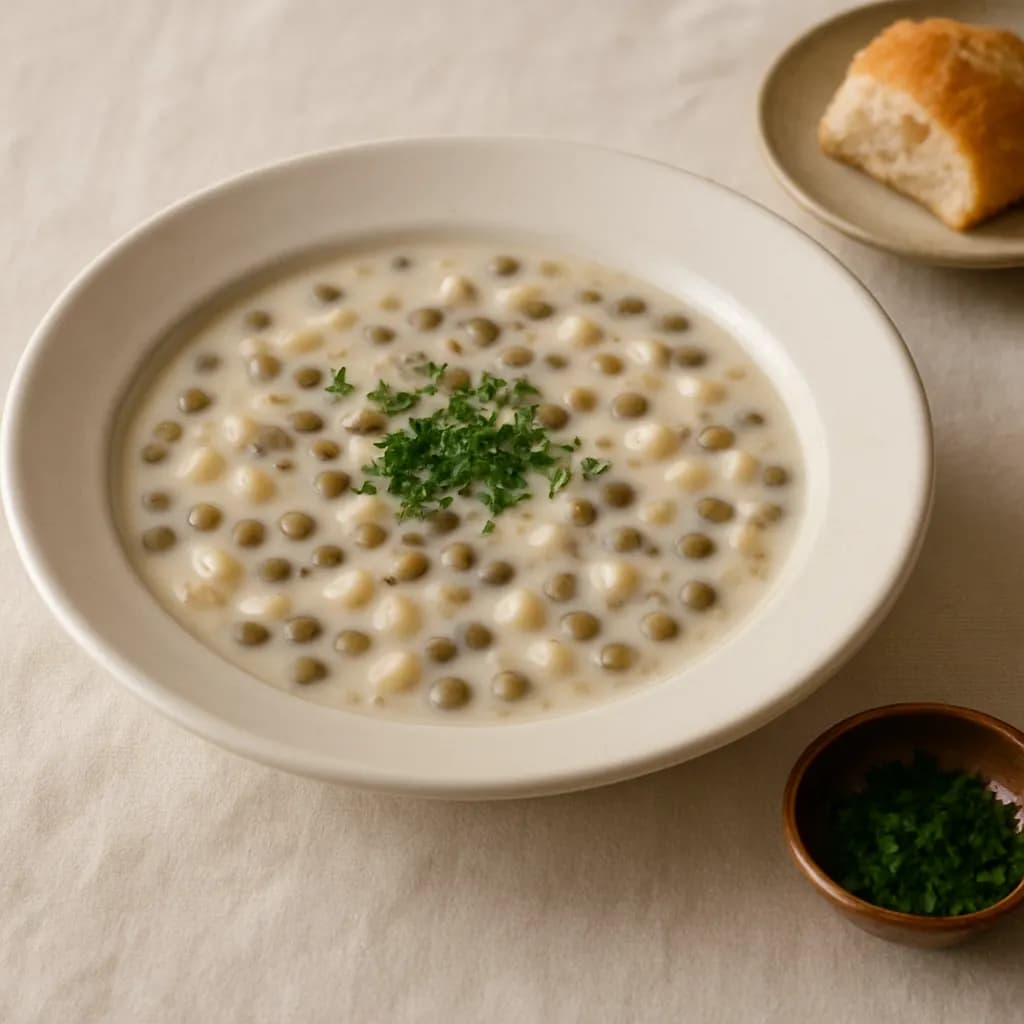
Tutmaç Soup(Tutmaç Çorbası)
yöreselA steppe soup where green lentils meet small pasta in a yogurt-based sauce; records from Çankırı document lentils, tutmaç dough, and yogurt together.
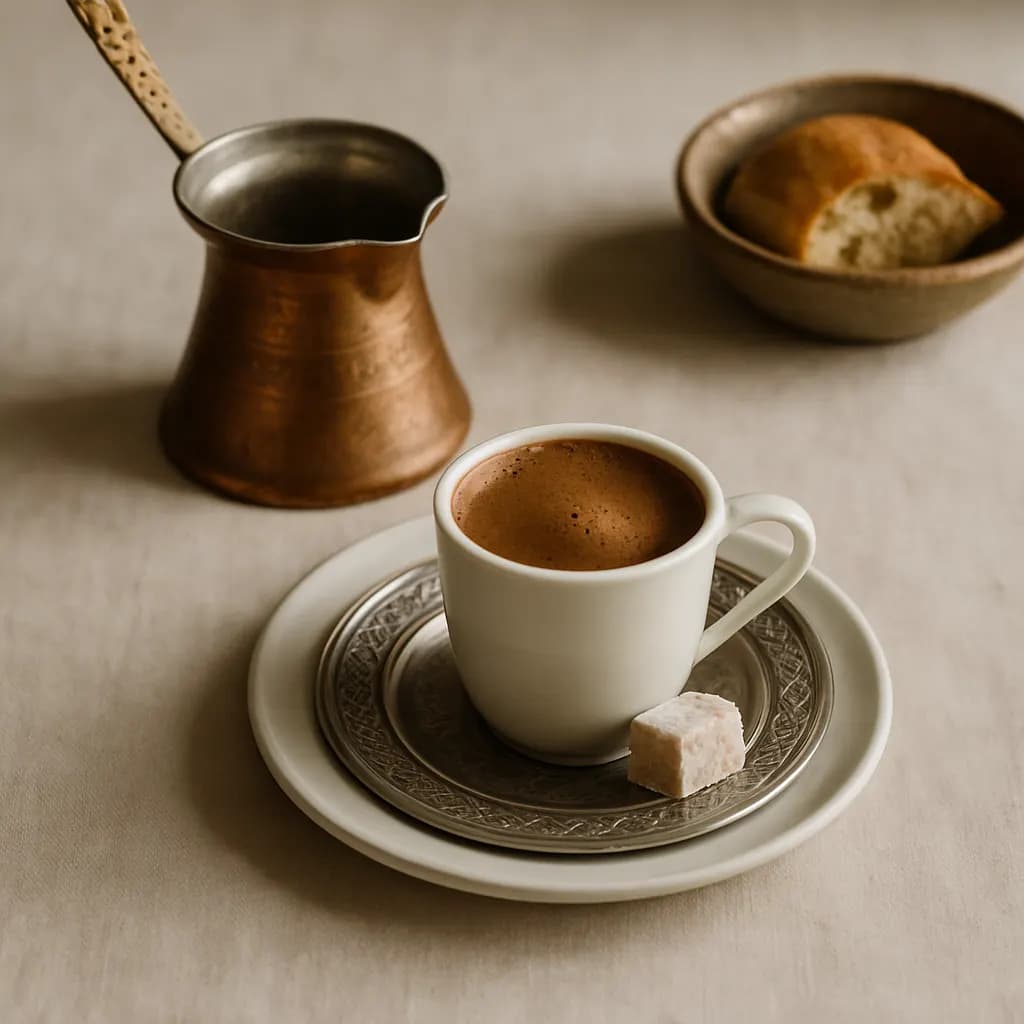
Turkish Coffee(Türk Kahvesi)
klasikA drink where fine grinding and brewing in a cezve are part of the culture of serving and conversation; Turkish coffee culture is on the UNESCO list.
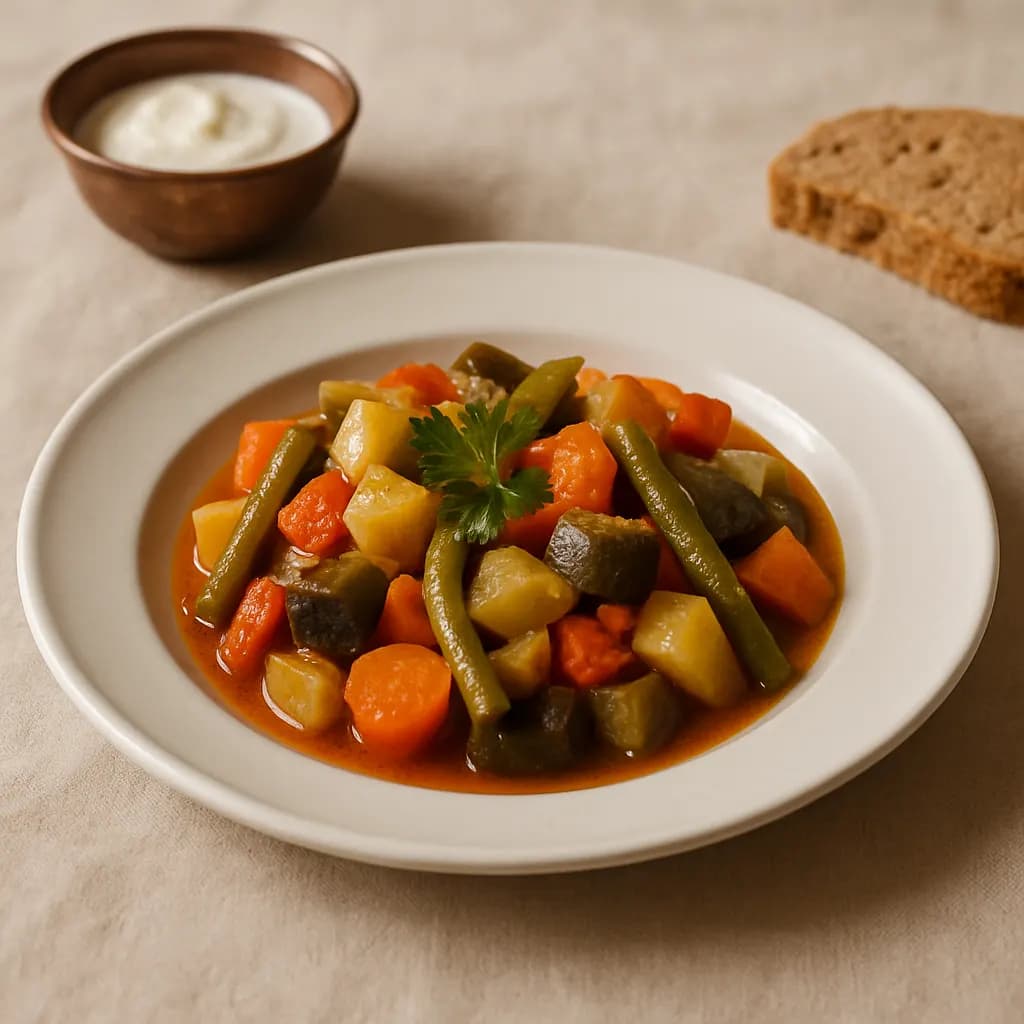
Turli(Türlü)
klasikA home-cooked approach where seasonal vegetables are added and cooked in a single pot one at a time; adding all vegetables to the pot at once does not yield good results.
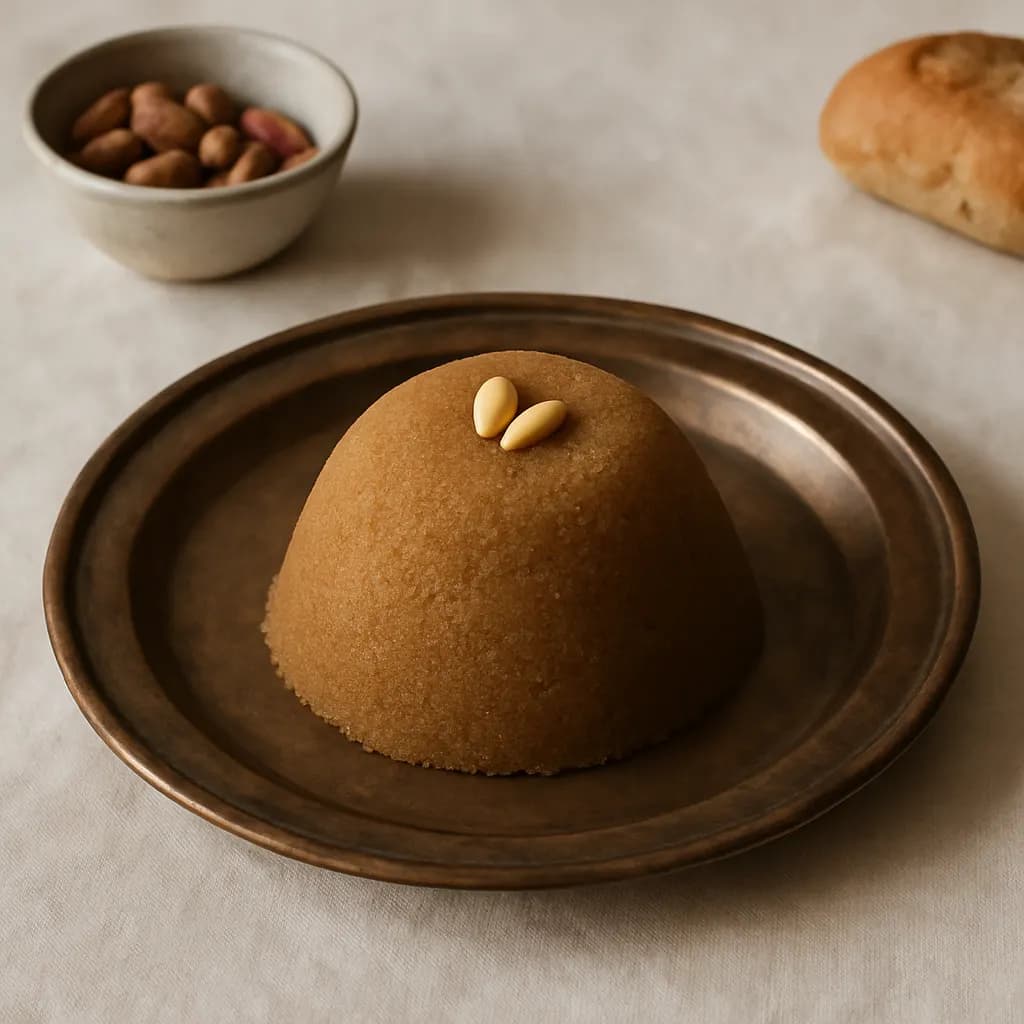
Flour Halva(Un Helvası)
klasikThe nutty aroma created by patiently roasting flour deepens this simple dessert.
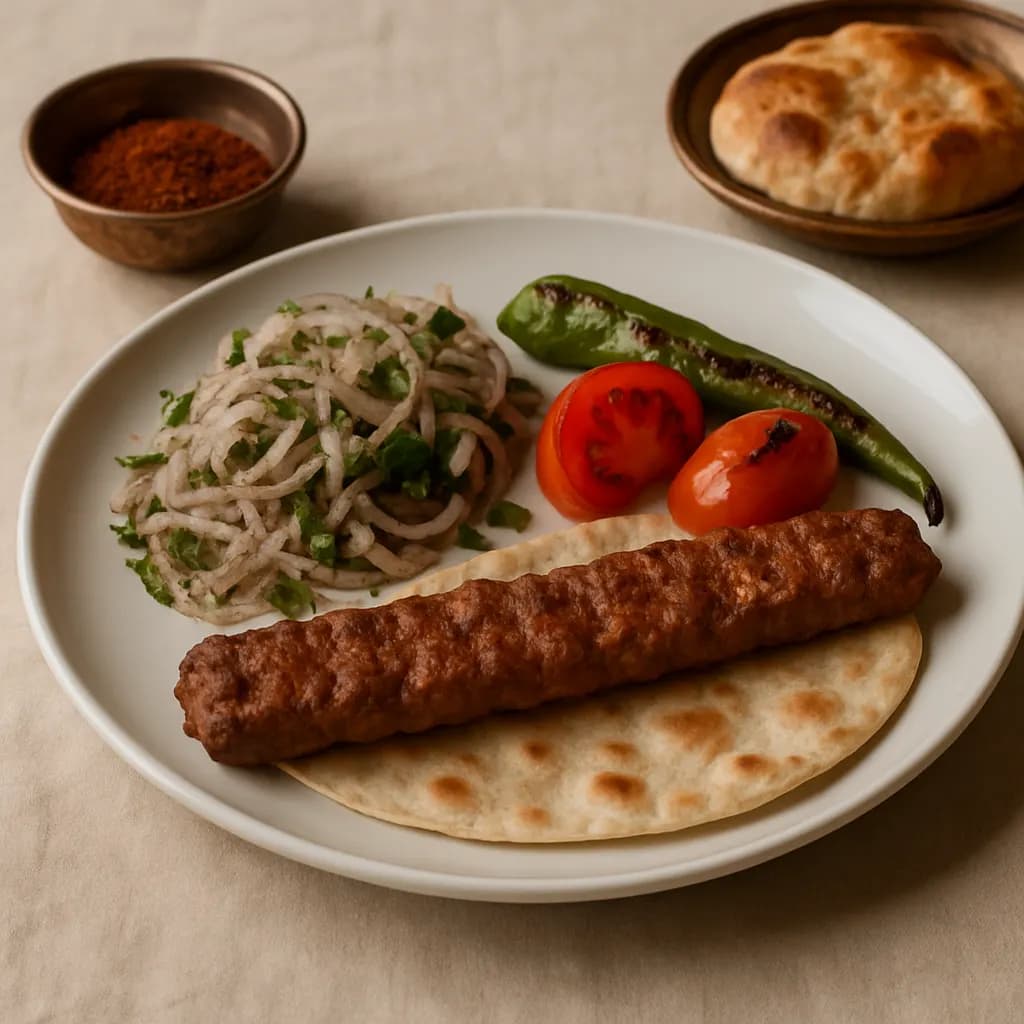
Urfa Kebab(Urfa Kebap)
klasikThe mild sibling of Adana kebab; in the tradition of Şanlıurfa, the flavor of isot is prominent, but the spiciness is balanced. The taste of the grill and the quality of the meat are defining characteristics.
Van Herbed Cheese(Van Otlu Peyniri)
yöreselMade by folding into the curd the wild herbs gathered around Van in spring — sirmo, mendi, heliz and others; the scent of the herb passes into the cheese as it ripens. It carries a geographical indication.
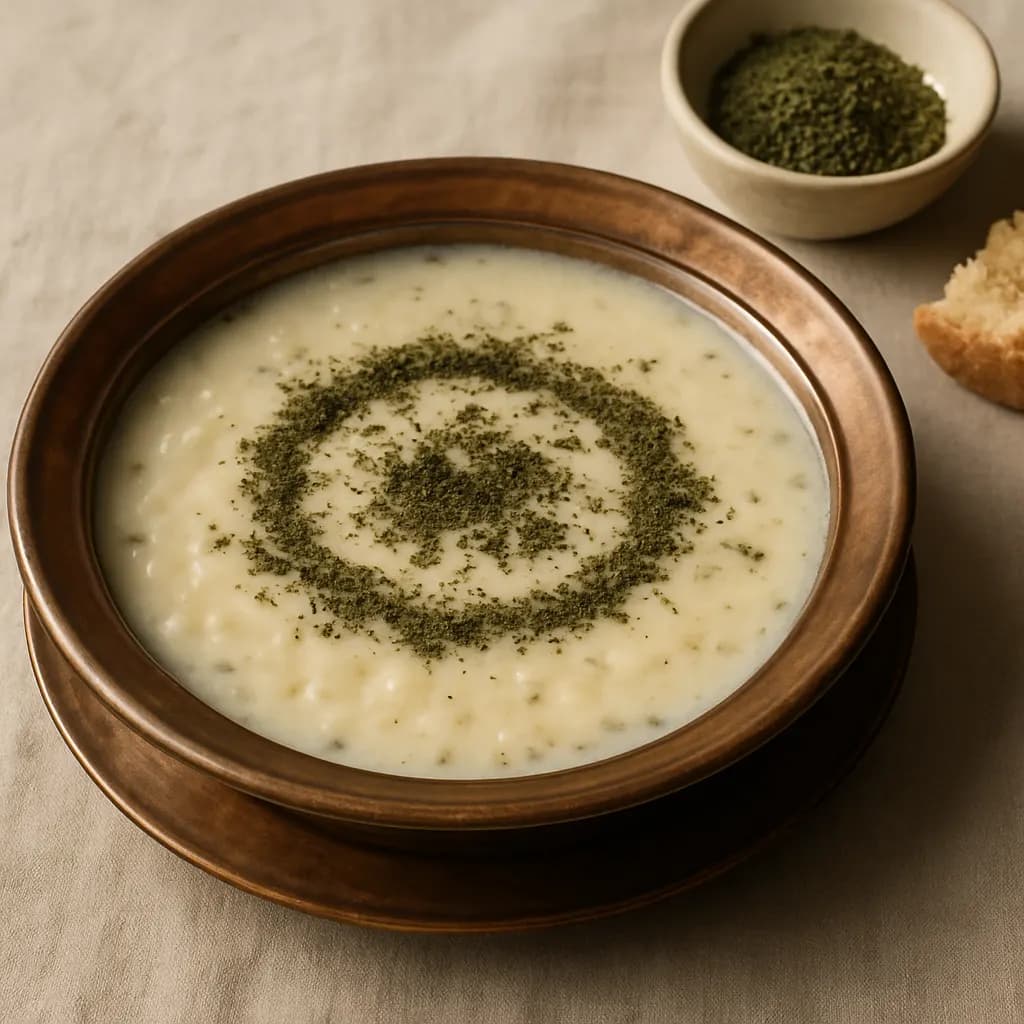
Yayla Soup(Yayla Çorbası)
klasikA comforting soup named after the plateaus of Anatolia, where yogurt and rice meet with mint.
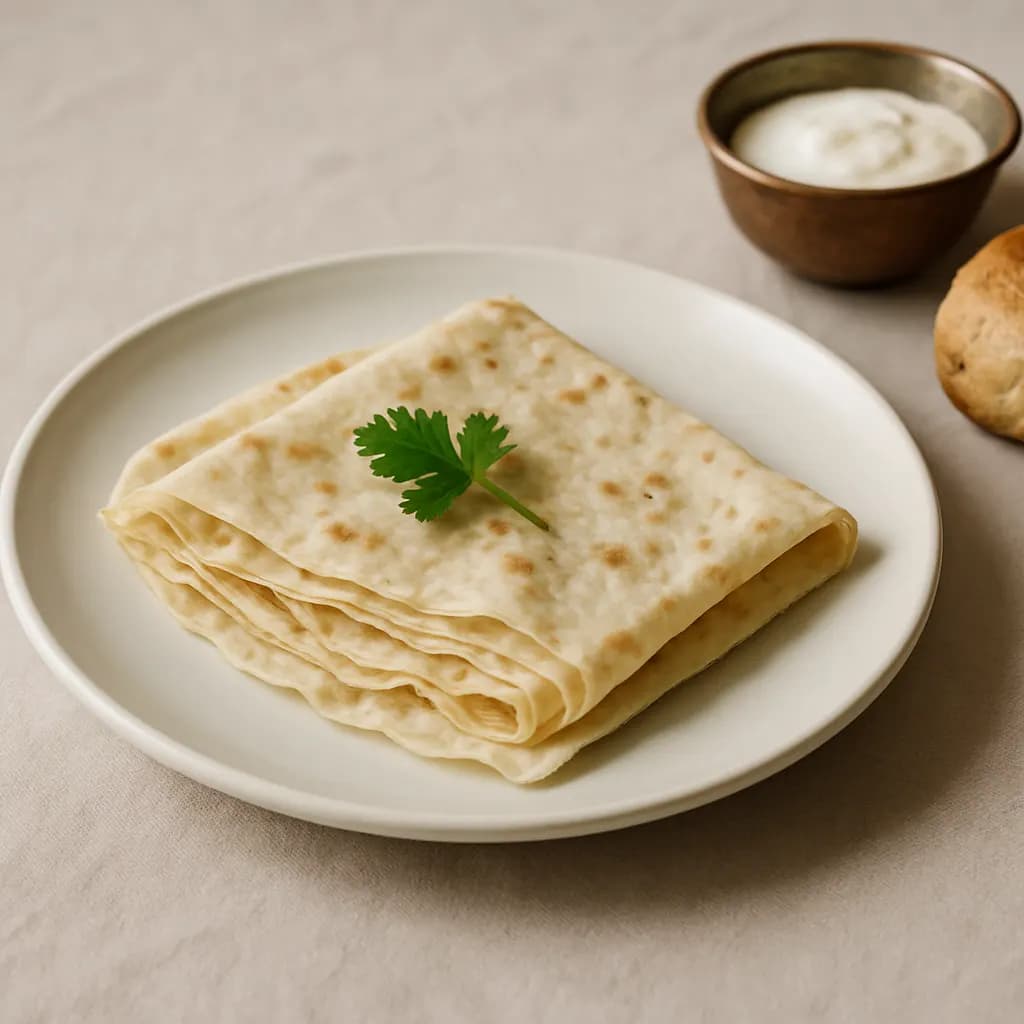
Yufka Bread(Yufka Ekmeği)
klasikThe making and sharing of thin bread is considered a social tradition in a multi-national UNESCO listing; it can be stored dry and returned to the table by moistening for months.
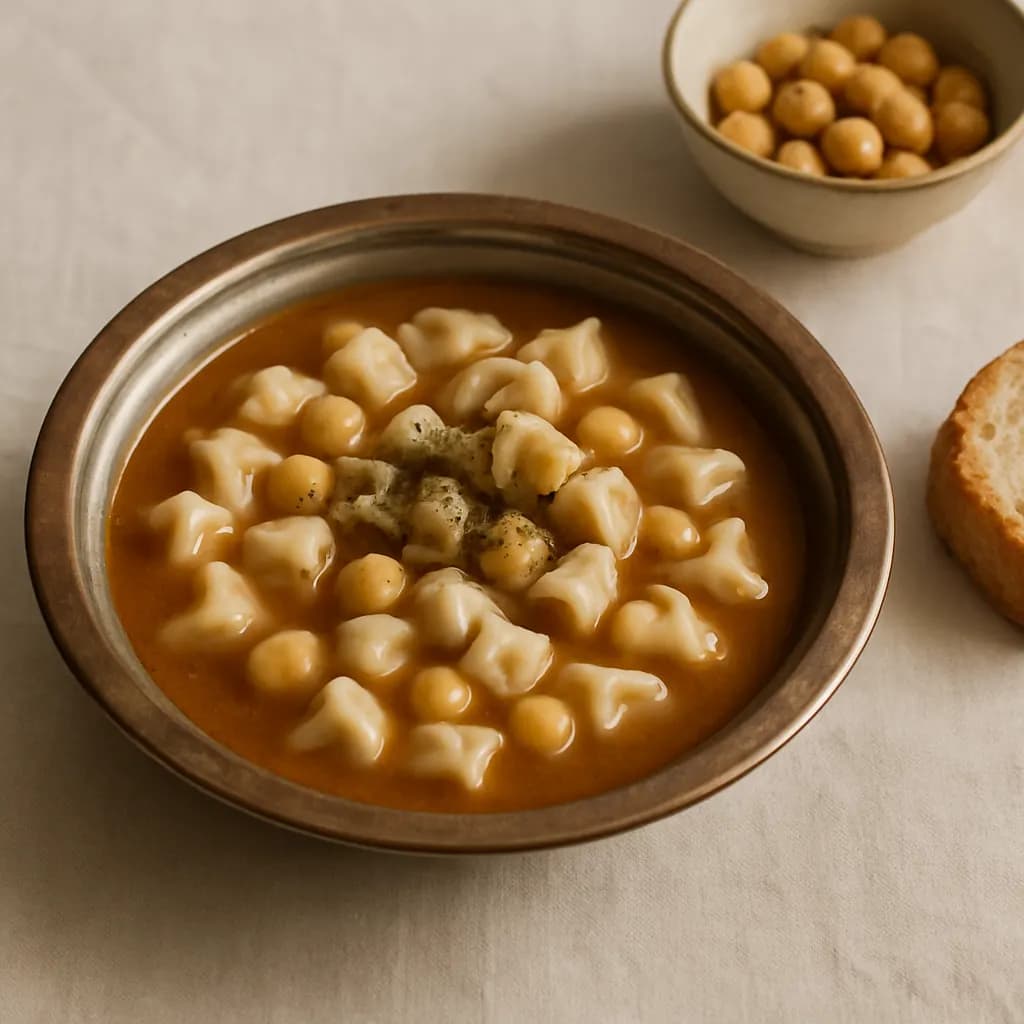
Yüksük Soup(Yüksük Çorbası)
yöreselA labor-intensive soup where tiny dumplings combine with chickpeas and sour water; it gets its name from the dough shaped like a thimble.
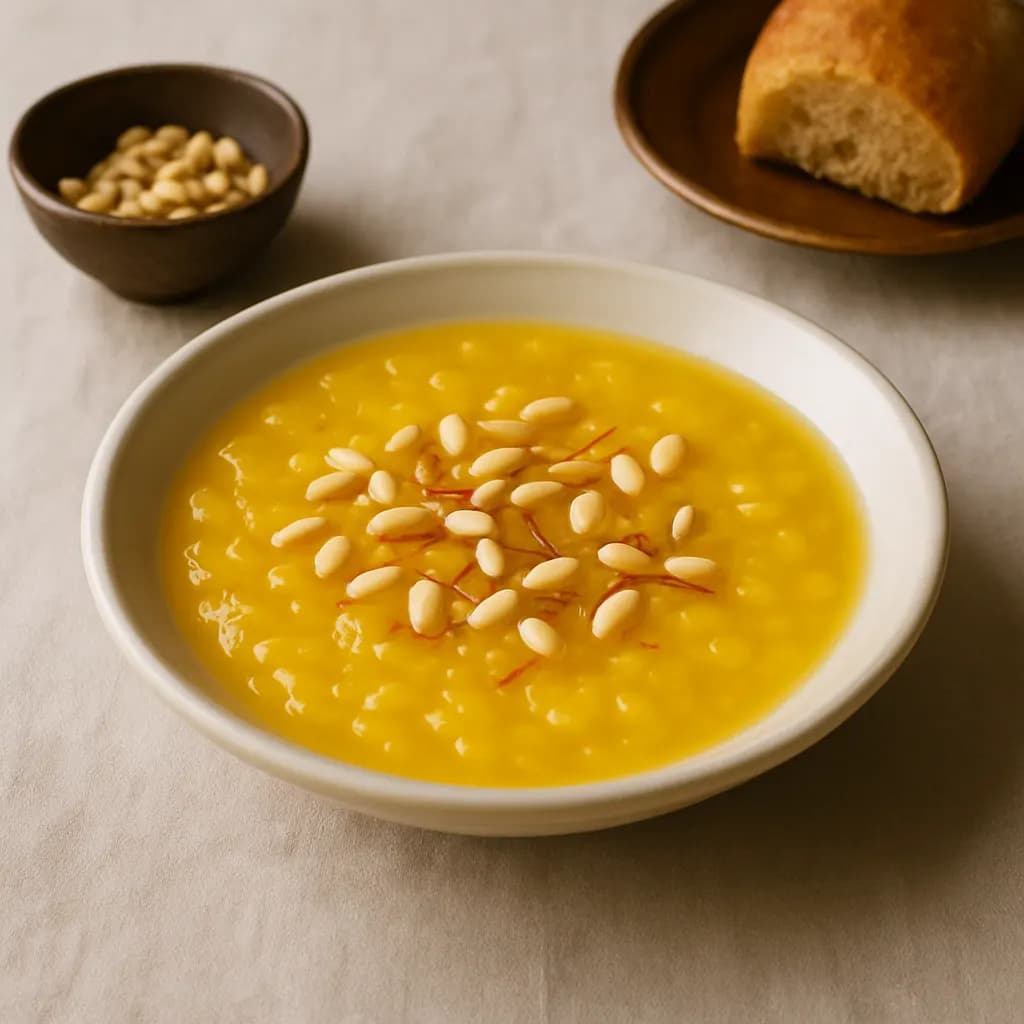
Zerde
klasikA rice pudding sweetened with syrup and colored with saffron; a historical member of wedding and religious feast tables.
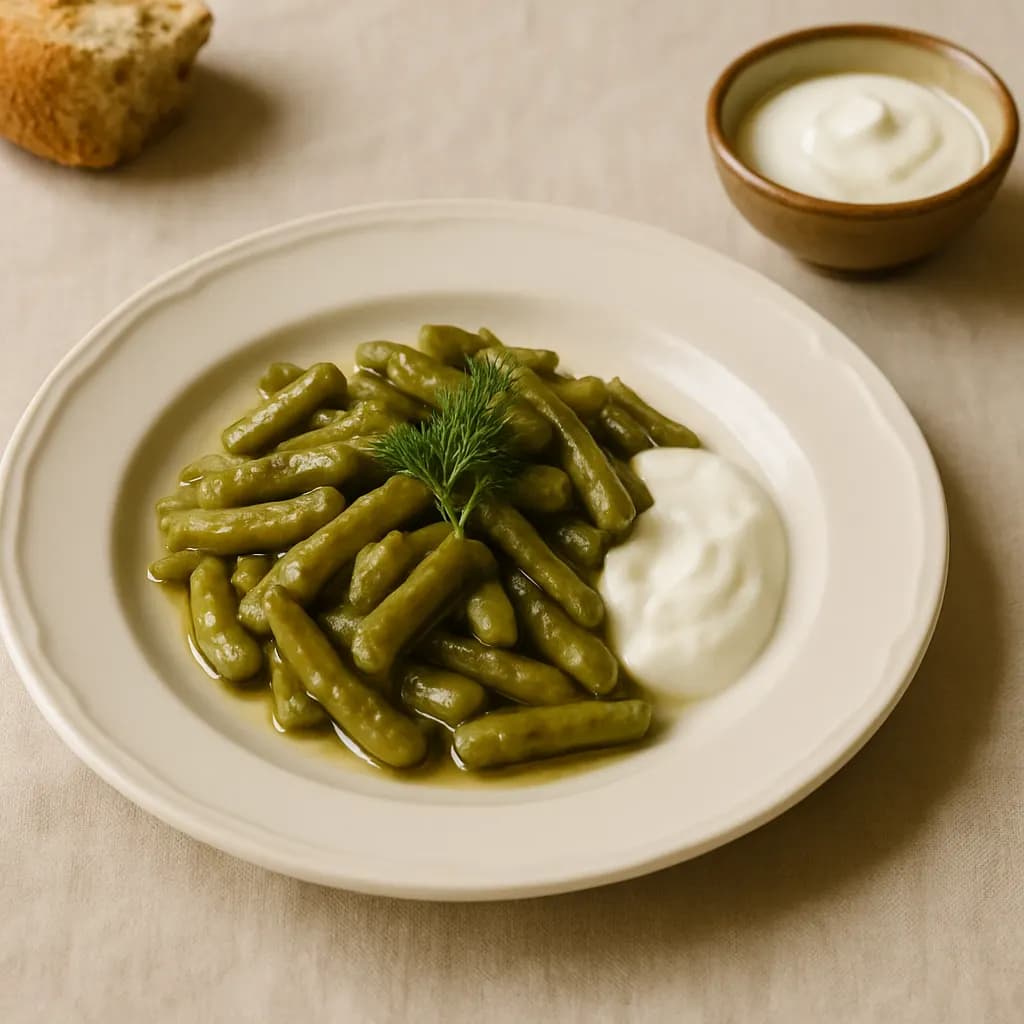
Olive Oil Broad Beans(Zeytinyağlı Bakla)
klasikA spring classic where fresh broad beans are cooked with dill and olive oil and can be served with yogurt.
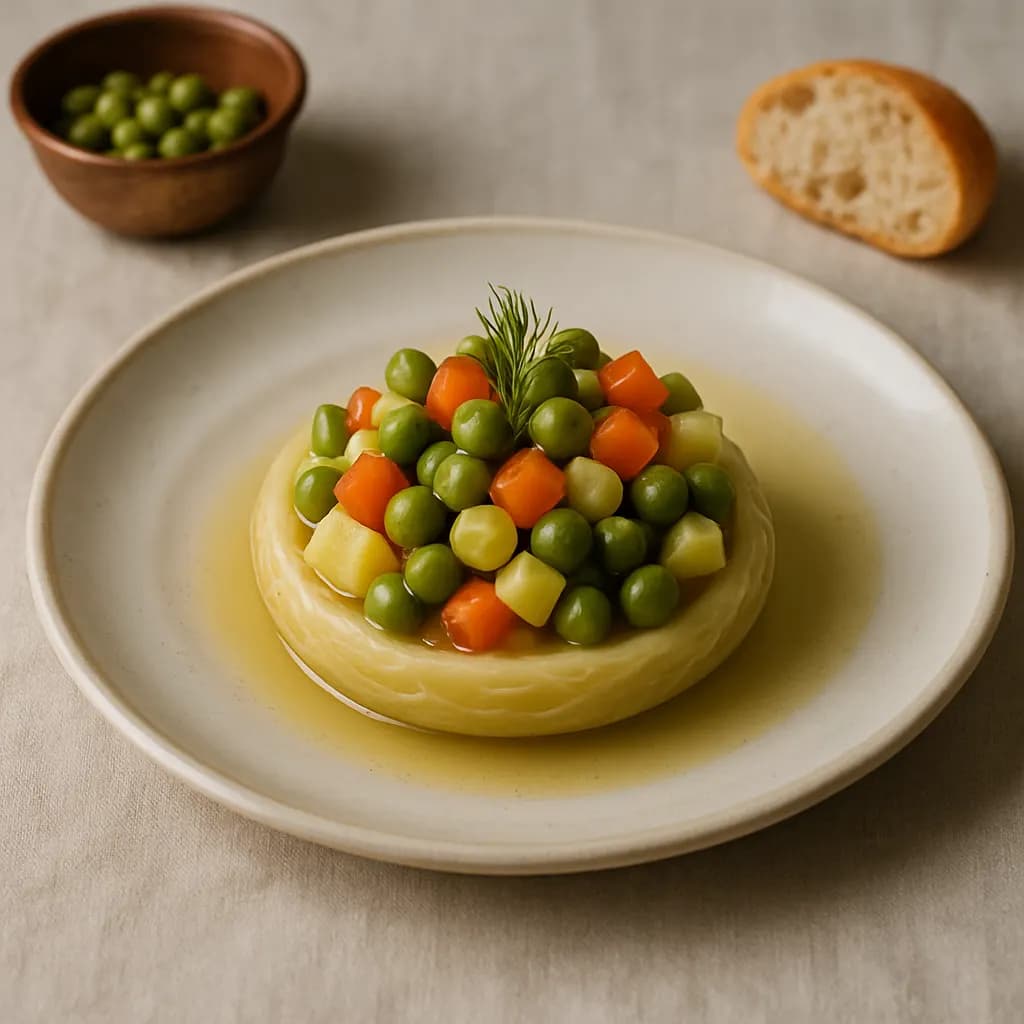
Artichokes in Olive Oil(Zeytinyağlı Enginar)
klasikA symbol of spring; artichoke hearts are cooked in olive oil with carrots, potatoes, and peas. It is a light and elegant classic of Aegean cuisine.
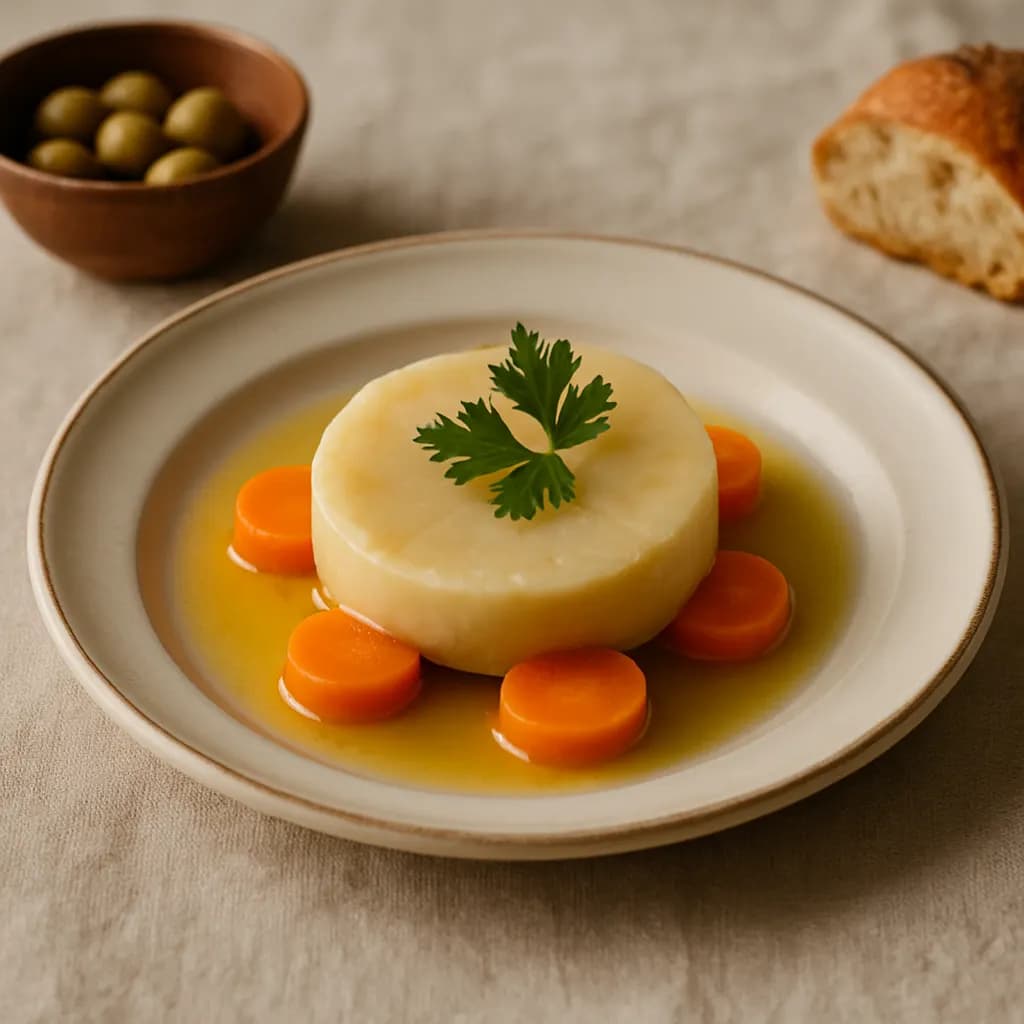
Olive Oil Braised Celery(Zeytinyağlı Kereviz)
klasikA winter olive oil dish where root celery is cooked in olive oil with carrots and lemon; the version with orange is common in the Aegean region.
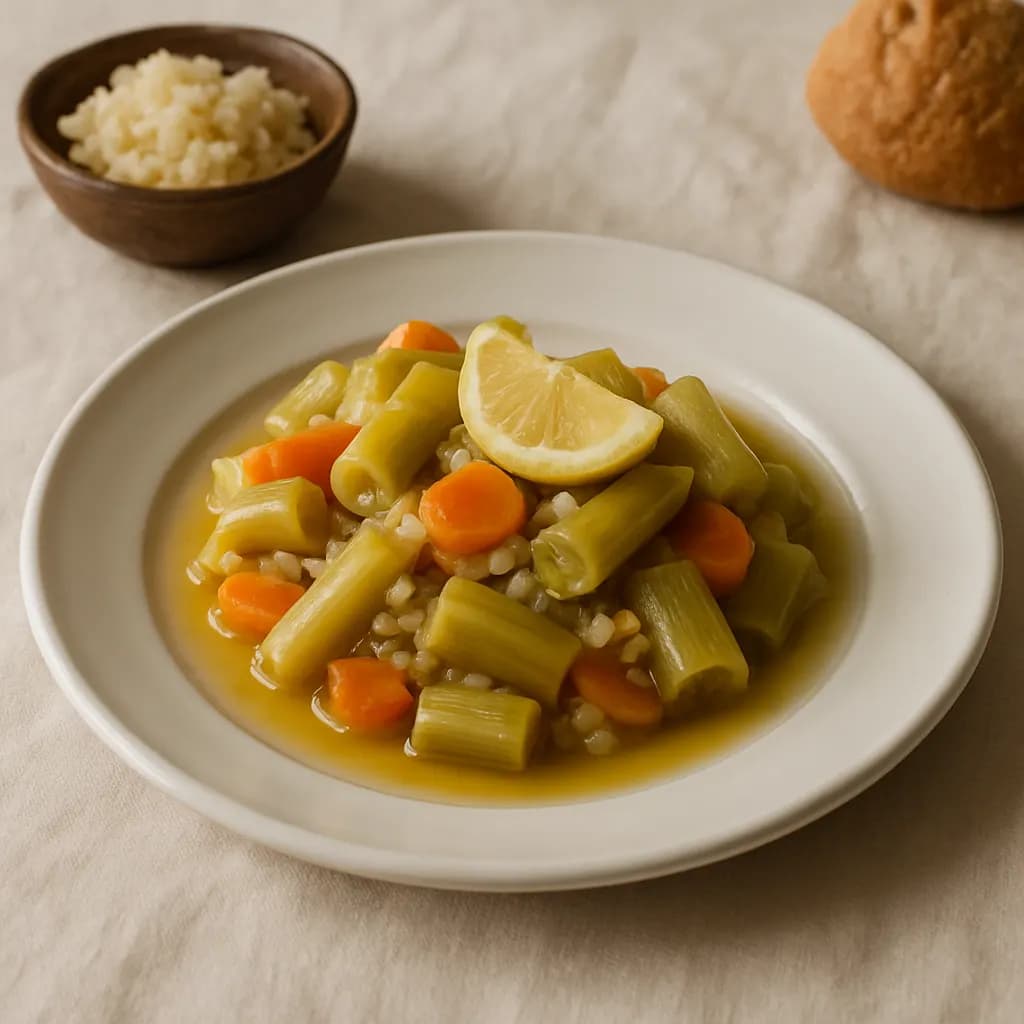
Olive Oil Leeks(Zeytinyağlı Pırasa)
klasikA calm pot balancing winter vegetables with a little rice and lemon; the orange variation is a distinct flavor preference.
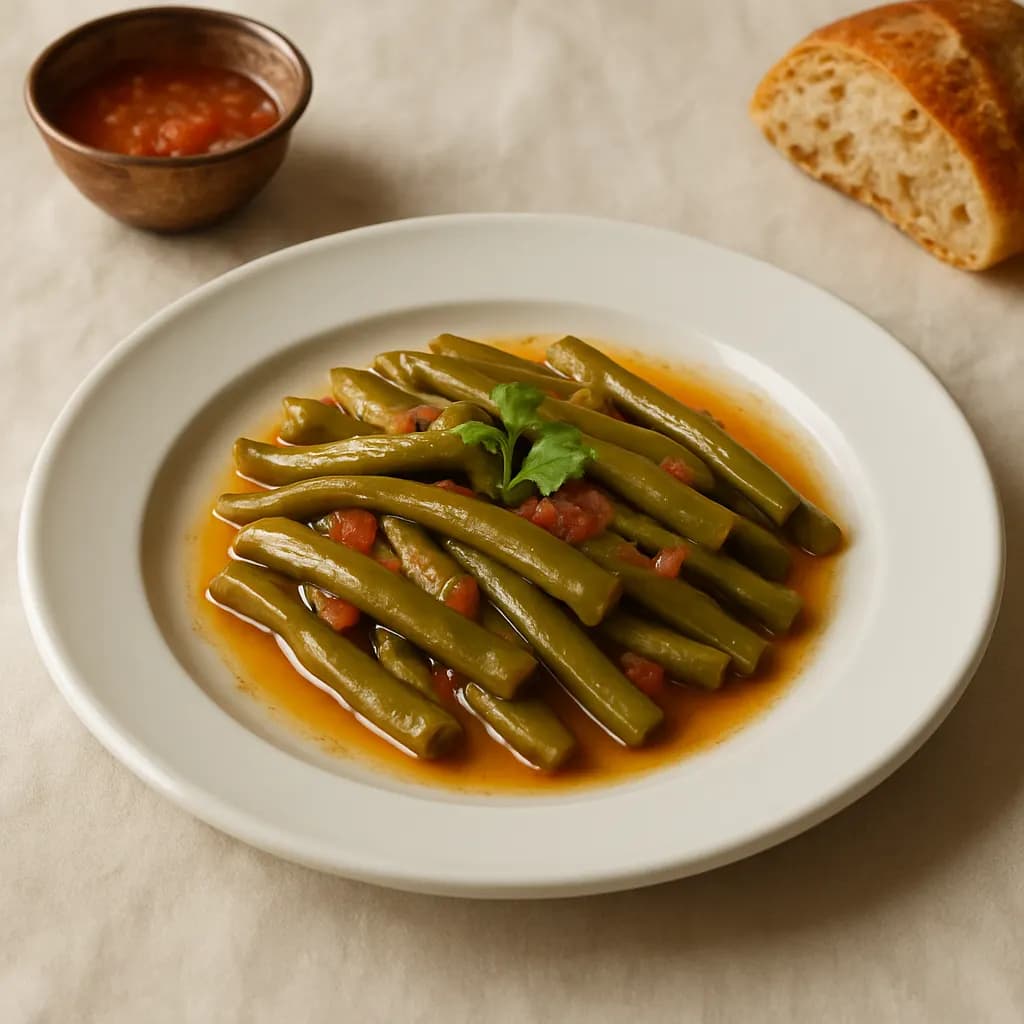
Olive Oil Green Beans(Zeytinyağlı Taze Fasulye)
klasikA summer dish that highlights the vegetable's own juices and the fruity aroma of olive oil; it settles as it cools.
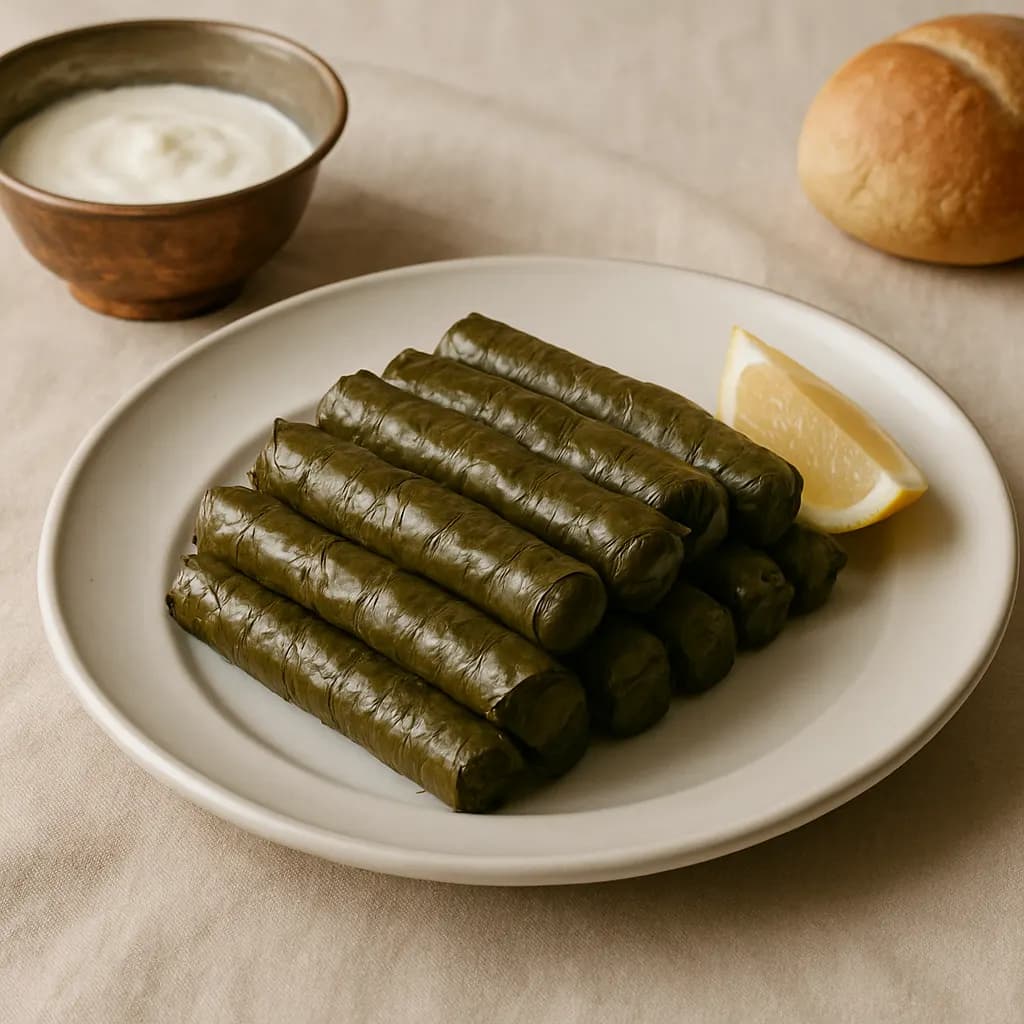
Olive Oil Stuffed Grape Leaves(Zeytinyağlı Yaprak Sarma)
klasikThe filling made with finely chopped onion, rice, currants, and pine nuts is wrapped in vine leaves. It is an essential cold olive oil dish on Aegean and Marmara tables.
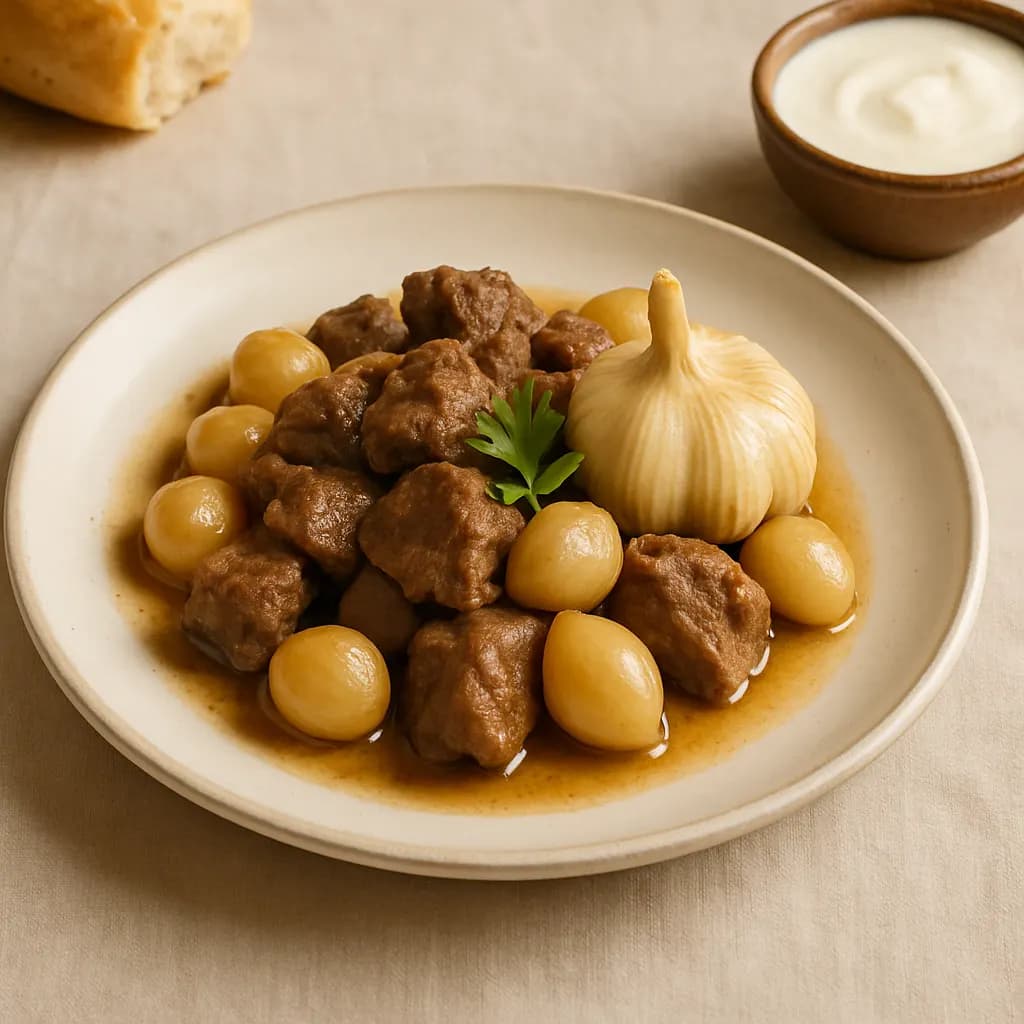
Çankırı Garlic Meat(Çankırı Sarımsaklı Et)
yöreselA dish made with lamb cooked slowly with pearl onions and whole garlic cloves; it is documented in the official recipe records of Çankırı.
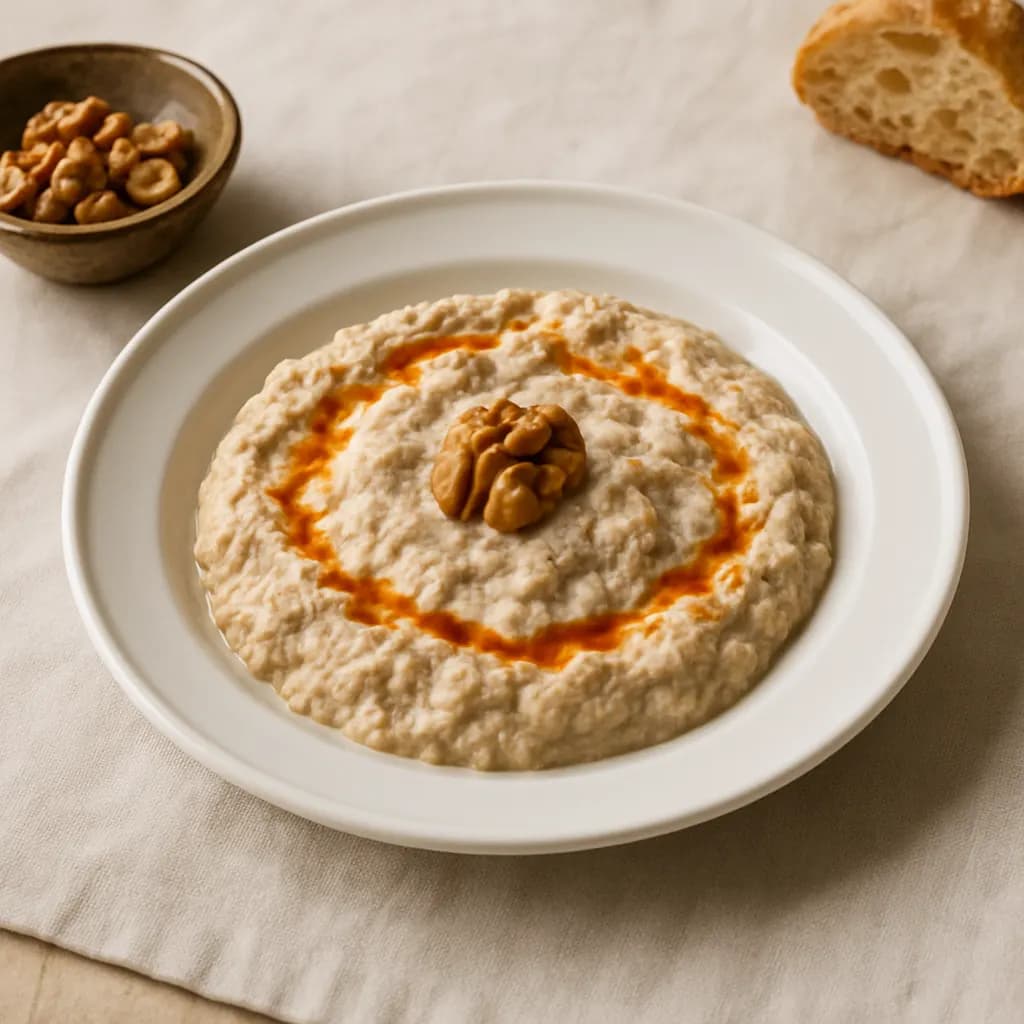
Circassian Chicken(Çerkes Tavuğu)
yöreselThis walnut chicken, associated with the heritage of Caucasian migration, has become one of the delicacies of the meze table in Turkey.
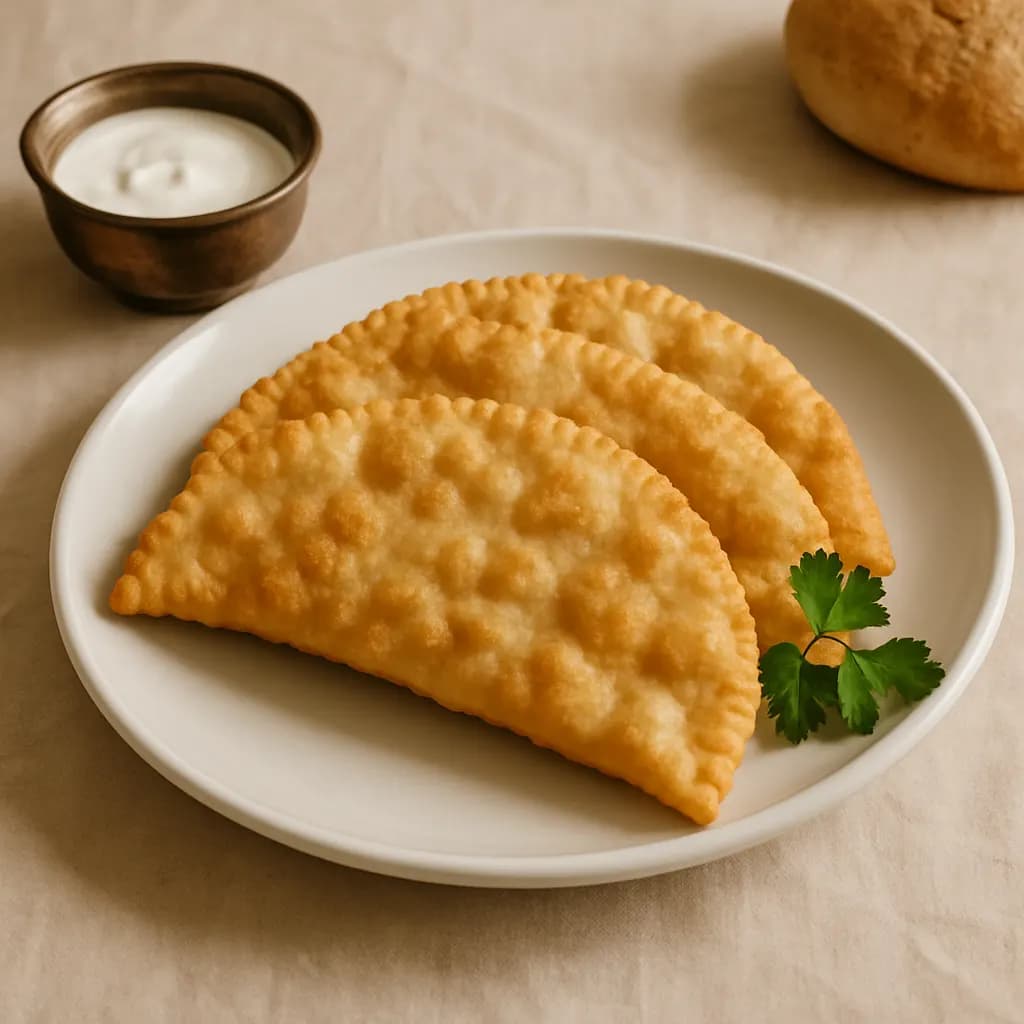
Çiğ Börek
yöreselA half-moon pastry filled with raw minced meat, associated with the Crimean Tatar cuisine and Eskişehir, that puffs up in hot oil. It serves as a flavor carrier of migration memory.
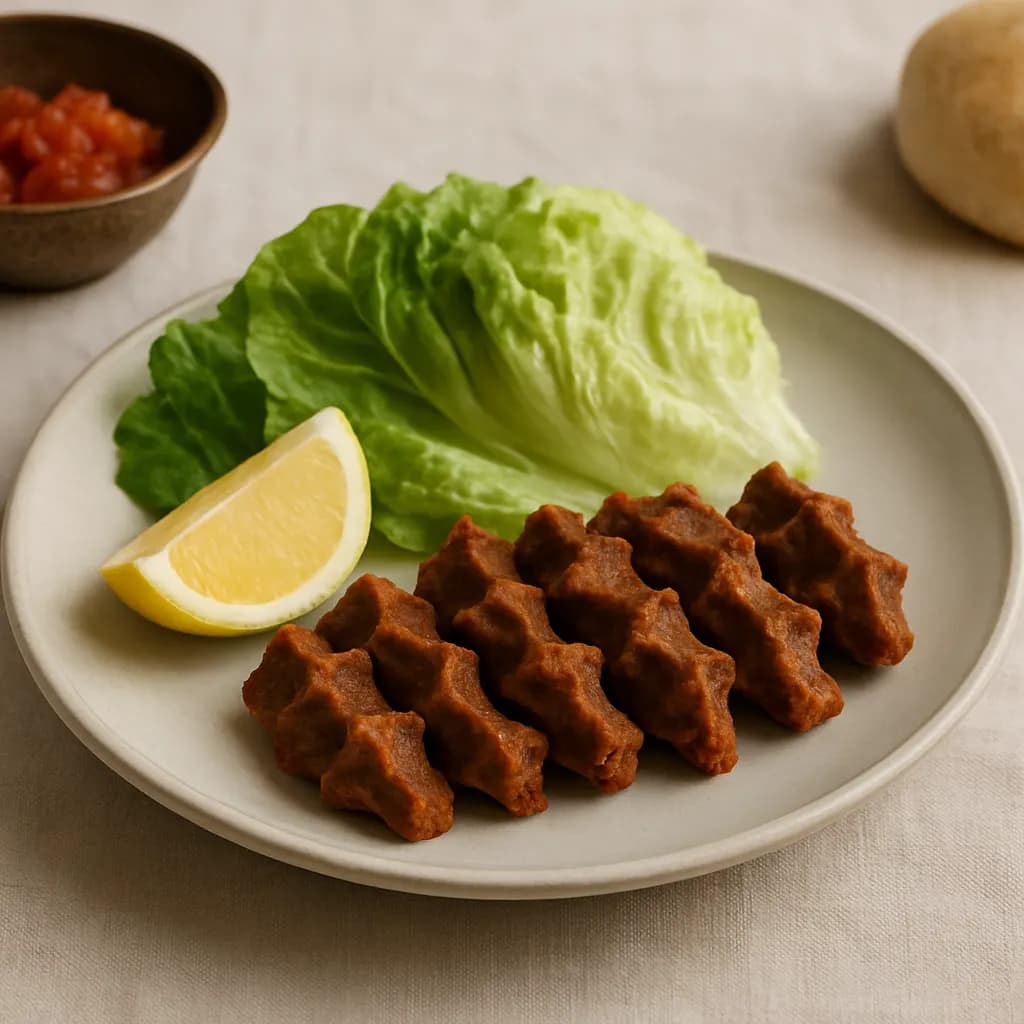
Çiğ Köfte
klasikA meatless köfte originating from the traditions of Şanlıurfa and Adıyaman, made by kneading fine bulgur with isot and spices for hours. It is commonly served with lettuce and lemon.
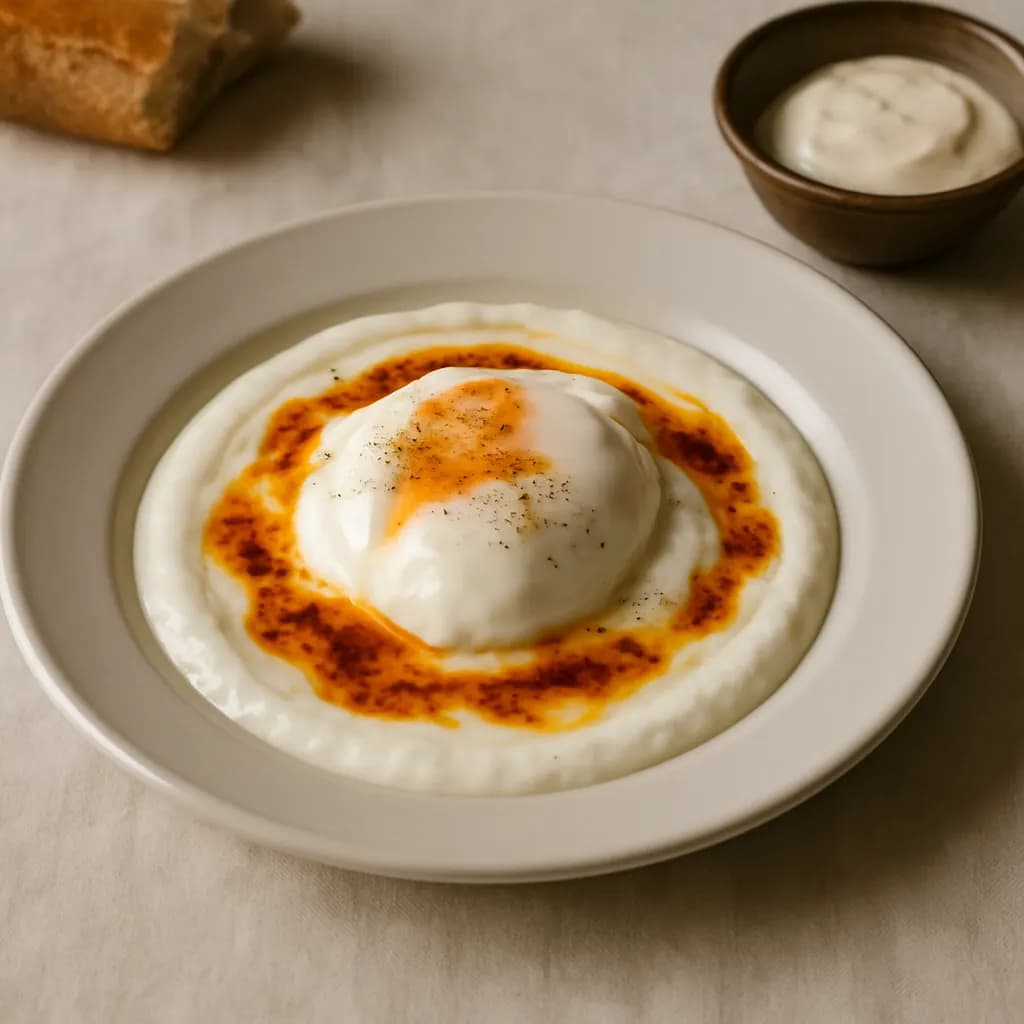
Çılbır
klasikPoached eggs on garlic yogurt topped with spiced butter; a simple dish based on the contrast of temperatures.
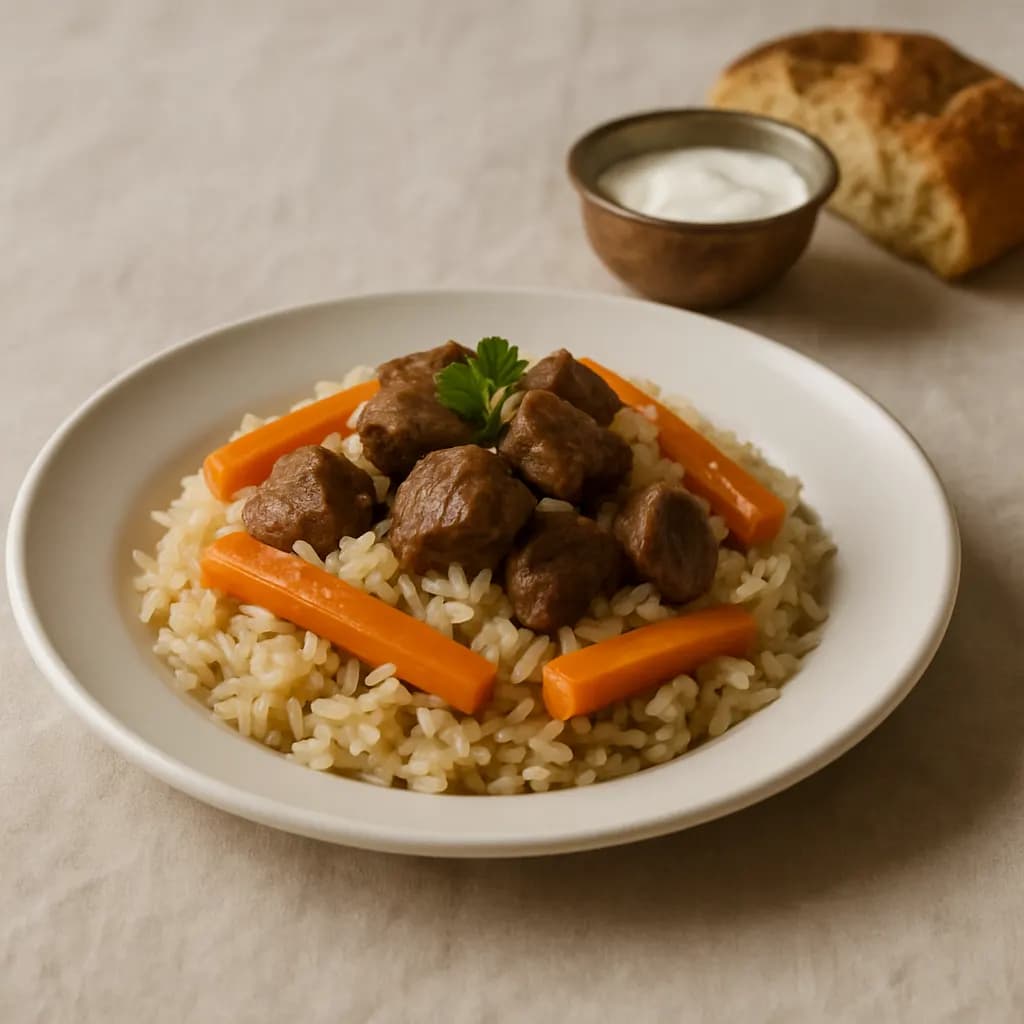
Uzbek Pilaf(Özbek Pilavı)
yöreselA meat and carrot pilaf brought to Turkish tables from the Central Asian repertoire; it is associated with the kazan tradition.
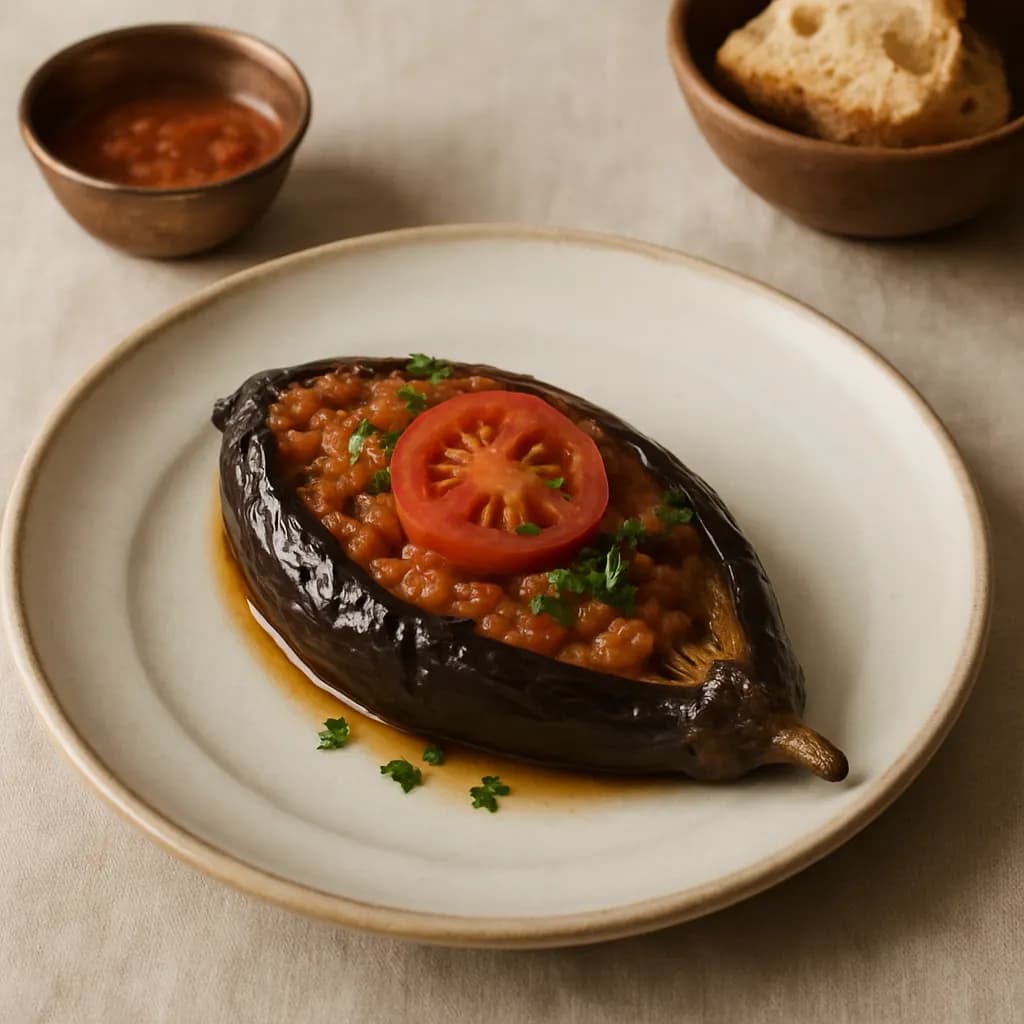
Imam Bayildi(İmam Bayıldı)
klasikA classic from Istanbul where eggplant meets onion, tomato, and garlic in olive oil over low heat. It is one of the most well-known representatives of the olive oil tradition and is served cold.
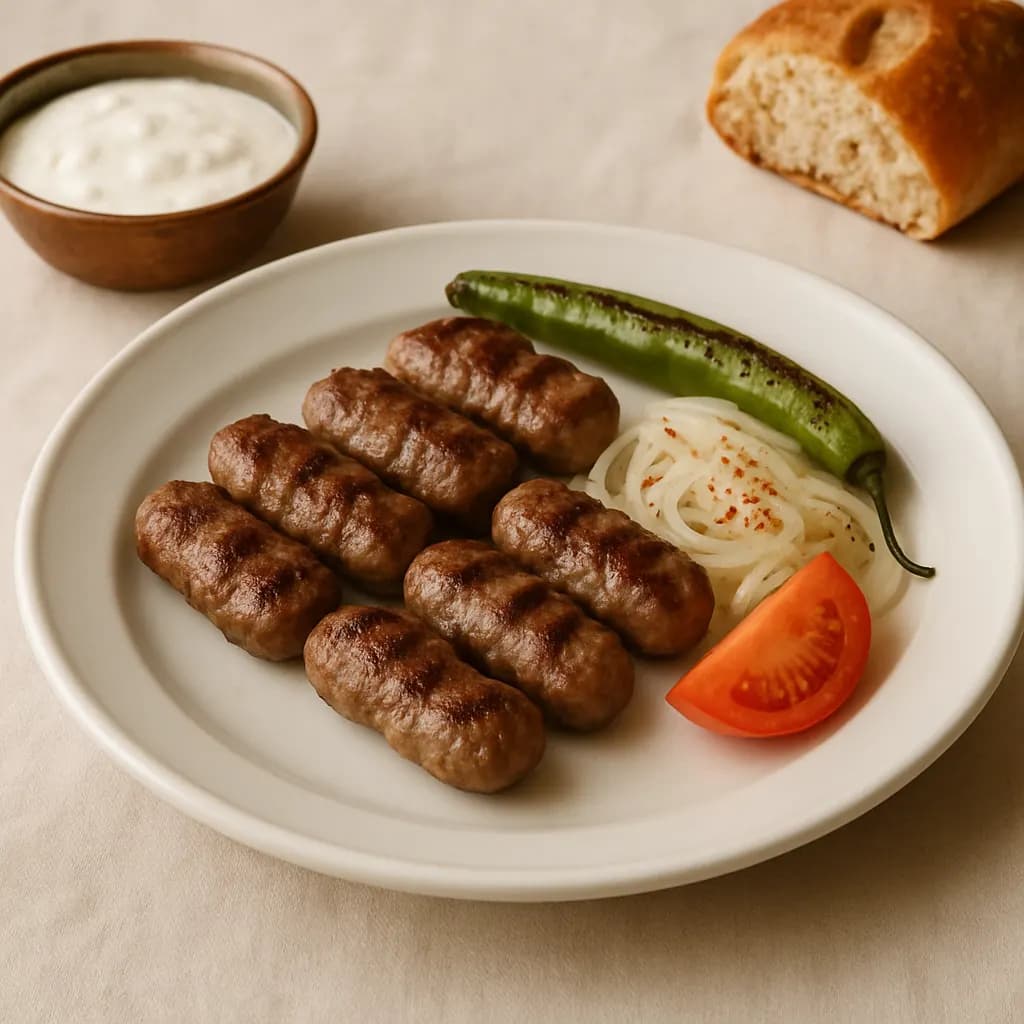
Inegol Kebab(İnegöl Köfte)
yöreselThe Bursa-Inegol kebab keeps the spices simple and relies on resting the meat mixture; the onion-based filling is distinctive.
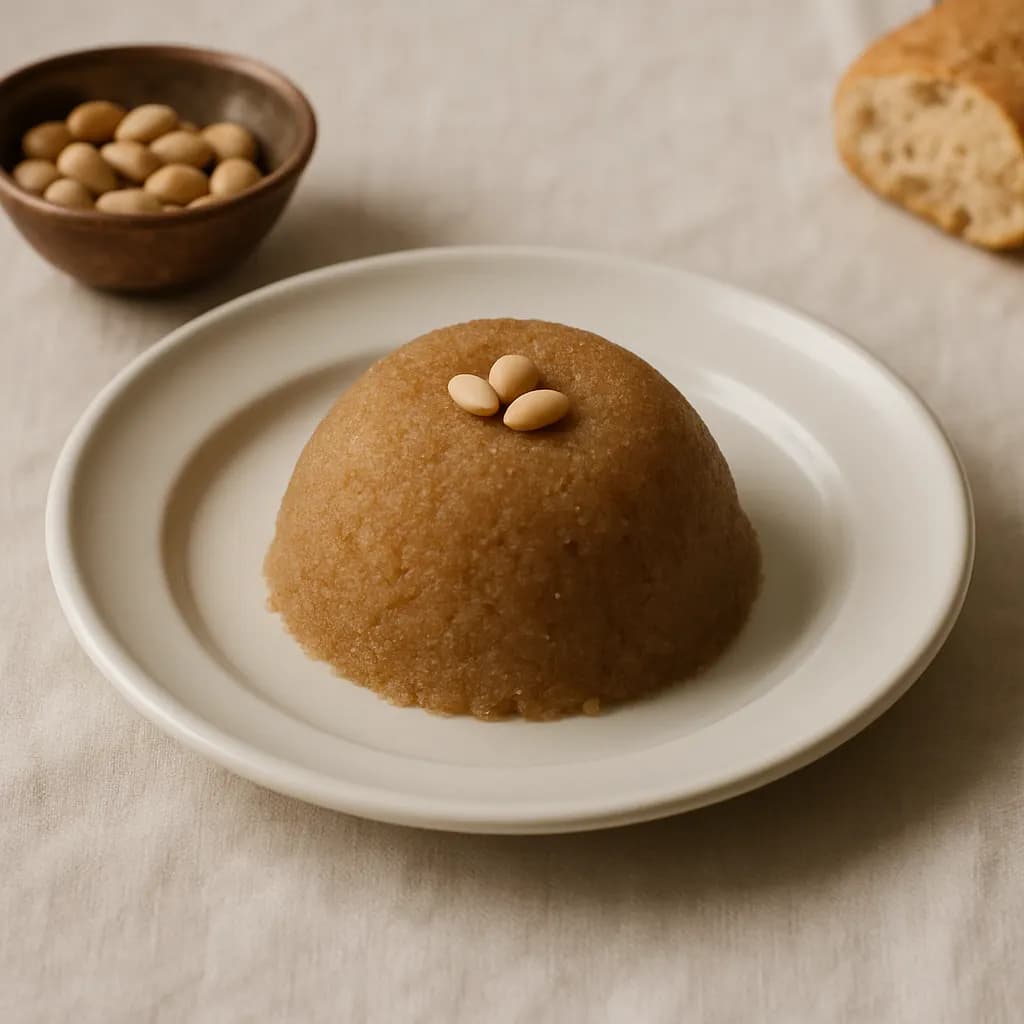
Semolina Halva(İrmik Helvası)
klasikA halva that carries social significance at gatherings and commemorative meals, characterized by the aroma of roasting.
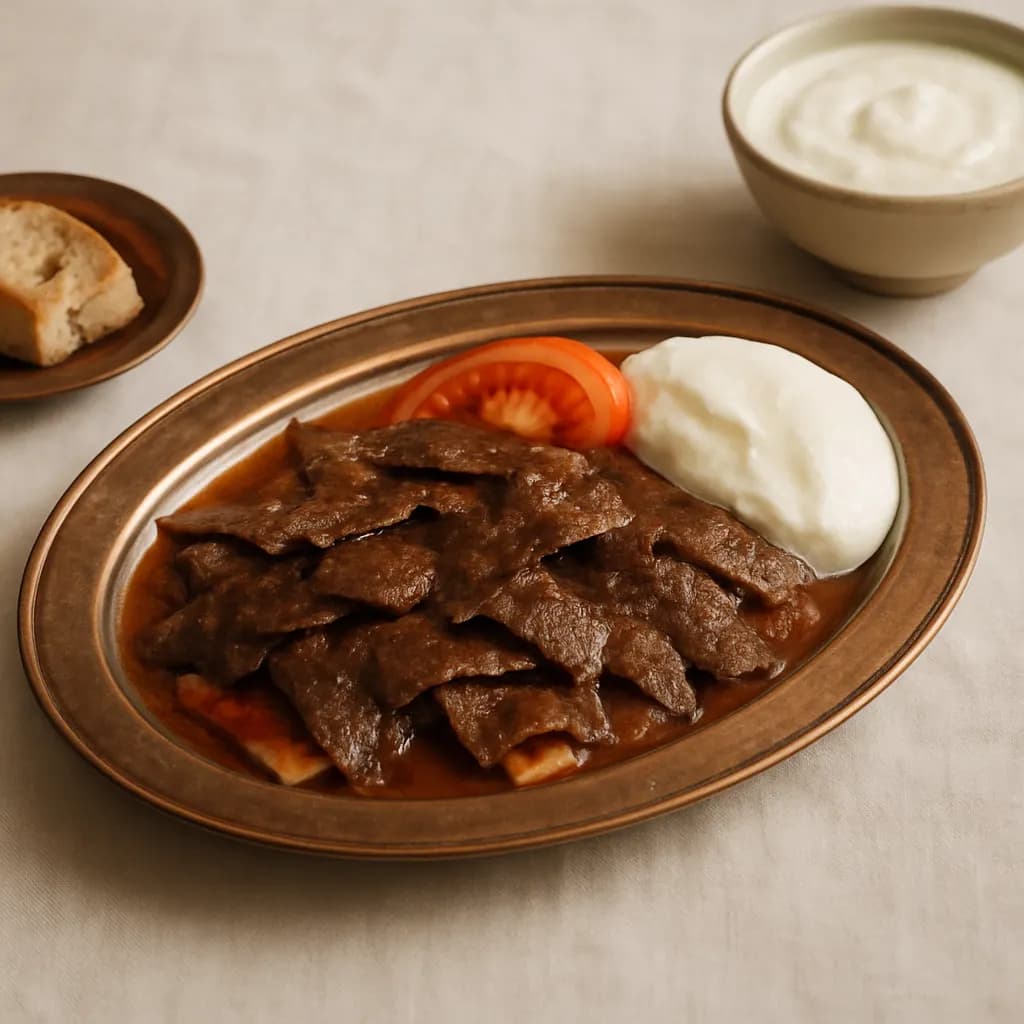
Iskender Kebab(İskender Kebap)
yöreselOriginating from Bursa, it consists of döner served over pide with butter and tomato sauce, accompanied by yogurt. It is based on the mastery tradition known as İskender Efendi from the late 19th century.
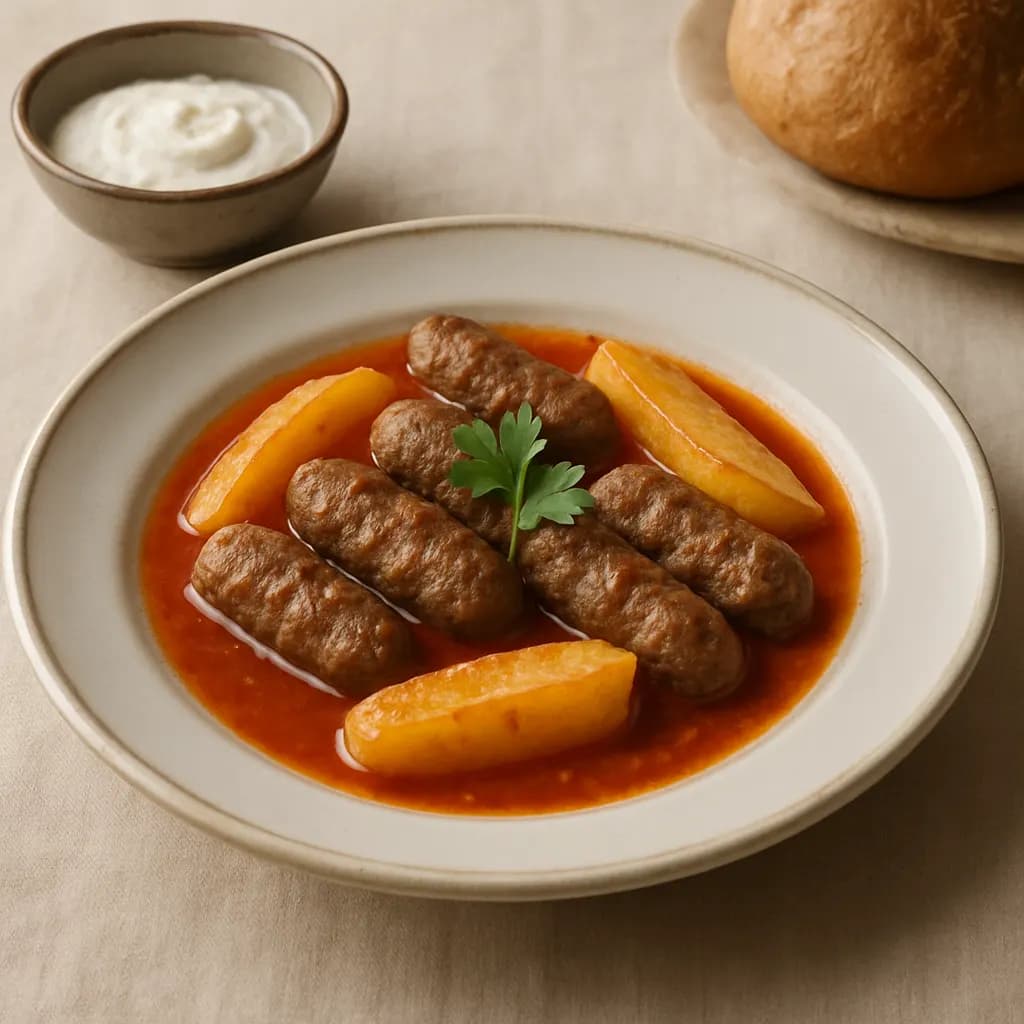
Izmir Kofte(İzmir Köfte)
klasikA classic dish of home and restaurant, where finger meatballs are baked with potatoes in a tomato sauce.
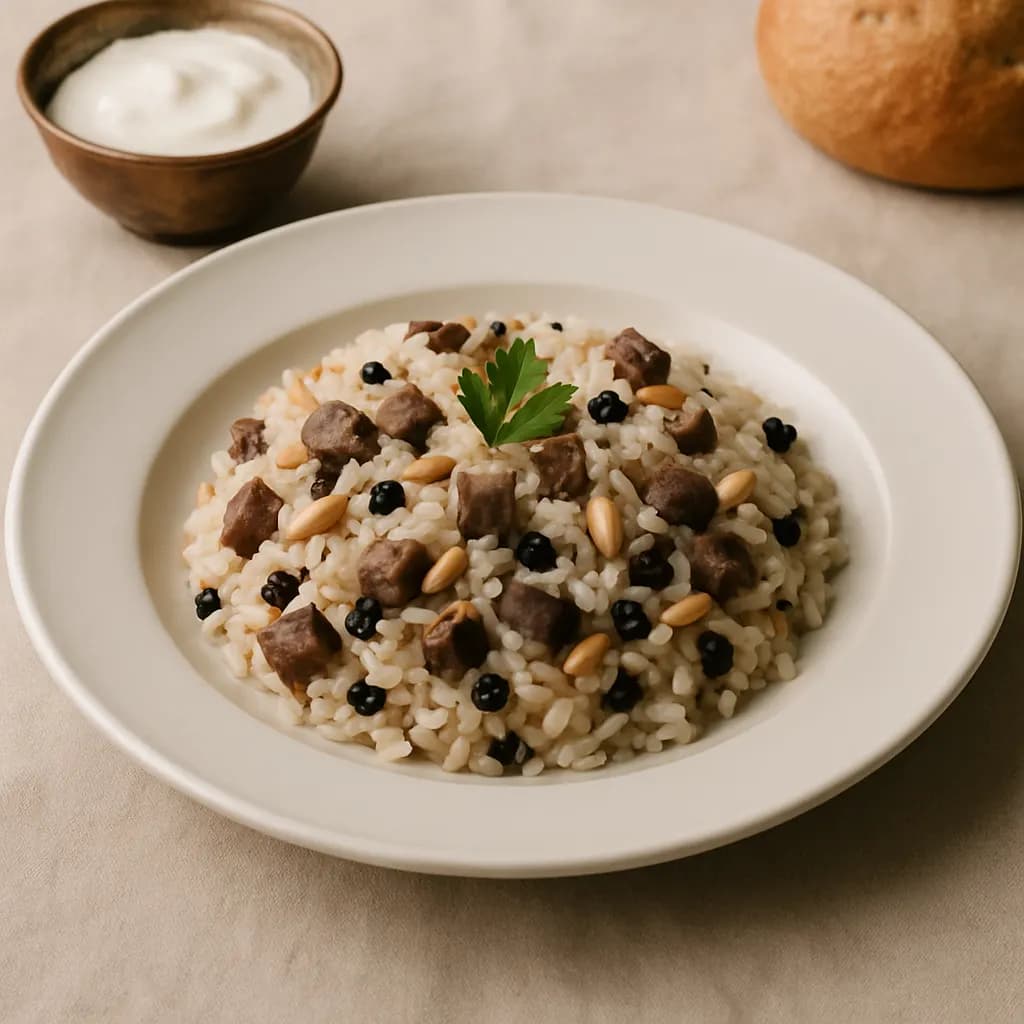
Stuffed Rice(İç Pilav)
klasikThe measured combination of rice with currants, nuts, spices, and liver; it is the rice dish of festive and banquet tables.
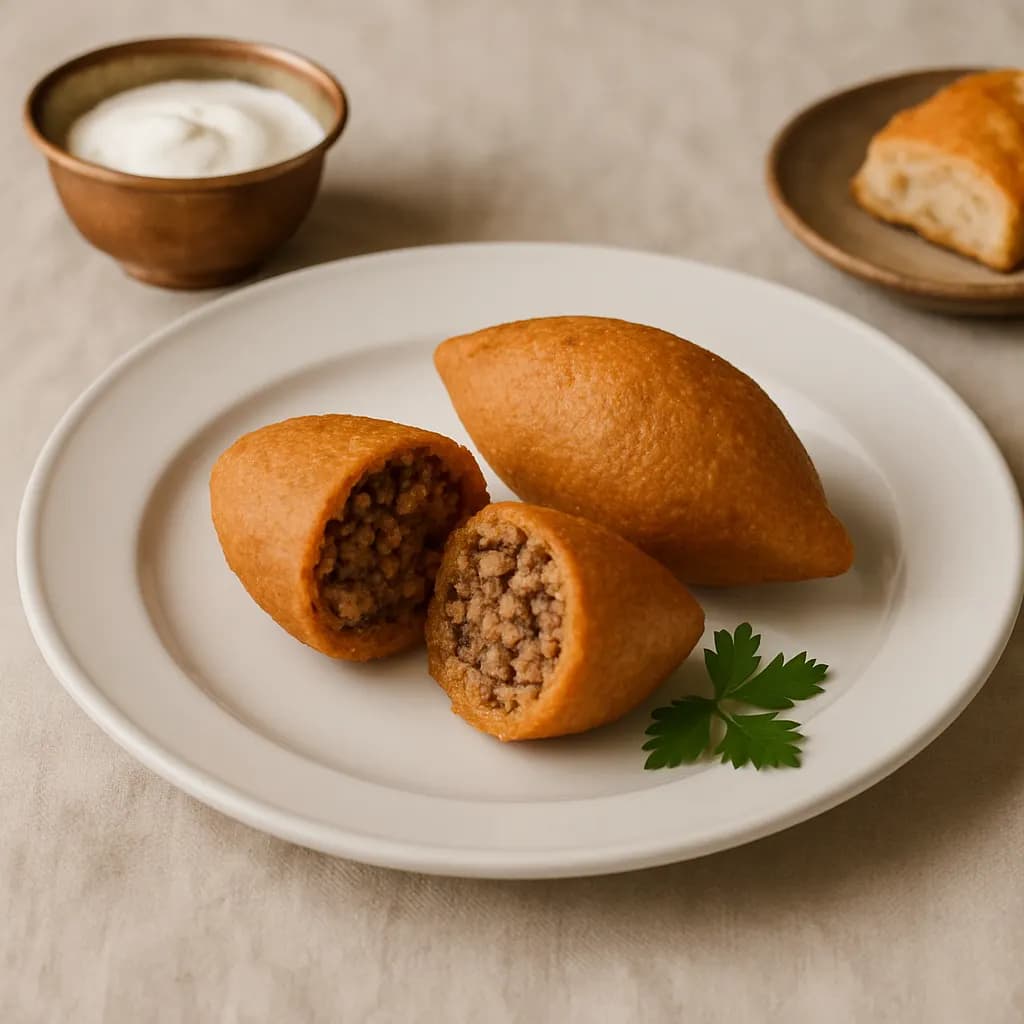
Stuffed Meatballs(İçli Köfte)
klasikThe skill of the köfte family relies on the thin bulgur shell carrying a moist meat filling, showcasing handcrafting techniques.
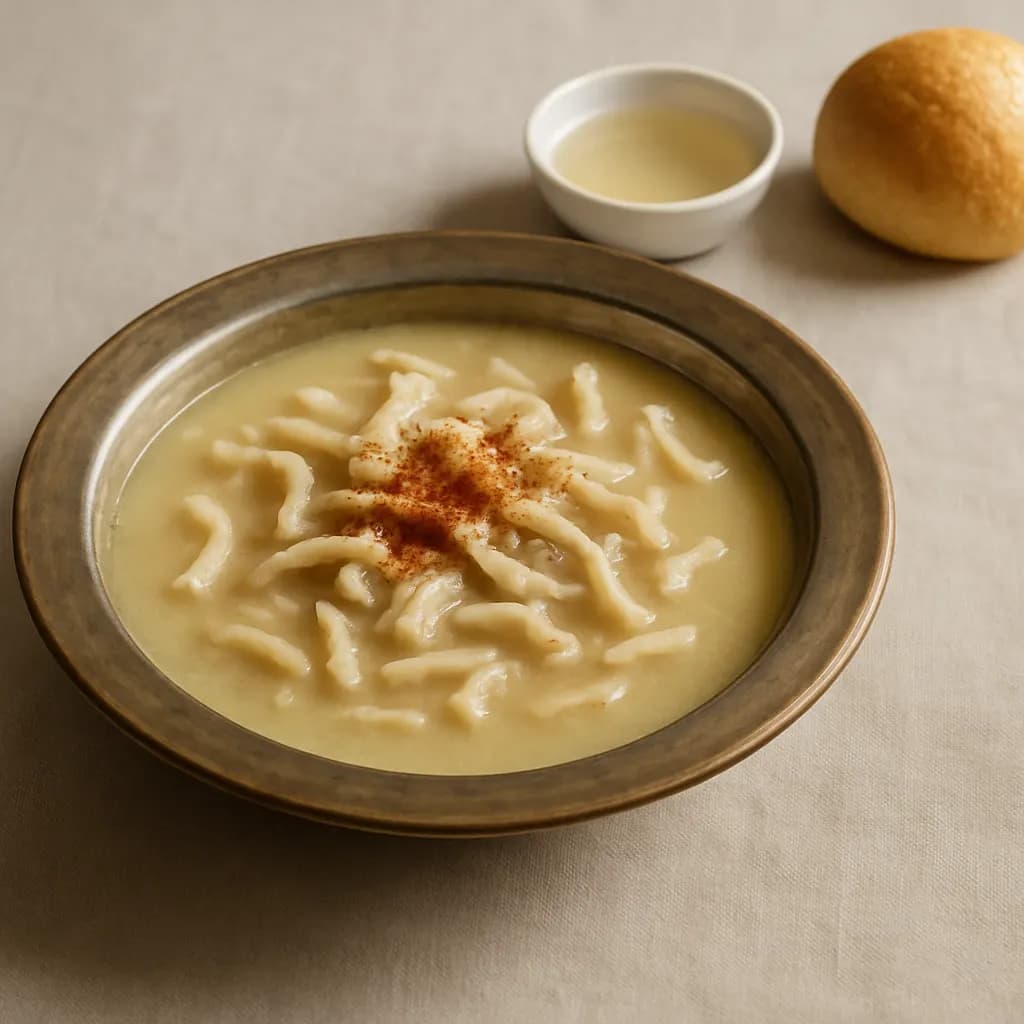
Tripe Soup(İşkembe Çorbası)
klasikA representative of the offal tradition associated with nighttime culture; it is consumed with garlic vinegar. The skill lies in the cleanliness of the tripe and the consistency of the marinade.
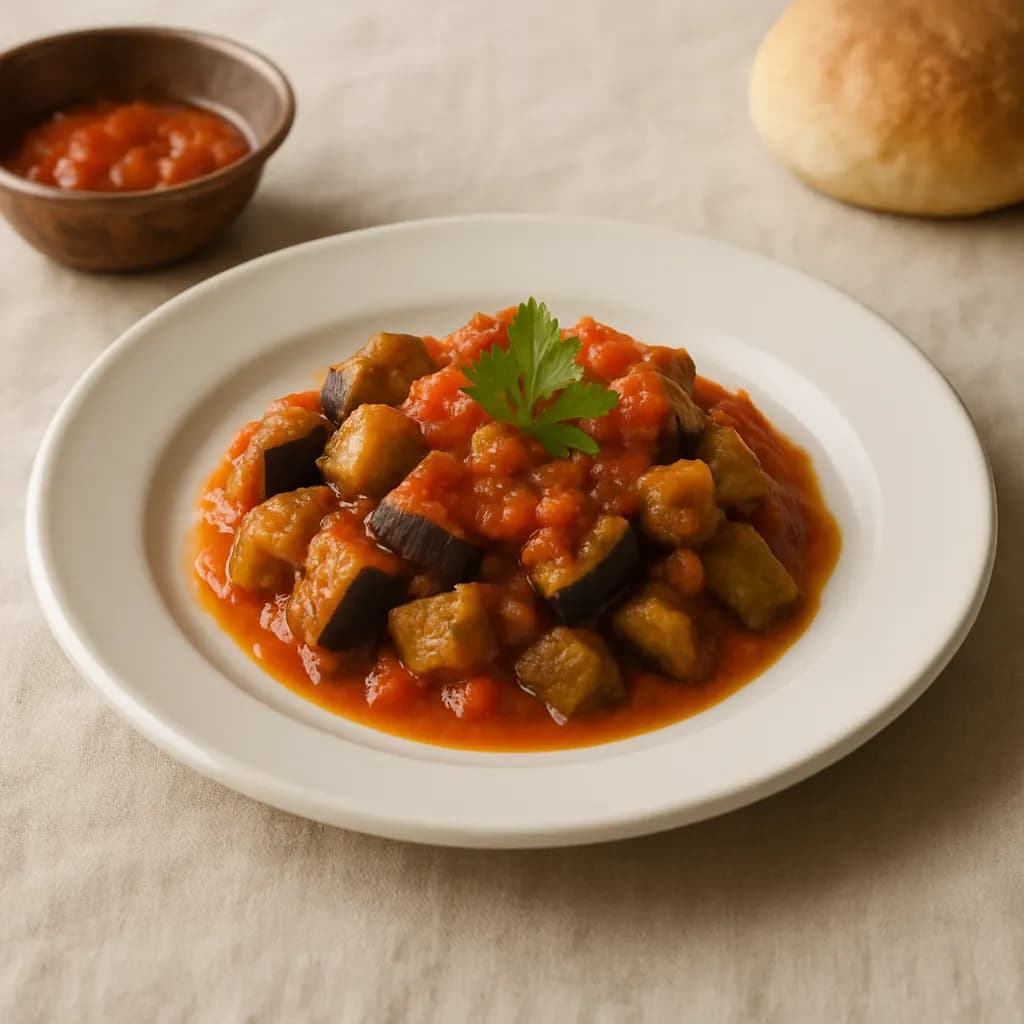
Shakshuka(Şakşuka)
klasikA cold appetizer made of fried eggplant and peppers combined with a tomato-garlic sauce.
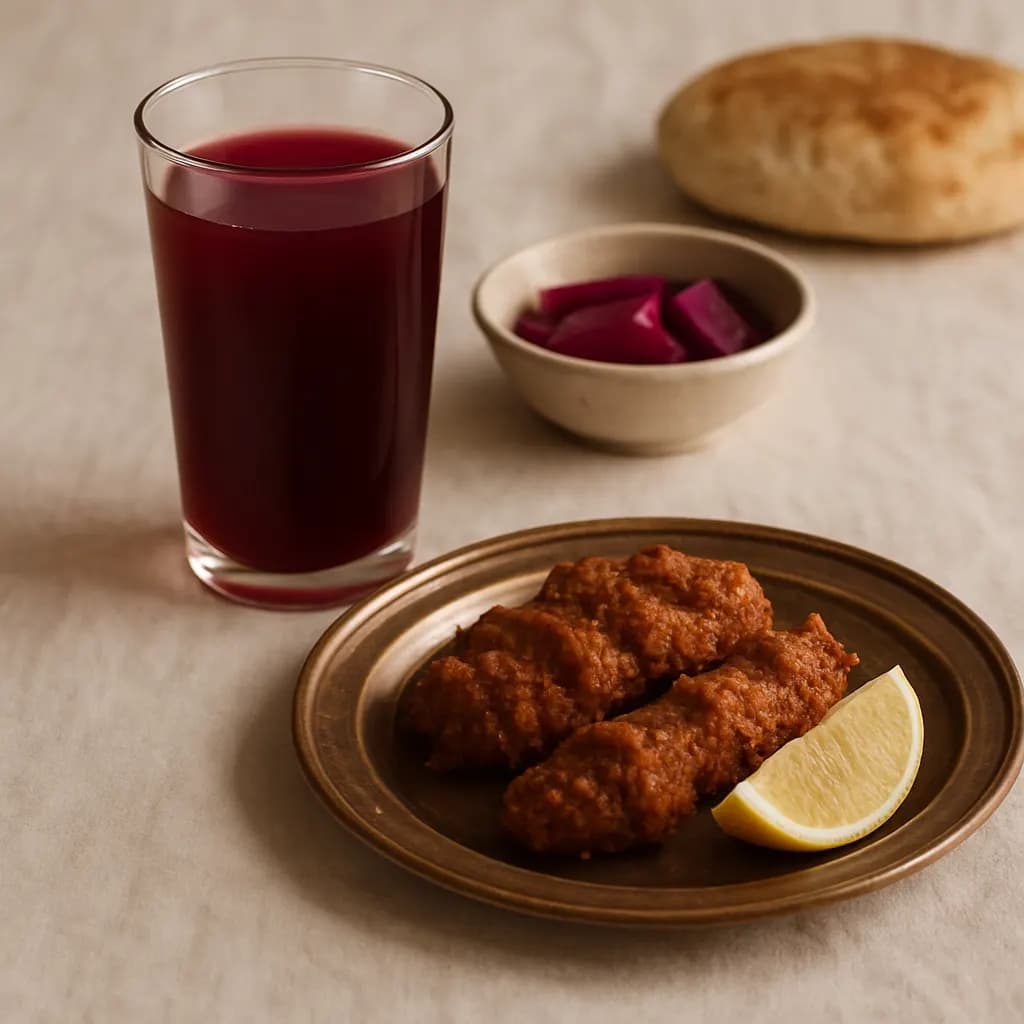
Şalgam(Şalgam Suyu)
yöreselA fermented drink from the Adana-Mersin region made with purple carrots, turnip, and bulgur flour; it accompanies kebabs and çiğ köfte.
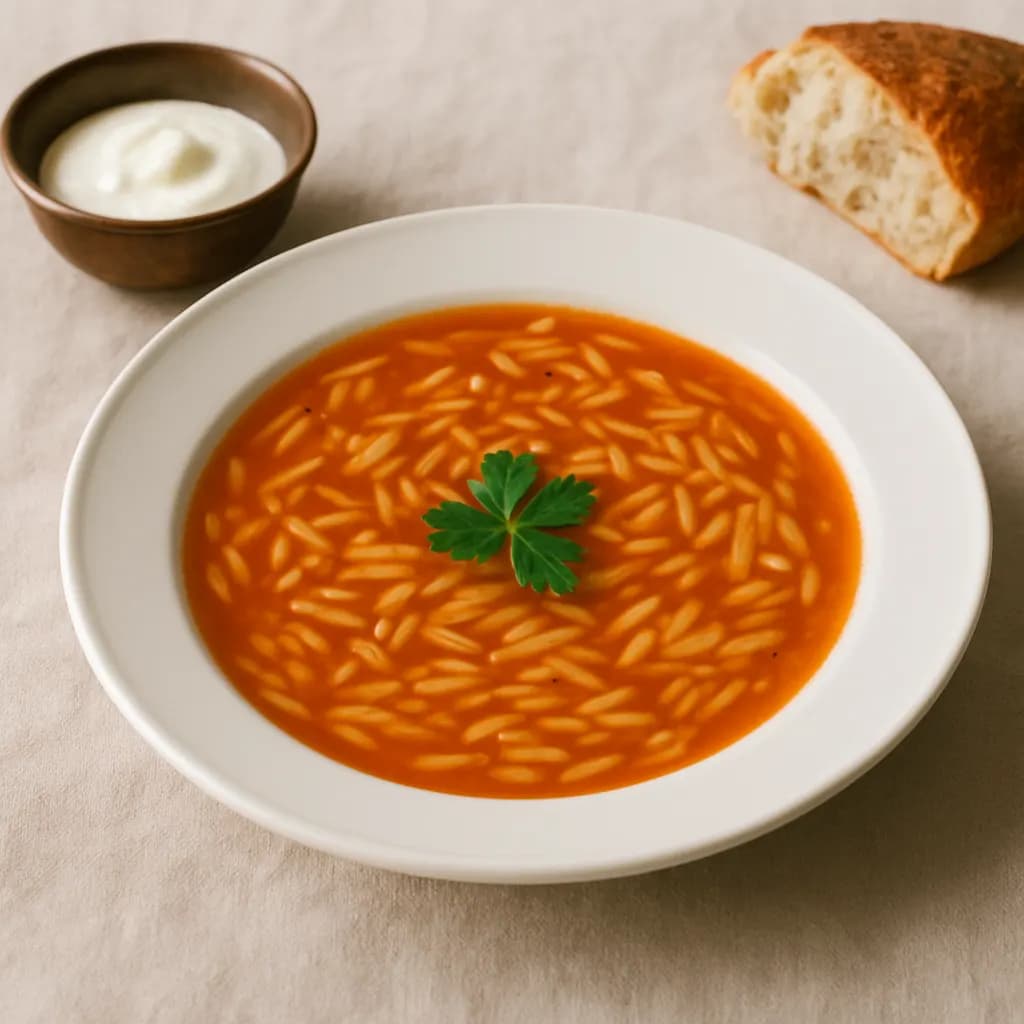
Noodle Soup(Şehriye Çorbası)
klasikA simple everyday soup made with thin or barley noodles cooked in plain water, tomato, or meat broth.
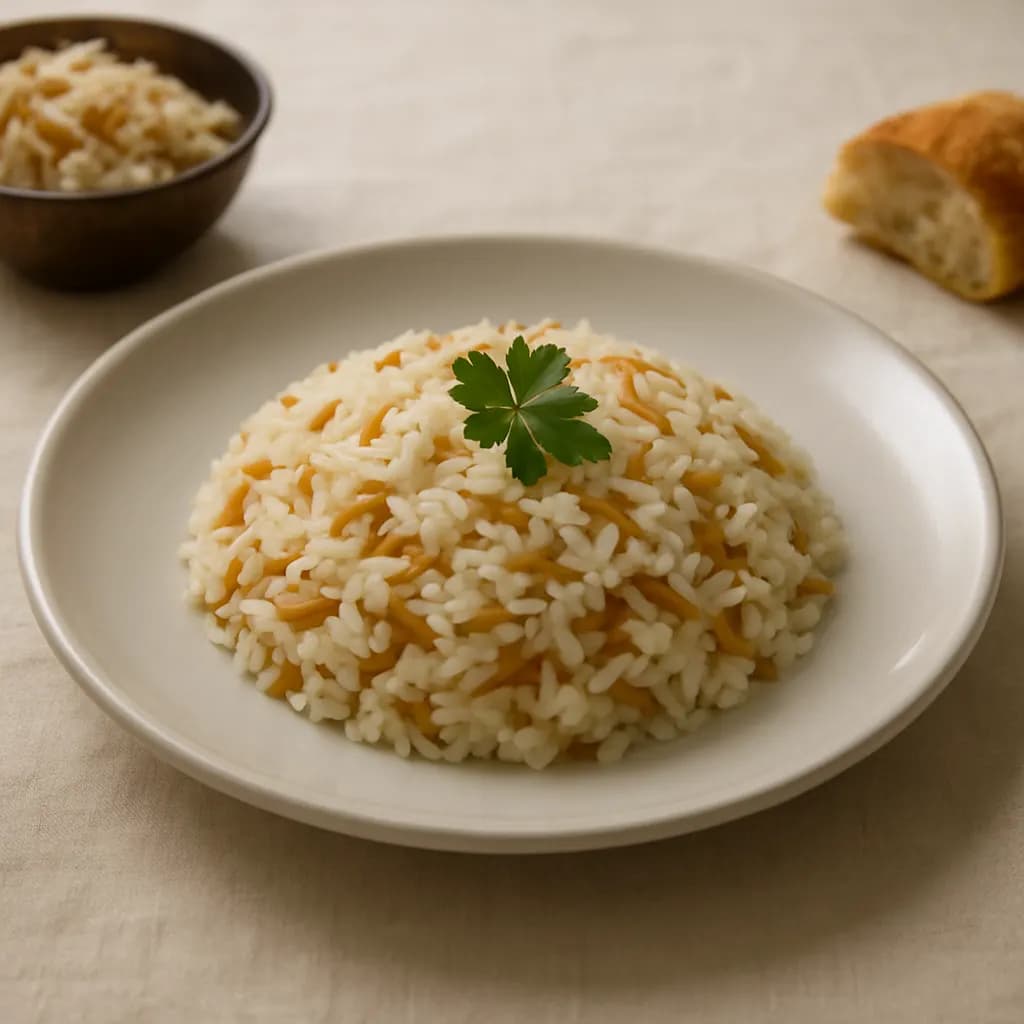
Rice Pilaf with Noodles(Şehriyeli Pirinç Pilavı)
klasikThe measure of pilaf mastery: the grains remain separate while being fully cooked inside. The toasted noodles add color and aroma.
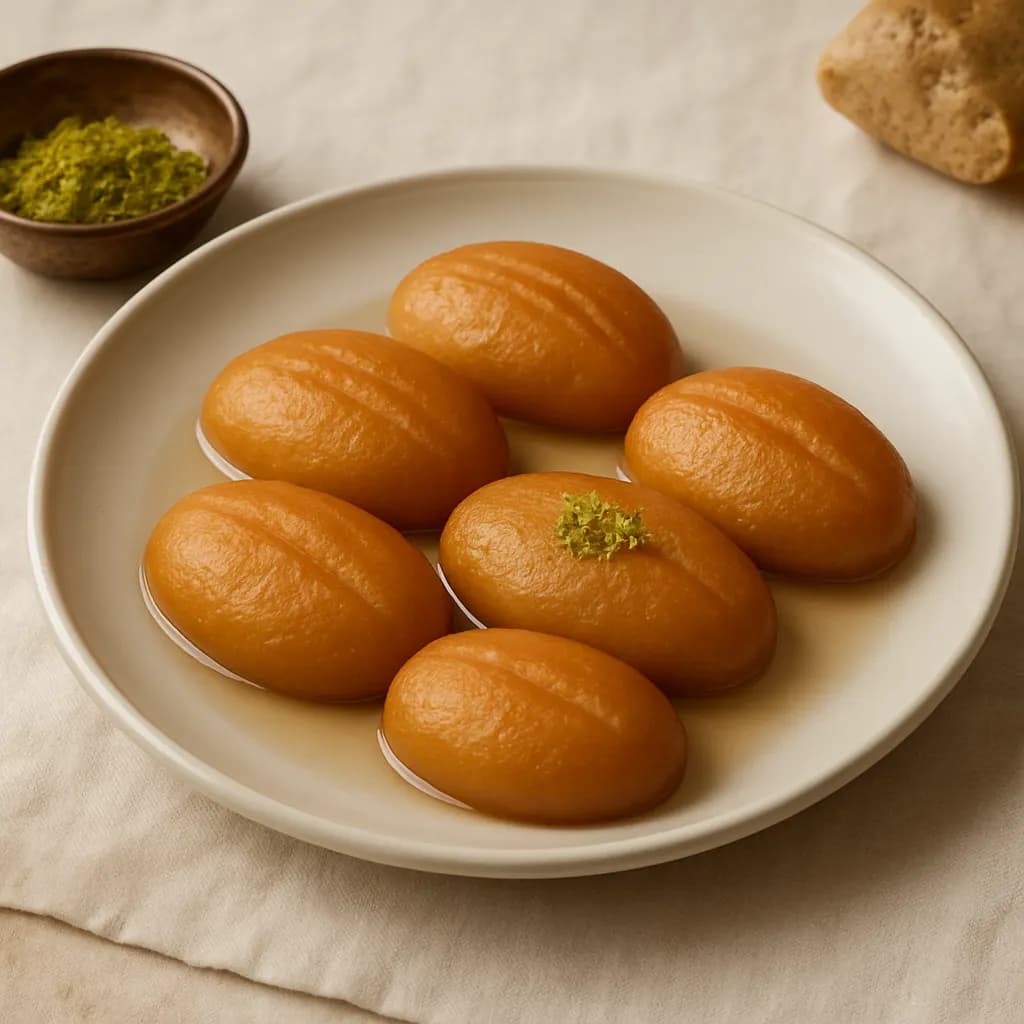
Şekerpare
klasikA sweet made from small baked semolina dough that softens by absorbing syrup in a balanced manner.
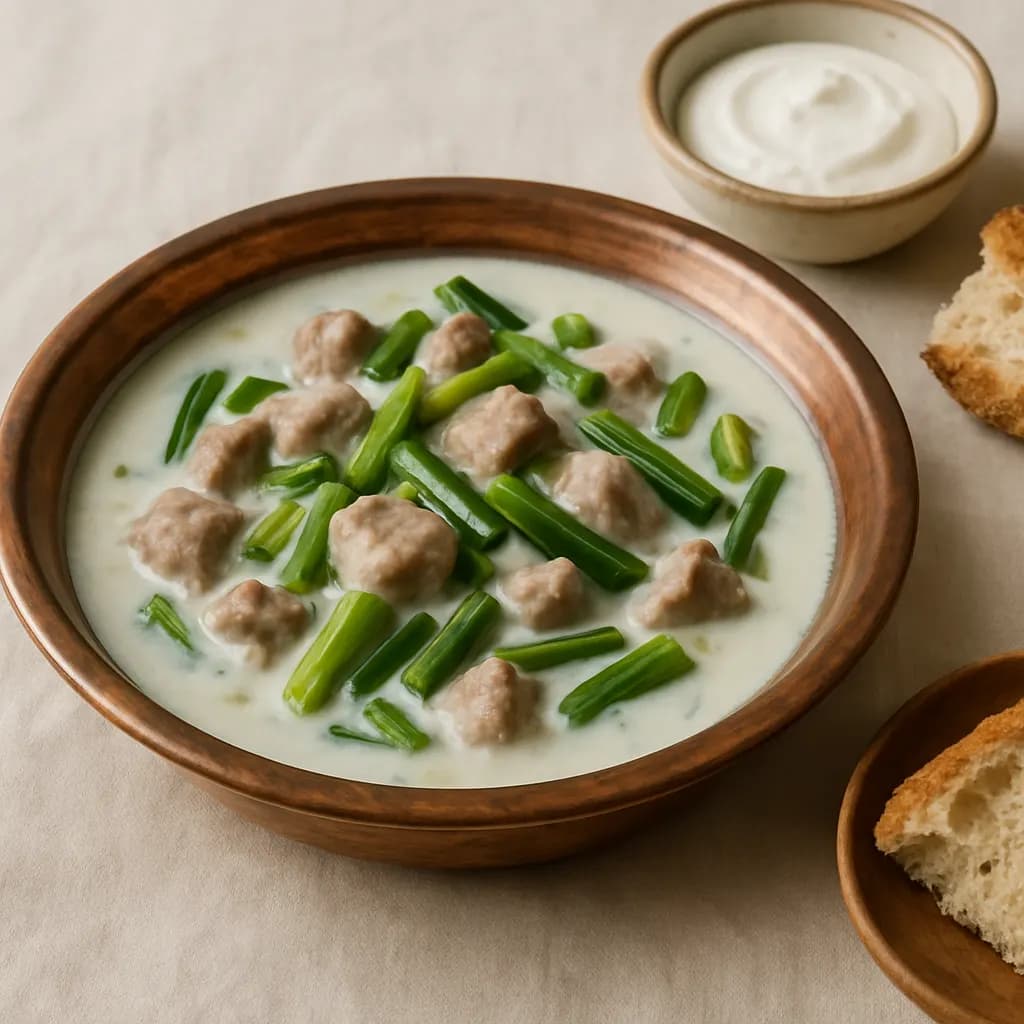
Şiveydiz
yöreselA dish from Gaziantep that brings the season of fresh garlic to a yogurt-based meat dish; dried garlic does not provide the same texture.
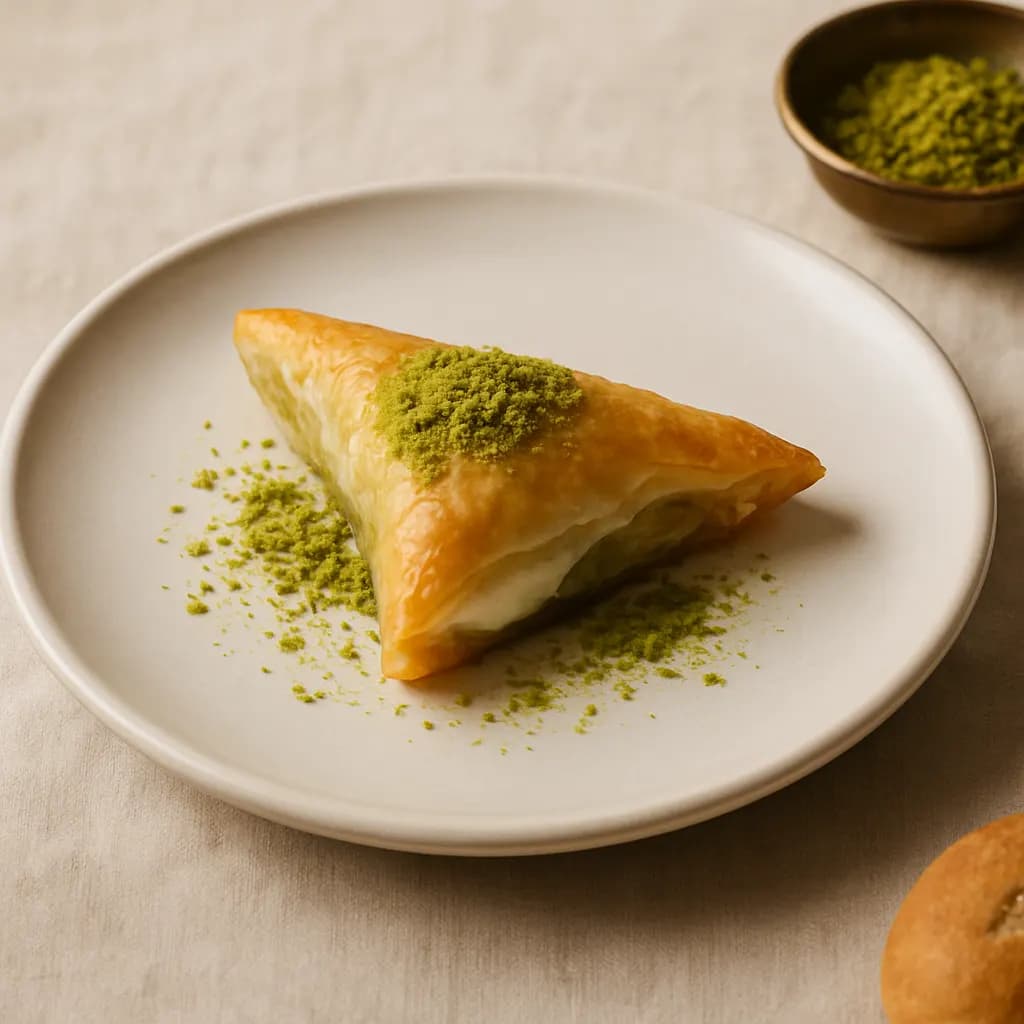
Şöbiyet
yöreselA dessert from Gaziantep made of thin baklava dough folded into triangles with a filling of clotted cream and pistachios; it has a creamier filling than baklava.